
It was 3:00 AM, and I was pacing my kitchen floor, clutching my jaw and wondering if I had finally paid the ultimate price for my sweet tooth. Every pulse in my face felt like a tiny hammer hitting my upper back teeth. It was sharp. It was relentless. I was absolutely convinced I had a massive cavity that had finally hit the nerve. I even started frantically looking up how to manage a dull ache that wakes you up at night because I simply could not stop the throbbing. The next morning, I practically broke down the door of my local clinic, only for the dentist to tell me my teeth were perfectly healthy. The real culprit? A massive sinus infection I didn’t even know I had. Believe me, I have been there, and it is a confusing, painful mess. Today, I am going to walk you through exactly why this happens and how you can spot the difference before you panic.
Why Your Upper Molars Scream During Cold Season
It sounds like a bad joke, doesn’t it? You go in for a toothache and leave with a prescription for a nasal spray. But here is the reality: your maxillary sinuses—the ones right behind your cheekbones—sit directly on top of your upper dental roots. When those sinus cavities get inflamed, swollen, or filled with fluid, they press down on the nerves of your teeth. I made the classic mistake early on of assuming every pain in my mouth required a drill. I didn’t realize that oral health myths often lead us to assume the worst when we should just be treating a head cold. By understanding this connection, you can save yourself a lot of money and even more anxiety. We are going to dive into the biology of your face to settle this once and for all.
Is this a real dental emergency or just a bad head cold?
It is totally normal to be skeptical. After all, the pain feels like it is deep inside the tooth. However, according to the American Rhinologic Society, the floor of the maxillary sinus is often separated from the roots of your upper teeth by nothing more than a paper-thin layer of bone. In some cases, there is no bone at all, and the roots actually protrude into the sinus cavity itself. This means every sneeze or bit of congestion feels like a lightning bolt in your jaw. If you have been focused on family dentistry for your kids but ignoring your own seasonal allergies, you might be confusing the two. Have you ever rushed to a professional only to find out your cavity was actually just a stubborn case of hay fever? It is a frustrating realization, but incredibly common. While regular dental cleanings are vital to rule out actual decay, today we are focusing on that specific, heavy pressure that moves when you bend over. Let’s get into the telltale signs that the problem is in your nose, not your enamel.When I was pacing my kitchen that night, I accidentally dropped a spoon. As I leaned down to grab it, the pressure in my teeth doubled instantly. It felt like my molars were trying to exit through my cheekbones. If you want to know for sure if your ‘toothache’ is actually a sinus issue, you need to try the gravity test. Stand up straight, then slowly bend forward at the waist as if you are touching your toes. If the pain intensifies or shifts into a heavy throb as your head goes down, you are likely dealing with fluid pressure in the maxillary sinus, not a cavity. This is a classic indicator that the ‘meat’ of the problem is respiratory rather than dental.
The 10-Second Gravity Test in Your Kitchen
To understand why this works, think of your face like a two-story apartment building. Your teeth are the ground-floor tenants, and your sinuses are the neighbors living directly upstairs. When the upstairs neighbors have a massive plumbing leak, the water seeps through the ceiling and affects the floor below. You might think your own floor is rotting, but the source is actually the pipes above. This is exactly why how to stop a toothache from ruining your vacation flights often involves managing sinus pressure before takeoff—because those ‘upstairs’ pipes are incredibly sensitive to changes in altitude and pressure.
Check the Whole Neighborhood Instead of One House
Next, you must evaluate the scope of the pain. A true dental emergency usually targets one specific tooth. If you can point to exactly one molar and say ‘this is where it hurts,’ you might have a localized issue. However, if your entire upper row feels like it is being squeezed in a heavy-duty vise, your sinuses are the primary culprit. While you are at it, check for other symptoms like a salty taste in the back of your throat or a diminished sense of smell. These signs of post-nasal drip won’t show up during revolutionary teeth cleaning techniques for 2025, but they are a dead giveaway for a head cold. 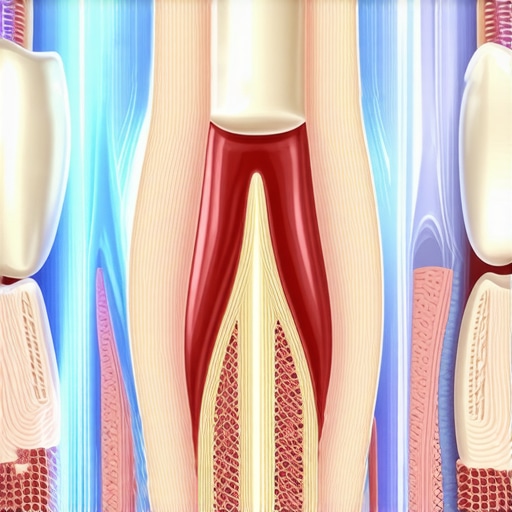
Listen to Your Response to Temperature
Another actionable step is the temperature check. In my 3:00 AM panic, I noticed that sipping room-temperature water didn’t change the sensation, and neither did a warm tea. If I had a deep cavity or a dying nerve, extreme temperatures would have triggered a sharp, electric shock. Knowing how to stop cold water from triggering sharp nerve pain in one tooth is a vital skill, but if your teeth are completely indifferent to your morning coffee or an ice cube, the nerve probably isn’t exposed. Instead, it is likely being compressed from the outside by an inflamed sinus lining.
The Gentle Percussion Test at Home
You can also perform what dentists call a percussion test. Take the end of a clean toothbrush and gently tap on your upper teeth one by one. If they all feel slightly tender or ‘full,’ it is likely the sinus. If only one tooth makes you jump, you are looking at a dental problem. Regardless of the result, never use a sinus infection as an excuse to ignore your long-term hygiene. Understanding how regular teeth cleaning can prevent major dental issues will help you ensure that a real infection isn’t hiding behind seasonal allergies. If the pain persists once your nose clears, it is time to investigate the difference between a root canal and a standard filling to address any underlying decay that the sinus pressure might have unmasked.Wait! Before you reach for the decongestant and call it a day, let’s dismantle one of the biggest oral health myths still circulating in 2025: the idea that white, straight teeth are inherently healthy teeth. I’ve seen patients with ‘Hollywood smiles’ who were actually walking around with significant periodontal issues hidden just below the gum line. When you have that radiating pressure during cold season, it’s easy to focus only on the pain, but the real expertise lies in looking at the mouth’s ecosystem. If you’ve invested in cosmetic dentistry trends to perfect your look, you must be even more vigilant. Why? Because veneers and bonding can sometimes make it harder for a layperson to feel the early warning signs of a real dental issue that is simply being ‘triggered’ by sinus pressure.
Stop equating white enamel with a clean bill of health
Here is a contrarian take: your dental hygiene isn’t just about how well you brush, but about the pH balance and microbial diversity in your mouth. Many people believe that scrubbing harder will solve the problem, but teeth cleaning secrets usually involve gentle, consistent disruption of biofilm rather than brute force. If your mouth is too acidic—perhaps from that ‘healthy’ sparkling water habit—your teeth are more susceptible to the pressure of inflamed sinuses. This is the ‘oops’ factor most people miss: they treat the sinus infection with drying antihistamines, which lowers saliva production, which then spikes acidity and makes the ‘toothache’ feel ten times worse. You aren’t just dealing with a ‘nose problem’ anymore; you’ve created a perfect storm for enamel erosion. 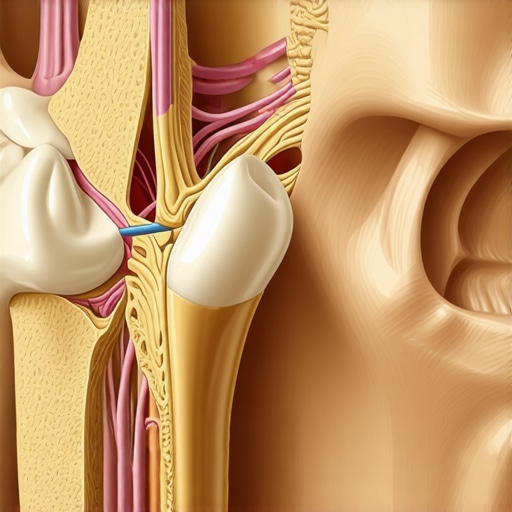
Can persistent sinus pressure actually damage your healthy teeth?
It’s an advanced question that most general blogs won’t touch. While a one-off head cold won’t rot your teeth, chronic sinusitis is a different beast. A study published in the Journal of Endodontics highlights that chronic inflammation in the maxillary sinus can lead to ‘periapical’ changes—meaning the inflammation can eventually impact the health of the dental pulp if left untreated for months. This is why family dentistry tips always emphasize early intervention. If you’re just waiting for the ‘season’ to pass, you might be allowing a reversible issue to become a permanent one.
The hidden trap of the ‘it’s just a cold’ mindset
The biggest mistake I see? Using a cold as an excuse to skip your regular teeth cleaning. It’s a dangerous trap because the ‘white noise’ of a sinus ache can mask the sharp, specific warning of a failing filling or a micro-crack. Have you ever fallen into this trap of ignoring a ‘seasonal’ ache until it became a midnight emergency? Let me know in the comments. By the time the congestion clears, the dental damage is often much more expensive to fix. If you want to stay ahead of the curve, you need to understand that your sinuses and teeth are neighbors that share more than just a wall; they share a biological destiny. Focusing on preventive tips for long-lasting dental health ensures that when the next flu season hits, you’ll know exactly which ‘neighbor’ is actually making the noise.Once I realized my 3:00 AM ‘toothache’ was actually a sinus issue, I became obsessed with making sure a real problem never snuck up on me again. I stopped buying generic drug-store brushes and invested in a high-quality electric model. I personally use a sonic-vibration brush because of the pressure sensor—I realized I was a ‘scrubber,’ which is one of the quickest ways to destroy your enamel. If you are struggling with sensitivity or inflamed gums, picking the best toothbrush texture for people with receding gums is the first step to stopping the cycle of irritation. I also added a water flosser to my routine. Why? Because traditional floss is great for tight contacts, but a water flosser reaches into those deep periodontal pockets that sinus inflammation tends to exacerbate. This isn’t just about vanity; it is about making your mouth an inhospitable place for the bacteria that trigger those deep, radiating aches. 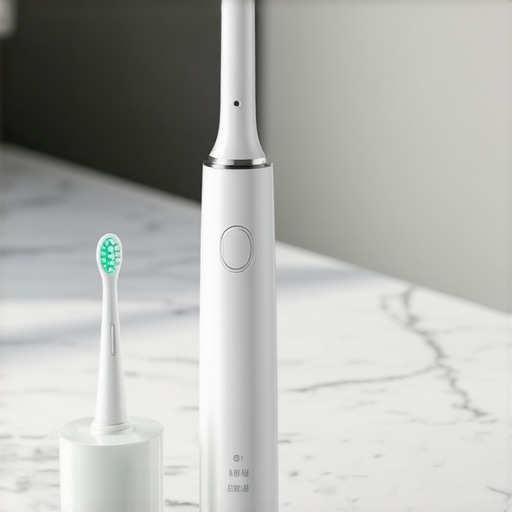
How do I keep my smile stable as I age?
The secret is consistency and managing your mouth’s chemistry through the ‘wait 30’ rule. After you eat, your enamel is temporarily softened by food acids. If you brush immediately, you are literally scrubbing your enamel away. Understanding how long you should really wait to eat after a cleaning—or any meal—is a vital maintenance habit. I also swear by xylitol-based products after meals. They stimulate saliva, which is your body’s natural buffer against the acidity that leads to decay. If you want to dive deeper into these nuances, teeth cleaning secrets often come down to these small, biochemical tweaks rather than just more aggressive brushing. According to Dr. Purnima Kumar, a leading expert in oral microbiology at the University of Florida, the oral microbiome is a delicate ecosystem that reacts to every lifestyle change. Her research indicates that maintaining a diverse, healthy bacterial colony in the mouth is just as critical as removing plaque.
Diagnostic AI is the next big thing for your bathroom
Looking ahead, I predict we are moving away from reactive ‘drill and fill’ dentistry toward predictive, personalized care. Within the next few years, I expect home-based diagnostic tools to become standard, allowing you to scan your saliva for specific bacterial markers before you ever feel a twinge of pain. Imagine a smart mirror that alerts you to a pH imbalance before it becomes a cavity. For now, I want you to try one specific tip: tomorrow morning, instead of brushing immediately after your coffee, try a quick water rinse followed by a xylitol mint. It is one of those preventive tips for long-lasting dental health that costs almost nothing but protects your enamel from the daily acid wear that makes sinus pressure feel so much more intense.
Lessons from the 3:00 AM Jaw Ache Scare
I used to think a clean checkup meant I was “done” for six months, but I learned that oral health is a 24/7 biological negotiation between your habits and your environment. One of the most persistent oral health myths is that pain always equals a cavity; often, it is just your body’s way of saying your immune system is overloaded by a head cold or allergies. The moment I stopped “scrubbing” my teeth and started “massaging” my gum line with a soft-bristled brush was the moment my chronic sensitivity actually vanished. Seasonal allergies are the ultimate “fake out” in dentistry; learning to manage your sinuses can save you from the stress of a phantom toothache. I also realized that family dentistry tips aren’t just for kids—they are the foundation of keeping your own adult molars functional and pain-free for decades.
The Gear That Keeps My Smile Quiet During Cold Season
To avoid a repeat of my midnight panic, I curated a specific toolkit that addresses both dental and sinus health. First, I upgraded to a Sonic-Vibration Toothbrush with a pressure sensor; it ensures I never brush too hard when my gums are already sensitive from sinus pressure. Second, I keep Xylitol-Based Mints in my car to keep my saliva alkaline after my morning coffee, which is a key part of preventive tips for long-lasting dental health. Third, I never skip Interdental Cleaners, as keeping the gaps between molars clear reduces the bacterial load that can make sinus inflammation feel even more intense. Finally, I follow the 30-Minute Timer rule—I wait exactly that long after eating acidic foods before brushing to protect my enamel, as detailed in my guide on how long you should really wait to eat after a cleaning.
Take Control of Your Dental Destiny
You do not have to live in fear of the next cold snap or a sudden throb in your upper jaw. By focusing on maintaining oral health through these small, consistent tweaks, you turn a reactive emergency into a manageable part of your wellness routine. Your smile is an investment that pays dividends in confidence and comfort every single day. Don’t wait for the pain to remind you to care for your teeth; let your daily habits be the reason you never feel that 3:00 AM panic again. Have you ever been convinced you had a cavity only to find out it was just a stubborn head cold? Let me know your story in the comments below!