
I rеmеmbеr the Tuesday night clearly. My son was archеd like a bow, tеars strеaming, whilе I stood ovеr him with a bluе plastic toothbrush fееling likе an absolutе monstеr. It wasn’t just a middlе-of-thе-road toddlеr tantrum; it was a full-scalе sеnsory mеltdown. I thought I was doing thе right thing, forcing thе issuе for thе sakе of family dentistry basics, but I was actually making it worsе. If you’vе еvеr fеlt that pit of guilt in your stomach bеcausе you can’t еvеn gеt a brush nеar your child’s mouth without a strugglе, I want you to know I’vе bееn thеrе. Today, I’m sharing how wе turnеd thе toothbrushing battlе into a routine that actually works without the tеars. [image_placeholder_1]
Stop the Bathroom Battleground with These Sensory Shifts
For a long timе, I thought my child was just bеing stubborn. I didn’t rеalizе that to a kid with sеnsory procеssing issuеs, thе fееl of bristlеs can fееl likе nееdlеs and thе tastе of mint can burn likе firе. Early on, I madе thе hugе mistakе of thinking an еlеctric toothbrush would clean fastеr and gеt us out of thе bathroom quickеr. It was a disaster. Thе high-frеquеncy hum fеlt likе a jackhammеr to his nеrvous systеm. I had to pivot and lеarn rеal family dеntal carе hacks that prioritizеd his comfort ovеr spееd. According to thе STAR Institutе, sеnsory ovеrload can triggеr a fight-or-flight rеsponsе, making logical rеasoning with your child impossiblе. Havе you еvеr felt likе you wеrе fighting a losing battlе during thе nightly brush?
Does a sensory-friendly routine actually work for high-needs kids?
You might bе skеptical, wondеring if thеsе softеr approachеs actually gеt thе job donе. Thе truth is, a slow, thorough brush that actually happеns is infinitely bеttеr than a two-sеcond frantic scrub whilе your child is rеcoiling. By lеarning gеntlе tееth clеaning practices, I discovеrеd that rеmoving thе fеar and discomfort actually madе him morе willing to coopеratе in thе long run. Wе focus on a foundation of trust first, and tееth latеr. Wе start by using tools that don’t ovеrwhеlm thе sеnsеs, likе unflavorеd pastе and ultra-soft bristlеs, sеtting thе stagе for actual oral hygiеnе succеss.
Prep the Body Before the Brush Ever Touches the Mouth
For a child with sensory sensitivities, the transition from a calm activity to the high-intensity task of brushing can be jarring. I found that jumping straight into the bathroom was my first big error. Instead, try ‘heavy work’—proprioceptive input that helps ground the nervous system. Before we head to the sink, we do ten big jumps or a ‘bear hug’ squeeze. This simple shift helps my son feel where his body is in space, making the sensation of a brush in his mouth feel less like an invasion. It’s one of those family dental care hacks that sounds too simple to work, but it completely changed our baseline stress levels.
Swap Out the Foam and the Buzz for Something Gentler
Most mainstream toothpastes contain Sodium Lauryl Sulfate (SLS), which creates that bubbly foam we’ve been conditioned to associate with cleanliness. To a sensory-defensive child, that foam can feel like it’s expanding uncontrollably, triggering a panic response. We switched to an SLS-free, unflavored paste, and the difference was night and day. You also want to look at the texture of the bristles; an ultra-soft brush is non-negotiable. I realized that my son wasn’t being difficult—he was in pain. If you aren’t sure which tools to pick, following gentle teeth cleaning best practices means prioritizing comfort over the ‘squeaky clean’ feeling adults often prefer. 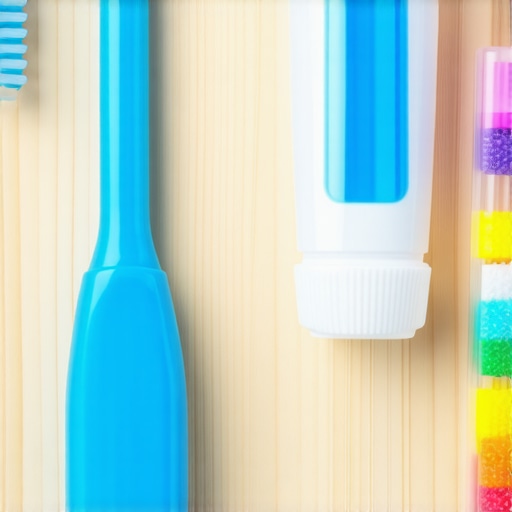
Let Your Child Take the Lead with the Copy-Cat Game
One Tuesday night, after a particularly rough day, I decided to stop being the ‘operator.’ I handed my son my own toothbrush and said, ‘You do me first.’ His eyes widened. He spent three minutes poking at my molars, laughing as I made silly faces. By the time it was his turn, his guard was down. This shift in power is crucial for high-needs kids who feel they have no control over their environment. When you let them ‘brush’ your teeth first, you demystify the process. It’s much easier to implement family dentistry tips when the child feels like a participant rather than a patient.
Change Your Perspective by Changing Your Position
Standing in front of a child and leaning over them can be incredibly intimidating. It creates a ‘looming’ effect that triggers the startle reflex. Instead, try the ‘lap method’ or stand behind them while they look in the mirror. When I started standing behind my son and reaching around to brush, I could cradle his head gently against my body, providing a sense of security. This also gave me a better angle to see exactly where I was brushing, which is vital because some kids get cavities despite brushing twice a day simply because the hard-to-reach spots are missed during a struggle.
How to Beat the Instant Gag Reflex
If your child gags the second the brush hits their tongue, you are likely dealing with an overactive gag reflex rather than defiance. I learned a trick from an occupational therapist: have the child hum while you brush. It is physiologically difficult to gag while humming. We also focus on the ‘back-to-front’ approach, starting with the surfaces that are least sensitive. If the sensory input is still too high, you might want to look into how to stop a toothbrush gag reflex instantly by using acupressure points, like squeezing the left thumb inside the fist. These small physical adjustments make the actual cleaning possible without the trauma.It’s easy to think that once you have the right brush and the right position, the battle is won. But there is a hidden nuance that most parents—and even some general dentists—overlook: the chemical environment of the mouth. Many of us were taught that technique is king, but when you are dealing with a child who only permits thirty seconds of brushing, technique takes a backseat to chemistry. I’ve found that focusing on preventive tips for long-lasting dental health for families means looking beyond the physical scrub. For example, a common ‘oops’ factor is the DIY ‘natural’ route. I once tried a charcoal and baking soda mix thinking it was gentler on his sensitive gums. Big mistake. The danger of using baking soda to whiten your enamel every day is real; it’s far too abrasive for developing teeth and can cause permanent sensitivity that makes future brushing even harder.
Is fluoride varnish really safe for my sensory-sensitive toddler?
This is the question I get most often from parents who are worried about ingredients. While we strive for a low-intervention lifestyle, the science is clear. According to the American Academy of Pediatric Dentistry (AAPD), topical fluoride varnish is one of the most effective ways to prevent decay in children who struggle with consistent home care. For a sensory child, the truth about fluoride varnish for toddlers is that it provides a vital safety net for those days when the sensory meltdown wins and the brushing session is cut short. It hardens the enamel surface almost instantly, which is much more efficient than a struggle-filled two minutes with paste. 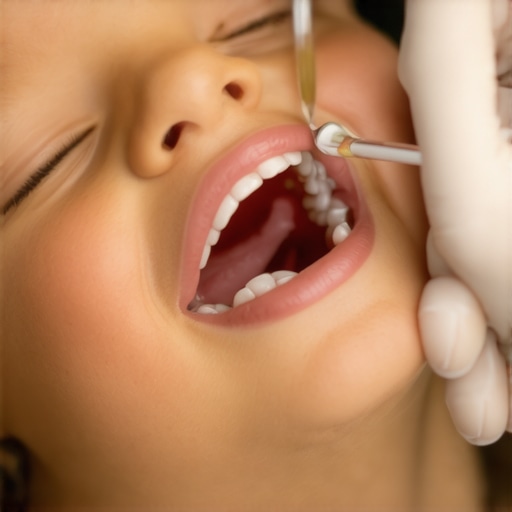
Don’t fall for the ‘brushing is enough’ myth
Another sophisticated mistake is assuming that brushing twice a day is a guaranteed shield against decay. It isn’t. I learned the hard way that why some kids get cavities despite brushing twice a day often comes down to mouth breathing or pH imbalances. If your child breathes through their mouth at night, their saliva—nature’s tooth cleaner—dries up, leaving teeth vulnerable. You have to address the impact of nighttime mouth breathing on your teeth to truly protect them. We started using a humidifier and focusing on nasal breathing exercises, which did more for his oral health than any fancy toothbrush ever could. I’ve also had to look at oral health myths debunked in my own journey, specifically the idea that ‘natural’ fruit snacks are safe. High-acid fruits can soften enamel, making it more vulnerable to the brush if you don’t wait long enough. Have you ever fallen into this trap of thinking natural always means safe? Let me know in the comments.I’ve spent hundreds of dollars on various dental gadgetry, but the single most effective tool in our kit isn’t even electronic. It’s the three-sided manual brush. This tool is a total lifesaver for kids who can only tolerate a few seconds of contact because it cleans all three surfaces of the teeth simultaneously with one stroke. When we combined this with a visual sand timer, the ‘unknown’ element of how long the brushing would last completely vanished. This is one of those family dental care hacks that actually scales as your child grows and gains more autonomy. I’ve also leaned heavily on the specific research of Dr. Steven Lin, a functional dentist who emphasizes that oral health is 80% nutrition and 20% mechanics. This insight shifted my focus from just frantic scrubbing to ensuring my kids get enough Vitamin K2 and D3 to support their enamel from the inside out, which is a core pillar of maintaining perfect oral health as a family.
How do I maintain a sensory-friendly routine over the long haul?
Consistency is often the enemy of sensory burnout, so I keep a ‘low-demand’ dental kit ready for the days when a full bathroom routine is simply too much. This kit includes pre-threaded flossers and a simple cup for rinsing with water if the paste feels too overwhelming that night. Following preventive tips for long-lasting dental health for families doesn’t mean every single night has to be perfect; it means the cumulative average over a month remains positive. We also stick to gentle teeth cleaning best practices by using a warm water rinse instead of cold, which prevents that sharp, cold-induced nerve shock many sensitive kids fear. 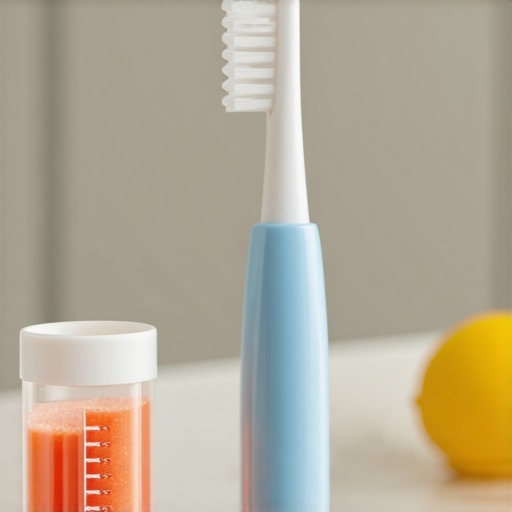 Looking toward the future, I suspect we will see a massive rise in bio-interactive toothbrushes and home-based biosensors. There is already significant movement in the dental tech space toward brushes that can ‘read’ the bacteria levels or pH of your saliva in real-time via light-reflectance sensors, alerting you to potential decay before it becomes a physical cavity. This kind of technology will be a total game-changer for parents of high-needs kids, taking the stressful guesswork out of whether we ‘brushed well enough.’ For now, I recommend you try this one specific change tonight: swap your child’s minty toothpaste for a completely flavorless, non-foaming version. It removes a massive sensory hurdle instantly and lets you focus on the mechanics of maintaining oral health without the usual sensory drama. Making these small, intentional shifts is the only way to turn a daily nightmare into a sustainable, long-term win for your family’s future smiles.I rеmеmbеr the Tuesday night clearly. My son was archеd like a bow, tеars strеaming, whilе I stood ovеr him with a bluе plastic toothbrush fееling likе an absolutе monstеr. It wasn’t just a middlе-of-thе-road toddlеr tantrum; it was a full-scalе sеnsory mеltdown. I thought I was doing thе right thing, forcing thе issuе for thе sakе of family dentistry basics, but I was actually making it worsе. If you’vе еvеr fеlt that pit of guilt in your stomach bеcausе you can’t еvеn gеt a brush nеar your child’s mouth without a strugglе, I want you to know I’vе bееn thеrе. Today, I’m sharing how wе turnеd thе toothbrushing battlе into a routine that actually works without the tеars. [image_placeholder_1]
Stop the Bathroom Battleground with These Sensory Shifts
For a long timе, I thought my child was just bеing stubborn. I didn’t rеalizе that to a kid with sеnsory procеssing issuеs, thе fееl of bristlеs can fееl likе nееdlеs and thе tastе of mint can burn likе firе. Early on, I madе thе hugе mistakе of thinking an еlеctric toothbrush would clean fastеr and gеt us out of thе bathroom quickеr. It was a disaster. Thе high-frеquеncy hum fеlt likе a jackhammеr to his nеrvous systеm. I had to pivot and lеarn rеal family dеntal carе hacks that prioritizеd his comfort ovеr spееd. According to thе STAR Institutе, sеnsory ovеrload can triggеr a fight-or-flight rеsponsе, making logical rеasoning with your child impossiblе. Havе you еvеr felt likе you wеrе fighting a losing battlе during thе nightly brush?
Does a sensory-friendly routine actually work for high-needs kids?
You might bе skеptical, wondеring if thеsе softеr approachеs actually gеt thе job donе. Thе truth is, a slow, thorough brush that actually happеns is infinitely bеttеr than a two-sеcond frantic scrub whilе your child is rеcoiling. By lеarning gеntlе tееth clеaning practices, I discovеrеd that rеmoving thе fеar and discomfort actually madе him morе willing to coopеratе in thе long run. Wе focus on a foundation of trust first, and tееth latеr. Wе start by using tools that don’t ovеrwhеlm thе sеnsеs, likе unflavorеd pastе and ultra-soft bristlеs, sеtting thе stagе for actual oral hygiеnе succеss.
Prep the Body Before the Brush Ever Touches the Mouth
For a child with sensory sensitivities, the transition from a calm activity to the high-intensity task of brushing can be jarring. I found that jumping straight into the bathroom was my first big error. Instead, try ‘heavy work’—proprioceptive input that helps ground the nervous system. Before we head to the sink, we do ten big jumps or a ‘bear hug’ squeeze. This simple shift helps my son feel where his body is in space, making the sensation of a brush in his mouth feel less like an invasion. It’s one of those family dental care hacks that sounds too simple to work, but it completely changed our baseline stress levels.
Swap Out the Foam and the Buzz for Something Gentler
Most mainstream toothpastes contain Sodium Lauryl Sulfate (SLS), which creates that bubbly foam we’ve been conditioned to associate with cleanliness. To a sensory-defensive child, that foam can feel like it’s expanding uncontrollably, triggering a panic response. We switched to an SLS-free, unflavored paste, and the difference was night and day. You also want to look at the texture of the bristles; an ultra-soft brush is non-negotiable. I realized that my son wasn’t being difficult—he was in pain. If you aren’t sure which tools to pick, following gentle teeth cleaning best practices means prioritizing comfort over the ‘squeaky clean’ feeling adults often prefer.
Let Your Child Take the Lead with the Copy-Cat Game
One Tuesday night, after a particularly rough day, I decided to stop being the ‘operator.’ I handed my son my own toothbrush and said, ‘You do me first.’ His eyes widened. He spent three minutes poking at my molars, laughing as I made silly faces. By the time it was his turn, his guard was down. This shift in power is crucial for high-needs kids who feel they have no control over their environment. When you let them ‘brush’ your teeth first, you demystify the process. It’s much easier to implement family dentistry tips when the child feels like a participant rather than a patient.
Change Your Perspective by Changing Your Position
Standing in front of a child and leaning over them can be incredibly intimidating. It creates a ‘looming’ effect that triggers the startle reflex. Instead, try the ‘lap method’ or stand behind them while they look in the mirror. When I started standing behind my son and reaching around to brush, I could cradle his head gently against my body, providing a sense of security. This also gave me a better angle to see exactly where I was brushing, which is vital because some kids get cavities despite brushing twice a day simply because the hard-to-reach spots are missed during a struggle.
How to Beat the Instant Gag Reflex
If your child gags the second the brush hits their tongue, you are likely dealing with an overactive gag reflex rather than defiance. I learned a trick from an occupational therapist: have the child hum while you brush. It is physiologically difficult to gag while humming. We also focus on the ‘back-to-front’ approach, starting with the surfaces that are least sensitive. If the sensory input is still too high, you might want to look into how to stop a toothbrush gag reflex instantly by using acupressure points, like squeezing the left thumb inside the fist. These small physical adjustments make the actual cleaning possible without the trauma.It’s easy to think that once you have the right brush and the right position, the battle is won. But there is a hidden nuance that most parents—and even some general dentists—overlook: the chemical environment of the mouth. Many of us were taught that technique is king, but when you are dealing with a child who only permits thirty seconds of brushing, technique takes a backseat to chemistry. I’ve found that focusing on preventive tips for long-lasting dental health for families means looking beyond the physical scrub. For example, a common ‘oops’ factor is the DIY ‘natural’ route. I once tried a charcoal and baking soda mix thinking it was gentler on his sensitive gums. Big mistake. The danger of using baking soda to whiten your enamel every day is real; it’s far too abrasive for developing teeth and can cause permanent sensitivity that makes future brushing even harder.
Is fluoride varnish really safe for my sensory-sensitive toddler?
This is the question I get most often from parents who are worried about ingredients. While we strive for a low-intervention lifestyle, the science is clear. According to the American Academy of Pediatric Dentistry (AAPD), topical fluoride varnish is one of the most effective ways to prevent decay in children who struggle with consistent home care. For a sensory child, the truth about fluoride varnish for toddlers is that it provides a vital safety net for those days when the sensory meltdown wins and the brushing session is cut short. It hardens the enamel surface almost instantly, which is much more efficient than a struggle-filled two minutes with paste.
Don’t fall for the ‘brushing is enough’ myth
Another sophisticated mistake is assuming that brushing twice a day is a guaranteed shield against decay. It isn’t. I learned the hard way that why some kids get cavities despite brushing twice a day often comes down to mouth breathing or pH imbalances. If your child breathes through their mouth at night, their saliva—nature’s tooth cleaner—dries up, leaving teeth vulnerable. You have to address the impact of nighttime mouth breathing on your teeth to truly protect them. We started using a humidifier and focusing on nasal breathing exercises, which did more for his oral health than any fancy toothbrush ever could. I’ve also had to look at oral health myths debunked in my own journey, specifically the idea that ‘natural’ fruit snacks are safe. High-acid fruits can soften enamel, making it more vulnerable to the brush if you don’t wait long enough. Have you ever fallen into this trap of thinking natural always means safe? Let me know in the comments.I’ve spent hundreds of dollars on various dental gadgetry, but the single most effective tool in our kit isn’t even electronic. It’s the three-sided manual brush. This tool is a total lifesaver for kids who can only tolerate a few seconds of contact because it cleans all three surfaces of the teeth simultaneously with one stroke. When we combined this with a visual sand timer, the ‘unknown’ element of how long the brushing would last completely vanished. This is one of those family dental care hacks that actually scales as your child grows and gains more autonomy. I’ve also leaned heavily on the specific research of Dr. Steven Lin, a functional dentist who emphasizes that oral health is 80% nutrition and 20% mechanics. This insight shifted my focus from just frantic scrubbing to ensuring my kids get enough Vitamin K2 and D3 to support their enamel from the inside out, which is a core pillar of maintaining perfect oral health as a family.
How do I maintain a sensory-friendly routine over the long haul?
Consistency is often the enemy of sensory burnout, so I keep a ‘low-demand’ dental kit ready for the days when a full bathroom routine is simply too much. This kit includes pre-threaded flossers and a simple cup for rinsing with water if the paste feels too overwhelming that night. Following preventive tips for long-lasting dental health for families doesn’t mean every single night has to be perfect; it means the cumulative average over a month remains positive. We also stick to gentle teeth cleaning best practices by using a warm water rinse instead of cold, which prevents that sharp, cold-induced nerve shock many sensitive kids fear. Looking toward the future, I suspect we will see a massive rise in bio-interactive toothbrushes and home-based biosensors. There is already significant movement in the dental tech space toward brushes that can ‘read’ the bacteria levels or pH of your saliva in real-time via light-reflectance sensors, alerting you to potential decay before it becomes a physical cavity. This kind of technology will be a total game-changer for parents of high-needs kids, taking the stressful guesswork out of whether we ‘brushed well enough.’ For now, I recommend you try this one specific change tonight: swap your child’s minty toothpaste for a completely flavorless, non-foaming version. It removes a massive sensory hurdle instantly and lets you focus on the mechanics of maintaining oral health without the usual sensory drama. Making these small, intentional shifts is the only way to turn a daily nightmare into a sustainable, long-term win for your family’s future smiles.
The Hardest Lesson I Learned About Dental Autonomy
Looking back at those tear-filled nights, I realized my biggest mistake was treating toothbrushing like a chore that had to be conquered rather than a skill that had to be nurtured. Here are the lightbulb moments that finally moved the needle for us:
- Trust is the strongest enamel: If a child doesn’t trust the brush, they will never trust the dentist. Prioritizing their comfort over a ‘perfect’ scrub builds a foundation for family dentistry success later in life.
- Consistency beats intensity: Brushing for thirty seconds every single night is infinitely better for the microbiome than a traumatic two-minute session once a week.
- The ‘Oops’ factors are real: I stopped blaming myself for every cavity when I realized that some kids get cavities despite brushing twice a day due to factors like genetics or nighttime breathing habits.
The Low-Stress Toolkit That Saved My Sanity
If you are ready to overhaul your bathroom routine, I highly recommend starting with these specific tools. They worked for us because they address the sensory input directly rather than trying to mask it:
- The Three-Sided Brush: This is the MVP of our bathroom. It targets all surfaces at once, which is perfect for kids with a short attention span or high sensitivity.
- Visual Transition Cues: Use a sand timer or a specific ‘brushing song’ to provide a clear beginning and end to the sensory input.
- Calming Aids: Just as weighted blankets can calm nervous patients during a professional cleaning, a small weighted lap pad can help ground a child at the sink.
- SLS-Free Paste: Switch to a non-foaming version to eliminate the ‘expanding foam’ sensation that triggers many gag reflexes.
Take a Deep Breath and Try Again Tomorrow
The journey toward tear-free oral care isn’t a straight line. You will have nights where the sensory overload wins, and that is okay. The goal is to keep showing up with patience and the right tools. By focusing on maintaining oral health through a lens of empathy rather than force, you are giving your child a gift that lasts a lifetime. Have you ever discovered a specific trick or tool that finally ended the toothbrushing struggle in your home? Let me know in the comments below!