
I was sitting on my back porch last July, enjoying a tall glass of iced tea, when it happened. A single ice cube clinked against my back-left molar, and it felt like a jagged lightning bolt had just been driven into my jawbone. I didn’t just flinch; I dropped the glass. My neighbors probably thought I’d seen a ghost, but it was just a ‘zinger’ so sharp it made my eyes water. For weeks after, I lived in fear of anything cooler than room temperature. I even started drinking lukewarm coffee, which, if you know me, is practically a sin. My biggest mistake early on was assuming this was just ‘sensitive teeth’ that I could fix with a random tube of desensitizing paste. I spent money on every brand on the shelf, hoping for a miracle, but that one tooth kept screaming. It turns out, when the pain is localized to just one spot, your mouth is trying to tell you a very specific story about its health. Today, we’re going to stop the guesswork and figure out exactly how to quiet that nerve for good. Have you ever had to choose between a refreshing drink and a pain-free afternoon?
Stop Fearful Sipping and Reclaim Your Cold Drinks
That sharp, localized ‘throb’ is usually a sign that the protective barrier of your tooth has been compromised. Whether it’s a microscopic crack or a bit of recession, the goal is to seal those pathways to the nerve. If you’ve been maintaining oral health with regular brushing but still feel that zap, it’s frustrating. I remember thinking I was doing everything right, yet I couldn’t even enjoy a popsicle with my kids. According to the American Association of Endodontists, localized sensitivity can often stem from ‘reversible pulpitis,’ where the nerve is irritated but not yet dying. This is actually good news because it means we can often reverse the damage before it turns into a dental emergency.
Is This Really Fixable Without a Full Root Canal?
This is the question that kept me up at night while I was nursing my sore jaw. I was terrified that a single zap meant I was headed for the chair for a three-hour procedure. The truth is, knowing the difference between a root canal and a standard filling—or even just a simple bonding treatment—can save you a lot of anxiety. Often, that ‘lightning bolt’ is just the result of a receding gum line exposing a tiny bit of the tooth root. We don’t always need the ‘big guns’ of dentistry to get back to enjoying our favorite treats. Let’s look at why that specific nerve is so grumpy and the simple steps you can take at home and with your dentist to fix it.
Find the Source Before You Treat the Symptom
To stop that lightning bolt of pain, we have to play detective. Not all tooth pain is created equal. If the pain happens specifically when you bite down, you might be looking at a structural fracture rather than just a sensitivity issue. Knowing the difference between a cracked tooth and a craze line is essential because one is a dental emergency while the other is mostly a cosmetic concern. However, if the pain is strictly temperature-triggered, the culprit is usually exposed dentin. Think of your enamel as the hard, protective shell of an egg and the dentin underneath as a porous, sensitive sponge. When that sponge is exposed due to wear or gum recession, cold travels through microscopic tunnels called tubules directly to your nerve. Identifying if the pain is at the gum line or on the chewing surface dictates whether you need a simple sealant or a more involved repair.
Stop Treating Your Toothbrush Like a Scrubber
I used to think that the harder I brushed, the cleaner my teeth would be. I would buy “firm” bristles and go to town like I was scrubbing a grout line in the shower. This was my biggest mistake. Within a year, I had literally sanded down my gum tissue, exposing the yellowed, sensitive roots underneath. Choosing the best toothbrush texture for people with receding gums—which is always soft or extra-soft—is the first mandatory step to stopping the damage. If you have already lost some gum height, you must be extremely careful with cosmetic products. For instance, finding the safest way to whiten teeth if you have a receding gum line is vital because traditional whitening gels can seep into those exposed pores and cause agonizing waves of pain. Switch to a circular, massaging motion rather than a horizontal sawing motion to keep your remaining enamel intact.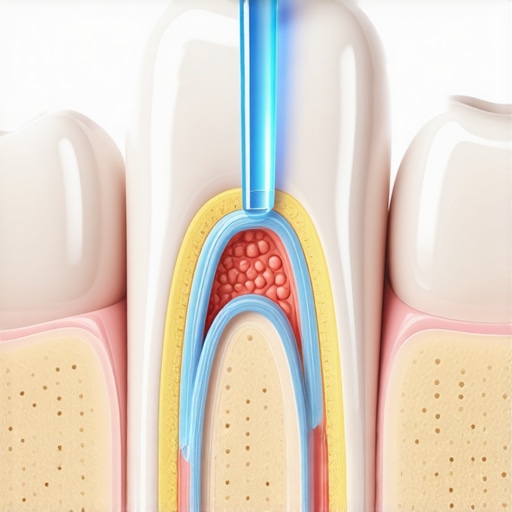
Seal the Microscopic Tunnels to Your Nerve
Once the dentin is exposed, you need to physically plug those microscopic tunnels. At home, this means using a toothpaste containing potassium nitrate or stannous fluoride, but here is the trick I learned from my own dental hygienist: do not just brush and rinse. Smear a pea-sized amount of the desensitizing paste directly onto the sensitive spot with your finger before bed and leave it there overnight. This gives the minerals time to actually settle into the tubules. If the home method does not cut it after two weeks, professional intervention is the next move. Understanding how regular teeth cleaning can prevent major dental issues is key here; during a visit, a dentist can apply a medical-grade fluoride varnish that is far more concentrated than store-bought options. For deeper wear, they might use a tooth-colored resin bonding to create an artificial layer of enamel that blocks the cold entirely.
Watch Out for the Hidden Acids in Your Kitchen
While you are working on sealing the tooth, you must stop the acid “rain” that is melting your progress. I used to drink hot lemon water every morning because I heard it was a great “health hack.” In reality, I was giving my teeth an acid bath right before brushing—which is the worst possible time to brush because the enamel is temporarily softened. Instead of reaching for acidic triggers, focus on the high calcium snacks that strengthen enamel naturally, such as yogurt or hard cheeses, which help neutralize mouth acid and provide the building blocks for remineralization. If you are worried about the discomfort of a professional check-up, ask your provider about gentle teeth cleaning best practices for sensitive gums, which often includes using lukewarm water and specialized tools to ensure you do not feel a single zap during the process.We often think that a blindingly white smile is the pinnacle of health, but the contrarian truth is that the obsession with ‘Arctic White’ is often what causes that lightning-bolt pain in the first place. In reality, oral health myths debunked in recent years show us that the natural ivory hue of your dentin is a sign of thick, protective structure. When we over-bleach, we are essentially stripping the insulation off our house and wondering why it feels chilly inside. I have seen countless people chase cosmetic dentistry trends that prioritize shade over enamel integrity, only to end up with chronic ‘zingers’ that never go away. A study published in the Journal of Dentistry highlights that excessive high-concentration whitening can significantly decrease enamel microhardness, making your teeth more susceptible to the very temperature changes you are trying to avoid.
White Teeth Aren’t Always the Strongest Teeth
Most people assume that if their teeth look bright, they must be healthy. This is a dangerous trap. You can have a perfectly white smile and still be suffering from ‘invisible’ erosion. If you are using whitening strips or charcoal pastes and then feeling a sharp pain when you drink water, you have likely created a porous surface that is screaming for remineralization. Instead of focusing solely on the shade, we need to focus on maintaining oral health by reinforcing the enamel. If you must whiten, you need to understand the science behind teeth whitening to ensure you are not dissolving your protection in the process.
Why Does My Professional Cosmetic Work Still Feel Sensitive Months Later?
This is a sophisticated question I get from patients who have already invested in their smiles. Sometimes, the pain isn’t from the tooth itself, but from a subtle bonding error where the resin hasn’t perfectly sealed the margins. When there is a microscopic gap between the cosmetic material and your natural tooth, fluid can move in and out, triggering the nerve every time you chew or sip. This is why enhancing confidence with cosmetic dentistry requires a high level of precision; it is not just about the look, but about the hydraulic seal. If your ‘new’ smile hurts, it might not be a sensitivity issue at all, but a structural one that needs a quick professional adjustment. 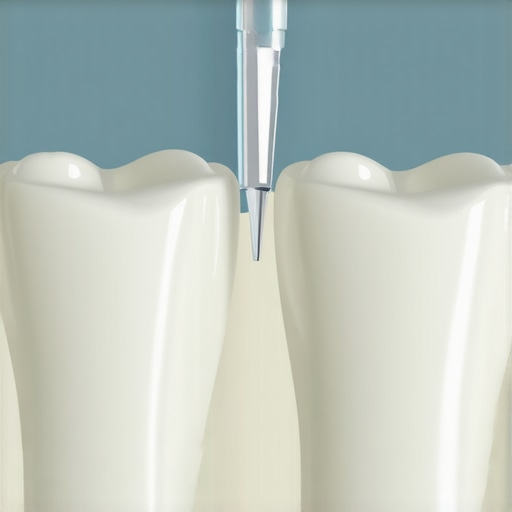
The DIY Whitening Trap That Ruins Enamel
The biggest ‘oops’ factor I see today involves home remedies that sound natural but are actually destructive. For example, the danger of using baking soda to whiten your enamel every day cannot be overstated. It is far too abrasive for daily use and acts like sandpaper on your teeth. You might get a temporary brightness, but you are literally scrubbing away the ‘plugs’ that keep your nerves quiet. If you want a bright smile without the agony, you should look into teeth cleaning secrets that use polishing agents rather than scouring agents. Remember, once enamel is gone, it does not grow back; you can only protect what you have left. Have you ever fallen into the trap of using a ‘natural’ whitener only to end up with more pain? Let me know in the comments below, and let’s figure out how to get your comfort back. If you are ready to stop the guesswork, you can always contact us to schedule a professional evaluation that treats the cause, not just the symptom.Once you have managed to quiet those ‘zingers’ and repair the initial damage, the game changes from rescue to maintenance. I realized that my previous approach was like washing a car with steel wool; I was getting it clean, but I was destroying the finish. To keep your smile functional and pain-free, you need to think like a dental professional at home. This isn’t just about brushing; it’s about using the right force and technology to prevent the need for future interventions.
The Two Gadgets That Actually Saved My Enamel
After years of trial and error, I’ve narrowed my kit down to two non-negotiables. First is an electric toothbrush with a built-in pressure sensor. I personally use the Oral-B iO series because it flashes red when I’m pressing too hard—a habit that originally caused my recession. This tool is vital for family dentistry tips that make oral care effortless and effective because it takes the guesswork out of technique. The second is a water flosser. A study in the Journal of Clinical Periodontology found that water flossing can be significantly more effective than string floss for reducing gingival bleeding. For me, it was a game-changer because it allows for gentle teeth cleaning best practices for sensitive gums, flushing out bacteria from the pockets without the mechanical trauma of traditional floss. 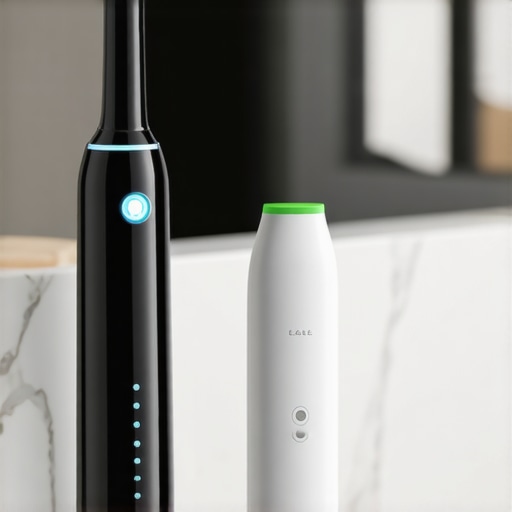
Scale Your Results Without Breaking the Bank
Maintaining a healthy mouth is ultimately about consistency, not intensity. I’ve found that how regular dental cleanings can save you money in the long run is a lesson best learned early. If you treat your bi-annual check-up as an ‘optional’ appointment, you are essentially waiting for a problem to become expensive enough to notice. In my household, we use family dental care hacks to keep your kids smiling daily, such as disclosing tablets that show the kids exactly where they missed a spot. It turns a chore into a game and ensures that the preventive tips for long-lasting dental health for families actually stick.
How do I maintain my dental results over time?
The secret is a ‘low-acid’ lifestyle coupled with remineralization. Beyond the tools, you have to look at the environment of your mouth. I’ve started using a Nano-Hydroxyapatite (nHAp) toothpaste. While fluoride is the gold standard, nHAp is what our teeth are actually made of. It works by filling in those microscopic tubules I mentioned earlier, essentially ‘replating’ your teeth every time you brush. This is one of the most revolutionary teeth cleaning techniques for 2025 that I expect to see go mainstream very soon. Looking forward, I predict we will see more AI-integrated toothbrushes that can detect the chemical composition of your saliva to warn you about rising acidity levels before a cavity even forms. If you really want to level up, try swapping your morning coffee for a less acidic cold brew or use a straw to bypass your front teeth entirely. Give the ‘nighttime smear’ technique with a desensitizing paste a try tonight—it’s the fastest way to see an immediate difference in your comfort levels.
What My Dentists Never Mentioned About Long-Term Comfort
Reflecting on my journey from dropping ice-tea glasses to enjoying frozen yogurt, I realized that the biggest hurdle was my mindset. I used to think dental health was about scrubbing and bleaching when it is actually about buffing and nourishing. One major lightbulb moment was learning about the one nutrient most people lack for healthy tooth enamel, which is often vitamin K2 or D3—it is not just about the paste you use, but the fuel you give your body. I also had to unlearn several oral health myths busted by modern science, specifically the idea that hard brushing is better brushing. Finally, consistency beats intensity every single time; five minutes of gentle care is worth more than an hour of aggressive repair once the damage is done.
The Kit That Keeps My Zingers at Bay
If you want to replicate my results, you need a specialized toolkit. I swear by Nano-Hydroxyapatite toothpaste which acts like liquid enamel to fill in those painful gaps. I also highly recommend checking out the ultimate guide to teeth cleaning techniques and benefits to ensure you are not accidentally wearing down your own protection. Avoid DIY trends that promise instant results, as the one mistake people make when trying to whiten gray teeth is often using harsh abrasives that expose the nerve even further. Stick to pH-balanced rinses and soft-bristle sensors to keep your progress on track.#IMAGE_PLACEHOLDER_E#
Reclaim the Joy of a Cold Drink
The path to a pain-free smile does not have to be paved with expensive surgeries or complex procedures. By shifting your focus toward maintaining oral health through gentle habits and mineral-rich protection, you can finally stop fearing the ice bucket. You deserve to enjoy a summer afternoon without bracing for a lightning bolt in your jaw. If you are still feeling that sharp zap despite your best efforts, it might be time for a professional set of eyes to find the hidden cause. Don’t wait until the pain keeps you up at night; contact us today and let us get you back to sipping with confidence. Have you ever tried the ‘nighttime smear’ technique for sensitivity, or did you find another trick that worked for you? Let me know in the comments below!