
I used to think my coffee was the enemy. Every single morning, like clockwork, a dull throb would start at my temples and wrap around my skull like a tightening vice. I tried everything—expensive ergonomic pillows, cutting out caffeine, even those fancy blue-light glasses. Nothing worked. Then, during a routine checkup, my dentist asked, ‘Have you noticed how much you’re wearing down your back teeth?’ That was my lightbulb moment. It turns out, I wasn’t just ‘stressed’; I was quite literally grinding my way into a daily migraine. Today, I’m going to show you how to identify if your teeth are the secret source of your head pain and what you can do to finally wake up refreshed. [IMAGE_PLACEHOLDER]
Why I spent years blaming my coffee for my daily headaches
For the longest time, I assumed my migraines were just a ‘part of life.’ I made a classic mistake early on: I treated the symptoms instead of the source. I spent a small fortune on high-end neck massagers and heavy-duty painkillers, thinking my posture was the culprit. The truth is, the human jaw can exert incredible pressure—sometimes up to 250 pounds—and when you do that all night long, your facial muscles never get a break. This tension travels straight up the trigeminal nerve and manifests as a pounding headache. I learned the hard way that the connection between stress and your worn down molars is much tighter than most people realize. If you’ve ever noticed that your jaw clicks every time you chew hard foods, you’re likely already dealing with the structural fallout of bruxism. According to the American Migraine Foundation, nearly half of regular migraine sufferers also experience symptoms related to jaw dysfunction.
Is this really just stress or is something more serious happening?
You might be skeptical. ‘Surely a little teeth grinding can’t cause this level of debilitating pain?’ I thought the same thing. But when you consider that the temporomandibular joint is one of the most used and complex joints in your body, it makes perfect sense. I used to ignore the slight soreness in my cheeks, thinking it was just from a long day of talking or a tough workout. That was my second error—ignoring the subtle signals until they became a roar. This isn’t just an adult problem either; many parents are searching for how to get your child to stop grinding their teeth at night because these patterns often set in during childhood. Have you ever woken up feeling like you’ve been in a boxing match with your own pillow? It’s a miserable way to start the day, and it’s exactly the cycle we are going to break today by looking at how your bite dictates your brain’s comfort.
How to tell if your jaw is actually the problem
Stop what you are doing and try the three-finger test. Open your mouth and see if you can vertically fit three fingers between your upper and lower teeth. When I first tried this, I could barely squeeze in two. My muscles were so tight they had literally shortened their range of motion. If you feel a sharp pinch or if your jaw clicks every time you chew hard foods, you are likely dealing with inflammation in the temporomandibular joint. Think of your jaw like a hinge on a door; if the hinge is bent, the whole door won’t close right, and eventually, the frame starts to crack.
Look for the flat spots on your molars
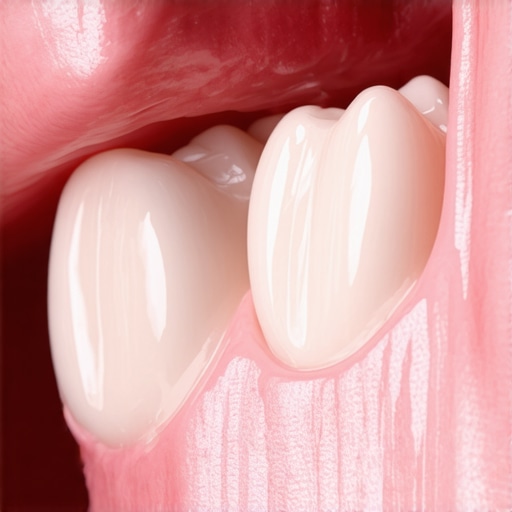
Grab a flashlight and a mirror. Healthy teeth have natural ridges and valleys, almost like a mountain range. When you grind, you level those mountains until they look like flat plateaus. I remember looking at my back molars and realizing they looked like they’d been sanded down with a power tool. This isn’t just a cosmetic issue; it’s a structural failure. You might also notice vertical lines on your front teeth. Knowing the difference between a cracked tooth and a craze line is vital here—craze lines are often just in the enamel, but they are a massive red flag that your bite force is off the charts.
The three-step plan to save your enamel and your sanity
Once you’ve confirmed the damage, you can’t just ‘try to relax.’ Trust me, I tried that for six months and all I got was more headaches. You need a physical barrier that prevents the teeth from locking together.
Get a custom guard that actually fits
Don’t fall for the ‘boil and bite’ kits at the pharmacy. I made that mistake once. I woke up with my teeth feeling loose because the bulky plastic forced my jaw into an unnatural position. A real night guard is custom-molded to your bite, acting like a shock absorber for a car. It distributes that 250 pounds of pressure so your muscles can finally go slack. It’s one of the most important family dentistry tips that make oral care effortless and effective. When I finally got my professional guard, the ‘tight vice’ feeling around my head vanished within three nights.
Why regular cleanings change the game
You might think a cleaning is just about scraping off plaque, but it’s actually a diagnostic session. Your dentist can see the early signs of wear before you ever feel a headache. I learned that how regular teeth cleaning can prevent major dental issues is by catching ‘high spots’ in your fillings. If a filling is even a fraction of a millimeter too high, your jaw will subconsciously try to grind it down, triggering a migraine.
Boost your enamel strength naturally
While you fix the mechanical issue, you have to reinforce the dental structure. I started focusing on my diet, specifically looking for the one nutrient most people lack for healthy tooth enamel. Stronger enamel resists the friction of grinding much better than brittle, demineralized teeth. It’s like upgrading your car’s brakes; you want the best materials possible when the pressure is on.
We tend to treat our teeth like kitchen tiles—if they aren’t sparkling white, we assume they need more scrubbing. This is a massive mistake. In my experience, the ‘oops’ factor that ruins most recovery plans is over-cleaning. When you have already thinned your enamel through grinding, using abrasive ‘whitening’ toothpastes is like taking sandpaper to a silk sheet. It’s one of the biggest oral health myths debunked what you need to know in 2025. You aren’t just removing stains; you are stripping the very shield your teeth need to survive the night. Most people focus on the aesthetic, but the hidden nuance is that highly abrasive products can actually make your teeth look darker over time by exposing the yellow dentin underneath.
Why does your jaw feel tighter after a simple filling?
I’ve seen this advanced complication happen dozens of times: a patient gets a small cavity fixed, and suddenly their morning headaches spike. This happens because the new material might be just a few microns too tall. Your brain detects this ‘high spot’ and tries to grind it down while you sleep. Understanding why your new filling feels high and how we adjust the bite is crucial because it’s not just about the tooth—it’s about the neurological feedback loop it triggers. According to a study in the Journal of Prosthetic Dentistry, even a 20-micron interference—thinner than a human hair—can disrupt your masticatory muscle harmony. This is where how regular teeth cleaning can prevent major dental issues turns into a structural audit. If your dentist isn’t checking your bite balance during a routine cleaning, you’re missing half the benefit. Furthermore, we often overlook the impact of nighttime mouth breathing on your teeth. A dry mouth lacks the protective minerals in saliva, meaning every grind is bone-on-bone with no biological lubrication. Have you ever fallen into this trap of fixing the color while ignoring the structure? Let me know in the comments.
I personally believe that the magic of a healthy mouth isn’t found in a five-hundred-dollar whitening kit but in the mundane tools you use every single morning. When I finally stopped treating my oral care like a chore and started treating it like high-performance maintenance, my entire perspective shifted. I swapped my old manual brush for an electric model that features a visible pressure sensor. Why? Because I realized I was scrubbing my gums away in my desperate attempt to be clean. If you are looking for teeth cleaning secrets achieve a bright smile in under 30 minutes, it actually starts with letting the motor do the work for you. I also added a water flosser to my nightly routine to reach the areas where my night guard might trap bacteria. If you have a history of gum sensitivity, gentle teeth cleaning best practices for sensitive gums suggest that these hydro-mechanical tools are far less traumatic than aggressive string flossing. I also became obsessed with the RDA scale, or Relative Dentin Abrasion. Most people don’t know that many popular stain-removing pastes have an RDA score over 150, which is essentially liquid sandpaper for your teeth. According to the ISO 11609 standard, which dictates the safety requirements for dentifrices, anything over a certain threshold can cause permanent damage to your enamel over time. This is the one mistake people make when trying to whiten gray teeth—they wear down the white enamel until the yellow dentin underneath is all that remains. 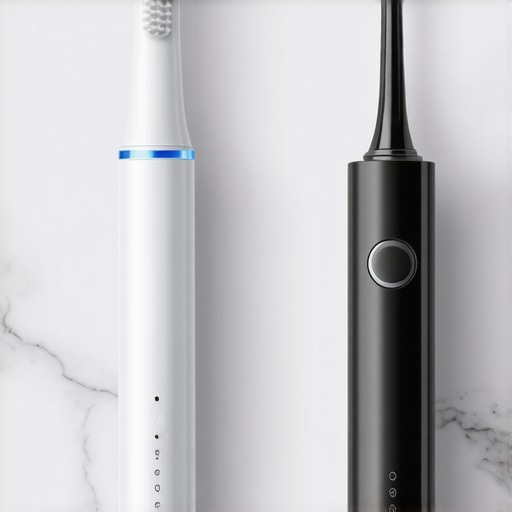
How do I maintain my oral health and jaw stability over time?
The secret to maintaining oral health expert advice for a lifetime of healthy teeth is consistency with the big three: a custom-fitted night guard, interdental cleaning, and structural checkups. I found that preventive tips for long-lasting dental health for families often get ignored because they aren’t flashy or exciting. But think of it this way: how regular dental cleanings can save you money in the long run is simple math. A hundred-dollar cleaning catches a two-thousand-dollar structural failure before it ever needs a drill. I’ve also started watching cosmetic dentistry innovations you cant miss this year very closely. We are moving toward a world where oral health is fully integrated with our wearable tech. In the next few years, I predict we will see bio-compatible smart night guards that track your clenching force and send real-time data directly to your phone. We’re already seeing cosmetic dentistry trends that transform your smile this year shift away from artificial whites toward biomimetic restorations that bond at a molecular level to your natural tooth. Check your toothpaste box right now for the RDA value or look it up online. If it’s high-abrasion, toss it and switch to a remineralizing paste instead. Your future self will thank you for keeping that enamel thick.
What I finally realized after 500 mornings of muscle pain
Looking back, the biggest ‘aha’ moment wasn’t when I got my night guard, but when I realized that oral health is a dynamic system, not a static state. I used to think of my teeth as rocks that just sat there, but they are more like the shocks on a car—they handle vibration, pressure, and wear every single second. One thing that really stuck with me was learning that top 5 secrets to maintaining perfect oral health as a family often come down to simple mechanical awareness. If you don’t realize you’re clenching during the day while you work, you’re setting yourself up for a disaster at night. I also learned that you can’t out-brush a bad bite. I was obsessed with teeth cleaning, but no amount of scrubbing could stop the structural damage from my jaw misalignment. It took a shift in mindset to see my dentist as a structural engineer for my face rather than just a ‘tooth cleaner.’
The three tools that saved my smile from the daily grind
I don’t believe in hoarding gear, but these three items changed my life. First, a medical-grade, custom-molded night guard is non-negotiable. Second, I switched to an electric brush that vibrates at a specific frequency to break up biofilm without eroding my gums; you can find more on this in smile bright revolutionary teeth cleaning techniques for 2025. Finally, I incorporated a remineralizing rinse that essentially ‘feeds’ my enamel the ions it loses during a night of friction. If you’re looking for teeth cleaning secrets achieve a bright smile in under 30 minutes, the secret is actually efficiency and the right tools, not raw power. These choices move you away from just surviving and toward the realm of cosmetic dentistry where you are actually enhancing confidence with cosmetic dentistry what to expect because your smile feels as good as it looks.
Your path to a morning without a pounding headache
You don’t have to accept a tight jaw as your baseline. By identifying the wear patterns early and protecting your structural integrity, you are investing in decades of pain-free mornings. Your oral health journey is uniquely yours, but the principles of protection and prevention are universal. Stop blaming the coffee and start looking at the hinge. Have you ever woken up with sore cheeks or a mysterious headache? Let’s talk about it in the comments below.