
I was sitting in a crowded bistro last summer, trying to look sophisticated while tackling a particularly crusty piece of sourdough, when it happened. Pop. It wasn’t a small sound; it was the kind of rhythmic thud that felt like a tiny drum was being played inside my skull. My date actually paused mid-sentence and stared at my cheek. I laughed it off, but inside, I was mortified. For years, I just assumed my jaw was ‘built different’ or that I had just reached that age where everything starts to creak. I spent far too long ignoring the warning signs, hoping that if I just chewed on the left side of my mouth forever, the problem would vanish. Spoiler alert: it didn’t. [image_placeholder_1]
Stop Ignoring the Snap, Crackle, and Pop in Your Face
I used to think a clicking jaw was just a quirky personality trait. I even made the massive mistake of trying to ‘pop’ it on purpose, thinking I could reset the joint like a dislocated finger. That was a huge error in judgment that only made the inflammation worse. Today, we are going to get to the bottom of why your temporomandibular joint is acting like a rebellious teenager. We’ll look at the mechanics of what’s happening when you bite down on that apple and, more importantly, how you can find relief without immediately jumping to the most extreme conclusions. It is all about maintaining oral health through a better understanding of how your body works.
Does this clicking always mean I need expensive surgery?
Most people I talk to are terrified that a little noise in their jaw is the first step toward a $20,000 operation. It’s a common fear, but the reality is much more manageable for most of us. According to the National Institute of Dental and Craniofacial Research, between 5% and 12% of adults experience TMJ disorders, yet many find relief through simple habit changes rather than invasive procedures. We often forget how much stress affects your teeth and jaw alignment. Have you ever noticed that your jaw clicks more after a particularly stressful day at the office or when you haven’t slept well? I’ve found that by oral health myths debunked, we can start to see that our bodies are usually just asking for a little bit of care and attention. I want to know: have you ever had to stop eating a favorite food just because the clicking became too loud or painful? Drop a comment because I’ve been there, and I promise there’s a better way to live than just avoiding crusty bread for the rest of your life.
Re-train Your Jaw with This Simple Movement
You have to treat your jaw joint like a high-performance engine that has been running on low oil. If you keep pushing it without maintenance, it is eventually going to seize up. The first thing I had to learn was not a complex surgery; it was simply how to rest. Most of us walk around with our teeth clenched like we are bracing for a physical impact. This constant pressure is the primary driver behind that annoying pop. I used to spend my entire workday with my teeth locked together, not even realizing it until the dull ache set in at 5 PM. Learning to consciously disengage those muscles is the most direct path to silence.
Master the N Position for Instant Muscle Relief
A great way to break the clenching habit is the ‘N’ position. Simply place the tip of your tongue on the roof of your mouth, right behind your front teeth—exactly where it rests when you say the letter ‘N’. This naturally forces your teeth apart and relaxes the surrounding muscles. It sounds almost too simple to work, but doing this for five minutes every hour completely changed my internal tension levels. It is one of those preventive tips for long-lasting dental health for families that does not cost a dime but saves your joints from unnecessary wear. 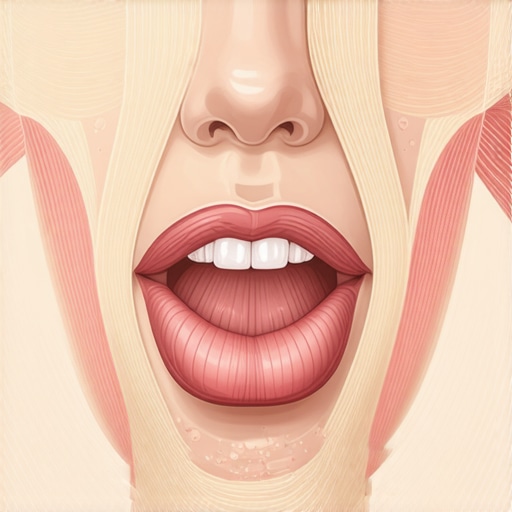
Ditch the Chewy Foods and Embrace a Soft Diet
Your jaw is currently inflamed, so stop asking it to do heavy lifting. I learned this the hard way after trying to ‘power through’ a thick steak dinner during a flare-up. Think of your jaw like a sprained ankle; you would not go for a sprint on a sprained ankle, so do not force your jaw to grind through crunchy, chewy, or oversized foods while it is clicking. Switching to a soft diet—think smoothies, scrambled eggs, and pasta—for just two weeks can give the ligaments and the articular disc time to settle back into place. This is not just about temporary comfort; it is about maintaining oral health by preventing permanent structural damage. If you are also dealing with nighttime grinding, remember the connection between stress and your worn-down molars, which often requires a more holistic approach to relaxation.
Why Professional Night Guards Beat the DIY Options
I once thought I could save a few hundred dollars by grabbing a generic ‘boil and bite’ night guard from a local pharmacy. It was a total disaster. The guard was so bulky it felt like sleeping with a hockey puck in my mouth, and it actually shifted my bite so much that the clicking turned into a sharp, stabbing pain by morning. An improperly fitted guard can actually increase the force your muscles use to clench because your brain perceives a foreign object. That is why how regular dental cleanings can save you money in the long run is a philosophy that extends to your equipment; a custom-fit guard is an investment in your joint’s future. Professional guards are slim and specifically balanced to your unique bite, which is a cornerstone of family dentistry building a foundation of healthy smiles for all ages. Getting it right the first time avoids the ‘bulldozer effect’ that generic guards can have on your teeth alignment.
Balance Your Bite with Modern Dental Tweaks
Sometimes the clicking is not just a habit; it is a mechanical misalignment. If your teeth do not meet correctly, your jaw has to physically shift to the side every time you close your mouth. This is where transform your smile the impact of cosmetic dentistry in 2025 can actually be a functional solution rather than just an aesthetic one. Small adjustments, like smoothing down a high filling or using subtle bonding, can bring everything back into harmony. I saw this firsthand when a friend had a single crown replaced that was just a millimeter too high. Once the bite was recalibrated, the years of clicking vanished because the joint was no longer being pulled out of its socket at every meal.
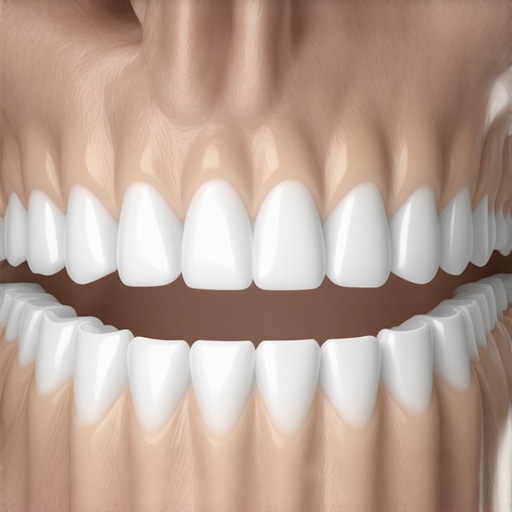
But here is the nuanced truth that many practitioners gloss over: a ‘perfect’ smile on paper doesn’t always equal a comfortable jaw. There is a massive difference between teeth that look straight and teeth that function in harmony with your joints. This is a common point of confusion when discussing transform your smile the impact of cosmetic dentistry in 2025. If you focus only on the visual alignment—shoving teeth into a straight line without considering where the jaw naturally wants to rest—you might actually trap your joint in a position it hates. This leads to a persistent, dull ache that no amount of Ibuprofen can fully quench.
Can a tiny bonding error really throw off your entire jaw?
It absolutely can. In the world of advanced dentistry, we talk about ‘microns’—which are thousandths of a millimeter. If a clinician makes the subtle bonding error that makes your smile look artificial, they aren’t just messing with your aesthetics; they might be creating what we call a ‘high spot.’ This tiny mountain on your tooth forces your jaw to deviate or shift every single time you chew. According to a study published in the Journal of Oral Rehabilitation, even these minute occlusal interferences can trigger neuromuscular adaptations that lead to chronic clicking, muscle fatigue, and headaches. Most people assume they need a full mouth reconstruction or surgery when, in reality, they might just need a tiny adjustment to a single tooth surface to restore harmony.
Avoid the Dangerous DIY Trap
One of the biggest mistakes I see people make today is trying to fix their own alignment or clicking issues with mail-order orthodontic trays. I cannot stress this enough: the truth about diy clear aligner kits and permanent root damage is a sobering reality for many. When you move teeth without a doctor physically checking how those teeth meet in the back, you are essentially playing Russian roulette with your TMJ. You might end up with a straight front row of teeth, but if your molars are driving your jaw joint into the back of your skull because the bite was never balanced, the clicking will turn into a permanent disability. It is an ‘oops’ moment that can cost ten times more to correct than doing it right the first time.
Look Beyond the Teeth for Real Relief
Another hidden factor often ignored is the impact of nighttime mouth breathing on your teeth and jaw position. If your mouth is open all night, your jaw muscles never get the chance to relax or recover. This leaves the joint vulnerable to inflammation the moment you start your morning coffee. We have to look past the surface-level oral health myths debunked and realize that the jaw is a complex biological hinge, not just a row of white pickets. Real relief comes from understanding the mechanics of how you sleep, breathe, and bite. Have you ever fallen into the trap of thinking a quick cosmetic fix would solve a functional pain? Let me know in the comments because your experience could help someone else avoid a very expensive mistake.
For the longest time, dentists relied on a little piece of blue carbon paper to check if your bite was ‘off.’ You would bite down, they would look for the dark spots, and they would start drilling. But that paper only tells us where the teeth touch, not how hard or in what order. This is why I personally swear by the T-Scan system. It is a digital sensor that maps out exactly how much pressure every single tooth is taking in real-time. If you have ever wondered why your new filling feels high and how we adjust the bite, this is the technology that answers it with surgical precision. It is the difference between guessing where the pain is and seeing it on a 3D graph. Dr. Robert Kerstein, a pioneer in computer-guided occlusal analysis, has demonstrated that balancing the bite using digital data can reduce muscle activity and stop that clicking sound almost instantly by achieving what he calls Disclusive Time Reduction (DTR).
How do I keep my jaw and teeth in perfect sync long-term?
It is not just about the high-tech equipment in the office; it is about the routine habits you maintain at home. I tell all my patients that maintaining oral health is a marathon, not a sprint. You need to be proactive about how regular dental cleanings can save you money in the long run. When tartar builds up around the back molars, it can subtly change how you close your mouth. You might not feel a single millimeter of difference, but your jaw joint certainly does. I use a high-end electric brush with a built-in pressure sensor—not just to protect my gums, but to ensure I am not pushing my teeth out of alignment over years of aggressive scrubbing. 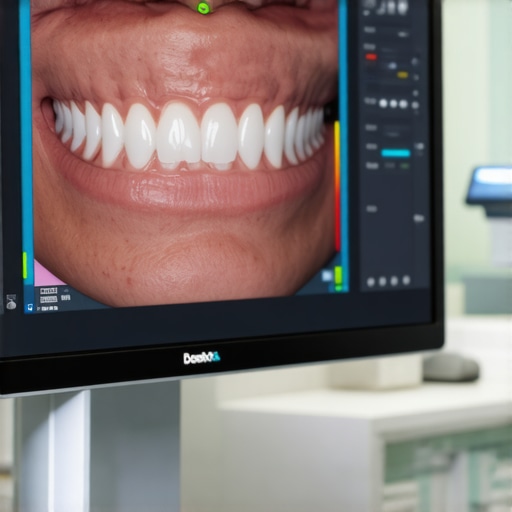
Smart sensors are the next big thing in oral health
I predict that within the next five years, we will see wearable ‘smart’ mouthguards that sync directly to your smartphone. Imagine getting a haptic notification at 3 AM that says, ‘Hey, you are clenching at 80% capacity, take a deep breath.’ We are moving toward a world where cosmetic dentistry innovations you cant miss this year will focus as much on neuro-muscular harmony as they do on visual aesthetics. We are already seeing smile bright revolutionary teeth cleaning techniques for 2025 that use ultrasonic waves to clean without ever touching the tooth surface, which is a massive win for anyone with a sensitive or inflamed TMJ. To keep your jaw silent, you have to embrace these preventive tips for long-lasting dental health for families. Don’t wait for the popping sound to return before you seek help. My best advice? Ask your provider for a digital bite mapping session specifically to check your occlusal timing; it is the most proactive way to ensure your smile remains stable and pain-free for the next decade.
What My Journey to a Silent Jaw Taught Me
Looking back at that embarrassing moment in the bistro, I realize how much I didn’t know. The biggest lightbulb moment for me was realizing that my jaw wasn’t ‘broken’—it was just overstimulated and poorly aligned. I’ve learned that silence in the joint is often a result of doing less, not more. I used to think I needed to stretch it out, but I’ve found that oral health myths debunked show us that rest is usually the best medicine. Also, I discovered that your jaw’s health is deeply tied to your posture; if you’re hunching over a laptop all day, your jaw naturally wants to slide forward into a stressful position. Finally, I realized that maintaining oral health isn’t just about the teeth you see in the mirror, but the invisible hinges that make life’s simple pleasures, like eating, possible.
#IMAGE_PLACEHOLDER_E#
My Daily Checklist for Lasting Jaw Comfort
I have narrowed down my success to a few non-negotiable habits. First, I check my ‘resting’ position every time I stop at a red light or finish an email—teeth apart, tongue up. Second, I’ve committed to the fact that how regular dental cleanings can save you money in the long run because a clean, balanced bite reduces the need for emergency interventions later. I also swear by a nightly magnesium supplement to help those masseter muscles relax while I sleep. These are the kind of preventive tips for long-lasting dental health for families that actually move the needle on your daily comfort levels.
Take the First Step Toward a Pain-Free Morning
You don’t have to live with the constant ‘thud’ in your ears every time you chew. By focusing on alignment and muscle relaxation, you are doing more than just stopping a noise; you are protecting your long-term ability to smile and speak without hesitation. It starts with one small change—perhaps just trying that ‘N’ position today. Trust the process of family dentistry building a foundation of healthy smiles for all ages and give your body the chance to heal itself. Have you ever felt a sharp pop while eating something as simple as a sandwich? Let me know your experience in the comments!