
It was exactly 3:14 PM on a Sunday when my molar decided it had seen enough of my weekend relaxation. One minute I was laughing at a joke during a backyard cookout, and the next, a white-hot lightning bolt of pain shot from my jaw straight to my temple. I’m usually the person who has a first-aid kit for every occasion, but when you’re staring down a closed dental office and a long, throbbing night ahead, logic tends to fly out the window. It’s an isolating feeling, isn’t it? That specific flavor of dread where you realize your local office won’t even pick up the phone for another fifteen hours. Early in my journey of obsessive dental self-care, I made a massive mistake: I tried the old wives’ tale of holding a crushed aspirin directly against my gum. Word of advice from someone who’s been there? Do not do that. I ended up with a localized chemical burn that was arguably more distracting than the original toothache. It was a humbling lesson in maintaining oral health through actual science rather than desperation. Today, I’m sharing the survival guide I wish I’d had back then—a way to bridge the gap until Monday morning without losing your mind.
Stop the Throb Before It Ruins Your Weekend
The very first thing you need to do—and I know this sounds impossible when your jaw feels like it’s in a vice—is breathe. When we are in pain, our blood pressure spikes, and for a dental abscess or pulpitis, that increased blood flow makes the pulsing sensation significantly worse. I spent years thinking I just had ‘bad teeth’ until I realized that many of my emergencies could be managed with a calm head. If your pain comes from an injury, you might need to know how to fix a chipped tooth at home until you see a dentist, but for that deep, mysterious ache, the priority is reducing inflammation. I once spent an entire Sunday night pacing my living room floor because I didn’t have a protocol. Start by gently flossing to ensure no rogue popcorn kernel is the culprit, then move to a warm salt water rinse. It’s the simplest tool in your arsenal, yet it’s incredibly effective at drawing out fluids and calming the area. If the pain is truly unbearable, knowing where to go for a middle of the night dental emergency in culpeper is vital, but most of us just need a way to survive the next few hours. Tell me, have you ever been caught off guard by a toothache on a holiday or weekend, or are you currently in the middle of that nightmare?
Does That Kitchen Cupboard Cure Really Work?
I get it. When you’re in 9-out-of-10 pain, someone suggesting ‘clove oil’ or ‘garlic’ sounds like they’re trying to sell you magic beans. I used to be the biggest skeptic in the room until I looked into the actual chemistry of eugenol. This compound, found in high concentrations in cloves, acts as a natural anesthetic and is one of the few oral health myths debunked by actual science. According to the British Dental Journal, eugenol can be just as effective as benzocaine for temporary pain relief. It’s not a cure, but it is a valid ‘pause button.’ The key is not to just dump it in your mouth but to apply it precisely. We are about to dive into the specifics of the ‘Elevation Method’ and why how you sleep tonight will dictate how much pain you feel tomorrow.
Prop Yourself Up to Stop the Pounding
I learned the hard way that lying flat is the fastest way to turn a dull ache into a throbbing nightmare. Think of your dental pulp like a sensitive pressure gauge; when you lie down, blood rushes to your head, increasing the internal pressure inside that tiny tooth canal. It is like trying to fix a leaky pipe while the water main is wide open. I remember one specific Sunday night where I tried to sleep it off normally. Within twenty minutes, the rhythm of my heart was pounding directly into my molar. I spent the rest of the night stacked on four pillows in a semi-upright position. It was not the most comfortable sleep, but it kept the lightning bolts at bay. If you are struggling with discomfort after a recent visit, the same logic applies to the best way to manage pain after a deep scaling procedure—elevation is non-negotiable.

Why Gravity is Your Worst Enemy Right Now
When you elevate your head, you allow gravity to assist in draining fluids away from the inflamed site. This simple physics hack can be the difference between a few hours of shut-eye and a night of pacing. While you are sitting up, focus on a cold compress. Apply it to the outside of your cheek for 15 minutes on and 15 minutes off. This is a classic tactic to reduce swelling after a tooth extraction, but it works wonders for general inflammation too. Just remember: never put heat on a suspected infection. Heat is like fuel to the fire for bacteria; it encourages them to multiply and can actually make an abscess worse.
The Dual-Action Medication Strategy
Most people reach for one bottle of painkillers and hope for the best. However, many dentists recommend a specific rotation of Ibuprofen and Acetaminophen to target both the pain signals and the actual inflammation. It is a bit like having a two-man security team: one blocks the door while the other calms the crowd inside. I used this approach when my youngest had a dental flare-up, and it is one of those family dentistry tips that make oral care effortless and effective when things go wrong after hours. Always check with a professional before mixing medications, but when done correctly, this cocktail can provide a level of relief that a single pill simply cannot touch.
Don’t Poke the Bear While You Wait
While you are in the waiting game, your mouth needs to be a no-fly zone. This means no crunchy snacks, no ice-cold water, and definitely no poking the area with your tongue to see if it still hurts. If you have a visible cavity or a lost filling, you can use a temporary dental wax or even sugar-free gum in a total pinch to seal the area from air and debris. Protecting the nerve from temperature changes is a huge part of maintaining oral health during a crisis. I once made the mistake of drinking a smoothie while waiting for my Monday appointment; the sugar and cold sent me through the roof. Stick to lukewarm, soft foods like mashed potatoes or lukewarm broth to keep your energy up without triggering a flare-up.
Let’s dig deeper into why some of our most common ‘healthy’ habits are actually backfiring. Most people believe that the more aggressively they scrub, the cleaner their teeth will be. In my experience, this is the single most destructive myth in family dentistry. When you approach your enamel like you’re scrubbing a cast-iron skillet, you aren’t just removing plaque; you’re literally sanding away your smile’s protection. This leads to what I call the ‘Abrasive Trap.’ Many people reach for trendy charcoal pastes or DIY kits, but the danger of using baking soda to whiten your enamel every day is that it wears down the white outer layer over time. Once that enamel is gone, the yellowish dentin underneath shows through, making your teeth look darker and more aged than when you started. It’s a cruel irony, isn’t it? Have you ever fallen into this trap of over-scrubbing? Let me know in the comments. Another ‘Oops’ factor that catches even the most diligent people off guard is timing. We’ve been conditioned to brush immediately after meals. However, if you’ve just had a bowl of fruit or a glass of sparkling water, your enamel is temporarily softened by the acid. If you brush right then, you are effectively sandpapering your teeth while they are at their weakest. This is why you should never brush your teeth immediately after eating fruit. Instead, rinse with plain water and wait at least 30 minutes for your saliva to remineralize the surface. This is the kind of nuance that separates basic ‘brushing and flossing’ from true maintaining oral health for a lifetime.
Why Your Six-Month Visit is Better Than a Savings Account
We often treat dental cleanings as an optional cosmetic polish, but the financial nuance is staggering. A study published in the Journal of Periodontology indicates that regular professional cleanings are the primary defense against systemic inflammation and bone loss. When you skip these, you aren’t just risking a cavity; you’re risking the structural integrity of your jaw. I’ve seen patients try to save a few dollars by skipping a year, only to end up needing thousands in restorative work. Understanding how regular dental cleanings can save you money in the long run is about shifting from a ‘fix-it’ mindset to a ‘prevent-it’ strategy. For those with high sensitivity, gentle teeth cleaning best practices for sensitive gums make the process painless, so there is truly no excuse to wait.
The Secret to Cosmetic Results That Don’t Look Fake
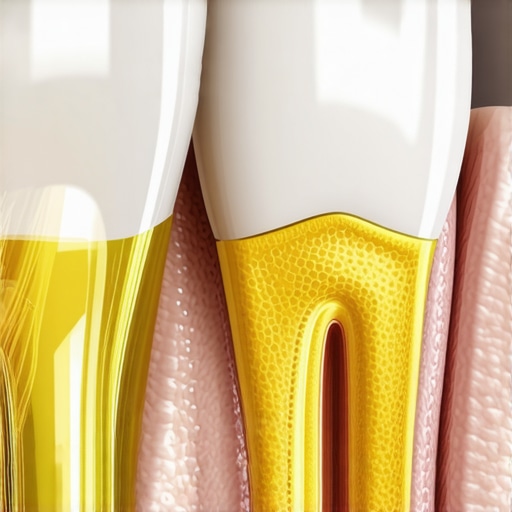
When it comes to aesthetic upgrades, the biggest mistake is aiming for ‘perfection.’ Nature isn’t perfectly symmetrical or fluorescent white. Often, the subtle bonding error that makes your smile look artificial is failing to account for the translucency of natural teeth. If you are looking into enhancing confidence with cosmetic dentistry, demand results that mimic the light-reflecting properties of real enamel. True expertise in family dentistry means knowing when to intervene and when to let a natural, healthy smile shine. Are you ready to stop the myths and start focusing on the science of your smile?
Maintaining that ‘not-fake’ look isn’t a one-and-done deal; it’s an ongoing partnership between your daily routine and the materials in your mouth. Once you move past the ‘don’t brush too hard’ stage, the conversation naturally shifts to the hardware sitting on your bathroom counter. I’m incredibly picky about what takes up space there. For years, I was a string-floss purist until I realized that my dexterity isn’t always 100% at 11:00 PM. That is when I switched to a high-pressure water flosser. The trick isn’t just owning one; it’s using it at the right angle. If you aim it directly into the gum pocket at a 90-degree angle, you are essentially power-washing away the biofilm that manual flossing misses. This is especially critical for anyone who has invested in restorative work, as you need to know the move to clean under your dental bridge safely without snagging the hardware or irritating the surrounding tissue.
The Gadgets That Actually Earn Their Counter Space
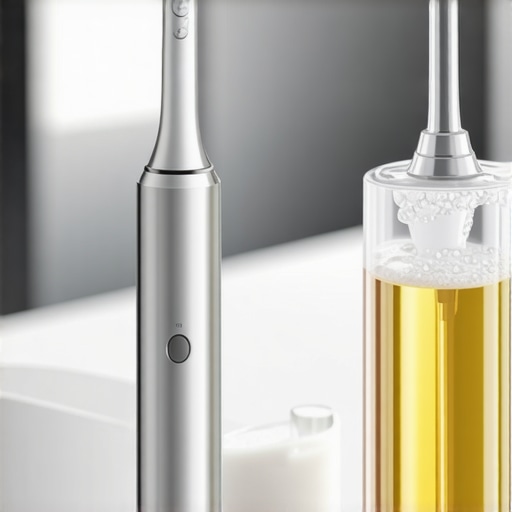
I often get asked if those expensive electric toothbrushes are worth the hype. My answer is a resounding yes, but only if they have a built-in pressure sensor. According to a long-term study published in the Journal of Clinical Periodontology, users of power toothbrushes experienced 22% less gum recession and 21% less tooth decay over an 11-year period compared to manual brushers. I personally use a sonic model that vibrates at roughly 62,000 brush movements per minute. However, if you notice your gums bleed when you use a new electric toothbrush, it’s often a sign that you’re pressing too hard or that your gum health needs a professional reset. The tech is there to do the work for you; your job is simply to guide it along the gum line.
How do I keep my smile looking brand new for a decade?
The longevity of cosmetic work, whether it’s bonding or porcelain, depends entirely on your ‘aftercare’ philosophy. If you have spent time enhancing confidence with cosmetic dentistry, the last thing you want is for that investment to dull or chip. I recommend using a non-abrasive gel rather than a paste. Traditional toothpastes often contain silica, which can create micro-scratches on porcelain over time. These tiny scratches are where stains from coffee and red wine eventually settle. This is frequently why your veneers are discoloring at the gum line or losing their initial luster. If you wear a clear retainer to keep everything in place, make sure you know how to clean a clear retainer without using abrasive toothpaste, as those scratches can harbor bacteria that lead to bad breath.
The Future of the Smart Smile
Looking ahead, I predict we are entering the era of the ‘Bio-Adaptive’ smile. We are already seeing cosmetic dentistry innovations you cant miss this year that involve AI-integrated cameras inside toothbrush heads that map your mouth in real-time, sending a report to your phone about missed spots. But more importantly, the focus is shifting from pure aesthetics to maintaining oral health through the oral microbiome. Future pastes will likely focus on feeding ‘good’ bacteria rather than just nuking everything with alcohol-based rinses. If you really want to stay ahead of the curve and ensure you are transforming your smile with the impact of cosmetic dentistry in 2025, start by focusing on the ‘low-tech’ habits first: consistency and gentle precision. My challenge for you tonight: swap your manual brush for an electric one with a pressure sensor and notice how many times the red warning light flashes—it is a wake-up call for your enamel health.
Hard Lessons from My Most Expensive Dental Bill
I used to think that as long as nothing hurt, everything was fine. That was my first mistake. Here are the lightbulb moments that changed how I approach my teeth:
- Pain is a late-stage symptom, not an early warning. By the time a tooth aches, the damage is often deep and expensive to repair.
- Investing in maintaining oral health daily is significantly cheaper than a single emergency root canal.
- The clean feeling from a manual brush is often just gum irritation; true cleanliness comes from gentle, sonic vibrations.
- Your dentist is a health partner, not just a repair person. Regular visits for teeth cleaning secrets can catch issues while they are still invisible to the naked eye.
The Professional Toolkit I Swear By
If you want to stop the cycle of emergency appointments and weekend toothaches, you need the right gear in your bathroom cabinet. I personally trust these three essentials to keep my smile in peak condition. First, a high-quality electric toothbrush with a pressure sensor is non-negotiable; it protects your enamel from the abrasive trap we discussed earlier. Second, a water flosser for those hard-to-reach areas is one of the best family dentistry tips that make oral care effortless. Finally, always keep a small vial of eugenol or clove oil on hand—not as a cure, but as the ultimate bridge to get you to your appointment in peace.
Make Your Next Appointment the Best One Yet
Taking control of your dental health doesn’t have to be an overwhelming task. Whether you are currently enhancing confidence with cosmetic dentistry or simply trying to get through the night without a throbbing jaw, the power lies in the small, consistent choices you make today. You deserve a smile that feels as strong as it looks and a dental routine that gives you peace of mind. Have you ever had a dental lightbulb moment that completely changed how you brush or floss? Let me know in the comments below!