
I was leaning in so close to the bathroom mirror that I fogged up the glass. There it was. A faint, bluish-gray shadow creeping along the base of my bridge. I’d spent months saving up for cosmetic dentistry innovations, yet here I was, looking like I hadn’t brushed in a decade. I panicked. I poked at it. I even tried to ‘bleach’ it away with those kits from the pharmacy, which—fair warning—is the one mistake people make when trying to whiten gray teeth. It didn’t work. In fact, it just made everything sensitive and sore. I felt like a failure at oral hygiene, but as I eventually learned, the dark line wasn’t really ‘dirt’ or decay at all. It was a physics problem, not a cleaning problem.
That ghostly dark line isn’t always a medical emergency
If you’re seeing a dark tint near your bridge, your brain probably jumped straight to the conclusion that your tooth is rotting underneath. I’ve been there. But most of the time, the culprit is much less scary, though no less annoying. We’re going to figure out if you’re dealing with a ‘PFM’ shadow, gum recession, or just a need for better teeth cleaning secrets. My goal is to help you understand the reason your gums look darker than usual so you can talk to your dentist without sounding like a panicked mess. We will solve this by identifying the specific cause of your discoloration and walking through the modern fixes that don’t involve starting from scratch.
Is my bridge actually failing or just showing its age?
It’s a fair question to ask when you see your smile changing in the mirror. You might wonder if you are part of the group needing to know how long a dental bridge truly lasts before it needs replacement. According to the American College of Prosthodontists, many traditional bridges use a metal substructure for strength, known as Porcelain-Fused-to-Metal (PFM). The ‘black line’ you see is often just the metal margin peeking through as your gums naturally thin or shift over time. I used to worry that my bridge was falling out, but the move to take if your dental bridge feels loose is a very specific physical sensation, and a dark line is usually just an aesthetic ‘tell’ of the materials used. Have you ever looked in the mirror and felt like your expensive dental work was suddenly working against you? It’s frustrating, but usually fixable with cosmetic dentistry in 2025 that prioritizes all-ceramic materials.
Before we dive into the deep cleaning habits like the move to clean under your dental bridge safely, we need to distinguish between a shadow and an actual health issue.
Identify the cause before you start scrubbing
Before you reach for the whitening strips, you need to play detective. Take a high-quality flashlight and shine it right at the base of the bridge. If the dark line is a perfectly straight, consistent gray rim right where the porcelain meets the gum, you’re looking at the ‘metal collar’ of an old-school PFM (Porcelain-Fused-to-Metal) crown. However, if the darkness is patchy or looks like a shadow cast from inside, it might be the reason your gums look darker than usual, often caused by the way light hits the root of the tooth. I once spent a week trying to ‘clean’ what I thought was a stain, only to realize I was looking at a shadow cast by my own bathroom lighting. Understanding the source prevents you from using abrasive methods that actually do more harm than good.
Stop the recession that reveals the metal
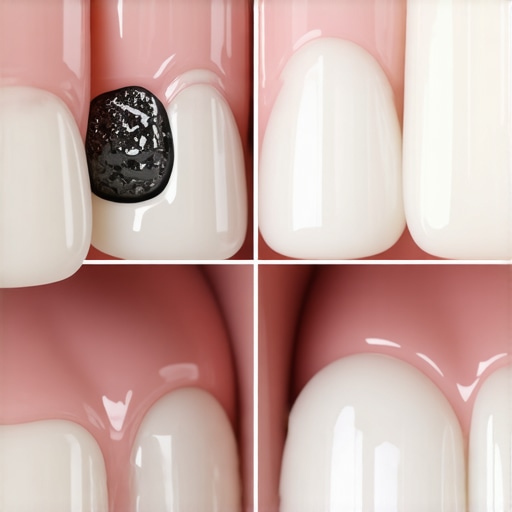
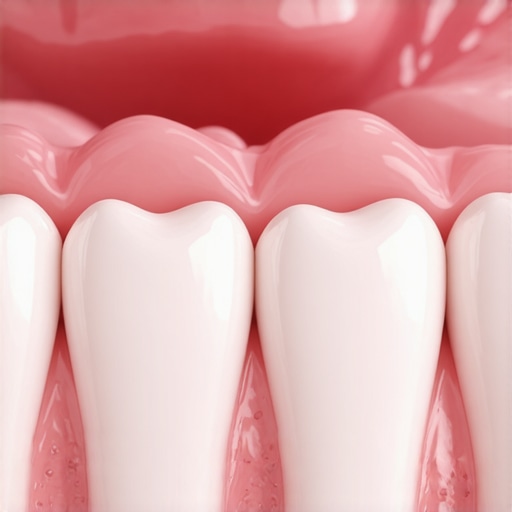
The most common reason that dark line suddenly appears after years of a perfect smile is gum recession. Think of your gums like a turtleneck sweater; if the fabric shrinks, the neck (the metal margin of the bridge) gets exposed. To stop this from getting worse, you have to master how to brushes your teeth without damaging receding gum lines. I learned the hard way that ‘scrubbing harder’ is a recipe for disaster. I used to brush so aggressively that I actually accelerated the recession, making the dark line twice as visible in just a few months. Use a soft-bristled brush and a circular motion—never a horizontal sawing motion—to keep the gum tissue exactly where it belongs.
Clean the hidden gap without causing damage
The space beneath your bridge is a magnet for debris, which can create a dark, dingy look around the edges. You can’t just use regular floss and hope for the best. You need a specialized tool like a floss threader or a water flosser. By using the move to clean under your dental bridge safely, you remove the biofilm that can lead to inflammation. Inflammation makes gums look puffy and purple-ish, which mimics a dark line even if your bridge is perfect. Keeping this area pristine is one of the top teeth cleaning secrets for maintaining the illusion of natural teeth.
Switch to metal-free options for a seamless look
If the dark line is genuinely the metal substructure showing through, no amount of cleaning will fix it. The permanent solution lies in cosmetic dentistry trends that transform your smile this year. Modern dentistry has moved toward all-ceramic and zirconia materials. This is why most dentists prefer zirconia for molars instead of porcelain fused to metal; zirconia is naturally white and opaque, meaning there is no dark metal to hide. When light hits an all-ceramic bridge, it passes through it just like a natural tooth, eliminating that ‘dead’ look that older bridges often have. Making the jump to transform your smile with cosmetic dentistry in 2025 means you’ll never have to worry about a gray line appearing, even if your gums shift slightly over the next decade.
Balance your oral chemistry to protect the margins
Lastly, pay attention to the health of the teeth supporting that bridge. If the natural tooth under the bridge starts to demineralize, it can look dark through the porcelain. Utilizing expert advice for a lifetime of healthy teeth involves keeping your saliva’s pH balanced. High-acid diets (think daily sparkling water or citrus) can etch the margins where the bridge meets the tooth, creating a tiny ‘ditch’ that collects stains. By focusing on preventive tips for long-lasting dental health, you ensure that the foundation of your bridge stays bright and healthy, preventing that dreaded dark border from returning after your next professional cleaning.
Most people assume that a professional cleaning is essentially a ‘car wash’ for their mouth. They think the more pressure the hygienist applies, the better the result. In my experience, the opposite is true. The real nuance that many overlook is the role of the oral microbiome. You aren’t just scrubbing away stains; you are disrupting a complex biofilm. If you focus only on the surface, you miss the microscopic layers that actually cause that dingy appearance near the gum line. This is where the ultimate guide to teeth cleaning techniques and benefits becomes essential for anyone trying to maintain high-end cosmetic work.
Why scrubbing harder actually sabotages your smile
Here is a contrarian view: the more ‘diligent’ you are with a hard toothbrush, the more likely you are to ruin your bridge’s appearance. Aggressive brushing creates micro-scratches in porcelain and composite materials. These scratches are invisible to the naked eye but act like velcro for coffee and red wine stains. I’ve seen patients who were obsessed with teeth cleaning secrets actually strip away the polished glaze of their crowns. Once that glaze is gone, the material becomes porous and will permanently darken. Instead of friction, focus on gentle teeth cleaning best practices that preserve the integrity of your dental work.
Can you actually whiten a tooth that has internal discoloration?
This is the question that separates the amateurs from the pros. Most people think a whitening gel can penetrate anything. However, if the darkness is coming from a metal post or a root canal-treated tooth under your bridge, topical whitening will never reach it. This is the one mistake people make when trying to whiten gray teeth. According to a study in the Journal of the American Dental Association, internal bleaching or replacing the restoration with opaque materials like zirconia is the only predictable way to mask internal shadows. If you keep applying surface whitener, you’re just wasting money and increasing sensitivity without changing the color of the underlying structure.
The hidden trap of the post-meal brush
The biggest ‘oops’ factor I see with health-conscious families is the urge to brush immediately after eating. If you just had a salad with vinaigrette or a glass of sparkling water, your enamel is temporarily softened by the acid. Brushing at that exact moment is like using sandpaper on wet wood. You are literally brushing your enamel away, leading to the recession that reveals those dark bridge margins. This is why you should never brush immediately after drinking orange juice or other acidic treats. Wait at least thirty minutes for your saliva to neutralize the acid. Mastering expert advice for a lifetime of healthy teeth means knowing when *not* to clean is just as important as the cleaning itself. Have you ever fallen into this trap? Let me know in the comments. We can all learn from these little oral hygiene ‘fails’ that lead to bigger cosmetic issues down the road.
Ultimately, keeping that dark line away is about a partnership between your home care and transforming your smile with cosmetic dentistry in 2025. By understanding the science behind the materials and the biology of your gums, you can stop the shadow before it starts.
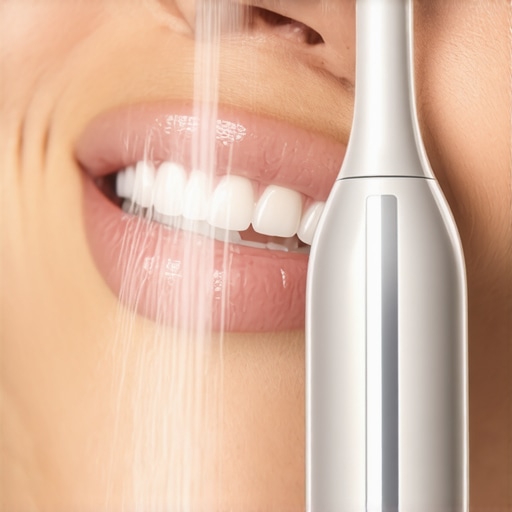
I used to think that once the bridge was seated and the check was written, the hard part was over. I was wrong. The real work—the kind that determines if your investment lasts five years or twenty-five—happens in your bathroom every morning. To keep that dark line from returning, you need a toolkit that goes beyond the standard drugstore toothbrush. Personally, I made the switch to a high-end sonic toothbrush paired with a water flosser, and the difference in my gum health was night and day. You see, the pulse-modulation technology in modern water flossers doesn’t just rinse; it creates a microscopic turbulent zone that can reach depths traditional floss simply skips. This is one of those teeth cleaning secrets that pros use to keep their own restorations pristine.
How do I maintain my cosmetic dental work over time?
Consistency is the boring answer, but the specific method is where the magic happens. According to a systematic review published in the Cochrane Library, water flossing is significantly more effective than manual string floss at reducing gingival bleeding and plaque around dental appliances. I use my water flosser on the ‘massage’ setting around my bridge to stimulate blood flow in the gingival tissue. This prevents the thinning that leads to recession and that dreaded metal reveal. Beyond tools, expert advice for a lifetime of healthy teeth often emphasizes the role of professional maintenance. You cannot skip these, because how regular dental cleanings can save you money in the long run becomes obvious the moment a hygienist catches a tiny margin leak before it turns into a total bridge failure.
If you really want to scale your oral health, you have to look at the pH of your mouth. I started using pH-balancing oral rinses that contain xylitol. Unlike alcohol-based washes that dry you out and kill the good bacteria, these rinses create an environment where enamel-eating acids can’t survive. This is crucial for preventive tips for long-lasting dental health because it protects the tooth structure holding your bridge in place. When that foundation is rock-solid, the cosmetic work sits flush, preventing the gaps that cause shadows. Learning the ultimate guide to teeth cleaning techniques and benefits helped me realize that I was focusing too much on the ‘white’ part of my smile and not enough on the ‘pink’ support system.
The future of your smile looks like bio-active glass
Looking ahead, I predict we are moving away from traditional ‘repair’ dentistry and into the era of ‘regenerative’ maintenance. We are already seeing cosmetic dentistry trends that transform your smile this year involving bio-active glass toothpastes. These materials don’t just sit on the tooth; they actually release calcium and phosphate ions to remineralize the margins of your bridge in real-time. By 2025, revolutionary teeth cleaning techniques will likely include AI-powered toothbrushes that map the exact pressure needed for your specific gum density, ensuring you never accidentally brush your way into a receding gum line again. This tech-heavy approach is exactly how you ensure regular teeth cleaning can prevent major dental issues before they even start. If you haven’t yet, I strongly encourage you to swap your manual floss for a water flosser this week—your bridge, and your future self, will thank you.
Why I stopped blaming my toothbrush for that gray shadow
Looking back on my initial panic in the bathroom mirror, I realized that many of us treat our dental work like it is invincible, but it is actually a living part of our biology. Here are the lightbulb moments that changed how I view my smile:
- The metal margin is not a stain: No amount of scrubbing will fix a physical layer of metal; you have to address the gum health or the material itself.
- pH balance beats pressure: Keeping your mouth in an alkaline state does more for the longevity of your bridge than aggressive brushing ever could.
- Lighting often lies: Before booking an emergency appointment, check your reflection in natural sunlight; bathroom shadows frequently mimic decay under harsh LED bulbs.
The tools that finally made my bridge look natural again
If you want to protect your investment, you need a toolkit that targets the junction where the bridge meets the gum—the most vulnerable spot for discoloration. I have personally found that a high-quality water flosser is non-negotiable for reaching the nooks that manual floss misses, which is a core part of the ultimate guide to teeth cleaning techniques and benefits. I also recommend switching to xylitol-based rinses to stabilize your oral environment and prevent the mineral loss that leads to dark margins.
If you are ready for a permanent aesthetic change, consider enhancing confidence with cosmetic dentistry by upgrading to Zirconia. These materials mimic the light-reflecting properties of natural enamel, a concept rooted in the science behind teeth whitening and optical materials. Utilizing top 5 secrets to maintaining perfect oral health as a family will help you keep those new materials pristine for decades.
Your smile is an investment worth protecting
Do not let a small gray line rob you of your confidence or make you hide your laugh. Whether you choose to upgrade your materials or simply refine your home care routine, the goal is a healthy, seamless look that lasts. Realizing how regular dental cleanings can save you money in the long run is the most practical step you can take today. By letting a professional maintain that perfect finish, you ensure your cosmetic work remains a source of pride rather than stress. Have you ever noticed a shadow around your dental work and wondered if it was time for a change? Let me know your experience in the comments below!”,”image”:{“imagePrompt”:”A close-up, high-quality photograph of a modern, all-ceramic dental bridge showing healthy pink gums and no dark lines, bright natural lighting, professional dental aesthetic.”,”imageTitle”:”Seamless modern dental bridge without dark margins”,”imageAlt”:”Close-up of a porcelain dental bridge with healthy gums and no gray line.”},”categoryId”:1,”postTime”:”2025-05-22T12:00:00Z”}“`Of course! Here’s the updated final part of the article in a single parseable JSON array: “`json [ {