
I remember standing on the sidelines of a local park, holding a white-knuckle grip on my coffee while watching my son’s soccer game. One rogue elbow, a sharp thwack, and suddenly there was more than just grass on the field. A bright white tooth was sitting in the dirt. I froze. My first instinct? Run to the bathroom and scrub it with soap. Big mistake. I almost ruined everything because I didn’t know the golden rule of tooth preservation. If you’ve ever felt that heart-stopping panic when a tooth pops out unexpectedly, you know exactly what I’m talking about. It’s a race against the clock, and the stakes are your smile. Today, I’m going to walk you through exactly what to do so you don’t make the same blunders I did.
Get the Tooth in a Cup Before the Clock Runs Out
When a permanent tooth gets knocked out, your mouth essentially becomes a crime scene, but the tooth is a living organ that needs a life-support system. I used to think a dry tissue was the way to go. Wrong. Dead wrong. Keeping the root cells alive is the only way a dentist can actually replant it. You have about a 30 to 60-minute window to act.
Is milk really the best thing for a lost tooth?
It sounds like an old wives’ tale, doesn’t it? Putting a piece of your body in a glass of Vitamin D whole milk feels a bit weird. But it’s actually the gold standard. I learned the hard way that plain tap water is actually quite aggressive toward the delicate cells on the tooth root; the pH and chemical balance are all wrong. Milk, on the other hand, has the right proteins and sugars to keep those cells feeding while you’re rushing to the office. Back in my early days of neighborhood medical expert, I once told a friend to wrap a knocked-out tooth in a wet paper towel. I thought moisture was enough. It wasn’t. The fibers stuck to the root, and the tooth was lost for good. That guilt stayed with me. Now, I advocate for handling your toddler’s first dental emergency with much more care—mainly by leaving the root alone and focusing on the right storage medium. Have you ever had a dental emergency strike at the worst possible moment? It’s terrifying, but knowing how to make oral care effortless even in a crisis changes everything. According to the American Association of Endodontists, a tooth has the highest chance of being saved if it is placed back in the socket or kept in a preservation liquid within minutes. [image_placeholder]Once you’ve found the tooth, the very first thing you need to remember is to pick it up by the crown—the white part you use for chewing. Never, ever touch the root. Think of the root like a delicate lightbulb; if you smudge the glass or break the filament (the periodontal ligaments), it won’t light up again. Those tiny fibers are what will eventually re-attach the tooth to your jawbone. If they’re crushed by your fingers, the tooth is essentially DOA.
Rinse it gently like a precious heirloom
If the tooth is covered in dirt or grass from the soccer field, you need to clean it, but don’t reach for the dish soap. I once saw a well-meaning coach try to scrub a tooth with his jersey. I had to practically tackle him. Scrubbing kills those living cells faster than anything. Instead, hold it by the crown and run it under cool water for no more than ten seconds. Don’t use chemicals, and definitely don’t dry it off. It needs to stay hydrated to survive the journey to the clinic.
Try to Put the Tooth Back in the Socket Immediately
This is the part that makes most people squeamish, but it is the single most effective way to save a smile. If the person is conscious and old enough not to swallow it, try to gently push the tooth back into the hole it came from. I remember a summer BBQ where my cousin took a frisbee to the face. His front tooth was dangling by a thread. We didn’t have milk, so I told him to bite down on a piece of gauze to hold it in place. It felt ‘crunchy’ and terrifying, but that immediate re-insertion kept the blood supply viable. You can use your fingers to position it, then have the victim bite down slowly on a clean handkerchief to keep it steady. If you’re dealing with a different kind of break, like a fracture, you might just need to know how to manage a chipped front tooth until your appointment, but a full avulsion requires this ‘socket-first’ approach. 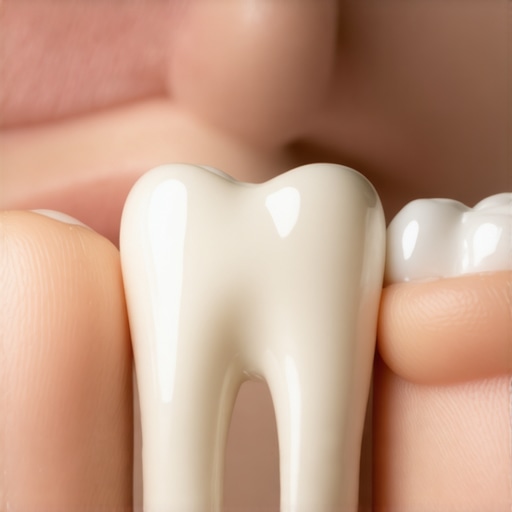
What to do if the tooth won’t budge
Sometimes the socket starts to clot too fast, or the person is in too much pain to let you near them. Don’t force it. Forcing it can damage the bone. This is when your storage medium becomes your best friend. If you don’t have milk, the next best thing is actually the patient’s own saliva. You can have them spit into a small container and submerge the tooth in that. It’s gross, but it’s biologically compatible. Just don’t let the tooth sit ‘dry’ in their cheek if they are a child, as they might swallow it or choke. For those who are worried about other types of damage, knowing how to fix a chipped tooth at home until you see a dentist is helpful, but for an empty socket, you need professional help immediately. You need to know where to go for a middle-of-the-night dental emergency in culpeper or your local area because every minute the tooth is out, the success rate drops by about 1%.
The Sprint to the Emergency Chair
While you’re driving, call the office. This isn’t like a regular teeth cleaning where you wait in the lobby reading old magazines. This is an ‘all hands on deck’ situation. Dentists will often bump other appointments to handle an avulsed tooth because of that 60-minute window. I’ve been in the chair when an emergency patient rushed in; the energy in the room shifts instantly. It’s similar to the urgency you’d feel if your tooth filling falls out, but even more time-sensitive. The goal is to get the tooth splinted to the neighboring teeth so it can begin the healing process.Once that immediate crisis of an avulsed tooth is over, you might think you are in the clear, but that is where the real nuance of family dentistry comes into play. Most people assume that after the dentist fixes the big problem, the standard routine is enough. However, there are hidden traps in our daily habits that can undermine even the best emergency work. I have seen it time and time again: a patient saves a tooth from a soccer field accident only to ruin their enamel months later through ‘over-care.’ Let’s dig deeper into the common mistakes that even the most health-conscious people make.
Stop Scrubbing Your Enamel Into Oblivion
There is a prevailing myth that the harder you brush, the cleaner your teeth will be. In my experience, the ‘more is better’ philosophy is the fastest way to land back in the dental chair. When you use a hard-bristled brush or apply too much pressure, you are not just removing plaque; you are physically wearing down your enamel and pushing back your gum line. This is one of the most critical oral health myths debunked in modern practices. Furthermore, many people treat flossing like a sawing motion. This aggressive approach can actually detach the delicate gum tissue from the tooth, creating pockets where bacteria thrive. I always advocate for the case against aggressive flossing because your gums need a gentle touch to remain a tight barrier against infection.
The Dangerous Trap of Brushing After Your Morning OJ
This is the ‘Oops Factor’ that catches almost everyone. It feels logical to brush immediately after eating fruit or drinking coffee to get the sugar and acid off your teeth. But here is the catch: acid temporarily softens your enamel. If you brush right away, you are actually scrubbing away that softened layer of your tooth. A study published in the British Dental Journal confirmed that tooth wear is significantly higher in people who brush within 30 minutes of an acidic meal compared to those who wait. That is exactly why you should never brush your teeth immediately after eating fruit. Your saliva needs time to neutralize the acid and remineralize the surface. 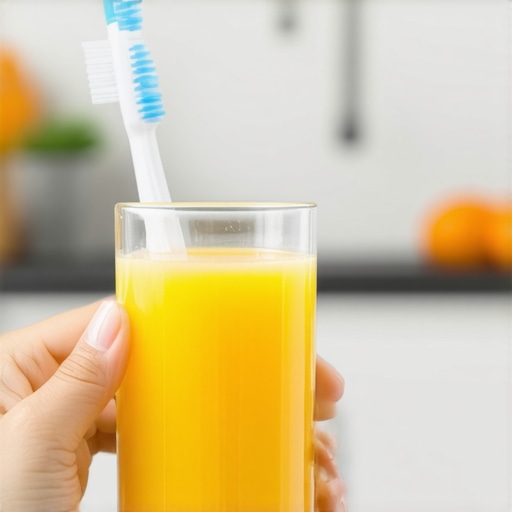
Why do professional cleanings keep your breath fresh for so much longer?
Have you ever noticed that no matter how much you brush at home, your mouth never feels quite as ‘sparkling’ as it does after a visit to the clinic? It is not just about the minty paste. During a professional visit, we remove the calcified tartar and deep-seated biofilm that home brushes simply cannot reach. This is the primary reason your breath stays fresh longer after a professional cleaning. If you have been relying on ‘home hacks’ like using baking soda to whiten your enamel, you might actually be making your teeth more porous and prone to deep staining over time. Professional care targets the root of the odor and discoloration without the abrasive damage. Have you ever fallen into the trap of thinking a harder toothbrush or immediate brushing is better for your smile? Let me know in the comments.Transitioning from emergency saves to long-term brilliance requires a shift in gear. I personally stopped using manual brushes years ago because I couldn’t trust myself not to press too hard. I switched to the Philips Sonicare ProtectiveClean series specifically because of the pressure sensor—it actually pulses if you’re being too aggressive. This is one of those revolutionary teeth cleaning techniques for 2025 that simplifies your routine. If you are investing in your smile, whether it is through cosmetic dentistry innovations or standard care, the tool you hold every morning is your first line of defense. According to a systematic review by the Cochrane Oral Health Group, powered toothbrushes show a 21% reduction in plaque after three months compared to manual ones. It is not just hype; it is a measurable difference in your biology.
The Right Gear Makes the Difference
Beyond the brush, I have become an evangelist for the water flosser. While I used to advocate for traditional string, I found that most of my patients simply wouldn’t do it correctly. A Waterpik with a specialized tip can reach deep into the periodontal pockets that string often misses, especially if you have had a tooth replanted or have existing family dentistry work like bridges. 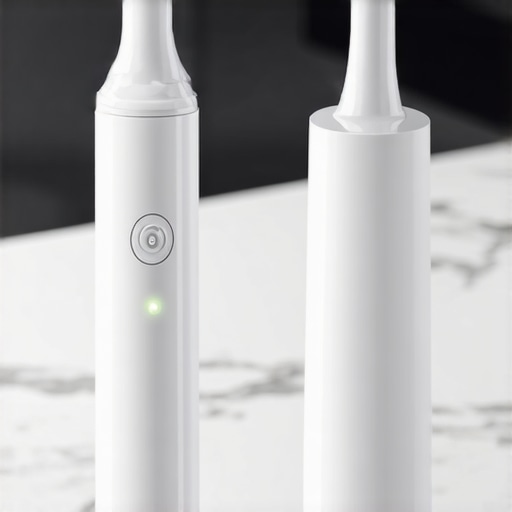
How do I maintain my dental results over the long haul?
Consistency is the obvious answer, but the ‘secret sauce’ is actually monitoring. I recommend taking a high-resolution photo of your teeth once a month. It sounds obsessive, but it is the easiest way to catch receding gums or new stains before they become expensive problems. Following preventive tips for long-lasting dental health means being proactive. If you see a tiny shadow or a shift in how your teeth align, that is your signal to book a visit. This is especially true for those who have invested in cosmetic dentistry, where maintaining the integrity of the bonding or porcelain is paramount. I also suggest keeping a ‘stain diary’ if you are a heavy coffee drinker. Understanding the secret to keeping your coffee habit without the staining involves rinsing with water immediately after your cup—not brushing, just rinsing.
The Future of Your Smile is Smarter Than You Think
Looking ahead, I predict we will see a massive shift toward bio-mimetic materials. We are already moving away from just ‘filling’ holes and toward ‘repairing’ them with materials that mimic natural tooth structure. High-tech toothpastes containing nano-hydroxyapatite are beginning to replace standard fluoride in many high-end routines because they can actually remineralize the enamel surface more effectively. This is the ultimate way of maintaining oral health for a lifetime. Even regular teeth cleaning will eventually involve AI-driven scanners that can predict where a cavity might form two years before it actually appears. My challenge to you: swap your manual brush for a pressure-sensing electric one this week and feel the difference in your enamel texture after just three days.
The Hardest Lessons I Learned About Keeping My Family’s Smiles Intact
Reflecting on that day at the soccer field, I realized that most of us treat our teeth like rocks in our mouths, but they are actually sensitive, living organs. One of the biggest shifts in my thinking came from understanding that maintaining oral health is about biology, not just scrubbing. First, I learned that the ‘soft’ parts of the mouth are the real foundation; the enamel is only as strong as the gums supporting it. I now utilize family dental care hacks to ensure we are protecting those anchors every day. Second, I’ve seen how much damage ‘good intentions’ can do—like scrubbing a lost tooth or brushing right after a soda. When you finally see oral health myths busted by actual data, you realize that less is often more. Finally, a tooth saved in an emergency is a victory, but a tooth kept healthy through prevention is the real goal.
My Personal Toolkit for a Bulletproof Smile
I don’t just rely on luck anymore. I’ve curated a specific set of tools and resources that I trust to keep our dental records clean. I swear by a pressure-sensing electric toothbrush because it removes the temptation to over-scrub. For deep cleaning between visits, a high-quality water flosser has replaced traditional string for us, as it is much gentler on the interdental gums. I also keep the American Association of Endodontists’ emergency guide bookmarked on my phone for instant access to protocols for dental trauma. Most importantly, I’ve shifted my perspective on hygiene visits; understanding how regular dental cleanings can save you money turned those appointments from a chore into a savvy financial and health investment.
Don’t Wait for the Next Emergency to Start Caring
Your smile is a living part of your history, and it deserves more than just a panic-induced response when things go wrong. Whether you’re recovering from an accident or simply want to ensure your children never have to experience that ‘heart-stopping’ moment, being proactive is the only way forward. If you are ready to move past the quick fixes and build a foundation of strength, contact us today to schedule a comprehensive checkup. Have you ever had a heart-stopping moment where a tooth was on the line? Let me know your story in the comments below.