
I once spent forty-five minutes gripping my steering wheel in a parking lot, physically unable to make my legs walk toward the dentist’s front door. My jaw was screaming, but my heart was pounding harder. I’d spent a decade avoiding the chair, convinced that my phobia was just a character flaw I had to live with. It wasn’t until I finally broke down and asked about IV sedation that I realized I didn’t have to fight my own nervous system just to get a cavity filled. If you’ve ever felt that cold, paralyzing dread at the mere smell of a dental office, I want you to know you aren’t “difficult”—you’re just someone who needs a different approach to care. Today, I’m going to show you how IV sedation turns a traumatic experience into a total non-event.
Why your brain treats the dentist like a predator
For years, I made the mistake of thinking I could just “will” myself into being brave. I’d book an appointment for family dentistry and then cancel it at the last second, feeling a mix of relief and intense shame. This cycle is actually a physiological response. According to the Cleveland Clinic, nearly 36% of people experience dental anxiety, with 12% suffering from an extreme fear. IV sedation works because it bypasses that “fight or flight” response entirely. Instead of white-knuckling it through a procedure, you’re in a state of deep relaxation where time seems to disappear. It’s the closest thing to a “fast-forward” button for dental work, especially during a long root canal appointment where staying still feels like an eternity.
Is being put under really worth the extra steps?
I get it. The idea of being “out” can be just as scary as the drill itself. You might wonder if it’s overkill for your situation or if you should stick to managing dental anxiety without heavy drugs. But here’s the truth: for those of us with severe phobias, IV sedation is the bridge between losing our teeth and keeping them. It’s also a lifesaver if you have a strong gag reflex that makes even a basic exam feel like a battle. Have you ever skipped a necessary treatment because the thought of being awake for it felt impossible? You are definitely not alone in that, and it is exactly why this technology exists. In the next section, we will break down exactly how the process works so you know what to expect from the moment you sit down.
The safety checks that come before the sedation
Before a single drop of sedative enters your system, the process starts with a deep dive into your medical history. This isn’t just paperwork; it is the foundation of a safe experience. Your dentist will review your current medications and past reactions to anesthesia to ensure everything is tailored to your body. During this phase, we often clear up common oral health myths debunked by modern science, especially the idea that sedation is only for ‘major’ surgery. It is a tool for comfort, whether you are getting a simple filling or a complex extraction. Think of it like a pre-flight checklist for a pilot; we don’t leave the gate until every sensor shows green. This transparency helps lower the baseline anxiety that usually spikes the moment you walk through the door.
The moment the anxiety finally stops
When you are ready, a small IV is placed, usually in the arm or the back of the hand. If you have a phobia of needles, don’t panic—this is where we can use a topical numbing agent or even a quick puff of nitrous oxide to make sure you barely feel the prick. We specialize in how we manage local anesthetic for patients who are needle-phobic to ensure the ‘on-ramp’ to sedation is as smooth as possible. Once the sedative begins to flow, it feels like a warm, heavy wave of relaxation washing over you. My first time, I remember staring at a poster on the wall and thinking, ‘I should probably be nervous right now,’ but my brain just couldn’t find the ‘panic’ button. It was like someone had unplugged the noisy static of my fear and replaced it with a soft, quiet hum. 
Getting years of dental work done in a few hours
One of the most tactical advantages of IV sedation is the ability to ‘stack’ procedures. Normally, if you needed three fillings and a crown, you might spread that over four terrifying appointments. Under sedation, your dentist can work much faster and more efficiently because you are completely still and comfortable. You might arrive for a routine teeth cleaning that has been delayed for years and wake up with your entire treatment plan completed. We can even integrate cosmetic dentistry innovations like bonding or whitening in the same window. Because your perception of time is altered, a three-hour appointment feels like it lasted only fifteen minutes. I once had a patient wake up and insist we hadn’t even started yet, only to realize his broken molar was already perfectly restored.
The gentle return to the real world
As the medication is tapered off, you don’t ‘snap’ awake like an alarm clock going off. Instead, it’s a slow, hazy transition back to alertness. You will feel groggy, much like that feeling of waking up on a rainy Sunday afternoon after a long nap. This is why we also utilize tools like weighted blankets to calm extremely nervous patients during the recovery phase to keep your nervous system grounded. You will need a designated driver to take you home, as the effects linger for a few hours. The best part? Most people have zero memory of the sounds of the drills or the pressure of the work. You aren’t just bypassing the pain; you are bypassing the memory of the trauma. You’ve effectively cheated your phobia, walking out with a healthier smile and none of the mental baggage that usually comes with it. This is how we move from survival mode into maintaining oral health for the long term.Now that you know how IV sedation can get you through the door, let’s dig deeper into the actual care of your smile. One of the biggest lies we’ve been told about family dentistry is that more friction equals more health. We often see patients who are so dedicated to maintaining oral health that they actually cause structural damage. In my experience, ‘over-cleaning’ is one of the most common ways people accidentally ruin their smiles. The American Academy of Periodontology has highlighted that aggressive mechanical forces are a leading cause of gum recession, yet many people still believe they aren’t brushing hard enough if their gums don’t tingle. This ‘no pain, no gain’ mentality is a trap that leads to thinning enamel and increased sensitivity over time.
The secret reason your gums are still sensitive
Let’s talk about the ‘flossing paradox.’ Everyone tells you to floss more, but no one tells you that sawing into your gums can be just as bad as not flossing at all. This is the case against aggressive flossing: you are trying to remove biofilm, not perform surgery on your soft tissues. When you ‘snap’ the floss down too hard, you create micro-tears. If you’ve ever noticed your gums bleeding even though you floss daily, you might actually be the one causing it. It’s a common ‘trap’ for the over-achiever, and it’s a primary reason why we emphasize oral health myths busted during our consultations. Gentle, C-shaped flossing is always superior to high-pressure vertical sawing.
Stop scrubbing your enamel away
The hidden trap many fall into is the ‘natural’ whitening craze. You might think you’re being savvy by avoiding chemicals, but there is a massive danger of using baking soda to whiten your enamel every day. It is highly abrasive and can strip away the protective layer of your teeth, leading to permanent sensitivity and a yellowed appearance as the dentin underneath is exposed. This is the ultimate ‘oops’ factor: trying to improve your look only to cause long-term damage that requires cosmetic dentistry innovations to fix. 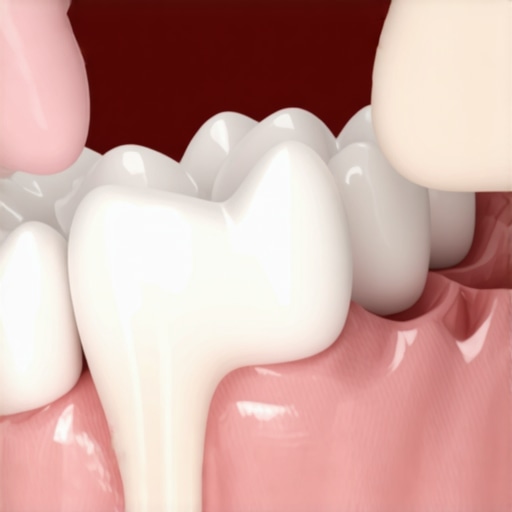 Once that enamel is gone, it doesn’t grow back. Professional options are far safer because they use chemistry, not friction, to lift stains. Many people assume how regular teeth cleaning can prevent major dental issues is purely about removing plaque. In reality, it’s about the early detection of systemic issues. Did you know that your dentist can often spot signs of nutritional deficiencies or even diabetes before your primary doctor? If you are only going in when something hurts, you are missing the most valuable part of maintaining perfect oral health as a family. True expertise means looking past the surface level.
Can cosmetic dentistry actually save your teeth from future wear?
It sounds like a marketing pitch, but it’s actually a mechanical reality. If your teeth are misaligned or have uneven edges, they don’t distribute the force of your bite correctly. By looking into the impact of cosmetic dentistry in 2025, you’ll see that modern treatments like veneers or bonding aren’t just for ‘vanity.’ They can actually provide a more stable biting surface, preventing further cracking or wear. This is a level of preventive tips for long-lasting dental health for families that goes beyond just checking for cavities. Have you ever fallen into this trap? Maybe you thought your gums were bleeding because they were dirty, when really you were just brushing too hard? Let me know in the comments. We’ve seen it all, and the first step to oral health myths debunked is realizing that sometimes, less is more.
Upgrade your toolkit for a professional-grade home routine
After we’ve navigated the hurdle of dental anxiety and fixed the underlying issues, the conversation shifts to ‘scaling’ your health so you never have to go back to survival mode. I personally believe that a manual toothbrush is a relic of the past for anyone serious about longevity. I switched to an electric brush with a built-in pressure sensor years ago, and it changed everything. The Journal of Clinical Periodontology published a long-term study showing that people who use powered toothbrushes have 21% less plaque after three months compared to manual users. It isn’t just about the vibration; it’s about the machine doing the work so you don’t over-scrub. When you learn how to brushes your teeth without damaging receding gum lines, you realize the tool should do the movement while you simply guide it. For my family, we prioritize maintaining perfect oral health as a family by using water flossers on a medium setting. It’s far more effective at clearing debris from under the gumline than traditional string, especially if you have existing dental work like bridges or crowns.
Why I ditched the goopy impressions for digital scans
One of the biggest shifts in family dentistry is how we track your progress over years, not just months. We’ve moved away from those uncomfortable trays that make you gag. I’m a huge advocate for why we use digital scans instead of goopy impression trays. These 3D models allow us to overlay your current smile with your scan from three years ago. We can see exactly where enamel is thinning or where teeth are shifting by fractions of a millimeter. This data-driven approach is the ultimate form of preventive tips for long-lasting dental health for families because it catches mechanical wear before it becomes a structural crack. 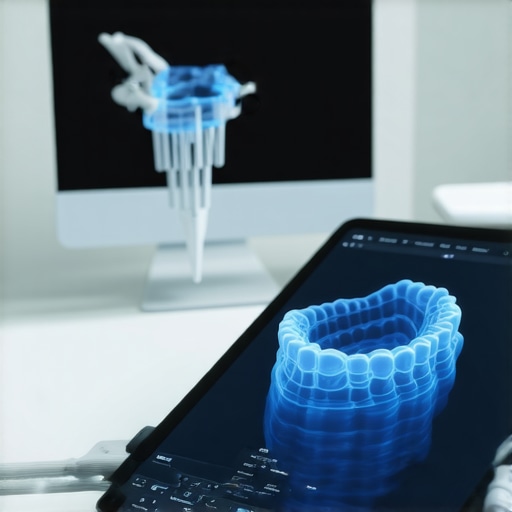
How do I keep my smile looking new for decades?
Consistency is the boring answer, but the way you are consistent matters. If you’ve invested in the impact of cosmetic dentistry in 2025, you need to treat those restorations like the fine machinery they are. I tell all my patients to avoid abrasive ‘whitening’ pastes that contain silica. Instead, look for a hydroxyapatite-based paste which actually helps remineralize the surface. I predict that in the next five years, we will see ‘smart’ brushes that use AI to identify the chemical composition of your saliva in real-time, alerting you to acidity spikes before they can cause a cavity. For now, my best advanced tip is to wait 30 minutes after eating anything acidic before brushing. This allows your saliva to naturally re-harden the enamel that was softened by the acid. If you want to see how these modern methods can specifically help your situation, take a look at what to expect with cosmetic dentistry and how we plan for the long haul.
The Hard Truth About Trying to ‘White-Knuckle’ Dental Visits
After years of helping patients navigate their fears, I’ve realized three core truths that change the game for anyone living in dread: First, fear is a physiological signal, not a character flaw. Your body is trying to protect you, and fighting it with sheer willpower usually backfires. Second, IV sedation is a tool for equity; it levels the playing field for those with sensory sensitivities or high anxiety, making family dentistry accessible to everyone regardless of their past. Finally, the ‘perfect’ routine is the one you actually do. Complexity is the enemy of consistency, so if your process is painful or exhausting, you won’t stick with it. Real progress happens when we stop trying to be ‘brave’ and start being strategic about our care.
The Three Tools I Use to Keep My Smile Strong Without the Stress
I’ve tested dozens of products, and these are the three I trust for maintaining oral health without causing damage: 1. A Water Flosser with Variable Pressure: This is non-negotiable for those of us who tend to be too aggressive with string. It protects your gums while reaching places manual tools can’t. 2. Hydroxyapatite Toothpaste: This is a massive game-changer for teeth cleaning at home because it helps rebuild enamel surface naturally rather than using harsh abrasives. 3. A Sonic Brush with a Pressure Sensor: It acts like a coach in your hand, stopping the vibration if you scrub too hard, which is vital for preventing gum recession.
Why the Best Dental Visit is the One You Actually Attend
The journey from parking-lot-panic to a confident smile doesn’t happen overnight, but it starts the moment you stop blaming yourself for your anxiety. Whether you are curious about what to expect with cosmetic dentistry or just need a simple check-up, remember that you are the one in control. Modern techniques like IV sedation are here to ensure that your physical health never has to come at the expense of your mental well-being. If you are ready to rewrite your story, take a look at our oral health myths debunked to see what else you might be over-thinking. You deserve a smile that makes you feel powerful, not paralyzed. Feel free to reach out to us on our contact us page to discuss a plan that fits your comfort level. Have you ever postponed a dental visit because of anxiety? Let me know in the comments below.