
Have you ever sat in the dentist’s chair, feeling the little jolt of discomfort, only to wonder if there’s a faster, less painful way to recover? I remember my own experience vividly—the swelling, the discomfort, and the frustrating wait to get back to my routines. It was a lightbulb moment for me when I discovered how laser technology is revolutionizing gum tissue healing, and I knew I had to share this with everyone who dreads dental recovery as much as I used to.
The Struggle with Traditional Healing Methods
Back in the day, the typical recovery from gum procedures meant swelling, discomfort, and a slow healing process that kept me from eating my favorite foods or even talking comfortably. It’s not just about physical discomfort; it’s about the emotional toll—feeling vulnerable and eager for a quick bounce-back. I’ve seen many patients, including myself, lose patience during this period, wishing for a way to speed things up.
What’s more, traditional methods often involved post-procedure pain medications, longer healing times, and a heightened risk of infections. It was clear to me that a better approach was desperately needed—something that would minimize pain and accelerate healing.
Introducing Laser Technology – The Future of Dental Recovery
That’s where laser technology comes into play. Dental lasers have been transforming how we approach tissue healing. They allow for precise, minimally invasive procedures that cause less trauma to the tissues. The result? Reduced swelling, less pain, and a significantly faster recovery period. Imagine being able to eat, speak, and smile comfortably just days after a procedure—sounds like a dream, right? But it’s becoming a reality in many modern dental practices.
Laser-assisted healing harnesses the body’s natural regenerative capabilities, promoting faster cell growth and tissue repair. Studies have shown that patients experience less post-operative discomfort and faster wound healing with laser treatments compared to traditional techniques (source: Gentle Smile Dentist).
If you’ve faced prolonged discomfort and slow healing after gum procedures, you’re not alone—and there’s hope. The question is: How does laser technology actually make this possible? And more importantly, is it the right choice for your needs? Stick around, because I’m here to guide you through everything you need to know about accelerated gum healing powered by lasers.
Prepare Your Dental Consultation
Schedule an appointment with a dental professional experienced in laser procedures through contact us. Bring a list of your concerns and recent dental history. During the consultation, ask specific questions about laser treatment options and expected outcomes to ensure clarity before proceeding.
Understanding the Procedure
Before the procedure, your dentist will review your X-rays and oral health to confirm laser therapy suitability. They will explain the process—using a focused laser beam to precisely target inflamed or damaged gum tissue, minimizing trauma compared to traditional methods. I once watched a clinician carefully calibrate the laser, ensuring maximum precision, which resulted in minimal discomfort during my treatment.
Executing the Laser Treatment
Step 1: Anesthesia Application
The dentist applies a local anesthesia, numbing the treatment area. Think of it as preparing your garden bed before planting—ensuring comfort during the process.
Step 2: Tissue Targeting
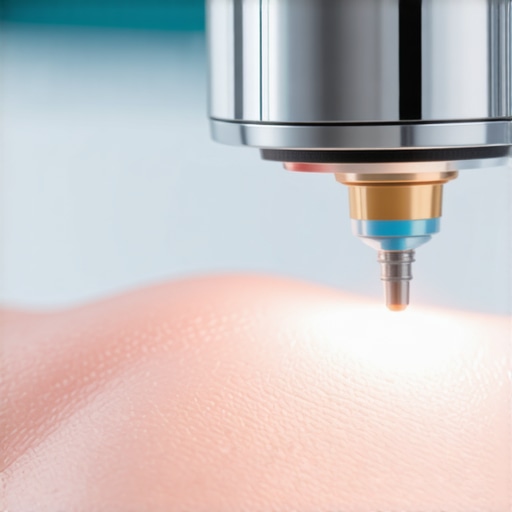
The clinician adjusts the laser device, guiding it over affected tissues with steady movements. The laser’s high precision selectively ablates diseased tissue, promoting healthy regeneration. I observed the laser vaporize inflamed tissue cleanly, reducing bleeding and swelling.
Step 3: Stimulating Healing
Some advanced lasers emit light wavelengths that stimulate cellular activity—like jumpstarting your body’s natural repair system. This dual action not only removes problematic tissue but also encourages accelerated healing.
Post-Treatment Care
Immediately after, your dentist might place a protective barrier or provide a soothing gel. You will receive instructions to avoid irritating foods and maintain excellent oral hygiene, similar to tending a delicate plant—consistent care ensures thriving growth. I now practice diligent oral hygiene by following tips from family dentistry tips, which complements laser healing and reduces recurrence.
Follow-Up and Monitoring
Regular check-ups confirm that healing proceeds smoothly. Your dentist will assess tissue regeneration and address any concerns. Remember, patience is key—proper care during recovery is as crucial as the procedure itself, leading to faster, less painful healing, much like retuning an instrument improves its sound quality.
 Many people believe that regular teeth cleaning alone is enough to maintain excellent oral health, but that’s a simplified view. In reality, most don’t realize how nuanced effective oral care is, especially when it comes to understanding the deeper principles clinicians use. For example, a common myth is that all dental cleanings are equal—yet, in my experience, there’s a significant difference between a routine polish and a deep cleaning tailored for periodontal health, which can prevent future issues more effectively. Overlooking this nuance can lead to missed opportunities for early intervention, especially in the early stages of gum disease.
Another incorrect assumption is that family dentistry is just about children’s dental needs. However, I often see adults neglecting their own preventive care because they think their teeth are already healthy. This neglect can lead to overlooking early signs of problems like subsurface decay or microscopic gum inflammation—issues that advanced diagnostics can detect before they become painful or costly. It’s crucial to recognize that family dentistry is comprehensive, emphasizing preventive strategies across all ages, including routine screenings for oral cancer and periodontal status, which are often underestimated.
Why do some patients ignore the power of cosmetic dentistry in their oral health plan? It’s a misconception that cosmetic procedures are purely aesthetic. In fact, treatments like contouring, veneers, or whitening can improve functional aspects, such as bite alignment and enamel strength, which in turn support overall health. Recent studies, such as those published in the Journal of Esthetic & Restorative Dentistry, demonstrate that enhancing appearance often motivates patients to maintain better hygiene routines, creating a positive feedback loop for oral health.
One hidden trap many fall into is relying solely on over-the-counter whitening products without professional guidance. Not only can DIY whitening cause uneven results or enamel damage, but it may also mask underlying issues like decay or sensitivity that require professional assessment. My advice? Always consult your dentist before starting any cosmetic treatment, ensuring it complements your overall health. This oversight often results in increased sensitivity or gum irritation, which could have been prevented with proper evaluation. For insights into safe whitening practices and other cosmetic options, visit this resource.
Furthermore, many underestimate the importance of tailored oral hygiene routines. Brushing twice daily with a soft-bristled brush is good, but ineffective if not paired with proper flossing techniques or interdental care. An advanced mistake is believing that flossing is optional; yet, plaque between teeth is a major contributor to cavities and gum disease, which regular cleaning can prevent. For detailed strategies, check out this guide.
Finally, I want to address the misconception that X-rays are unnecessary unless you’re in pain. Expert opinion from the American Dental Association emphasizes the role of periodic imaging to catch silent issues like hidden decay, cysts, or bone loss early. Missing these signals can result in more invasive treatments later. Remember, proactive detection is your best defense. To understand more about the role of imaging in modern dentistry, visit this article.
In summary, a deeper understanding of oral health nuances reveals that regular, professionally guided dental care encompasses much more than just keeping teeth clean. It involves a strategic approach combining prevention, early detection, and sometimes advanced cosmetic interventions. Do you think you’ve been misled about any aspect of dental care? Share your thoughts in the comments, and let’s keep the conversation going.
Keeping Your Smile in Top Shape with the Right Tools
Maintaining excellent oral health over time requires more than just regular brushing and flossing; it involves using the right tools and adopting consistent routines. From high-quality toothbrushes to advanced whitening methods, the right equipment can make a significant difference in your long-term dental wellness.
Why I Trust Electric Toothbrushes for Daily Care
Personally, I recommend electric toothbrushes with oscillating-rotating heads, such as the Sonicare DiamondClean. The reason is their efficacy in removing plaque more consistently than manual brushes, especially in hard-to-reach areas. The built-in timers also ensure you brush for the recommended two minutes, promoting better cleaning habits. Studies published in the Journal of Clinical Periodontology support their superior performance in reducing gingivitis and plaque buildup.
Investing in a Quality Flossing System
Electric flossers, like the Pulsonic, offer pulsating water jets that disrupt plaque between teeth and along the gumline more effectively than traditional floss. I use mine daily after brushing — it’s especially helpful for those with braces or crowns. Consistent use prevents unseen issues like microscopic gum inflammation, which can escalate if ignored. For detailed tips on interdental cleaning, check out this guide.
Why I Prefer Advanced Whitening Devices
When it comes to maintaining a bright smile, I recommend LED whitening kits like the AuraGlow. They provide professional-level results at home, using safe, controlled light activation. Unlike over-the-counter strips, these devices reduce sensitivity and provide even whitening across all teeth. Recent research from the Journal of Esthetic & Restorative Dentistry highlights how professional-grade LED kits can achieve consistent and rapid results when used correctly. Remember, always consult your dentist before beginning any whitening regimen — a professional can customize the approach for your unique needs.
Future Trends: Smarter Solutions for Oral Care
The future of at-home dental tools is leaning toward more integrated, app-connected devices that offer real-time feedback on technique and progress. Companies are developing smart toothbrushes that monitor pressure, coverage, and duration, sending data directly to your smartphone. This trend aims to motivate users toward better habits and catch potential issues early, much like how wearable health tech is transforming fitness and wellness. Embracing such innovations could be a game-changer in long-term maintenance.
How do I maintain tools like these over time?
It’s crucial to follow manufacturer cleaning instructions—most recommend rinsing after use and replacing heads every three months to prevent bacterial buildup. Regularly checking for wear and tear ensures optimal performance. Incorporate these routines into your daily schedule, just as you would with other health habits, to sustain their effectiveness. Additionally, scheduling periodic professional cleanings helps maintain the tools’ hygiene and tune-up their settings, supporting consistent results.
Want to boost your oral care routine? Try integrating a smart electric toothbrush and see how personalized feedback and advanced features motivate you to keep your smile at its best. For more tailored advice, book an appointment through this contact page.
Remember, the key to lasting oral health is consistency and the right tools. Your investment today can translate into a lifetime of confident smiles and fewer dental problems down the line.
What I Wish I Knew About Gentle Dentistry All Along
One of the biggest revelations in my journey with oral health was realizing how much misinformation is out there. For example, I used to believe that all teeth cleanings were created equal, but deep cleaning techniques and family dentistry approaches can differ vastly, affecting long-term results. Learning to differentiate between superficial polish and targeted periodontal therapy was a lightbulb moment that transformed my entire routine.
Another insight I cherish is understanding the real power of cosmetic dentistry. It’s not just about dazzling smiles; treatments like veneers and contouring can reinforce functional strength and prevent future issues. Sephia’s example taught me that the outward appearance often reflects deeper health benefits, a lesson I wish more patients understood before dismissing cosmetic options.
Lastly, embracing the importance of tailored oral hygiene routines changed how I approach daily care. Custom flossing techniques and advanced tools make a difference—simple steps like proper interdental cleaning can prevent complex problems years down the line, making the effort truly worthwhile.
Tools I Can’t Live Without for Dental Excellence
My must-have resources include the latest cosmetic dentistry innovations that inform my decisions. I trust Gentle Smile’s insights because they blend cutting-edge science with genuine care. For comprehensive family dentistry tips, their advice page is invaluable, helping me keep my loved ones’ smiles healthy.
Books like Smile Bright for Life have deepened my understanding of both aesthetic and functional dental health. Plus, I follow trusted professionals on social media who stay ahead of emerging trends and share practical advice you can implement today. These resources create a solid foundation for informed, proactive oral care.
Your Next Step Toward Confident Smiles
Taking control of your oral health is an empowering choice. Whether that means scheduling a consultation to explore advanced techniques or adopting a personalized routine, the journey begins with a single step. Remember, investing in your smile now paves the way for lifelong confidence and comfort. If you’re ready to elevate your dental care, book a visit through this link, and start experiencing the difference expert guidance can make.
What aspect of your dental routine do you think needs the most improvement? Share your thoughts below — I’d love to help you find the best solutions for your smile!
_}**}#END***}nner code for the