
Ever experienced that persistent itchiness in your gums, but notice no bleeding or obvious sign of trouble? I used to brush it off, thinking it was just sensitivity or maybe dry mouth, until I had that lightbulb moment during a routine check-up. It hit me—there’s more going on beneath the surface than I realized. That strange itchiness? It wasn’t just a fleeting annoyance. It could be a warning sign of underlying issues that many overlook.
Unmasking the Silent Signs of Gum Trouble
If you’ve ever felt an inexplicable itch in your gums, you’re not alone. It’s a subtle symptom that often gets dismissed or ignored. But why does this happen without the classic bleeding or swelling? The truth is, your gums can be signaling distress long before more obvious signs appear. Recognizing this early can save you from more serious issues down the line, like periodontal disease or even systemic health problems. In fact, recent studies have shown that gum health is directly linked to overall well-being, affecting conditions such as heart disease and diabetes (source).
Does Gum Itching Really Need Attention?
Early on, I made the mistake of dismissing my gums’ signals, brushing it under the rug as minor sensitivity. But I learned that ignoring these warning signs can lead to more aggressive issues that require extensive treatment. Understanding the root cause of gum itchiness, even without bleeding, is crucial. It may be related to gum inflammation, allergies, or other less obvious factors. As we delve deeper, I’ll share practical tips and expert advice to address this peculiar symptom effectively. Stay tuned—your oral health might depend on it.
If this sounds familiar, don’t brush it off. Recognizing the significance of subtle signs can be the first step toward a healthier, more comfortable smile. And if you’re curious about the latest advancements in cosmetic or family dentistry, I’ll point you toward some helpful resources as well. Let’s uncover what’s really going on with your gums and how to keep them happy and healthy for years to come.
Start with a Thorough Oral Examination
The first step is scheduling a comprehensive dental check-up with your dentist. During the exam, your dentist will assess for signs of inflammation, plaque buildup, or other underlying issues that could be causing your gum itchiness. I remember a time when I visited my dentist after noticing persistent gum discomfort; a careful examination revealed early signs of gum recession, which we promptly managed to prevent further damage. Regular check-ups help catch issues before they escalate.
Identify and Address Allergic Reactions
Gum itching can result from allergies to certain foods, dental products, or environmental allergens. To pinpoint the cause, consider any recent changes in your oral care routine or environment. An elimination approach—removing potential irritants—can help identify triggers. For example, I once switched toothpaste and noticed reduced gum discomfort, highlighting the importance of choosing hypoallergenic products. Consult your dentist before making significant changes to your oral hygiene products.
Maintain impeccable Oral Hygiene Practices
Effective teeth cleaning is crucial. Brush twice daily with a soft-bristled toothbrush—think of it as gently sweeping debris away rather than scrubbing like a madman. Incorporating gentle interdental cleaning, such as flossing or water irrigation, removes plaque from between teeth and along the gumline. This prevents tartar buildup, which can irritate gums. I remember attempting to clean between my teeth aggressively, which caused more discomfort; soft, consistent cleaning is key.
Utilize Proper Brushing Techniques
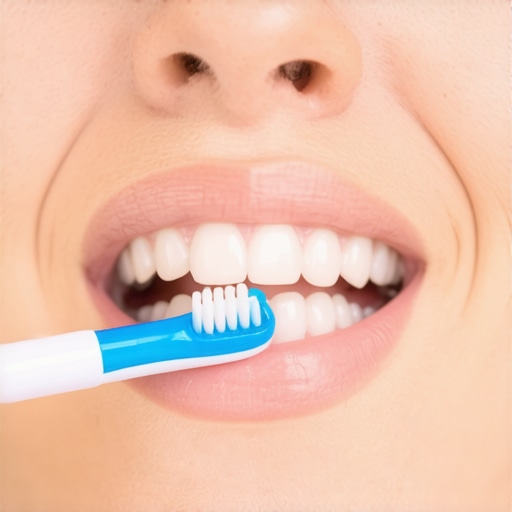
Angle your toothbrush at 45 degrees toward the gum line and use gentle, circular motions. Avoid harsh scrubbing, which can damage delicate gum tissue and exacerbate itchiness. I learned this lesson the hard way when vigorous brushing led to red, sensitive gums—by switching to gentle strokes, my symptoms improved rapidly.
Incorporate Professional Dental Cleanings
Scheduling routine professional cleanings—at least twice a year—removes hardened plaque and tartar that home care can’t reach. These cleanings help maintain healthy gums and can prevent or address early signs of gum issues. During my last cleaning, the hygienist used specialized tools to clean below my gumline, significantly reducing my gum irritation and preventing progression to more serious conditions.
Explore Preventive Treatments and Innovations
Advancements in cosmetic dentistry and preventive care offer additional ways to protect your gums. Treatments like professional fluoride applications or sealants strengthen enamel and reduce sensitivity. For those with ongoing gum concerns, barrier sealants can prevent allergens or irritants from causing further discomfort. Staying informed about these innovations can empower you to take proactive steps—check the latest trends in cosmetic dentistry trends for ideas.
Adjust Lifestyle Habits
Smoking, stress, and diet also influence gum health. Smoking impairs circulation and delays healing, so quitting can significantly improve outcomes. Stress weakens the immune system, making it harder for your body to fight off irritants and infections. Incorporating foods rich in vitamins C and D supports tissue repair and immune function. I personally increased my intake of leafy greens and citrus, noticing a reduction in gum sensitivity over time.
Manage and Monitor Symptoms
Keep track of any changes in your gum condition. Persistent itching, even after improved hygiene, warrants professional attention. Using soothing rinses, such as saline solutions, can temporarily alleviate discomfort. If itchiness persists beyond a few days or worsens, consult your dentist promptly to avoid progression to serious conditions like periodontal disease.
Implementing these concrete steps creates a proactive approach to maintaining healthy gums and a confident smile. Regular attention and informed practices are your best defense against subtle warning signs turning into major health issues.
 Many people believe that cosmetic dentistry is merely about achieving a perfect smile through quick fixes like veneers or teeth whitening, but in reality, there’s more nuance involved. For instance, some think that teeth whitening treatments are entirely safe and universally effective, yet overuse or improper procedures can lead to tooth sensitivity or even enamel erosion, as highlighted in recent studies (source). It’s a common myth that brushing harder will clean teeth better; in truth, aggressive brushing can damage gum tissue and cause recession. Also, many underestimate the importance of professional cleanings, assuming home care suffices, but plaque buildup below the gumline often requires a skilled hand to remove safely. This oversight can lead to periodontal issues that, if neglected, might necessitate invasive treatments later. For families, some believe that once children are past infancy, regular dental visits become optional, but early dental assessments help prevent decay and establish lifelong good habits. Are you aware of the hidden pitfalls in your oral health routine? Let me share an advanced tip: understanding the science behind new cosmetic innovations can ensure you’re choosing treatments that offer longevity and safety. For example, cutting-edge ideas like contouring veneers can offer natural aesthetics when applied correctly—discover more here. A common mistake is neglecting the subtle signs of gum recession or inflammation, which can often be mistaken for aging or minor irritation but may indicate underlying periodontal disease—a condition linked to heart health (source). Don’t fall into the trap of assuming your daily routine is sufficient; professional assessments reveal issues early. Remember, maintaining robust oral health isn’t just about appearance; it’s intertwined with systemic wellness. Regular visits, proper techniques, and awareness of emerging treatments can save your smile and your health in the long run. Have you ever fallen into this trap? Let me know in the comments.Maintaining your oral health over the years requires more than just brushing and flossing; it’s about leveraging the right tools and methods to ensure longevity. One of my personal favorites is using a water flosser, such as the Waterpik, which I’ve found exceptionally effective at removing debris from hard-to-reach areas and reducing gum inflammation. This device helps prevent tartar buildup and complements my routine, making weekly professional cleanings even more effective. For those interested in cosmetic improvements, I recommend exploring the latest trends in cosmetic dentistry. Staying updated on innovations like contouring veneers or laser whitening can provide long-lasting results when combined with regular maintenance. To keep track of your oral health effectively, I rely on diagnostic software like Dentrix Ascend, which consolidates your dental history and helps monitor progress over time. Digital tracking not only alerts me to potential issues early but also assists in planning future treatments, especially as the field moves toward AI-assisted diagnostics predicted to become standard practice (source). How do I maintain my dental tools for longevity? I recommend routinely sterilizing your toothbrush with UV sanitizers, replacing manual brushes every three months, and cleaning electric brush heads thoroughly. Speaking of long-term results, consistent use of desensitizing toothpaste can prevent sensitivity after treatments or whitening, preserving your smile’s brightness without discomfort. As technology advances, I believe we’ll see more AI-integrated tools that customize oral care routines based on individual needs, potentially revolutionizing family dentistry. For now, establishing a routine with proven equipment and expert support remains your best strategy. Want to elevate your dental care? Start by investing in a high-quality water flosser today—your gums will thank you.
The Hidden Wisdom of Personal Experience in Dental Care
- One lesson I wish I had embraced earlier is the importance of listening to my gums’ subtle signals rather than dismissing them. Those tiny itchies and sensitivities often hide bigger issues, and recognizing them early can save you a lot of trouble down the line.
- Another insight came from understanding that not all dental myths are harmless. For example, the idea that brushing harder cleans better led me to damage my gums, teaching me that gentle, consistent care is far more effective and healthy.
- Finally, I discovered that staying informed about advancements like new cosmetic treatments or preventive tools empowers you to make better choices. Sometimes, the latest innovations can offer solutions that traditional approaches can’t match—it’s worth exploring.
Tools That Changed My Approach to Oral Health
- Keeping up with trusted resources like the latest in cosmetic dentistry trends helps me stay ahead in making smart decisions about treatments that are both safe and long-lasting.
- The guidance found in reputable books, such as those on preventative family dental care, provided a solid foundation for establishing routines that work well for my entire family. As I learned, a proactive approach is always better than reactive fixes.
- Digital tools like dental tracking apps enable me to monitor my progress, remember appointments, and ensure that I don’t overlook crucial preventive measures like professional cleanings or checkups.
- Lastly, consulting with specialists regularly has opened my eyes to personalized care options that suit my lifestyle and needs, reinforcing that ongoing professional support is vital for long-term health.
Find Your Motivation to Care for Your Smile Today
Remember, your smile is a reflection of your overall health, and taking proactive steps can drastically improve your quality of life. No matter where you start, small consistent efforts—like regular dental visits and mindful hygiene—build a foundation for a confident, vibrant smile that lasts a lifetime. So, why wait to start making positive changes? Your future self will thank you for it.
What’s the one oral health habit you’re excited to improve? Let me know below—your journey might just inspire others to take that next step!