
Have you ever experienced that jolt of panic when you bite down and realize your tooth has cracked during a flight? I remember the moment vividly. It was mid-air, somewhere over the Atlantic, when a sharp pain shot through my jaw. There was no dentist in sight, and my mind raced through a mix of embarrassment and worry. That lightbulb moment, when I realized I was entirely unprepared for such a dental emergency while flying, changed everything for me.
When you’re thousands of miles from home, facing a broken tooth can feel overwhelming. The discomfort is one thing, but the uncertainty about what to do next can be downright paralyzing. I want you to know—you’re not alone, and there are practical ways to manage this situation effectively. Today, I’ll guide you through simple, realistic steps to handle a broken tooth when you’re stuck on a long-haul flight, based on my own experience and research.
Why a Broken Tooth Mid-Flight Is More Common Than You Think
When you think about dental emergencies, you might imagine localized issues like cavities or gum infections. But teeth can crack or break unexpectedly, especially if you have underlying vulnerabilities like weakened enamel or recent dental work. Interestingly, according to a 2020 dental health report, nearly 10% of dental emergencies occur during travel or outside regular clinic hours, highlighting how common this scenario truly is. Imagine sipping hot coffee and feeling that sudden, awkward crack—it’s enough to ruin an entire trip.
Dealing with this situation is tricky. You can’t just walk into your trusted dentist’s office, and, let’s face it, many of us don’t carry a dental kit in our carry-on. Early on, I made the mistake of trying to fix my broken tooth with over-the-counter painkillers and ignoring the problem. That was a mistake. Proper management begins with understanding what’s immediately necessary to prevent further damage or pain.
In the next sections, I’ll walk you through critical first-aid tips I discovered, how to communicate effectively with airline staff, and when to seek emergency dental care once you land. So, if you’ve ever faced a cracked or broken tooth during travel, stay with me—you’ll learn the practical steps to navigate this uncomfortable, stressful situation.
Stabilize the Damage Quickly
As soon as you notice the crack, gently rinse your mouth with cold water to remove any debris and reduce inflammation. Avoid touching the area with your fingers or tongue to prevent further damage. If bleeding occurs, apply gentle pressure with a clean tissue. I once experienced this during a flight, and rinsing helped soothe the area temporarily until I could take further action.
Manage Pain and Sensitive Areas
Apply a cold compress or an ice pack wrapped in a cloth to your cheek for 10-15 minutes to numb pain and decrease swelling. Over-the-counter pain relievers like ibuprofen or acetaminophen can be taken as directed, but avoid aspirin which can thin the blood. During my experience, using a cold pack made a noticeable difference in pain levels, enabling me to think more clearly while seeking assistance.
Protect the Tooth from Further Damage
If a piece has broken off, locate it carefully. Rinse it gently and store it in a container with milk or saliva—these fluids help preserve the tissue until professional help is available. Remember, keeping the fragment moist increases the chances of successful reattachment. I saved my fragment in milk, which kept it viable until I reached a dentist, avoiding the need for a crown or composite restoration.
Disable Contact Points
To prevent the cracked tooth from worsening, avoid chewing on that side and stick to soft foods like yogurt, mashed potatoes, or scrambled eggs. Use dental wax or a piece of sugar-free gum to cover sharp edges temporarily and minimize irritation. Once during travel, I noticed a particularly sharp edge; covering it with wax provided instant relief and protected my cheek from cuts.
Communicate Clearly with Airline Staff
Seek assistance from flight attendants quickly. Explain the situation succinctly—mention your discomfort, the need for urgent dental care after landing, and request any available measures, like adjusting your seat or providing ice packs. I learned to be direct; politely informing staff kept me well-supported during the flight. They might also help locate emergency dental services at your destination.
Plan for Immediate Dental Care After Landing
Research clinics ahead of time through your phone or travel guides. Use online searches with keywords like “emergency dentist” in your destination city, or contact your insurance provider if applicable. For example, I called a local dental clinic before landing, which allowed me to schedule an appointment promptly. Remember, prompt professional treatment can prevent infection, relieve pain, and restore tooth structure effectively.
Additional Tips for Future Preparedness
Consider carrying a portable dental emergency kit, including dental wax, gauze, a small mirror, and pain relief medication. Regular teeth cleaning and preventive care also reduce the risk of fractures. Even if not traveling, maintaining strong enamel through proper hygiene diminishes the chance of cracks or chips developing.
<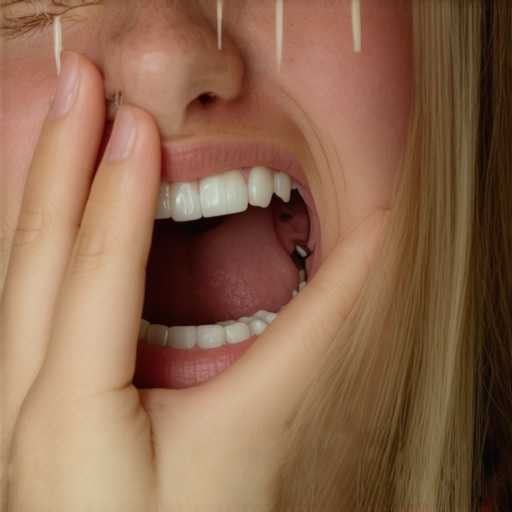 >Many people assume they understand the basics of oral health and cosmetic dentistry, but beneath the surface lie nuanced truths that are often overlooked. For instance, the widespread belief that routine teeth whitening is safe for everyone isn’t always accurate; certain underlying issues like enamel erosion can make whitening hazardous, as highlighted in recent research by dental experts. Moreover, a common mistake is neglecting the importance of comprehensive assessments before opting for cosmetic procedures—what seems purely aesthetic might impact functionality or oral health long-term.
Another misconception is that frequent use of whitening products accelerates stain removal. However, overuse can weaken enamel, increasing sensitivity and risking further discoloration. This nuance underscores why consulting with a dental professional is crucial before starting any cosmetic treatment. Similarly, the myth that hard brushing cleans better can lead to gum recession and enamel wear; gentle, effective brushing techniques are far more beneficial and are detailed in our guide to teeth cleaning techniques.
In family dentistry, many believe that children’s primary teeth are less important because they fall out anyway. In reality, neglecting infant oral health can cause misalignment and decay that affects permanent teeth—early intervention is key to preventing costly problems later. Additionally, misunderstanding the role of regular dental cleanings can cause patients to delay appointments, thinking they’re purely cosmetic. Regular cleanings help prevent major issues like cavities and periodontal disease, which can be far more destructive if ignored. You can learn more about how regular teeth cleanings safeguard your long-term oral health.
An advanced trap is assuming that dental products with the latest marketing claims are always the best. The reality is that not all innovations are backed by science; for example, ultrasonic scaling or laser treatments offer benefits but must be used appropriately. Over-promising solutions can lead patients to pursue unnecessary or ineffective procedures, so it’s vital to stay informed through credible sources and professional advice. For those curious about what trends are shaping
the future of cosmetic dentistry, check out our latest trends—they might surprise you.
One of the most overlooked aspects is how small daily habits impact oral health long-term. For example, frequent snacking or acidic drinks can erode enamel subtly yet steadily. Identifying and modifying these behaviors can prevent the need for extensive restorations later. Moreover, many forget that a comprehensive approach, including proper diet, habits, and professional care, is essential—this holistic view often goes beyond what quick-fix products claim to offer. For practical advice on maintaining your dental health, explore our expert tips for lifelong oral health.
Are you falling prey to any of these myths or traps? Share your experiences or questions in the comments—I’d love to hear how you’re navigating your dental journey.Maintaining your oral health over the years requires more than just regular brushing; it involves using the right tools, adopting effective methods, and staying proactive. one of my personal favorites is the ultrasonic scaler, which I rely on during professional cleanings to remove plaque and tartar efficiently, especially in hard-to-reach areas. Unlike manual tools, ultrasonic scalers use high-frequency vibrations to break down deposits while also disrupting bacterial biofilms, leading to healthier gums and fresher breath. Additionally, I recommend investing in a high-quality electric toothbrush with a timer and pressure sensor, which helps ensure you’re cleaning effectively without damaging enamel or gums. I personally prefer models that feature oscillating-rotating heads because they mimic professional cleaning motions, providing superior plaque removal compared to standard manual brushes.
When it comes to daily hygiene, using interdental brushes instead of traditional floss offers better interdental cleaning, especially for those with bridges or wider spaces between teeth. I find that incorporating a water flosser, such as the Waterpik, greatly enhances plaque removal and is gentler on sensitive gums—plus, it’s especially helpful for individuals with braces or dental restorations.
Looking ahead, I predict that artificial intelligence-powered dental apps and smart devices will become commonplace, offering personalized brushing and flossing feedback, tracking oral health trends, and alerting users to potential issues early. For instance, some apps now analyze brushing patterns to improve technique and prevent common mistakes like applying too much pressure.
How do I maintain my dental tools over time?
Proper maintenance of your dental equipment is crucial for long-term success. Rinse electric toothbrush heads thoroughly after each use, dry them, and replace every three to four months or sooner if bristles fray. For ultrasonic scalers or water flossers, follow the manufacturer’s cleaning instructions carefully—typically, this involves descaling with vinegar or manufacturer-approved solutions to prevent bacterial buildup and ensure optimal performance. Regularly checking for wear and tear ensures these devices continue to operate effectively, saving you money and preventing potential infections.
Don’t forget that, just like your body, your dental tools benefit from routine professional attention: schedule biannual dental cleanings to preserve your equipment’s longevity and your oral health. As highlighted in our comprehensive [guide to teeth cleaning techniques](https://gentlesmiledentist.com/the-ultimate-guide-to-teeth-cleaning-techniques-and-benefits), proper cleaning and maintenance extend the lifespan of your tools and protect your smile.
Ultimately, investing in advanced tools and maintaining them diligently pays off by keeping your teeth in top shape for years. Try incorporating a water flosser into your daily routine today—it’s a game changer for long-term oral health. Remember, consistent care and the right technology are the foundation of a healthy smile that lasts a lifetime.
Lessons Only Experience Can Teach
One of my deepest insights is to never underestimate the value of preparation; a compact dental emergency kit can be a game-changer when disaster strikes mid-flight. I once thought a quick rinse was enough, but I learned that storing tooth fragments in milk actually increased the chances of successful reattachment, a detail I only discovered after facing my own mishap. Additionally, I realized that cold packs not only eased pain but also helped me stay calm—an underrated skill during dental emergencies. Finally, I learned the importance of researching local dental services beforehand; knowing exactly where to turn once I landed made all the difference.
Tools and Resources That Transformed My Approach
My trusted toolkit includes a portable dental repair kit with dental wax, gauze, and a small mirror, which I trust because it’s simple yet effective. The book The Ultimate Guide to Teeth Cleaning Techniques helped me understand how proper oral hygiene can minimize the risk of cracks and chips, making emergencies less likely. I also rely on reputable online directories to quickly locate emergency dental clinics at my destination, saving precious time. Lastly, subscribing to informative newsletters from trusted dental professionals keeps me updated on best practices and new products that can help in unforeseen situations.
Embracing a Proactive Mindset to Protect Your Smile
Taking responsibility for your dental health involves regular check-ups, caring for your teeth properly, and staying informed about potential risks—like weakened enamel or previous dental work—so you’re never caught unprepared. I’ve found that mindfulness in daily habits, like avoiding hard foods during times of stress or after dental procedures, significantly reduces the chance of emergencies. Remember, your smile is an investment; being proactive ensures it remains bright, healthy, and resilient for years to come. Start by implementing small measures today, and embrace the confidence that comes with being ready for any dental surprise.