
I vividly remember sitting in my dental chair, feeling perfectly fine—no pain, no discomfort. Yet, my dentist insisted on taking X-rays. At the time, I felt a mixture of confusion and a bit of anxiety. Why subject myself to radiation when I wasn’t experiencing any issues? That moment sparked my curiosity about the true purpose of dental X-rays, even in seemingly perfect oral health. Over time, I learned that these images serve as vital tools for catching problems before they become painful or costly.
Why Are Dental X-Rays a Non-Negotiable Part of Routine Care?
X-rays provide a window into the unseen parts of your mouth—the roots, bones, and hidden cavities. They help dentists spot issues early, like decay between teeth or bone loss, that are invisible during a basic visual exam. Think of them as a proactive health screening, much like a chest X-ray for your lungs, but tailored to your smile. Interestingly, according to research published in the Journal of the American Dental Association, routine X-rays aid in detecting hidden dental problems that could escalate without early intervention (source: https://jada.ada.org/).
Have you ever wondered if these images are truly necessary every time? I certainly questioned it early on. But in my own journey, neglecting X-rays led to overlooking issues until they caused pain and required more invasive treatments. That mistake reminded me why these routine scans are critical—even when everything seems fine on the surface.
Now, let’s explore what exactly these images reveal and how they play a crucial role in maintaining your oral health. Whether you’re new to dental visits or a long-time patient, understanding the purpose of X-rays can help you appreciate their value and reduce any fears about their necessity.
Establish a Consistent Brushing Routine
My personal experience with improving my oral care began with setting a strict brushing schedule. I started by brushing twice daily for at least two minutes, using a soft-bristled toothbrush to avoid irritating sensitive gums. I made it a point to replace my toothbrush every three months to ensure optimal cleaning performance. Regular brushing removes plaque buildup that can lead to cavities and gum disease, much like cleaning your house to prevent clutter from becoming overwhelming.
Incorporate Proper Flossing Techniques
One morning, I decided to refine my flossing method. Instead of rushing through, I gently curved the floss around each tooth in a C-shape, sliding it beneath the gumline. This technique effectively dislodges food particles and plaque stuck between teeth. Think of flossing as sweeping debris from tight corners—it’s a small step with big benefits. If you’re unsure about your technique, consider visiting https://gentlesmiledentist.com/healthy-flossing-tips to learn how to floss correctly and prevent gum irritation.
Schedule Regular Dental Checkups and Cleanings
Next, I committed to biannual visits to my dentist. During appointments, professional cleaning removes tartar that accumulates despite daily brushing. I recall a visit where the hygienist used a special scaler to clean below my gumline, something I can’t do at home. These inspections also include X-rays, which can reveal hidden issues like early decay or bone loss—problems that, if caught early, are easier and less costly to treat. To find a trusted family dentist, visit https://gentlesmiledentist.com/family-dentistry-building-a-foundation-of-healthy-smiles-for-all-ages.
Adopt a Holistic Oral Hygiene Approach
I discovered that maintaining oral health goes beyond brushing and flossing. I started using an antibacterial mouthwash after brushing, which reduced bacteria in hard-to-reach areas. This practice acts as an extra defense against plaque buildup and bad breath. Close your mouth on a daily basis to combat dry mouth, which can promote bacterial growth. For tailored advice, explore https://gentlesmiledentist.com/maintaining-oral-health-expert-advice-for-a-lifetime-of-healthy-teeth to understand comprehensive strategies for lifelong oral wellness.
Make Dietary Choices That Support Dental Health
Realizing that sugar fuels cavity-causing bacteria, I cut back on sugary snacks and beverages. Instead, I increased my intake of crunchy vegetables and dairy products rich in calcium, which strengthen enamel. Replacing candy with healthier options helped me prevent cavities naturally. Think of your diet as the foundation of your dental fortress; strong dietary habits reinforce your teeth against decay.
Monitor and Address Dental Sensitivities Promptly
One challenge I faced was cold sensitivity after whitening treatments. I learned to use desensitizing toothpaste and avoided very cold drinks temporarily. Recognizing early signs allows for quick intervention, like applying fluoride treatments recommended by your dentist, to prevent discomfort from worsening. Staying attentive to these signals can save you from more extensive procedures later. For expert tips, visit https://gentlesmiledentist.com/how-regular-dental-cleanings-can-prevent-major-dental-issues.
Use Tools Designed for Your Dental Needs
I experimented with electric toothbrushes that have pressure sensors, helping me avoid over-brushing which can damage gums. Additionally, water flossers became a game-changer for cleaning around braces and implants. Choosing the right tools, much like selecting specialized equipment for a task, enhances your effectiveness. To explore the latest in dental technology, see https://gentlesmiledentist.com/cosmetic-dentistry-trends-that-transform-your-smile-this-year.
Maintain Good Habits Even When Traveling
Travel disruptions challenged my routine, but I kept a mini dental kit with a travel-size toothbrush, floss, and mouthwash. This ensured I stayed consistent wherever I was. Sticking to your routine is crucial; neglect can lead to plaque buildup and cavities. Think of your oral hygiene as a garden that needs daily watering, regardless of location. For tips on maintaining routines on the go, check https://gentlesmiledentist.com/preventive-tips-for-long-lasting-dental-health-for-families.
Recognize and Correct Bad Habits
I replaced nail-biting and teeth grinding habits by using mouthguards and stress management techniques. Identifying these habits early prevents enamel wear and fractures. Self-awareness is the first step; then, consult your dentist about protective devices or behavioral changes. Consider this an upgrade to your dental armor—preventing damage before it happens. Learn about habit correction at https://gentlesmiledentist.com/the-ultimate-guide-to-teeth-cleaning-techniques-and-benefits.
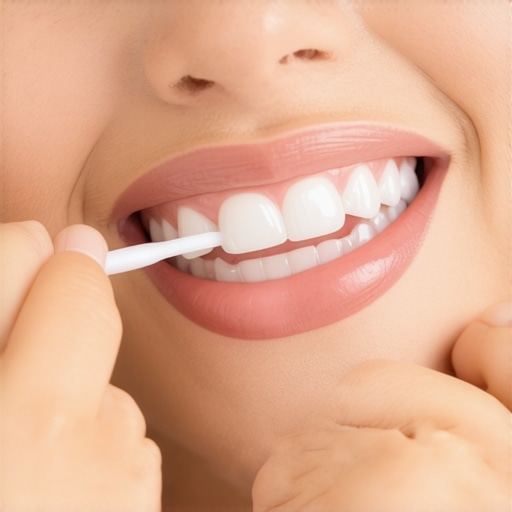 Many people assume that dental health is straightforward—brush twice a day, visit the dentist annually, and you’re good to go. However, as an expert in the field, I often see overlooked nuances that can dramatically impact your oral well-being. For instance, a prevalent myth is that all teeth whitening is safe and suitable for everyone. While professional whitening is generally effective, it can cause sensitivity or uneven results if not customized to your enamel type. Research from the Journal of Clinical Dentistry emphasizes that inadequate understanding of whitening agents’ pH levels and concentration can lead to enamel erosion or unwanted discoloration, underscoring the importance of professional guidance rather than DIY solutions. Another common mistake involves neglecting the subtle signs of gum disease. Many think bleeding gums are normal or insignificant. In reality, persistent bleeding during brushing is an early warning sign of periodontal issues that require prompt treatment to prevent tooth loss and systemic health problems. As highlighted in a review from the American Academy of Periodontology, untreated gum inflammation is linked to cardiovascular disease, making early intervention critical. What most people overlook is the complexity behind quality family dentistry—not just routine checkups but tailored preventive measures based on age, genetics, and lifestyle. Relying solely on standard cleanings without personalized assessments could leave potential issues unaddressed. For example, some patients unknowingly grind their teeth at night, leading to jaw pain and wear. Advanced tools like TMJ analysis or bite force measurements can detect these habits early. If you’re interested in a comprehensive approach, check out https://gentlesmiledentist.com/ or schedule a consultation. Make sure you’re aware of the trap of ignoring early symptoms—small signs today can evolve into costly treatments tomorrow. Regular, informed dental care isn’t just about aesthetics; it’s foundational to overall health. Have you ever fallen into this trap? Let me know in the comments. Remember, understanding these nuances empowers you to make smarter choices and maintain a healthier smile for years to come.Maintaining a vibrant, healthy smile over the years requires more than just good brushing habits; it hinges on utilizing the right tools and adopting consistent routines that stand the test of time. As someone passionate about delivering lifelong oral health, I can attest that investing in quality equipment and staying informed about emerging technologies can make all the difference.
How do I keep my oral health durable and effective?
One of my most recommended tools is the Sonicare DiamondClean electric toothbrush. I personally use it because its sonic technology delivers up to 62,000 brush movements per minute, effectively disrupting plaque and reaching areas manual brushes often miss. The smart timer and pressure sensor also help me prevent damaging my gums—an essential feature I rely on after years of experimenting with different devices. For those with sensitive gums, I suggest trying out the Oral-B Genius X, which comes equipped with AI recognition of brushing patterns, ensuring consistent cleaning without overdoing it.
Beyond the toothbrush, I swear by water flossers like the Waterpik Aquarius. I adopted it because it’s incredibly gentle yet effective at removing debris around braces or implants where traditional flossing can be tedious or ineffective. Regular use now prevents recurrent plaque buildup, decreasing my need for frequent professional cleanings. Interestingly, scientific research confirms water flossers can remove significantly more plaque from hard-to-reach areas compared to string floss—a revelation that transformed my approach to home care (source).
To further bolster my routine, I incorporate a smart oral health app, like Dental Monitoring. This app allows me to track my progress, record oral health concerns, and receive tailored advice from my dentist remotely. Technology like this ensures I stay consistent, especially during busy weeks, and provides an extra layer of accountability. The future of dental care is leaning heavily into personalized, tech-enabled solutions, making this an area worth watching.
Staying ahead with these tools not only enhances my daily hygiene but also helps catch issues early through integrated alerts. As research published in the Journal of Clinical Dentistry highlights, early detection and maintenance can significantly extend the lifespan of restorations and prevent costly procedures (source). I highly encourage trying out a high-quality electric toothbrush and a water flosser if you haven’t already. These investments genuinely pay off in the long term, reducing dental visits and preserving your smile’s health.
Looking forward, I believe the trend will replace traditional maintenance routines with smarter, more integrated systems, possibly incorporating AI diagnostics and biocompatible materials. This evolution means we’ll be able to customize care even more precisely, adapting to our unique needs and lifestyle challenges.
In the meantime, take a moment to evaluate your current tools. Are you using technology that genuinely enhances your home care? If not, consider starting with the devices I mentioned—sometimes, small upgrades make the biggest difference.
And if you’re eager to boost your routine further, I invite you to try integrating a smart app or device into your maintenance plan. Your future self will thank you! For personalized guidance or to explore advanced options, don’t hesitate to contact us via our contact page.
Remember, sustained oral health isn’t a one-time effort but a continual journey supported by the right tools and habits.
What I Wish I Knew About Smile Preservation That Changed My Routine Forever
One of the most valuable lessons I learned is that small daily habits compound into lifelong oral health. For instance, incorporating gentle flossing techniques not only prevents gum issues but also minimizes unexpected expenses down the line. I realized that investing a few extra minutes each day in proper brushing and flossing practices creates a ripple effect, leading to fewer dental visits and brighter, healthier teeth.
Another insight was recognizing how crucial personalized dental advice is. What works for one person might not suit another, especially considering unique genetics and lifestyle choices. Seeking out tailored recommendations from trusted professionals, like those at your local family dentist, can transform your approach and long-term results.
My Essential Toolkit for Maintaining a Radiant Smile
Over the years, I’ve come to rely on a few tried-and-true tools that make a noticeable difference. A high-quality electric toothbrush, such as the Sonicare DiamondClean, has been instrumental in achieving thorough cleaning with ease. Additionally, a water flosser like the Waterpik Aquarius offers gentle yet effective plaque removal, especially around braces or implants—something traditional floss can’t always achieve. Using these devices consistently has made my dental visits smoother and less invasive, boosting my confidence to smile freely.
Complementing these gadgets, I also incorporate an antibacterial mouthwash and a smart oral health app to track my progress and stay motivated. The combination of reliable tools and digital support keeps me vigilant and proactive about my oral health, embodying the future of personalized dental care.
Seize the Opportunity to Elevate Your Smile Journey Today
Your smile is one of your most powerful assets, and taking charge of your dental health can unlock newfound confidence and well-being. Remember, the journey to a radiant, healthy smile isn’t about perfection but consistency and informed choices. With the right habits, tools, and guidance, you can enjoy a vibrant smile that endures through life’s moments.
What small change will you make today to enhance your oral health? Share your plans below—I’d love to hear your commitment to a healthier smile!