
Ever been mid-conversation and suddenly noticed your dentures making that embarrassing clicking sound? I remember the first time it happened to me at a family gathering. I was sharing a funny story, feeling confident, when suddenly, my teeth betrayed me with a loud click. Mortified doesn’t even cover it. That tiny noise shattered my self-assurance in seconds. It was a real wake-up call that I needed to address this issue—not just for my peace of mind, but because those clicks can also indicate underlying problems.
Why Your Dentures Might Be Clicking and What It Means for You
Understanding why your dentures click is the first step toward regaining your talking confidence. The sound generally results from a poor fit or lack of stability when speaking or eating. It’s not just an annoyance; it can also lead to discomfort or even damage your dentures over time. From personal experience, I learned that ignoring these sounds can make issues worse. The good news: there are effective ways to minimize or eliminate the clicking, turning awkward moments into confident conversations.
Is Denture Clicking Really That Serious or Just Annoying?
Many folks dismiss the clicking as a minor inconvenience—something to tolerate. But that’s a mistake I made early on. I thought, “It’s just a nuisance,” and kept adjusting my dentures without real changes. Turns out, persistent clicking can imply poor denture fit, or even that the bone underneath is shrinking, which complicates fit over time. As I delved deeper, I realized that proper adjustments or additional procedures could make a huge difference. For more insights, check out family dentistry tips that help maintain oral health and denture fit.
In the sections ahead, I’ll share practical, tested tips from my own experience and trusted dental practices to help you stop those embarrassing clicks and speak with confidence again. If you’ve been wondering how to get your dentures to stay silent while you laugh, chat, or tell a joke—stay tuned!
}**}discussions
Master Your Daily Teeth Cleaning Routine
Start by brushing twice a day with a fluoride toothpaste, aiming for at least two minutes each time. Use a soft-bristled toothbrush positioned at a 45-degree angle to your gums, gently cleaning all surfaces of your teeth. I remember one morning I accidentally pressed too hard, causing gum sensitivity, so I switched to softer brushes and improved my technique. Complement brushing with daily flossing to remove plaque from between teeth where brushes can’t reach. Consider using interdental brushes for tight spaces, which I found especially helpful after trying out advanced teeth cleaning techniques.
Incorporate Regular Dental Check-Ups
Schedule professional cleanings every six months—think of it as a tune-up for your smile. During my last visit, my hygienist used ultrasonic scaling to remove tartar stubbornly attached to my molars, which I couldn’t do at home. Regular check-ups help catch issues early, preventing minor problems from escalating into costly treatments like crowns or implants. Don’t wait until there’s pain; proactive visits keep your oral health in check. For tips on maintaining family oral health effortlessly, check out preventive family care.
Embrace Cosmetic Dentistry Innovations
Modern cosmetic procedures can dramatically enhance your smile’s appearance. From enamel contouring to veneers, these treatments are designed to boost confidence quickly. I recently tried {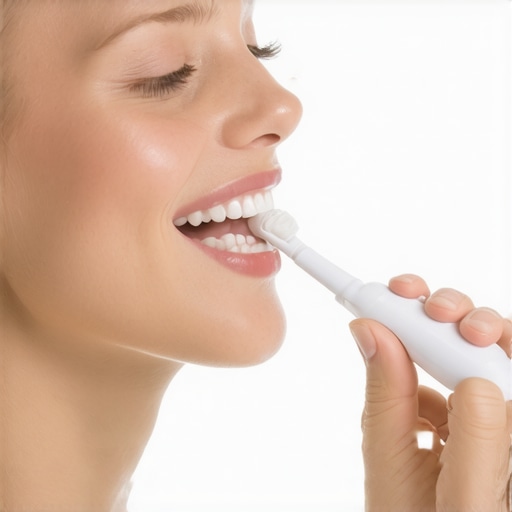 } contouring, which involved minimal enamel removal, leaving my teeth looking naturally perfect. Advanced options like {} veneers can correct chips, discoloration, and more—learn about the newest trends in cosmetic dentistry innovations. Always consult with a skilled dentist to choose the best procedure suited for your goals and budget.
Optimize Your Oral Hygiene with Specialized Tools
Invest in tools like water flossers or electric toothbrushes to ensure a thorough clean. When I added an electric toothbrush with oscillating movement, my plaque levels visibly decreased within weeks—making my visits to the dentist more pleasant. For sensitive gums, opt for a gentle, sonic toothbrush and avoid aggressive scrubbing. Using interdental brushes and fluoride rinses further protects against decay. To enhance your routine, explore technology-backed cleaning techniques that suit your lifestyle.
Focus on Diet’s Role in Oral Health
Limit sugary snacks and drinks, which feed cavity-causing bacteria. Instead, incorporate crunchy fruits and vegetables that naturally clean teeth while chewing—think of them as natural toothbrushes. During a recent attempt, I swapped candies for apple slices, and immediately noticed less plaque on my teeth during after-hours inspections. Proper nutrition supports the strength of your enamel and gums, making daily cleaning more effective. For comprehensive dietary tips, visit family-oriented dietary advice.
While brushing twice daily and visiting the dentist regularly are well-established pillars of oral health, many overlook the subtle nuances that make these routines truly effective. One common myth I encountered early on is the belief that aggressive brushing leads to cleaner teeth. In fact, applying too much force can damage gums, wear down enamel, and cause recession—factors that ironically increase the risk of cavities and sensitivity. It’s crucial to use gentle, circular motions with a soft-bristled brush, as highlighted in best practices for sensitive gums. Another often-missed detail involves the timing of fluoride application; rinsing immediately after brushing can wash away benefits, so waiting 30 minutes before rinsing maximizes fluoride absorption. When it comes to cosmetic dentistry, a common misconception is that veneers are permanent and irreversible, but advancements in materials allow for safe removal or replacement if needed, as discussed in veneers and contouring trends.
What advanced mistakes should I avoid in my dental routine that can sabotage my oral health?
One critical mistake is neglecting the importance of interdental cleaning tools like floss or interdental brushes. Relying solely on brushing misses plaque in hard-to-reach areas, leading to decay and gum issues, a fact supported by recent research in comprehensive cleaning techniques. Furthermore, many assume that whitening treatments permanently fix discoloration, but without proper maintenance, stains can reappear quickly. Professional guidance and follow-up care are essential—details covered extensively in teeth whitening science.
Avoiding these nuanced pitfalls can significantly enhance your dental outcomes. Remember, oral health isn’t solely about superficial cleanings but understanding and respecting the complex mechanics of our teeth and gums. Have you ever fallen into this trap? Let me know in the comments.Maintaining a beautiful, healthy smile requires more than just basic brushing and spontaneous visits to the dentist. Over the years, I’ve found that investing in the right tools and adopting systematic routines can dramatically extend the life of your dental work and keep your oral health in top shape. For example, I personally swear by using an oscillating-rotating electric toothbrush like the Oral-B Genius X, which I use twice daily. Its ability to remove plaque efficiently and reach difficult areas surpasses manual brushing, thanks to its smart pressure sensors and customizable modes. Incorporating a water flosser, such as the Waterpik Chairside, has been a game-changer for me, especially in cleaning around bridges and orthodontic appliances; it flushes out debris from hard-to-reach spots and reduces inflammation. I also rely on interdental brushes for tight spaces, which help prevent plaque buildup and cavities in areas that floss might miss. Regular use of fluoride mouth rinses, like ACT Anticavity Fluoride Rinse, reinforces enamel and provides ongoing protection between brushings. Looking ahead, I predict that advancements in smart dental devices, including app-connected flossers and toothbrushes, will personalize oral care routines, making maintenance more effective than ever.
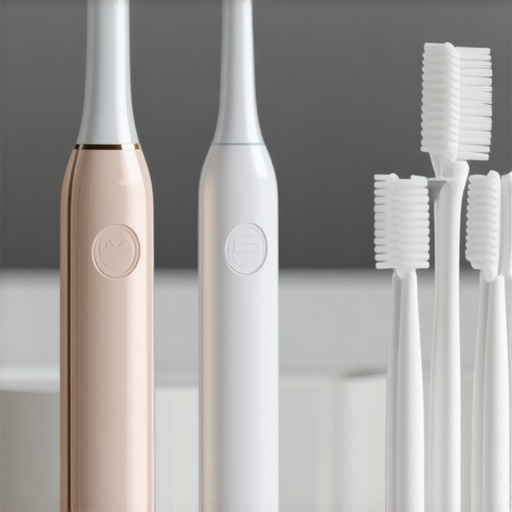
How do I keep my tools performing at their best over time? The key lies in proper maintenance: replacing brush heads every three months, regularly descaling devices to prevent mineral buildup, and storing them in dry, hygienic environments. Cleaning your electric toothbrush base and ensuring battery life are also critical for sustained performance. These small but essential habits prevent bacteria accumulation and maintain optimal functionality.
If you’re serious about maximizing your oral health investments, start by integrating a high-quality water flosser into your routine. It not only simplifies cleaning but also reaches areas traditional floss can’t, reducing gum inflammation and cavities. To deepen your understanding, check out contouring and veneers to see how minor improvements can protect your investments long-term. Remember, consistent use and proper upkeep of your tools are the foundation of long-lasting results. Try replacing your manual floss with an interdental brush today and experience the difference yourself!
Lessons From The Unexpected Click That Changed Everything
One thing I realized through my experience with denture clicking is that many oral health issues hide beneath superficial problems. That sudden sound was a wake-up call, revealing the importance of not ignoring small signs. Sometimes, the tiniest clicking or discomfort can be early indicators of larger, more costly issues if left unaddressed. This taught me to stay vigilant and proactive, seeking expert advice before problems escalate.
Another insight I gained is that personalized solutions, like adjusting the fit or exploring cosmetic options such as veneers, truly make a difference. Relying on generic remedies often falls short. Tailoring your approach to your unique oral needs, and staying informed about innovations in cosmetic dentistry, provides long-lasting confidence and comfort. For more on cutting-edge treatments, visit this resource.
Lastly, regular communication with your dental team can uncover subtle changes before they become painful. Developing a routine for routine check-ups and maintaining excellent daily habits—like gentle brushing and using specialized tools—are crucial. Remember, a healthy smile is about consistency, awareness, and trusting your dentist’s expertise.
Tools and Tips That Turn Your Dental Routine Into a Confidence-Builder
In my journey, I’ve found that investing in high-quality electric toothbrushes, water flossers, and interdental brushes, like those I discuss in the ultimate guide to teeth cleaning, elevates daily oral hygiene. These tools help reach areas manual brushing often misses, reducing plaque and increasing comfort. Consistent maintenance of these tools—replacing heads and cleaning bases—preserves their effectiveness and keeps your mouth healthier longer.
Moreover, reading trusted resources like family dentistry tips empowers you to make informed choices that benefit everyone in your household. A proactive approach—pairing new technologies with time-tested habits—builds a resilient foundation against cavities, gum disease, and other oral health challenges.
Your Next Step Toward An Unshakable Smile
Remember, the key to lifelong oral health extends beyond fixing immediate concerns like a clicking denture. It involves understanding subtle signals, embracing innovative treatments, and maintaining disciplined routines. Your commitment to these practices rewards you with a confident, vibrant smile that reflects overall well-being.
What small change will you try today to improve your oral health or confidence? Let me know below—I’d love to hear your story!
,