
I remember the day I finally realized that my trusty string of floss might be doing more harm than good. I had a routine, I thought, quick morning flap between my teeth, and despite my efforts, my gums would often bleed uncontrollably. It was frustrating—until I had a candid chat with my dentist that changed my perspective entirely.
Breaking Up with Old-School Floss: What I Didn’t Know
For years, I believed that flossing was the gold standard for oral hygiene. I’d diligently slide that string in and out, convinced I was preventing cavities and gum disease. But then, my dentist mentioned something surprising: traditional floss might be contributing to gum recession and even damage if done improperly. That lightbulb moment made me question everything I thought I knew about my daily ritual.
Could Your Floss Be Doing More Harm Than Good?
If you’ve ever felt sore, bleeding, or noticed your gums receding despite regular flossing, you’re not alone. Early on, I made the mistake of flossing aggressively, thinking that more pressure meant cleaner teeth. Instead, this approach was harming my delicate gum tissue. According to recent studies, improper flossing techniques can lead to gum recession and increase the risk of periodontal issues (source).
So, why is your dentist urging you to reconsider your flossing habits? And what should you be doing instead? Today, I’m going to walk you through the truth about traditional floss and introduce you to better, safer ways to keep your smile healthy. If you’ve ever faced the problem of bleeding gums or just felt unsure about your flossing technique, stick around. This could be the game-changer you need.
Brace yourself—what I uncovered might surprise you. Ready to learn the secret to effective and safe oral cleaning? Let’s dive into the facts and clear up the confusion once and for all.
.
Master Proper Flossing Technique
Imagine your floss as a tiny rescue rope—its purpose is to gently dislodge food and plaque without harming delicate tissues. The key is using a controlled, gentle motion rather than sawing aggressively. To start, take about 18 inches of floss, winding most of it around your middle fingers, leaving an inch or two to work with.
Positioning the Floss Correctly
Slide the floss gently between your teeth, cutting through any debris like a smooth blade. Curving the floss into a C-shape around each tooth ensures contact along the gum line, where plaque accumulation is most harmful. Avoid snapping or forcing the floss, which can damage gums. I once accidentally snapped floss into my gum during a rushed morning, causing minor bleeding—proof that gentleness is essential.
Adopt a Technique That Protects Your Gums
Press the floss against one tooth surface, then lift it gently beneath the gum line, avoiding any scrubbing motions. Move the floss across the tooth surface with up-and-down motions, not side-to-side. When transitioning to the next tooth, uncoil fresh floss, maintaining contact with the gum line for each. This avoids spreading bacteria and reduces irritation.
Avoid Common Flossing Pitfalls
Many people press too hard or use rough strokes, thinking they’re cleaning better—but this increases gum recession risk. I learned this firsthand during a period of aggressive flossing that led to gum sensitivity. Switching to a gentler technique yielded healthier gums in just a few weeks.
Incorporate Flossing into Your Routine
Establish a consistent habit—best after brushing at night—to keep bacteria in check. Remember, flossing is not a substitute for professional cleanings, but it complements an excellent oral health regimen. Regular dental visits, like gentle cleanings, ensure your gums stay healthy while you maintain your technique at home.
Choose the Right Floss and Tools
For sensitive gums, consider using waxed floss or specialized tools like floss picks or water flossers, which can make the process smoother and more comfortable. When I switched to a water flosser, I noticed my gums no longer bled after flossing, making the ritual more inviting and consistent.

Using a water flosser can be a game-changer for sensitive gums, providing effective cleaning without abrasion.
Many people believe that a meticulous daily teeth cleaning routine is enough to maintain excellent oral health, but in reality, there are nuanced mistakes and misconceptions that can undermine your efforts. One common myth is that brushing harder will lead to cleaner teeth; however, excessive pressure can cause gum recession and enamel erosion (source). This mistake is often silently damaging your gums, especially if you overlook the importance of gentle techniques. Another overlooked point is the type of toothbrush or toothpaste used—soft-bristled brushes and appropriate toothpaste for sensitive teeth are usually better choices than their aggressive counterparts, which can contribute to trauma over time.
While cosmetic dentistry often gets weekly attention, many underestimate the importance of foundational family dental care. Neglecting regular preventive checkups allows small issues like plaque buildup or early decay to escalate into costly, invasive procedures. Interestingly, some believe that professional cleanings are only necessary when problems arise, but routine cleanings combined with effective home care are proven to significantly lower the risk of periodontal diseases and cavities (source).
A prevalent misconception is that more frequent whitening treatments equal better results. In reality, overusing whitening products or undergoing treatments without professional guidance can cause tooth sensitivity and damage enamel, especially if underlying issues are not addressed. The key is a balanced approach: visiting a professional for personalized whitening strategies ensures optimal and safe results (source).
Why Do Some People Still Struggle With Recurring Dental Problems despite Regular Care?
This question touches on hidden factors beyond just brushing and flossing. Conditions like enamel hypoplasia or genetic predispositions can cause teeth to deteriorate faster or color unevenly, regardless of routine. Also, systemic health issues such as diabetes affect gum health profoundly, highlighting the need for an integrated health approach. Recognizing these nuances emphasizes why consulting with your dentist for tailored advice is crucial—routine checkups can reveal these hidden issues before they worsen (source).
One final trap often encountered is neglecting the importance of proper diet. Sugary snacks and acidic beverages not only stain teeth but weaken enamel over time. Incorporating mineral-rich foods and minimizing erosive drinks can preserve your smile’s integrity. Remember, effective oral health combines technical care with lifestyle choices—ignoring either can negate the benefits of regular visits.
In conclusion, understanding these hidden nuances can profoundly improve your dental health. It’s not just about brushing more but about brushing smartly, choosing appropriate tools, integrating professional guidance, and maintaining a diet that supports your efforts. Have you ever fallen into this trap? Let me know in the comments—you might be surprised how small changes can make a big difference.Maintaining your dental tools and adopting effective techniques are crucial for long-term oral health. Personally, I rely on a high-quality water flosser like the Waterpik Ultra, which I use daily to gently clean around sensitive areas without damaging gums. Its pulsating technology helps dislodge plaque even in hard-to-reach spots, reducing bleeding and inflammation when used correctly—more effective and gentler than traditional string floss, especially for those with sensitive gums. Investing in an electric toothbrush such as the Sonicare DiamondClean also made a significant difference for me. Its oscillating-rotating action provides superior plaque removal compared to manual brushes, while its timers ensure I brush long enough in each quadrant, aligning with best practices highlighted in recent studies (source). Its gentle bristles prevent enamel erosion and gum damage, helping me sustain my oral health without concern over aggressive brushing. For cosmetic touch-ups, I use professional-grade whitening gels like the Opalescence PF, which I apply with custom-fitted trays made by my dentist. This approach ensures even coverage and minimizes sensitivity—something over-the-counter products often struggle with. According to a study published by the NIH, professionally supervised whitening provides safer, more predictable results, and is a key aspect of maintaining a vibrant smile over time.
How do I maintain my tools over time?
Proper maintenance starts with regular cleaning. Rinse your water flosser after each use and disinfect it weekly with a mixture of vinegar and water to prevent bacterial buildup (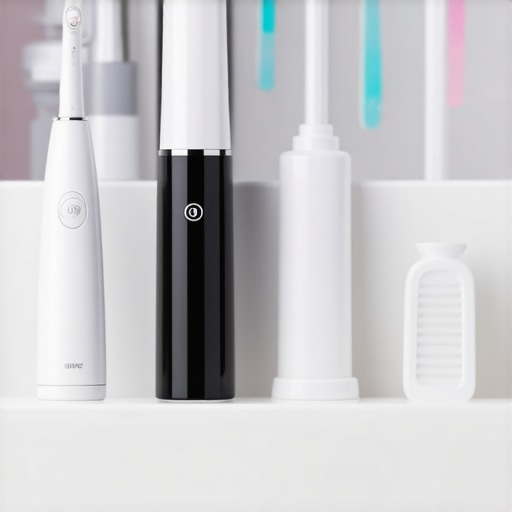 ). Your electric toothbrush requires replacing the brush head every three months to preserve cleaning efficiency. Store all devices in a dry, clean place to avoid mold and bacterial contamination. Additionally, scheduling routine professional checkups ensures your tools are effective; your dentist can advise if equipment needs replacing or upgrading. As the dental field advances, we see innovations like AI-powered diagnostic devices and smart toothbrushes that sync with mobile apps, providing real-time feedback and personalized recommendations, as discussed by this source. Embracing these tools and maintaining them well can greatly enhance your long-term results, making your daily routine more effective and enjoyable. Why not try upgrading your routine with a device like the Sonicare DiamondClean for a week? You might be surprised at the difference in your gum health and overall cleanliness—small investments with big rewards!
Over the years, I’ve learned that there are few things more satisfying than a confident, healthy smile. Yet, the journey to perfect oral health is riddled with misconceptions and overlooked details. My biggest breakthrough was realizing that small tweaks and honest conversations with my dentist transformed my routine from a chore into a powerful health ritual.
What Surprised Me About My Own Oral Care Habits
- Sometimes, less is more—gentle flossing and avoiding aggressive scrubbing protect your gums over time. I used to think force meant cleaning; now I know finesse is key.
- Choosing the right tools makes all the difference. Switching to a water flosser and an electric toothbrush improved my comfort and results dramatically, encouraging me to stick with my routine.
- Professional guidance unlocks hidden issues—routine checkups reveal things I’d never notice, saving me from bigger problems later.
My Toolbox for Lasting Smile Confidence
- Gentle teeth cleaning techniques guide me to protect my gums daily.
- High-quality electric toothbrushes ensure thorough cleaning without damage.
- I trust professional whitening treatments for safe, long-lasting brightness.
- My dentist’s personalized advice helps me understand my unique needs, guiding choices about tools and treatments tailored just for me.
Your Smile Revival Starts Today
Transforming your oral health isn’t about drastic changes overnight but embracing small, meaningful habits that build over time. Every step you take toward better technique, better tools, and professional insights adds up to a more confident, healthier smile. Remember, your journey to optimal dental wellness is uniquely yours—start today, and watch your radiance grow.
What’s one change you’re ready to make in your oral hygiene routine? Share your plans below—I’d love to hear about your smile transformation journey!
.