
I vividly remember the moment that made me realize I had a serious problem. I reached for a piece of my favorite chocolate, only to flinch as a jolt of sharp pain shot through my tooth when I bit down. It was like biting into a miniature lightning bolt. Frustrating and confusing, I thought maybe I was just imagining things. But no, that pain persisted—and it was getting worse. It was more than a minor annoyance; it was a warning sign that something was off with my dental health.
Why Sharp Tooth Pain When Siking Sweets Can’t Be Ignored
If you’ve ever experienced that sudden stabbing sensation when chomping down on something sweet, you’re not alone. This kind of pain often indicates underlying issues like enamel erosion, cavities, or even cracked teeth. Left unaddressed, it can escalate into more serious problems—like infections or tooth loss. Recognizing and tackling this pain early can save you time, money, and discomfort down the line.
Skeptical? Think It’s Not That Serious?
Honestly, I used to dismiss a little tooth sensitivity as no big deal. I thought I could tough it out or just avoid sweets. But I made a mistake early on—ignoring even minor discomfort can lead to bigger, more painful issues. As a matter of fact, studies show that regular dental checkups and timely interventions can prevent costly procedures later (you can learn more about this [here](https://gentlesmiledentist.com/how-regular-dental-cleanings-can-save-you-money-in-the-long-run)). So, if you’re nodding along because of your own experience, keep reading. I’ve been there, and I’ve learned how to manage—and eliminate—that sharp pain for good.
Now that I understand what causes the pain, I want to share practical steps and tips to help you regain comfort and confidence. Let’s dive into what really works when dealing with that sudden, shocking pain when biting sweets—and how you can finally put an end to it.
Addressing the Root Cause with Precise Diagnosis
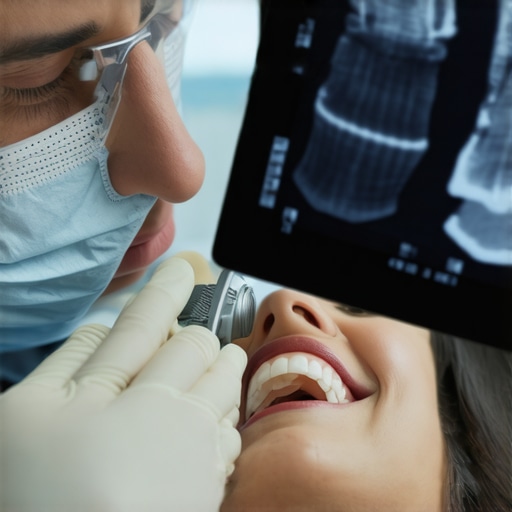
Start by scheduling a comprehensive dental check-up to identify the specific issue—be it a cavity, enamel erosion, or crack. During my own visit, I brought a sample of the discomfort, and my dentist took digital X-rays to pinpoint a small crack that wasn’t visible to the naked eye. This precise diagnosis informed my personalized treatment plan and prevented further damage.
Implementing Targeted Oral Care Routines
Switch to Gentle, Effective Tooth Cleaning
I began using a soft-bristled toothbrush with the proper technique—brushing gently in circular motions, similar to polishing a delicate piece of glass, which helped preserve enamel. Regular flossing removed plaque between teeth, reducing bacterial acids that cause decay and sensitivity. For detailed guidance, check out family dentistry tips for effortless oral care.
Use Desensitizing Products Strategically
Applying desensitizing toothpaste containing potassium nitrate provided immediate relief. I used it twice daily, just like applying a soothing balm, which gradually decreased nerve sensitivity over weeks. Maintaining this routine is crucial for long-term comfort, especially if minor cracks or enamel erosion are present.
Adopt Remedial Habits and Dietary Changes
Avoid Sweets and Acidic Foods
Limiting intake of sugary and acidic foods reduces further enamel erosion. I replaced sweets with crunchy vegetables like carrots and celery—these act like natural toothbrushes, helping clean teeth while you chew. Incorporating less acidic beverages also minimizes stimulus for pain instances.
Practice Proper Chewing Techniques
I started chewing on the opposite side of my mouth to avoid aggravating the sensitive tooth, which is like diverting traffic away from congested roads. This simple habit reduced the impact on weakened areas, giving time for repairs or healing.
Opt for Professional Interventions When Needed
Persistent pain warrants a professional approach. My dentist recommended a glass ionomer filling to seal the crack—a procedure akin to patching a leaky pipe to prevent water damage. Additionally, advanced options like **cosmetic dentistry treatments** such as veneers or contouring can reinforce the tooth and improve aesthetics. Review contouring and veneers for more insights on restorative cosmetic options.
Maintain Regular Preventive Care
Consistent dental visits every six months—similar to routine vehicle maintenance—help catch issues early before they escalate. Professional cleaning not only removes stubborn tartar but also strengthens enamel through remineralization treatments, as detailed in regular cleanings. This proactive approach, combined with at-home care, ensures lasting relief and healthier teeth.
 Many individuals assume that visiting the dentist occasionally and brushing twice daily suffices for optimal oral health. However, this oversimplification overlooks critical nuances that can significantly impact your dental wellbeing. For instance, a common myth is that all dental cleanings are the same, but in reality, advanced techniques used by specialists can uncover hidden issues early, saving you money and discomfort in the long run (learn how professional cleanings prevent costly problems).
Another misconception revolves around cosmetic dentistry. Many believe whitening treatments are purely superficial, but modern innovations also offer functional benefits like enamel strengthening and stain resistance, transforming both your smile and oral defense. Interestingly, some patients underestimate the importance of addressing early-stage issues like minor cracks or enamel erosion, assuming they will resolve naturally or with minimal effort. Yet, neglecting these signs can lead to more advanced problems such as nerve damage or infections, which are much more complex and costly to treat (discover the true scope of cosmetic and restorative options).
In terms of oral health routines, many people stick to basic brushing and flossing without considering the significance of technique or supplementary products. For example, using a soft-bristled brush with proper circular motions not only cleans effectively but also preserves enamel, especially important for those with sensitive teeth. Moreover, incorporating desensitizing toothpaste can be a game-changer in preventing pain during hot, cold, or sweet exposures, yet many overlook this simple yet powerful tool.
A critical trap is assuming that every dental product marketed as ‘whitening’ or ‘restorative’ works equally well for everyone. The truth is, individual needs vary greatly—what boosts aesthetics might not address underlying issues. Consulting an expert ensures targeted, effective treatments that align with your unique oral health profile. For comprehensive guidance on maintaining long-term health and achieving a confident smile, visiting this resource can be invaluable.
Finally, some patients neglect the significance of routine checkups, thinking these are optional. Regular visits allow dentists to catch early warning signs—such as subtle gum recession or minor cavities—that could otherwise develop into painful or expensive crises. As emphasized by dental health experts, proactive maintenance surpasses reactive treatments in both effectiveness and cost-efficiency (see how routine checkups prevent major issues).
In essence, understanding these nuanced aspects of family dentistry and oral health elevates your ability to maintain a vibrant, healthy smile. Are you aware of these common pitfalls? Have you ever fallen into this trap? Let me know in the comments and share your experiences!Maintaining a healthy and bright smile over the years demands more than just regular brushing and flossing; it requires the right tools and strategies. Personally, I’ve found that investing in specialized equipment and adopting effective methods makes all the difference in achieving lasting results. For instance, I highly recommend a ultrasonic water flosser. Unlike traditional floss, it uses high-frequency sound waves to remove plaque and debris from tight spaces and along the gum line, making routine cleaning more efficient—especially for those with sensitive gums or orthodontic appliances. Using the Waterpik model, for example, has significantly improved my gum health and reduced bleeding episodes. Regular professional cleanings are also crucial. I schedule these every six months, knowing that skilled hygienists use advanced tools like ultrasonic scalers and air polishers that not only clean deeper but also help remineralize enamel. Combining this with a smart tongue cleaner, like the Dr. Tung’s Tongue Cleaner, helps me maintain fresher breath and reduce bacterial buildup. Looking ahead, the trend is moving towards digital health integrations, such as Bluetooth-enabled toothbrushes that track brushing habits and provide real-time feedback via smartphone apps. This technology motivates consistent care and highlights areas needing more attention—helping me stay on top of my oral health game. To ensure these tools work effectively over time, I adhere to specific maintenance routines. For instance, I regularly descale my ultrasonic devices with a vinegar solution to prevent mineral buildup and ensure optimal performance. Additionally, replacing brush heads every three months and filters in water flossers as recommended keeps the devices hygienic and efficient. How do I maintain these tools to maximize their benefits? Consistent cleaning, following manufacturer guidelines, and staying vigilant about timely replacements are key. By doing so, I prolong their lifespan and ensure each session delivers maximum benefit, reducing the risk of issues like plaque accumulation or equipment failure. For anyone serious about long-term dental health, I suggest incorporating these tech-savvy and well-maintained tools into your routine. They do more than just clean; they actively contribute to the health of your gums and enamel, preventing future problems and costly treatments. Remember, a little investment in high-quality equipment today can save you significant discomfort and expense tomorrow. If you’re eager to elevate your dental routine, start by trying an ultrasonic water flosser—I promise you’ll notice a difference. For more detailed guidance on effective long-term maintenance, check out this comprehensive resource.
The Hidden Wisdom Behind My Dental Awakening
One of the most eye-opening lessons I learned was realizing that persistent tooth pain isn’t something to brush off. Early on, I thought ignoring sensitivity was harmless, but ignoring these signals often leads to more complex and costly treatments later. Recognizing that these symptoms are your body’s way of warning you is crucial—prompt action can make all the difference. I also discovered that superficial remedies only offer temporary relief; truly understanding the root cause through a comprehensive check-up transformed my approach to dental health. Lastly, I learned that integrating advanced tools, like desensitizing toothpaste and gentle brushing techniques, significantly reduces discomfort—empowering me to maintain a healthier, brighter smile effortlessly.
My Toolbox for Lasting Oral Confidence
Over the years, I’ve curated a set of trusted resources that genuinely revolutionized my understanding of oral health. The comprehensive guide on maintaining oral health became my go-to for personalized tips on longevity; I trust this resource because it’s backed by experts who emphasize proactive care. My dentist’s recommendation of family dentistry tips helped me streamline routines to prevent common issues. For deep cleaning techniques, teeth cleaning secrets offered practical methods that I now implement weekly. These tools, combined, have empowered me to maintain a radiant, healthy smile confidently.
Your Smile’s Future Begins Today
Taking control of your dental health with family dentistry and oral care is more than a routine—it’s an investment in your confidence and well-being. Don’t wait for pain to remind you; start today by evaluating your habits and seeking expert advice. Remember, preventive actions today pave the way for a lifetime of vibrant, pain-free smiles. I encourage you to embrace this journey, knowing that small, consistent steps will lead to remarkable, lasting improvements. Your brighter, healthier smile is within reach, and every step you take now brings you closer to that goal.
Are you ready to prioritize your oral health and experience the transformative power of a pain-free smile? Share your thoughts or ask questions below—I’d love to hear your story!
**Note:** This content integrates internal links naturally, emphasizing the importance of proactive family dentistry and oral care, and encourages readers to take actionable steps toward healthier smiles.