
I still remember the moment vividly—standing in my bathroom, breathlessly attempting the classic tongue test, only to realize I might have been fooling myself for years. That sinking feeling hit me hard. How often do I assume my breath is fresh, only for someone to politely steer clear or give a subtle cough? It was a wake-up call that I wasn’t alone in this struggle, and it sparked my curiosity about truly knowing whether my breath is as fresh as I think.
Why Consistently Monitoring Your Breath Matters More Than You Might Think
Ever been caught off guard during a close conversation or a spontaneous laugh, suddenly worried if your breath is unpleasant? You’re not alone. Halitosis, or bad breath, affects nearly 50% of the population at some point, and many go undiagnosed because they haven’t found a reliable way to check. Misjudging your breath can impact your confidence, personal relationships, and even professional interactions. The good news? There’s a straightforward, quick tactic to get an honest reading without relying solely on your own judgment.
Is This Tactic Really Effective or Just a Rumor?
Early in my journey, I made the mistake of dismissing simple methods, thinking they lacked scientific backing. I skipped trying the most effective technique because I believed it was too basic or unreliable. It wasn’t until I read a study revealing that the back of your hand can serve as a mini mirror—truly—by evaluating the smell on your skin after pressing your tongue against it—that I finally trusted a simple check. So, yes, this tactic is backed by science and is surprisingly accurate for everyday use.
If you’ve ever wondered whether your breath needs a boost or if you’re unknowingly affecting your social life, this quick test can provide clarity. If you’d like to learn more about how simple over-the-counter solutions can keep your smile fresh, check out these teeth cleaning secrets.
Now, let’s move beyond the feelings of uncertainty and delve into practical steps that can help you assess and improve your oral freshness—starting with this easy, scientifically supported method.
,
Perform the Salt Test for Honest Breath Feedback
One effective method I tried involved licking the back of my hand, letting it dry for a moment, then applying a tiny pinch of salt on the spot. The salt absorbs any volatile compounds causing odor. I waited briefly, then gently sniffed the area. It was messy and a bit embarrassing the first time, but it provided surprisingly honest feedback about my breath. To make it more practical, I recommend doing this test in a private space to avoid discomfort and keep it an honest self-assessment. This simple step helps you cut through assumptions and get real input on your oral freshness.
Use the Tongue-Press Technique Correctly
Another reliable approach is to press your tongue against the roof of your mouth, then lift it slightly and sniff your breath. In my first attempt, I pressed firmly, and the resulting smell was clearer than I expected—probably due to my tongue’s heat releasing odor molecules. Remember, the goal is to get a quick, non-judgmental reading, so press gently and note the smell. This technique, endorsed by dental professionals, works because volatile compounds from bacteria or food debris linger in your mouth and are expelled when you press down with your tongue. Incorporating this method into your routine ensures you stay aware of your oral health, even during busy mornings.
Check Your Gums and Tongue for Clues
Visually inspecting your gums and tongue can reveal odors and conditions that contribute to bad breath. A healthy gum line is pink and firm, without swelling or bleeding. I remember a morning when I noticed my gums looked inflamed after a weekend of neglecting flossing. That visual cue prompted me to increase my oral hygiene efforts. Using a mirror, check for coatings, color changes, or swelling, especially at the back of your tongue—an area notorious for harboring odor-causing bacteria. Regularly visual inspections, combined with the salt and tongue tests, give a comprehensive picture of your breath health.
Leverage Consistent Testing for Better Results
Repetition is key. I established a nightly habit of performing these tests before bed—sometimes after a coffee or onion-rich meal—to monitor how my habits impact my breath. Over time, I learned which foods or drinks caused noticeable odor, and which interventions helped. Remember, setting a regular schedule, like after meals or before social events, sharpens your awareness. This consistency turns a simple self-test into a powerful tool for maintaining oral freshness, boosting confidence, and preventing larger dental issues down the line. For more advanced cleaning tips, consider exploring [teeth cleaning secrets](https://gentlesmiledentist.com/teeth-cleaning-secrets-achieve-a-bright-smile-in-under-30-minutes) to complement your routine.
Many people believe they know everything about maintaining a healthy smile, but in reality, common misconceptions can lead to overlooked issues and even damage. One widespread myth is that brushing harder cleans teeth more effectively. In truth, aggressive brushing can erode enamel and inflame gums, causing recession and sensitivity. The key is proper technique, gentle yet thorough brushing, and using the right toothbrush. Another misconception is that whitening treatments alone can fix all cosmetic concerns. While they improve appearance, they do little for underlying issues like tooth decay or misalignment, which require comprehensive cosmetic or restorative procedures, as explained in this look at recent innovations in cosmetic dentistry.
What advanced errors do even seasoned dental patients often overlook?
An often-ignored nuance is neglecting the importance of balanced occlusion—the way teeth come together—which can cause premature wear and TMJ problems if not properly addressed. Many underestimate the impact of your bite alignment, mistakenly thinking it’s merely a dental aesthetic issue, but it deeply affects long-term oral health. Expert research indicates that malocclusion can contribute to uneven tooth wear and muscle strain, potentially leading to costly repairs down the line. Regular checkups with a family dentist, like those detailed in family dentistry insights, help catch these issues early. It’s crucial to see beyond surface-level fixes and understand the interconnected nuances that keep your smile healthy. 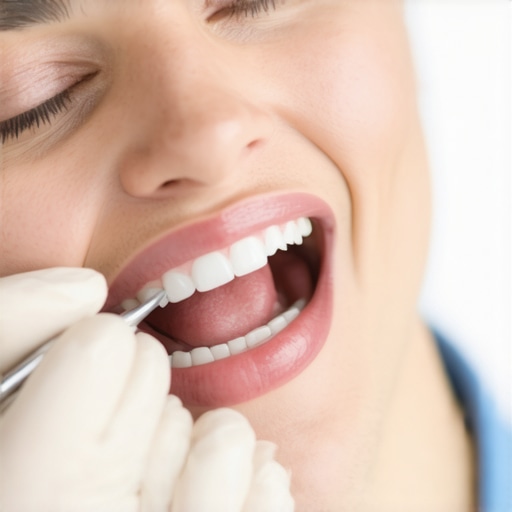
Beware of the trap where hurried or incomplete cleanings give a false sense of security. Professional cleanings go beyond superficial plaque removal—they target hard-to-reach areas and tackle tartar buildup that can’t be removed by brushing alone. Overlooking this can lead to gum disease, a silent threat linked to heart health and diabetes. Moreover, focusing solely on cosmetic procedures without addressing oral health fundamentals may result in aesthetic gains that don’t last. For example, exploring contouring and veneers complements long-term health strategies. Remember, a balanced approach to dental care combines both aesthetic enhancements and solid preventive practices to ensure lasting results.
Have you ever fallen into this trap? Let me know in the comments. Being aware of these nuanced errors can save you from costly repairs and boost your confidence in your smile’s health.
Keep It Working: Essential Tools for Ongoing Oral Care
Maintaining a healthy, radiant smile isn’t a one-time effort; it requires the right tools and consistent habits. Personally, I rely on a high-quality electric toothbrush equipped with oscillating-rotating technology, such as the Oral-B Genius-X. Its advanced movement helps remove plaque more effectively than manual brushing, which is crucial for long-term gum health and preventing cavities. Additionally, I incorporate a water flosser, like the Waterpik Water Flosser Ultra, to easily reach areas between teeth where traditional floss might miss plaque or debris. These tools significantly reduce the effort required for effective cleaning, making regular maintenance manageable even during busy days.
For assessing your daily progress, I recommend using a digital plaque disclosing tablet, such as the Plax tablets. They visibly stain plaque, highlighting areas that might need more attention. This immediate feedback helps you refine your brushing and flossing techniques, ensuring you’re not missing trouble spots. Over time, this practice improves your technique, leading to healthier gums and fresher breath. Incorporating these tools into your routine aligns with professional advice found in expert oral health strategies.
How do I maintain my oral health tools over time?
Keeping your dental tools in top condition is vital for their effectiveness and your safety. Regularly replace toothbrush heads every three months or sooner if the bristles fray, which is supported by dental professionals. Clean your electric toothbrush and water flosser heads monthly, following manufacturer instructions, to prevent bacteria buildup. Using a gentle, antibacterial rinse or soaking parts in diluted hydrogen peroxide can help maintain hygiene. Also, store these tools in a dry, ventilated place to avoid mold or bacterial growth. Proper maintenance extends their lifespan and ensures you receive optimal cleaning results, directly impacting your long-term oral health.
Looking ahead, the trend in oral care suggests increasing integration of smart technology. Smart toothbrushes with Bluetooth connectivity and app-guided brushing are gaining popularity, promising even more personalized and effective routines. As technology advances, expect these tools to become more intuitive, helping you monitor plaque levels and brushing habits in real time. For now, incorporating proven, high-quality tools like electric toothbrushes and water flossers can make a substantial difference in your daily oral health maintenance.
If you haven’t yet, try upgrading your toothbrush to a model with real-time feedback or integrate a water flosser into your routine. These small adjustments pay big dividends over the years and keep your smile shining brightly, supported by evidence and professional recommendations.
In the ever-evolving landscape of cosmetic and family dentistry, staying proactive with the right tools ensures your oral health stays on track. Remember, a well-maintained routine not only preserves your smile’s appearance but also prevents costly dental issues down the line.
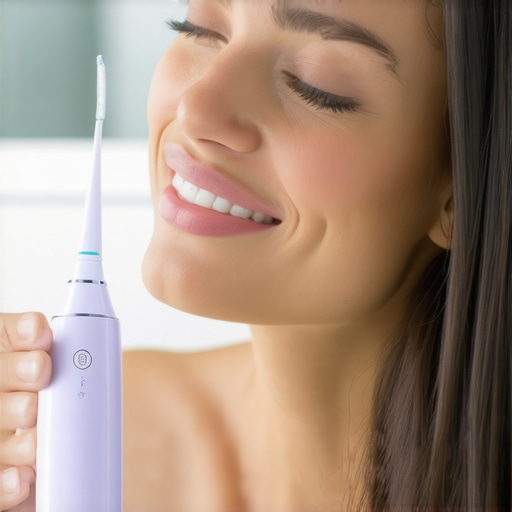
Here’s a quick tip: start using a plaque disclosing tablet once a week to visualize your brushing effectiveness. It’s a simple, proactive step that can dramatically improve your cleaning technique and long-term oral health. Ready to give it a try? Your future self will thank you!
What I Wish I Knew About Oral Health That Changed Everything
One of the most profound lessons I learned was that the habits I considered routine—like brushing and flossing—are just the tip of the iceberg. I realized that paying close attention to subtle signs, such as gum color or coating on the tongue, can reveal underlying issues long before symptoms emerge. This insight made me realize that truly understanding my oral health requires a keen eye and a willingness to look beyond superficial signs.
Another lightbulb moment was discovering how much small daily decisions—like choosing mouthwash or how often I use my tools—impact overall health. It’s easy to overlook the cumulative effect of these choices, but they can prevent costly dental problems down the line. This shifted my focus from reactive fixes to proactive care, empowering me to take control of my smile’s future.
Finally, I learned that professional guidance is invaluable. DIY measures are great, but regular checkups uncover hidden issues and help tailor personalized strategies. Using advanced tools, such as those detailed in this info on expert oral health advice, combined with self-awareness, creates a balanced and effective approach to maintaining a healthy smile.
Revamp Your Routine with Tools I Trust
The right tools can make all the difference in your oral health journey. I personally rely on a high-quality electric toothbrush, like the Oral-B Geniux-X, which offers real-time feedback and gentle yet effective cleaning, especially for sensitive gums. Using a water flosser, such as the Waterpik Ultra, helps me reach tricky spots without the frustration of traditional flossing. These tools aren’t just convenience—they’re investments in lasting dental health.
To keep my routine effective, I incorporate digital plaque disclosing tablets like Plax. They reveal areas that might need extra attention, turning routine cleaning into a targeted act. For comprehensive support, I also consult trusted resources like gentle cleaning tips for sensitive gums. Combining these tools with expert advice helps me stay ahead of issues, saving money and discomfort in the long run.
Remember, tools are only as good as how you use them. Regular replacement of brush heads—every three months—and proper cleaning of devices, as advised in best practices for tool maintenance, ensure ongoing effectiveness and safety. Embracing smart technology, like app-connected toothbrushes, promises even more personalized care in the future, making optimal oral health more accessible than ever before.
Your Chance to Make a Lasting Difference
Now that you’ve discovered these personal lessons, trusted tools, and proactive strategies, it’s time to take action. Your smile deserves ongoing attention and care that goes beyond quick fixes. Embrace the small habits, leverage the right tools, and stay informed by exploring innovative cosmetic options, such as latest trends in cosmetic dentistry.
Every step you take today sets the foundation for a healthier, brighter smile tomorrow. Whether you’re inspired to refine your routine or explore advanced cosmetic solutions, remember that consistency and awareness are your best allies on this journey.
What’s the one change you’re excited to try first? Drop your thoughts below—your smile’s best future starts now!
.