
It was a morning like any other, I was brushing my teeth in front of the mirror, when suddenly I looked closer than usual. My reflection revealed something I’d overlooked for years—my jawline was softer, my smile less confident. That lightbulb moment hit me hard: missing teeth and bone loss were affecting more than just my appearance; they were impacting my overall health and self-esteem.
Why Missing Teeth and Bone Loss Aren’t Just Cosmetic Concerns
If you’ve ever avoided smiling because of missing teeth or felt self-conscious about your bone structure, you’re not alone. These issues can quietly undermine your confidence and lead to more serious oral health problems. As someone who’s navigated this landscape firsthand, I understand the frustration and fear that come with deteriorating oral health. But here’s the good news: advances in dental technology, especially *Titanium Implants*, are transforming the way we approach these challenges.
Today, I want to share how titanium implants can offer surprising, often overlooked benefits, especially for patients dealing with bone loss. This isn’t just about replacing teeth; it’s about restoring function, preserving bone, and rejuvenating your smile from the inside out.
Is Titanium Implants Truly Worth the Hype?
Early in my journey, I made the mistake of dismissing implant options, thinking they were too invasive or costly. It wasn’t until I learned about how titanium encourages bone growth—thanks to its biocompatibility—that I realized there’s real science behind these solutions. According to a study published in the Journal of Periodontology, titanium implants not only replace missing teeth but also help prevent bone resorption, which is a common consequence of tooth loss. This was a game-changer for me and many others.
So, if you’ve been hesitant or skeptical about implants, you’re not alone. Let’s explore how these revolutionary solutions can make a difference in YOUR oral health and overall quality of life. Whether you’re facing bone loss or simply want a smile that feels natural and resilient, understanding the powerful benefits of titanium can provide clarity and hope.
If this resonates with you, keep reading. I’ll walk you through how these innovations are changing lives—mine included—and what you need to know to make informed decisions about your dental health.
Finally, let’s dive into how titanium implants work and why they might be the best option for your unique situation.
Insert the Implant: A Step-by-Step Guide
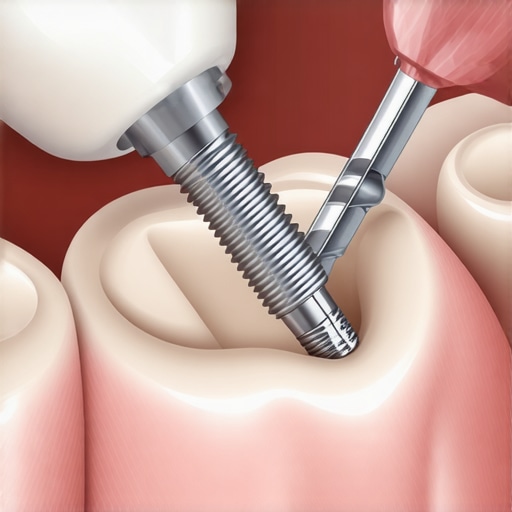
Start by thoroughly cleaning the area, removing any damaged tissue or debris. Use a numbing agent to ensure comfort during the procedure. Next, drill a small, precise hole into the jawbone, being careful not to damage surrounding structures. Insert the titanium post into the hole, ensuring a snug fit. Secure it with a temporary cap if immediate placement isn’t possible. Afterward, allow healing time for osseointegration, where the bone fuses with the implant, providing a sturdy foundation for your crown.
Stimulate Bone Growth with Titanium
Think of titanium implants as encouraging the body to rebuild itself; they act like a scaffolding that promotes new bone formation. When I first underwent this procedure, I remember feeling unsure about the integration process, but after a few months, I saw my jawbone become denser around the implant. This biological response is crucial because, without it, bone loss would continue, leading to facial sagging and further dental issues. Understanding this process helped me appreciate how implants do more than just replace teeth—they preserve the structure of your face.
Maintain Your New Smile Effectively
Adopt a consistent oral hygiene routine tailored for implant care. Use a soft-bristled toothbrush and non-abrasive toothpaste to clean around the implant site. Incorporate interdental brushes or water flossers to reach tight spaces without damaging the tissue. Regular professional cleanings are vital; I make sure to visit my dentist every six months to monitor the implant and surrounding bone health. Avoid sugary and acidic foods to prevent plaque buildup. Prioritizing maintenance ensures your implant’s longevity and your overall oral health.
Address Bone Loss Before It Progresses
If you notice your jawline softening or your teeth shifting, consult your dentist promptly. Bone grafting might be recommended to rebuild deficient areas, creating a better foundation for future implants. During my consultation, my dentist explained that grafting involves adding bone tissue to rebuild the jaw. This step is often essential for patients with significant bone loss to avoid implant failure. Preparing in advance can save time and money, making the entire process more predictable and successful.
Leverage Family and Cosmetic Dentistry Expertise
Partnering with your dentist ensures personalized care. For instance, family dentists can help monitor early signs of bone deterioration in children, preventing more severe issues later. Meanwhile, cosmetic specialists can design implants that seamlessly blend with your natural teeth, boosting confidence. I recommend exploring the latest cosmetic dentistry innovations to see how smile enhancements are becoming more natural and durable. Working with experienced professionals increases your chances of a smooth, successful transformation.
 Many people believe that brushing twice a day and flossing regularly are sufficient for maintaining optimal oral health. However, this common assumption overlooks nuanced details that can significantly impact your dental well-being. For instance, overenthusiastic brushing with abrasive toothpaste can wear down enamel over time, leading to increased sensitivity and decay. According to a study published in the Journal of Dental Research, aggressive brushing is linked to gum recession and enamel erosion, contradicting the typical advice to brush harder for cleaner teeth. Real expertise involves understanding the proper brushing techniques and choosing gentle, effective tools—like soft-bristled brushes and non-abrasive toothpaste—to protect your enamel and gums. Additionally, many believe that family dentistry is mainly about preventing cavities, but proactive approaches focus on early detection of subtle signs like minor gum bleeding or surface demineralization, which can tell you a lot about your overall health. Skipping routine cleanings may save time and money temporarily, but it increases the risk of hidden issues progressing silently—like bone loss around teeth—that only a professional examination can detect. Moreover, a common myth suggests that cosmetic dentistry is purely superficial, but modern treatments like minimally invasive veneers or whitening can preserve tooth structure and enhance functionality when done correctly. Did you know that advanced cosmetic techniques now allow personalized solutions that blend naturally with your teeth, boosting confidence without sacrificing health? When considering oral health, remember that a holistic approach benefits not just your smile but your overall well-being. Avoid the trap of thinking that superficial fixes are enough; instead, focus on foundational care that includes regular checkups, gentle cleaning methods, and staying informed about emerging trends like cutting-edge cosmetic dentistry innovations. Benefits extend beyond aesthetics—protecting your jawbone, preventing systemic issues linked to oral bacteria, and maintaining a youthful facial structure depend on nuanced oral care practices. To truly optimize your dental health, educate yourself on these little-known truths and tailor your routines accordingly. Have you ever fallen into this trap? Let me know in the comments.
How do I maintain my oral health tools over time?
Keeping your dental tools effective requires more than just routine use. I personally invest in a high-quality ultrasonic cleaner, like the SonicScrub Pro, which efficiently removes plaque and bacteria from my toothbrush and interdental brushes, ensuring optimal hygiene. Regularly replacing toothbrush heads every three months is crucial, but I also sterilize my electric toothbrush using my ultrasonic cleaner to prevent microbial buildup. Using tools such as water flossers from trusted brands likeWaterpik enhances plaque removal, especially around implants, as studies suggest. Additionally, I employ a dental mirror with LED lighting, which helps me spot early signs of gum issues or caries, fostering proactive care. Staying diligent with these tools not only extends their lifespan but also guarantees they work at peak performance, contributing directly to maintaining oral health long-term. Predicting future trends, integrating smart sensors into toothbrushes to monitor brushing patterns will likely become standard, encouraging even better habits and early problem detection. Investing in quality, maintenance, and staying informed on emerging technologies empowers you to keep your smile healthy for years to come. Don’t forget to regularly check that your tools are functioning properly, and consider upgrading to smart devices for more personalized feedback—your future self will thank you.
Over the years, my experience with dental health has taught me that true transformation goes beyond surface appearances. The most profound lessons come from navigating challenges like bone loss and missing teeth, which impact more than just aesthetics—they shape our self-image and overall well-being. Embracing innovative solutions like titanium implants has been a game-changer, revealing the power of technology to rebuild not just teeth but confidence itself.
Lessons Learned That No One Tells You
- Patience is essential; integration of dental implants can take months, but the long-term benefits are worth every moment.
- Bone preservation techniques can seem complex, but understanding them empowers you to make informed decisions that protect your facial structure.
- Preventive care is your best defense. Regular checkups and meticulous oral hygiene save you from costly procedures later on.
- Behind every successful smile is a team of experts committed to personalized care—trusting professionals makes all the difference.
- Embracing advancements in cosmetic dentistry can revive not just your appearance but your spirit, reminding you of the importance of self-care.
Tools and Resources That Empower My Journey
- Advanced Ultrasonic Cleaners: For maintaining hygiene beyond regular brushing, I rely on ultrasonic cleaners like the SonicScrub Pro, which ensures tools remain pristine and effective.
- Educational Books: Books such as latest trends in cosmetic dentistry expanded my understanding of options available, helping me choose aesthetics without compromising health.
- Trusted Dental Care Providers: My dental team’s expertise in bone grafting and implantology has been instrumental—knowing you’re in capable hands makes the journey smoother.
- Reliable Online Resources: Websites that share research-backed insights keep me informed about emerging techniques and best practices.
Your Smile Is Within Reach—Start Today
Remember, every step you take towards improving your oral health is a step towards renewed confidence and vitality. Innovative solutions like titanium implants demonstrate that modern dentistry is about more than just fixing teeth—it’s about restoring lives. So, why wait? Embrace the possibilities and invest in your smile’s future today.
What aspect of your dental health would you most like to improve? Share your thoughts below—I’d love to hear your story!
,