
Have you ever woken up with sore jaw muscles, feeling like you just ran a marathon, only to realize that your gums seem a little more exposed than yesterday? I remember the moment I caught myself staring in the mirror, noticing my gums subtly receding, and thinking, “Is this normal?” It was a lightbulb moment for me—understanding that my nighttime teeth grinding, or bruxism, was quietly speeding up gum recession. And honestly, I felt a mix of frustration and relief. Frustration because I didn’t realize this connection sooner, but relief because I finally knew what was behind my worsening oral health.
The Hidden Danger of Grinding at Night
Teeth grinding might seem like a harmless habit, especially when it happens in the dark, away from our conscious awareness. But over time, this unconscious clenching and grinding can cause significant damage—not just to your teeth but to your gums and jawbone as well. When you grind your teeth, you’re applying excessive force, which can erode the supporting structures underneath your gums. This leads to the unfortunate process of gum recession, where the gum tissue pulls back, exposing more of your tooth roots. As I learned more, I found that this process isn’t just cosmetic; it can also lead to increased sensitivity and even more serious periodontal issues.
Could You Be Grinding Without Knowing?
The first step is recognizing whether you’re grinding at night. Common signs include waking up with a sore jaw, headaches, or worn-down teeth. Some people also notice increased gum recession, which can seem sudden or more aggressive than typical aging. If you’re curious, consulting with your dentist can provide clarity. They might notice signs during an exam or recommend a night guard—not just any guard, but one tailored to reduce the pressure and protect both your teeth and gums.
I made a big mistake early on—trying to wait it out or dismissing the worn edges of my teeth as just part of aging. That was a costly oversight. Regular check-ups and paying attention to early signs are crucial. According to the American Dental Association, untreated bruxism can accelerate periodontal disease, which underscores why addressing this habit is vital. Want to learn how to break free from this silent threat? Stay tuned—because the good news is that with proper care, you can halt or even reverse some of the damage caused by nighttime grinding.
Set Up a Custom Night Guard for Maximum Protection
The first concrete step I took was visiting my dentist to get a custom-made night guard. Unlike over-the-counter options, a tailored guard fits your mouth perfectly, distributing biting forces evenly and reducing stress on your gums. During my appointment, I provided a dental impression—a process that seemed messy at first, with putty squishing everywhere—but it resulted in a guard that felt comfortable and effective. Having the right guard is like a shock absorber for your teeth; it prevents excessive force that accelerates gum recession.
How to Choose the Right Night Guard
During my own trial, I learned that rigid night guards are suitable for severe grinders, but softer ones are gentler on sensitive gums. Consulting your dentist can help determine the best type for you, ensuring maximum protection without discomfort. For an innovative approach, check out advanced teeth cleaning techniques that complement this method.
Adopt Proper Oral Hygiene Techniques
Maintaining strict oral hygiene is crucial. I started flossing daily using the correct technique: gently inserting thread between teeth and curving it around each tooth to remove plaque effectively. This is like sweeping dirt from a rug—removing debris prevents bacterial buildup that can cause gum inflammation and recession. Additionally, I switched to a gentle, soft-bristle toothbrush and employed circular motions to clean thoroughly without damaging gum tissue.
Target Hotspots Preventing Recession
Special attention to areas near the gumline helped me avoid harsh scrubbing that can cause recession. Remember, aggressive brushing does more harm than good—think of it like using a steel brush on delicate fabric. Regular replacement of your toothbrush every three months ensures bristles remain soft and effective; I marked my calendar to stay on top of replacements.
Manage Stress to Reduce Clenching
Stress was a major factor in my bruxism. I adopted simple methods like deep breathing exercises and mindfulness routines, which acted like releasing built-up pressure inside me. These practices helped minimize unconscious jaw clenching during the day and night. For some, consulting a mental health professional can add another layer of support. To further enhance your routine, consider visiting oral health myths busting to stay informed and motivated.
Schedule Regular Dental Check-Ups
Prevention was my biggest ally. Regular dental visits allowed my dentist to monitor signs of gum recession and bruxism. For example, during my check-up, the dentist noticed early tissue thinning, prompting me to adjust my nightly habits. These appointments are like maintenance checks for your car—catching issues early prevents costly repairs down the line. Plan to visit your dentist at least twice a year, or more if you suspect problems.
Utilize Advanced Technologies
I also explored cutting-edge options such as laser therapy for gum health—an efficient method that speeds healing and reduces recession risk. Technologies like these are becoming more accessible and can complement your routine in meaningful ways. To stay ahead, explore latest cosmetic dentistry innovations that address gum health holistically. Integrating these techniques can make your journey toward healthier gums smoother and more effective.
By systematically applying these steps—custom guards, proper hygiene, stress management, and regular professional care—you take control of your oral health. Think of it as building a fortress around your gums, preventing the silent damage that grinding inflicts. Each action you take adds a layer of defense, ensuring you preserve your gum tissue and maintain a bright, healthy smile for years to come.
}#IMAGE_PLACEHOLDER_B#}**{Many people believe that brushing harder or more frequently guarantees a cleaner mouth, but in reality, overbrushing can damage your gums and enamel. A prevalent myth is that professional whitening is the only way to achieve a truly bright smile, yet advancements in [teeth cleaning techniques](https://gentlesmiledentist.com/smile-bright-revolutionary-teeth-cleaning-techniques-for-2025) now allow for safe, effective at-home options with proper guidance. Additionally, many assume that teenagers and adults don’t need family-oriented dental strategies, but comprehensive family dentistry emphasizes preventive measures tailored for all ages, ensuring long-term health. One critical nuance often overlooked is the importance of gauging your oral health holistically, rather than focusing solely on visible plaque or stains. For example, some patients underestimate gum recession, mistaking it for aging or whitening side effects, when in fact poor flossing technique or misaligned habits frequently contribute. Regular check-ups can reveal early signs of periodontal issues that, if ignored, may lead to tooth loss or systemic health complications, as highlighted by leading dental research, including a 2022 study published in the Journal of Clinical Periodontology.
What most people get wrong is thinking that superficial treatments suffice or that maintaining oral health is solely about aesthetics. The truth is, beneath the surface, nuanced factors like occlusion, saliva quality, and microbiome balance play significant roles. For instance, an overly aggressive brushing technique can cause gum recession, which ironically makes teeth appear longer and exposes roots to decay—contradicting the goal of a healthy smile. To avoid falling into these common traps, prioritize gentle, effective cleaning methods and consult professionals about personalized strategies.
For those interested in elevating their dental routine, exploring [advanced teeth cleaning](https://gentlesmiledentist.com/the-ultimate-guide-to-teeth-cleaning-techniques-and-benefits) methods can make a substantial difference. Remember, consistent care combined with knowledge about one’s unique oral environment sets the stage for lasting dental health. Have you ever fallen into this trap? Let me know in the comments.
How do I maintain a consistent oral health routine over time?
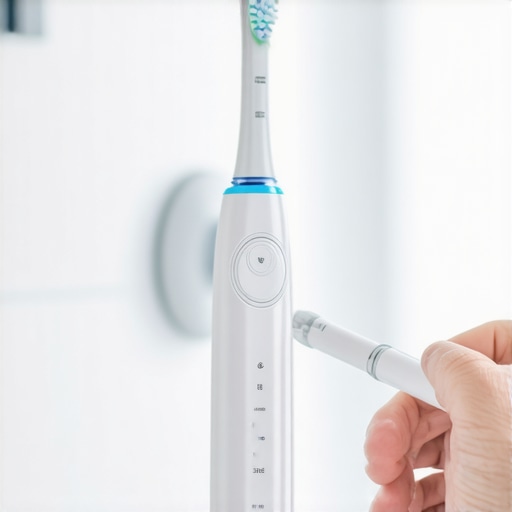
Achieving and maintaining optimal oral health isn’t a one-and-done effort; it requires the right tools and a strategic approach. The first tool I rely on is a high-quality electric toothbrush with pressure sensors. I personally prefer models like the Philips Sonicare DiamondClean because they provide gentle yet effective cleaning and alert me if I brush too hard, protecting my gums from recession. Coupled with a soft-bristle brush, this setup ensures thorough plaque removal without damaging delicate tissues. For flossing, I switched to an Water Flosser, specifically the Waterpik Sonic-Fusion. The pulsating stream helps clean between teeth more effectively than traditional floss, especially around braces or bridges, and I find it is more comfortable for sensitive gums.
To keep my routine efficient, I incorporate an ultrasonic scaler periodically using devices like the Quickscraper Pro, which removes tartar buildup gently but effectively. While professional cleanings are crucial, having these tools at home empowers me to prevent plaque and tartar from hardening, which can lead to gum recession and decay.
For long-term results, I use a tongue scraper daily, which minimizes bacteria that cause bad breath and gum inflammation. I suggest trying the Orabrush Tongue Cleaner—it’s ergonomically designed and helps maintain a fresh oral environment.
Staying updated on innovations is essential. For instance, upcoming advancements in AI-driven oral health diagnostics stand to personalize routines further—predicting issues before they become noticeable. Experts predict that within the next five years, smart toothbrushes will sync with mobile apps to provide real-time feedback and tailored advice, making routine maintenance even more effective.
How do I maintain these tools for longevity? Regular cleaning and replacing brush heads every three months are vital. I also disinfect electronic tools weekly with 70% isopropyl alcohol, following protocols outlined in clinical studies for device hygiene.
If you’re serious about your oral health journey, consider consulting with your dentist about integrating advanced tech into your routine. For example, trying a recommended device like the Sonic-Fusion can reportedly cut down plaque by up to 23%, as per the American Dental Association. Don’t wait—start testing these tools today and see the difference they make in preserving your gums and teeth over the years.
Ready to upgrade your routine? Try incorporating an ultrasonic scaler at home to prevent tartar buildup and long-term recession, and ensure you’re using your tools correctly by visiting our contact page.
The Hidden Insights I Gained from Years of Oral Care Challenges
- Consistency Is Key to Long-Term Success: I realized that even the best tools only work if used regularly. Skipping nightly routines or neglecting appointments can undo months of progress. Developing habits like setting reminders for flossing and replacing brushes kept me on track.
- Gum Recession Can Mask Underlying Habits: Seeing my gums recede was a wake-up call that habits like grinding or aggressive brushing do more harm than I imagined. Listening to my body and consulting specialists early made a significant difference in reversing some issues.
- Personalized Solutions Make a Difference: Off-the-shelf mouthguards weren’t comfortable or effective enough. Investing in a custom night guard prescribed by my dentist provided tailored support, minimizing damage and improving my sleep quality.
- Holistic Care Enhances Outcomes: Combining stress reduction techniques with proper oral hygiene created a synergy that protected my gums. I learned that addressing daily stressors could reduce nighttime clenching, highlighting the importance of mental well-being.
- Monitoring and Professional Checks Are Vital: Regular dental visits help catch problems early. My dentist’s advice on advanced treatments like laser therapy kept my gum tissue healthy and prevented further recession.
My Personal Arsenal for Safeguarding My Smile
- High-quality, custom-fitted night guard from my dentist – trusted because it’s tailored for my bite.
- Soft-bristle toothbrush with an ergonomic handle – gentle on gums but effective in cleaning.
- Water flosser with adjustable pressure – helps clean difficult areas comfortably.
- Stress management tools like mindfulness apps and deep breathing routines – essential for reducing clenching tendencies.
- Regular consultations with my dental team – personalized care keeps me proactive rather than reactive.
Embrace the Power of Proactive Dental Care
Achieving a resilient, healthy smile isn’t just about brushing; it’s about understanding your habits, investing in personalized tools, and maintaining consistent professional support. Your journey toward stronger gums and better oral health starts now. Remember, small daily actions compound into lasting results, and each step you take is a testament to your commitment to self-care.
What personal habits have you found most effective in protecting your gums from nighttime damage? Share your thoughts below—I’d love to hear your strategies!
}}**{