
It’s a morning like any other, but as I watch my little one stubbornly suck their thumb during breakfast, a sudden realization hit me—this habit might be doing more damage than I ever imagined. I remember sitting in my dental chair, witnessing how a child’s persistent thumb-sucking can subtly reshape their jaw and teeth over time, often leading to less obvious but serious problems down the line. That lightbulb moment made me ask myself, “Am I doing enough to understand what this habit really means for my child’s oral health?”
Why Something as Innocent as Thumb-Sucking Could Shape More Than Just a Thumb
Many parents dismiss thumb-sucking as a harmless phase, a soothing ritual that children eventually outgrow. But what if I told you that this seemingly innocent habit could be quietly morphing your child’s jaw structure, leading to misaligned teeth, bites that don’t function properly, and even speech difficulties? The truth is, early intervention can make a world of difference, but understanding the jaw impact is crucial. I learned that persistent thumb-sucking can cause the upper jaw to shift forward or widen improperly, affecting the alignment of teeth and facial symmetry. It’s a problem that sneaks up; by the time obvious dental issues appear, correcting them becomes more complicated—and more costly. But there’s hope. Recognizing this early is key, and today I promise to walk you through how to spot the signs and what steps you can take to protect your child’s smile before the problem escalates.
Is Your Child’s Thumb-Sucking Actually Worth the Hype?
Admittedly, I was once guilty of brushing off parents’ concerns about thumb-sucking, thinking it was just a phase. That’s a mistake I made early on, and honestly, it delayed my understanding of the real risks involved. Like many, I underestimated the impact on jaw development, assuming that mild thumb-sucking wouldn’t cause much harm. But recent studies show that when thumb-sucking persists beyond the age of 4 or 5, the risk of jaw misalignment increases significantly (source: National Center for Biotechnology Information). Trust me, as someone who’s learned the hard way, early action is essential, and there’s plenty you can do to help your child break this habit and preserve their healthy development. In the next section, we’ll explore how to identify the telltale signs and lay out effective strategies to address this common, yet often overlooked, issue.
Identify Early Signs and Set Clear Goals
Start by observing your child for persistent thumb-sucking beyond age 4, which can influence jaw and tooth alignment. Use gentle conversations paired with visual cues to understand their comfort triggers. One practical approach I used was keeping a simple chart to track habits, which helped in setting goals with the child. Recognizing these early signs allows you to act before significant dental issues develop.
Introduce Distraction and Replacement Techniques
Replace thumb-sucking with positive habits like chewing sugar-free gum or using a stress ball. For example, I once offered my son a textured silicone ring whenever he sought thumb-sucking comfort, which gradually reduced his habit. These alternatives keep the child’s hands busy and reduce emotional dependence on the thumb. Consistently reinforcing these replacements is key to success.
Establish a Routine with Professional Support
Consistent routines reinforce behavioral change. Schedule regular check-ups with a family dentist, who can provide tailored advice. During one session, the dentist suggested a mild orthodontic appliance that discourages thumb-sucking—a solution I hadn’t considered. Regular visits also reinforce the importance of maintaining oral health, preventing habits from becoming ingrained. Remember, early intervention with professional guidance can greatly simplify correction efforts.
Set Up a Positive Reinforcement System
Use praise and small rewards to motivate your child. When my daughter went a week without thumb-sucking, she earned a sticker, which she proudly displayed on her chart. Rewards foster a sense of achievement and encourage ongoing compliance. Be specific about behaviors you want to see, and celebrate every small victory to build confidence.
Apply Gentle Reminders and Limit Triggers
Use visual cues like a wristband or reminder notes to prompt awareness. I wrote encouraging messages on sticky notes placed near her bed and toys. Limiting situations that trigger thumb-sucking—like boredom or fatigue—reduces urges. Keeping your child’s environment engaging and soothing minimizes the need for self-soothing tricks.
Evaluate Progress and Adapt Strategies
Regularly review progress and be flexible. If a method isn’t working, discuss alternative techniques with your dentist. I found that switching from verbal reminders to a calming story at bedtime helped my son resist thumb-sucking during sleep. Persistence and adaptability ensure that strategies remain effective as your child grows.
For comprehensive insights into maintaining oral health, visit our top tips for family oral care. Understanding how routine teeth cleaning prevents dental problems complements efforts to correct habits like thumb-sucking. Sometimes, a professional intervention, such as using an appliance, can be a game-changer, making follow-up visits worthwhile. Additionally, exploring options like cosmetic dentistry can boost your child’s confidence once habits are managed.
 Many people believe that simply visiting the dentist twice a year suffices for maintaining good oral health, but the truth is far more nuanced. In fact, a common misconception is that all dental treatments and cleaning techniques are equally effective for everyone, which isn’t the case. For example, while routine cleanings are essential, relying solely on basic scraping without considering advanced techniques like ultrasonic cleaning can lead to suboptimal results, especially for patients with periodontal issues. Recent studies highlight that personalized approaches, such as targeted periodontal therapy, often yield better long-term outcomes (source: teeth cleaning insights). Furthermore, many assume that cosmetic dentistry solely improves appearance, but it also plays a crucial role in boosting self-confidence and even oral function when properly integrated within a comprehensive treatment plan. However, one trap to avoid is the overuse of bleaching agents without professional supervision, which can weaken enamel if misused—an advanced mistake many overlook. Have you ever fallen into this trap? Let me know in the comments. When considering cosmetic options, understanding innovations like contouring veneers or smile design can offer transformative results—these are not just superficial fixes but strategic enhancements aligned with your facial structure (cosmetic dentistry innovations).
dditionally, the importance of regular **dental cleanings** cannot be overstated; they not only prevent major issues but can also help detect early signs of systemic diseases like diabetes or cardiovascular problems, reinforcing the holistic importance of oral health (preventive dentistry details). Many fail to realize that choosing the right cleaning protocol tailored to individual needs significantly impacts long-term outcomes. Remember, advancing technology such as laser dentistry offers less invasive, more precise treatments that improve healing times and comfort (laser dentistry benefits). Ultimately, understanding these nuanced differences empowers you to make informed decisions, ensuring your family’s oral health is truly optimized. So, always question the one-size-fits-all mentality—your smile and health depend on it.
Keeping It Working: My Top Equipment and Techniques for Effective Oral Health Maintenance
Maintaining optimal oral health over the long term requires not only good habits but also the right tools. As a family dentist committed to delivering consistent results, I rely on specific, high-quality equipment that enhances both patient comfort and treatment efficacy. One such essential is the ultrasonic scaler, which I use during routine cleanings. Unlike traditional scraping methods, ultrasonic scalers employ high-frequency vibrations that remove plaque and tartar effectively from even the toughest-to-reach areas, reducing patient discomfort and minimizing gum trauma. I personally prefer models equipped with adjustable power settings and integrated water cooling systems to ensure precision and comfort, especially for patients with sensitive gums.
Another vital tool is the intraoral camera. This small, handheld device allows me to magnify and illuminate hard-to-see areas directly onto a monitor, enabling accurate diagnosis and patient education. Seeing their own teeth helps patients understand the importance of ongoing care and motivates them to maintain healthy habits. I find that investing in a high-resolution, ergonomic intraoral camera improves both diagnostic confidence and patient trust. For ongoing oral health, I also utilize the latest in digital impression technology. Unlike traditional molds, digital scans are faster, less invasive, and more accurate, leading to better-fitting restorations and cosmetic enhancements. I use a trusted system that integrates seamlessly with our CAD/CAM workstation, streamlining the workflow and reducing the number of visits needed for complex procedures like veneers or crowns.
In terms of at-home tools, I consistently recommend electric toothbrushes with oscillating-rotating technology. They provide superior plaque removal compared to manual brushes—a critical factor in preventing cavities and gum disease. I personally choose models with smart timer features to ensure patients brush for the recommended two minutes and reach all quadrants equally. Regular use of high-quality interdental brushes complements daily flossing by reaching areas traditional floss might miss, especially for patients with braces or restorations.
Looking ahead, I predict that advancements in AI-powered tools and augmented reality will further revolutionize family dentistry. These innovations will allow for even more personalized care plans, early detection of issues, and improved patient engagement. For example, AI algorithms analyzing intraoral images could flag potential problems before symptoms even appear, enabling proactive interventions. Embracing these technologies now ensures that my practice stays at the forefront of effective long-term oral health management.
How do I maintain these tools over time?
Routine calibration and proper sterilization are critical for equipment longevity and safety. I schedule regular maintenance checks and follow manufacturer protocols meticulously. Upgrading software updates for intraoral cameras and digital scanners ensures they operate with the latest features and security patches. Additionally, storing tools in controlled environments prevents damage and preserves their effectiveness. Many dental professionals overlook these aspects, but diligent care guarantees that each tool continues to perform at its best and provides optimal results for your family’s health.
If you haven’t already, try integrating an ultrasonic scaler for quick, effective cleanings, or upgrade your toothbrush to a model with smart features. Small improvements in your routine can lead to significant long-term results, saving you money and effort while keeping your family’s smiles shining bright. For more detailed advice on maintaining your tools and treatment plans, check out our comprehensive guide to teeth cleaning techniques.
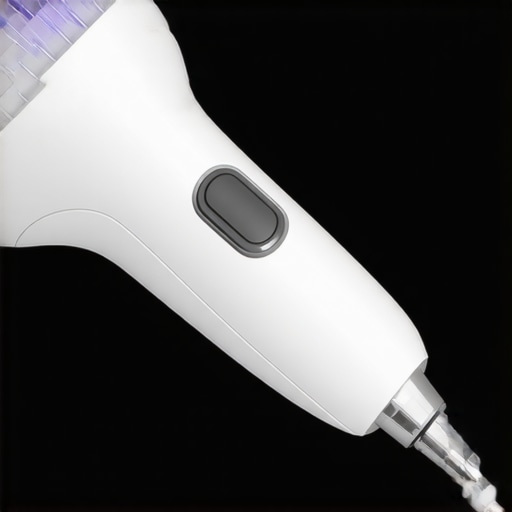
Visual aid: Modern ultrasonic scaler with adjustable settings and ergonomic design, spotlighted in a clinical setting. Alt: Ultrasonic dental scaler for effective plaque removal. Title: Precision tools for effective cleanings.
}\n
The Hardest Lesson I Learned About Family Dentistry and Child Oral Health
One of the most profound realizations I had as a parent and a dentist was that habits like thumb-sucking are more than just passing phases; they shape the foundation of future dental health. I once believed that patience alone would suffice, but experience taught me that early, informed intervention can save years of corrective treatments. Recognizing subtle signs early can turn potential dental nightmares into manageable challenges, emphasizing the importance of vigilance and proactive care.
Tools That Make a Difference in Maintaining The Family’s Smile
From high-quality ultrasonic scalers to innovative digital impression systems, investing in advanced dental equipment has transformed my approach. These tools not only improve efficiency but also enhance patient comfort, ensuring that preventive care is accessible and effective for every family member. Trusting reputable sources for equipment, such as renowned manufacturers of intraoral cameras, has allowed me to deliver precise diagnoses and tailor treatments with confidence.
Embrace Change: Inspiring Action for Lasting Oral Health
Your family’s smile is priceless, and every small step towards better oral habits contributes to long-term confidence and well-being. Whether it’s encouraging your child to replace thumb-sucking with engaging activities or scheduling regular dental check-ups, your proactive choices make all the difference. Remember, the journey to optimal oral health is ongoing, but with the right mindset and tools, you can create a lifetime of healthy, happy smiles.
Insider Wisdom From My Dental Encounters
- Never underestimate the impact of habits beyond the age of five; early intervention can prevent complex orthodontic issues later.
- High-quality dental equipment like ultrasonic scalers and intraoral cameras are game-changers, making routine care both effective and comfortable.
- Professional guidance combined with personalized at-home routines ensure sustainable oral health habits for the entire family.
- Stay curious and question common assumptions—what we think is harmless today could be a problem tomorrow if overlooked.
- Continuous learning from industry innovations and real-life experiences keeps my practice—and your family’s smiles—fresh and healthy.
Where To Go From Here
Explore the comprehensive [teeth cleaning techniques and benefits](https://gentlesmiledentist.com/the-ultimate-guide-to-teeth-cleaning-techniques-and-benefits) that can elevate your family’s oral hygiene routines. Consider scheduling an appointment with your dentist to discuss personalized strategies, including modern solutions like cosmetic dentistry or minimally invasive treatments. Remember, every smile is unique—nurture yours with knowledge, the right tools, and timely professional support for lifelong confidence and health.