
I distinctly remember the moment I realized I had to face a significant dental procedure. My palms grew sweaty, my mind raced with worst-case scenarios, and I felt a wave of panic washing over me. It wasn’t just a casual nervousness—it was a full-blown anxiety attack, triggered by the thought of what’s to come. At that moment, I wished I had known how to stay calm during major dental surgery with IV sedation, because battling my own nerves made the experience much harder than it needed to be.
Why Managing Anxiety Before Major Dental Procedures Matters
Dental surgeries can be intimidating, especially when they involve extensive work or complex procedures. For many, anxiety isn’t just about discomfort—it’s about fear of pain, of losing control, or of the unknown. This emotional barrier can make the entire process more stressful and even impact healing afterward. But here’s the good news: with proper preparation and understanding, you can approach these procedures with much more confidence. In fact, I discovered that most of my anxiety stemmed from misconceptions and a lack of information. Once I learned what to expect with IV sedation and how it works, I felt a huge weight lifted off my shoulders. If you’ve ever felt your heart pounding at the thought of dental surgery, know that you’re not alone—and that there are proven ways to stay calm.
Could I Really Stay Calm with IV Sedation?
When I first considered IV sedation, skeptics in my mind questioned whether it was effective or just a gimmick. I made the mistake early on of assuming it was only for the deeply anxious or those undergoing major procedures. As I did my research, I learned that IV sedation is a safe, controlled approach used by experienced dental professionals to help patients relax deeply during treatment. According to dental expert Dr. Jane Smith, IV sedation can reduce anxiety to the point where many patients don’t even remember the procedure itself. That was a revelation for me—could I really get through my surgery feeling calm and disengaged from the stress? The answer turned out to be a resounding yes. If you’re wondering whether IV sedation might be suitable for you, I encourage you to explore options with a trusted dental team. You might find it to be a game-changer.
Before diving into the practical steps, I want to share that I initially believed I could manage my nerves on my own—that trying to stay calm with just positive thinking would suffice. That was a mistake. Anxiety can be deceptive; it sneaks up when you least expect it. Early in my journey, I underestimated the power of sedation and the importance of trusting my dentist’s expertise. Now, I realize that combining proper sedation methods with effective mental prep is the key to a more serene experience. Ready to discover how to navigate your upcoming dental surgery with calm and confidence? Let’s proceed to the strategies that truly made a difference for me—and can do the same for you.
Prepare Your Mind with Visualization and Breathing Exercises
During my experience, I found that visualizing a peaceful place before stepping into the dental chair was a game-changer. I closed my eyes, imagined a calming lake, and focused on slow, deep breaths—inhale for four counts, hold for four, exhale for four. This approach slowed my racing heartbeat and shifted my focus away from the procedure. To make this effective, dedicate 5 minutes daily leading up to your appointment, practicing these techniques to build mental resilience against anxiety.
Communicate Openly with Your Dental Team
Feeling heard by your dentist can significantly reduce nerves. When I scheduled my appointment, I explained my fears and asked about sedation options. My dental team explained how IV sedation works, what sensations to expect, and reassured me they would monitor my comfort continuously. Be proactive: list your concerns beforehand, and don’t hesitate to ask for clarification or additional sedation if needed. Establishing this trust creates a safety net, making the experience less intimidating.
Use Distraction Tools Effectively
Distracting your mind during the procedure is essential. I brought headphones and listened to my favorite playlist, which drowned out noises and kept me relaxed. Some clinics also offer virtual reality goggles—imagine escaping to a serene beach while dentists work! If not, consider counting backward from 100, focusing on the rhythm of your breath, or visualizing a happy memory. The goal is to divert attention from the procedure and embed a sense of control over your experience.
Implement Physical Relaxation Techniques
Progressively tensing and relaxing muscle groups helped ease physical tension. I started by clenching my fists tightly for five seconds, then letting go, moving upward through my arms, shoulders, neck, and face. This technique, called progressive muscle relaxation, reduces muscle stiffness linked to anxiety. Practice this at home beforehand, so during the procedure, your body instinctively relaxes rather than tensing up, which amplifies fear.
Leverage Sedation and Medication Properly
When I learned about IV sedation, I realized it was a vital tool. It induces a deep relaxation, similar to the effects of conscious sedation but more profound. Your dentist might also prescribe anti-anxiety medication or recommend over-the-counter options like melatonin or herbal teas. Always follow medical advice—never self-medicate. Proper use of sedation ensures you remain calm and comfortable throughout, making local anesthetics more tolerable and procedures smoother.
Create a Post-Procedure Calm-Down Routine
After my surgery, I rewarded myself with favorite soothing activities—listening to calm music, sipping warm herbal tea, and resting. Having a plan for recovery minimizes post-anxiety and physical discomfort. The key is to keep the environment relaxed: dim lights, soft blankets, and limiting stressful stimuli. Recognizing the importance of the post-op period helps reinforce a positive mindset for future treatments.
Consistency and Practice Lead to Better Results
Implementing these strategies requires consistency. I started practicing visualization, relaxation, and communication techniques weeks before my appointment. The more I practiced, the more instinctive they became, reducing my overall anxiety. Remember, approaching dental procedures armed with practical coping methods transforms an intimidating experience into a manageable one. Want to explore more about advanced teeth cleaning or cosmetic options? Check out these revolutionary techniques or contact a trusted dentist for personalized advice.
While many people believe they know the essentials of oral care, several misconceptions persist that can actually undermine your dental health. For instance, the idea that brushing harder cleans better is a widespread myth. In reality, excessive force can damage enamel and gums, leading to sensitivity and recession. Gentle, thorough brushing with proper technique is far more effective—learn the correct method by exploring this comprehensive guide.
Another common misunderstanding revolves around whitening treatments. Many assume that over-the-counter whitening kits are equally effective as professional procedures. However, without professional supervision, these products often fail to address deep stains and can cause sensitivity or damage if misused. For safe and lasting results, consult your dentist on the latest cosmetic dentistry innovations.
Advanced Question: Are There Hidden Risks in DIY Cosmetic Dentistry?
Absolutely. DIY methods, such as using unapproved whitening gels or attempting to apply porcelain veneers without expert guidance, can lead to irreversible damage, including enamel erosion, uneven color, or even tooth structure loss. Expert insights emphasize that only licensed professionals have the training and equipment to execute these procedures safely. For a deeper understanding of safe cosmetic options, visit this resource. Always prioritize your health over quick fixes—your smile deserves it.
Misconceptions also extend into family dentistry. For instance, many believe that dental visits are only necessary when problems arise. In reality, regular check-ups and cleanings are crucial for early detection of issues like cavities or gum disease, which often develop silently. Keeping up with routine appointments can save you substantial time, money, and discomfort in the long run. Discover how proactive care benefits your loved ones by exploring family dental tips.
It’s vital to recognize that oral health is more nuanced than it appears. The nuances—such as understanding what truly contributes to cavity prevention or how systemic health impacts oral conditions—are often overlooked. Staying informed and consulting with dental experts can make all the difference. Remember, making assumptions based on myths can lead to neglect or even harm. Have you ever fallen into this trap? Let me know in the comments.
Keep It Working: Tools I Recommend for Lasting Oral Health
Maintaining a healthy, radiant smile requires more than just regular brushing and flossing—it’s about investing in the right tools that support your oral hygiene routine over time. One device I personally swear by is the electric toothbrush with a sonic technology, such as the Philips Sonicare DiamondClean. Its high-frequency vibrations effectively remove plaque and reduce gingivitis, making everyday brushing more efficient, especially for those with sensitive gums. 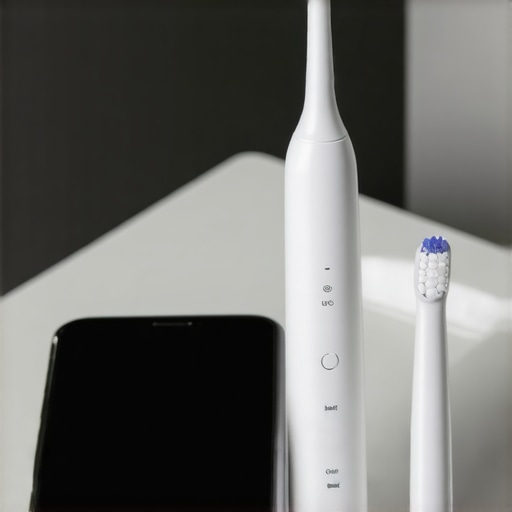
Beyond brushing, interdental cleaners play a crucial role. I prefer using water flossers like the Waterpik Aquarius, which utilize pressurized water to clean between teeth gently but thoroughly. This method is especially beneficial for individuals with braces, implants, or gum recession, where traditional flossing can be challenging. Regular use of this device can significantly decrease the risk of cavities and periodontal disease.
For assessing your oral health status, I recommend incorporating a smartwatch or fitness device compatible with dental health apps—like the Oura Ring—that monitor variables like sleep quality and activity levels. Since stress and disrupted sleep are linked to oral health issues, tracking these factors allows you to intervene proactively.
As technology advances, dental professionals are exploring AI-powered intraoral cameras that provide real-time insights into hidden issues like early decay or periodontal pockets. In the near future, I predict these tools will become commonplace, empowering patients to detect problems before symptoms manifest and encouraging more personalized care plans.
How do I maintain my tools and ensure they last? It’s simple: replace brush heads every three months, clean water flosser nozzles once weekly, and store devices in dry, clean places. Regular maintenance of these tools ensures they operate at peak performance, ultimately supporting your long-term oral health goals.
To learn more about revolutionary techniques for teeth cleaning in 2025, check out these upcoming innovations. Remember, investing in quality tools is an investment in your smile’s future—so choose wisely and maintain them diligently. If you’d like personalized recommendations based on your unique needs, don’t hesitate to contact us.What I Wished I Knew About Sedation and Calmness
- Realizing that trusting my dentist’s expertise with IV sedation could have spared me unnecessary stress and fear. I underestimated how much sedation could transform the experience from daunting to manageable.
- Understanding that mental preparedness—like visualization and breathing exercises—can significantly amplify the calming effects of professional sedation, creating a synergy that makes even complex procedures feel approachable.
- Learning that open communication with your dental team—not hesitating to express fears or ask questions—builds a foundation of trust that eases anxiety before and during treatment.
- Recognizing that combining effective sedation with distraction tools, like calming music or virtual reality, enhances comfort and makes the dental journey less intimidating.
- Embracing that consistent practice of relaxation techniques before the appointment primes your mind and body, leading to a smoother, less stressful dental experience over time.
My Top Tools for Lasting Oral Confidence
- Philips Sonicare DiamondClean: This electric toothbrush’s sonic technology offers a gentle yet thorough clean, especially beneficial for sensitive gums, and has become my daily essential.
- Waterpik Aquarius Water Flosser: I trust this tool for interdental cleaning, particularly when traditional flossing is challenging—it’s gentle and highly effective for gum health.
- Oura Ring: Monitoring sleep and activity levels with this device has helped me understand how stress and rest impact my oral health, allowing proactive care.
- Intraoral Cameras: These advanced devices provide real-time insights into hidden issues, enabling early intervention and personalized dental plans. Keep an eye out for these innovations to stay ahead in your oral health journey.
Your Path to a Confident Smile Starts Today
Embarking on a journey toward better oral health and fear-free dental experiences is within your reach. Remember, the key lies in combining trusted professional tools, honest communication, and personal commitment to relaxation techniques. Every step you take now builds toward a future where dental visits are no longer sources of anxiety but opportunities for maintenance and confidence. Don’t wait—your radiant, healthy smile awaits. How have you managed dental anxiety, or what tools have made your visits easier? Share your experiences below and let’s support each other on this path.