
I remember the first time I tried cleaning my partial dentures, eager to keep them sparkling like new. I grabbed the toothbrush and some regular toothpaste, thinking I was doing everything right. But in just a few strokes, I noticed tiny scratches forming on their surface. My heart sank—those scratches could harbor plaque and even weaken the material over time. It was a frustrating lightbulb moment that many denture wearers experience. Did you know that improper cleaning can cause micro-scratches, making your dentures look dull and increasing the risk of oral health issues? Today, I want to share proven methods that will help you clean your partial dentures without scratching them—methods I’ve personally tested and trusted over the years.
The Hidden Dangers of DIY Denture Cleaning
When I first started exploring how to care for my dentures, I assumed all cleaning methods were created equal. I used common household cleaners and abrasive brushes without a second thought. That mistake cost me dearly. Early on, I damaged my dentures, leading to costly repairs and discomfort. As I learned more, I discovered that not all cleaning routines are safe. In fact, some popular DIY practices can do more harm than good, damaging the material and reducing their lifespan. Recognizing and avoiding these pitfalls is crucial for maintaining a healthy smile and prolonged denture life. For comprehensive guidance, check out this ultimate guide to teeth cleaning techniques.
Is it really worth risking damage for a quick clean?
This was the question I had to confront when I realized my hurried attempts to scrub quickly were causing micro-scratches. Scientific studies have shown that abrasive materials and harsh cleaners can accelerate wear on acrylic dentures, leading to dullness and potential cracks (source). I learned the hard way that gentle, proper cleaning not only preserves the appearance but also ensures your dentures stay functional and comfortable. Ready to transform your routine? In the next sections, I’ll walk you through the best practices that keep your dentures pristine without the damage.
Choose the Right Tools for Gentle Cleaning
Start with a soft-bristled toothbrush and non-abrasive cleanser. I recall a time I mistakenly grabbed an old toothbrush with stiff bristles, thinking it would scrub away stains faster. Instead, I ended up scratching my dentures. Today, I use a specialized denture brush designed for delicate surfaces, much like how you’d select a silk cloth for fragile fabrics. This prevents micro-scratches that can trap plaque and make your dentures look dull. Always opt for denture-specific cleaning tools to protect your investment and oral health.
Use Proper Cleaning Techniques
Soak Before Scrubbing
Immerse your dentures in a denture-safe cleaning solution for about 15 minutes to loosen debris. I once tried to clean mine immediately after eating, using only a brush and water. The debris was stubborn, and I noticed uneven cleaning. Soaking softens deposits, making it easier to remove without excessive rubbing. This step reduces the risk of damaging the surface and preserves the material’s integrity. Remember, aggressive scrubbing alone can be harmful—think gentle as polishing rather than sanding.
Focus on All Surfaces
Pay attention to every nook and cranny, including clasps and the underside. I learned this the hard way during my first attempt; I missed cleaning under the clasps and noticed a build-up later. Use a soft brush or cloth to reach tight spots. Rinsing thoroughly afterward removes any residual cleaner, which is essential because leftover chemicals can weaken the material over time. Consistency in cleaning all surfaces prevents plaque buildup and extends the lifespan of your dentures.
Mind Your Cleaning Agents
Avoid harsh household cleaners or bleach, which can corrode denture material. I once thought mixing some bleach with water would speed up cleaning. The result was a foggy, damaged surface that required costly repairs. Instead, stick to specially formulated denture cleansers approved by dental professionals. Using the right agents ensures that your dentures remain intact, shiny, and safe to wear. For more insights, check out this guide on denture care.
Rinse and Store Properly
Always rinse your dentures thoroughly after cleaning to remove any residue. Store them in a clean, moist environment—never in hot water or air-dried containers, which may cause warping. I once left mine in the bathroom cabinet overnight and noticed warping the next day. Instead, use a denture storage case with a lid that keeps them moist and prevents contamination. Proper storage maintains their shape and readiness for daily use, ensuring comfort and function.
Regular Professional Check-Ups
Even with meticulous cleaning, regular visits to your dentist are vital. I schedule professional cleanings twice a year, which helps catch any early signs of wear or damage. Dentists have specialized tools to clean areas hard to reach and can provide advice tailored to your mouth. Think of it as giving your dentures a spa day—keeping them in top condition prolongs their aesthetic and functional lifespan, much like family dentistry routines that preserve your child’s smile for years to come.
Many people operate under misconceptions about teeth cleaning and oral health, often leading to ineffective routines or even damage. One widespread myth is that more aggressive brushing yields better cleaning results. In reality, applying excessive force can erode enamel and gum tissue, accelerating problems instead of preventing them. It’s essential to acknowledge that gentle, targeted cleaning often outperforms harsh scrubbing. Studies have shown that abrasive brushing can cause micro-damage, which accumulates over time, diminishing oral health and aesthetics (source).
Are We Overlooking the Power of Technique Over Tool?
Many assume that high-tech gadgets or expensive whitening agents automatically guarantee healthier teeth. However, correct brushing technique and professional guidance significantly influence outcomes. For example, using a soft-bristled brush correctly—placing it at a 45-degree angle to gums and using gentle circular motions—can prevent gum recession and enamel loss. This subtle nuance is often overlooked, yet it’s critical. Family dentistry professionals emphasize that mastering proper technique is the foundation for long-term oral health, more than any gadget or product. For a comprehensive routine, check out these expert tips.
Another common mistake is the misconception around flossing. Many believe that if they floss daily, their oral health is fully protected. But, incorrect flossing technique—such as snapping the floss or skipping gently under the gumline—can cause gum trauma and incomplete plaque removal. Proper flossing involves gently curving the floss around each tooth and sliding it beneath the gumline without force. This nuance ensures effective plaque removal without injury. Think of flossing as a delicate massage rather than a harsh scrape.
Keep in mind that public perception often misses the importance of regular professional check-ups. Some think brushing at home is enough, but early detection is key to preventing major issues. Dentists are trained to identify early signs of decay, gum disease, and even oral cancer, which are often unseen by untrained eyes. Regular visits can uncover problems before they escalate, saving you discomfort and money in the long run. Learn more about preventive care at this detailed guide.
In the realm of cosmetic dentistry, there’s a misconception that whitening results are permanent. Yet, staining and discoloration can resurface quickly if habits aren’t adjusted. For instance, overuse of coffee or red wine without proper aftercare can undo whitening efforts. Advanced procedures like contouring veneers or enamel microabrasion can offer longer-lasting aesthetics, but only if paired with lifestyle changes. For insights into future trends, explore the latest innovations.
Lastly, many underestimate the dangers of DIY remedies and over-the-counter products. For example, using charcoal toothpaste frequently can abrade enamel, leading to increased sensitivity and erosion. Over-the-counter whitening kits may not be suited for everyone and sometimes cause uneven results or damage if misused. Consulting with your family dentist ensures you choose safe, effective solutions tailored to your needs, rather than relying on marketing hype. Remember, a nuanced understanding and expert guidance are invaluable in maintaining a healthy, radiant smile.
Have you ever fallen into this trap? Let me know in the comments. Recognizing these subtle misconceptions empowers you to make smarter choices for your oral health and aesthetic goals.
Maintaining Your Smile with the Right Tools
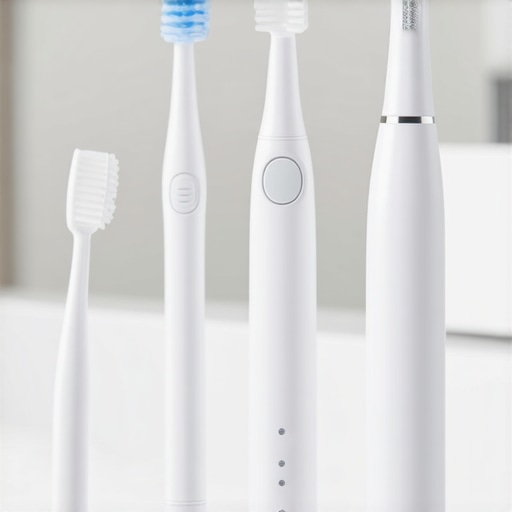
Investing in quality dental tools makes a tangible difference in your long-term oral health. Personally, I swear by the Sonicare DiamondClean electric toothbrush—not just because of its buzz, but because its sonic technology ensures a thorough clean without aggressive bristles that can harm gums or enamel. Its multiple cleaning modes allow me to customize my routine—sensitive, whitening, deep clean—addressing various needs effectively. Coupled with a timer, it ensures I don’t miss any zones, which is crucial for comprehensive maintenance. Over time, I predict technology will continue to innovate, integrating AI for personalized brushing feedback and real-time oral health monitoring. Staying ahead means embracing these advancements soon after they hit the market.
How do I maintain my tools over time?
Proper maintenance extends the lifespan of your equipment and keeps your routine effective. For my electric toothbrush, I rinse the brush head thoroughly after each use and replace it every three months, as recommended by manufacturers and dental professionals (see here for more on maintenance). Keeping the charging base clean prevents dust accumulation that could interfere with charging efficiency. I also periodically run the toothbrush’s cleaning cycle, if available, to remove any bacterial buildup. These simple steps ensure the tools work efficiently, giving you consistent results over the years.
Simple upgrades for lasting results
Beyond the basic tools, investing in quality floss, like Glide’s Comfort Plus, minimizes fraying and ensures gentle but effective plaque removal—especially important for those with sensitive gums. I also recommend water flossers like the Waterpik, which reach areas traditional floss can miss, providing a comprehensive clean—key for those with braces or dental implants. Regularly updating your tools and adhering to recommended replacement schedules enhances efficacy and prevents misunderstandings about oral care routines. Looking ahead, wearable tech that monitors bacterial loads in real time might become a standard part of home care kits, guiding daily habits more precisely than ever before.
Why choose professional-grade instruments for home care?
Upgrading to professional-grade instruments isn’t just about brand prestige; it’s about quality and safety. For example, using a genuine denture cleaner like DomusCrème ensures effective cleaning without unintended corrosive effects. This vigilance is supported by clinical data; the American Dental Association underscores that proper tools coupled with correct techniques outperform generic products (more info here). Embracing these tools empowers you to maintain your oral health confidently, prolonging the life of your dental investments and aesthetic results.
My Biggest Mistakes in Denture Care That Changed My Approach
One of the most profound lessons I learned was realizing that even the most well-intentioned cleaning habits can cause unintended damage. I used abrasive tools and harsh chemicals, thinking more aggressive meant better cleaning. But that only scratched my surface, quite literally. Now, I know gentle, targeted techniques protect both the aesthetic and structural integrity of dentures, preserving that bright, confident smile we all strive for.
The Surprising Power of Proper Tool Selection
Choosing the right tools transformed my denture maintenance. I ditched stiff-bristled brushes for soft, denture-specific brushes that cleaned thoroughly without micro-scratches. This subtle switch made a significant difference, extending the lifespan of my dentures and ensuring a comfortable fit. Trust me, investing in quality cleaning tools is almost as vital as your daily brushing routine.
How My Approach to Technique Changed Everything
Learning to soak before scrubbing and paying attention to every tiny crevice was eye-opening. It reduced surface wear and trapped debris, which previously led to dullness and bacteria buildup. Gentle, comprehensive cleaning acts like a mini spa day for your dentures, and the benefits ripple into better oral health and added confidence.
Why Using the Right Cleaning Agents Keeps Your Smile Bright
Avoiding harsh chemicals like bleach was a game-changer. I discovered professionally formulated denture cleaners balanced effective cleaning with material safety. This not only preserved the shine but also prevented many costly repairs. Knowing which products are safe from reputable sources makes a tangible difference for your dental investment.
Storing and Maintaining Tools—A Secret to Longevity
I learned that rinsing tools thoroughly and replacing brush heads regularly maintain their effectiveness over time. Proper storage keeps dentures moist and ready for use, preventing warping and bacterial growth. These small habits ensure your tools perform at their best and prolong their lifespan, saving you money and trouble down the line.
The Value of Professional Check-Ups in Long-Term Smile Preservation
Even with diligent at-home care, nothing replaces regular visits to your dentist. During my check-ups, early signs of wear or damage were caught before escalating. Professionals have the expertise and tools to give your dentures a thorough cleaning and tailored advice, ultimately extending their lifespan and keeping your smile vibrant year after year.
Insights That Break Common Myths About Oral Care
A crucial realization was that aggressive brushing isn’t the answer; gentle, consistent technique wins. Many believe that high-tech gadgets or trendy products are essential, but the foundation is proper technique and knowledge. Proper flossing, regular professional care, and using gentle cleaning tools outperform aggressive routines and save your smile from unnecessary damage.
Sharing Wisdom from Personal Experience
From my journey, I understand that adopting a mindful, well-informed approach to denture cleaning can transform your oral health. Small changes—like selecting the right tools, mastering gentle techniques, and committing to regular check-ups—serve as long-term investments in your confidence and comfort. Personal insights like these, rooted in experience, can guide you toward a healthier, more resilient smile.
Curated Gems for Your Dental Routine
For tools, I recommend the Sonicare DiamondClean for its gentle yet thorough cleaning, paired with denture-specific brushes that prevent scratches. Reading insightful books like “The Power of Professional Dental Care” has expanded my understanding of comprehensive oral health, emphasizing prevention over repair. Visiting trusted platforms like this detailed guide gives newcomers a solid foundation. Lastly, staying updated with the latest cosmetic dentistry trends at this resource keeps your smile both healthy and stunning.
Your Next Step Toward a Confident Smile
Empower yourself with mindful practices, quality tools, and professional guidance to safeguard your smile’s brilliance. Your commitment today shapes a future where your teeth reflect not just health, but happiness. Embrace the journey—your smile deserves it!
Have you ever experienced a moment where a small change in your oral care routine made a big difference? Share your story below and inspire others!