
It was one of those mornings where I caught myself absentmindedly taking tiny sips of a sugary coffee drink, completely ignoring the little voice in my head warning me about my teeth. Suddenly, I felt that dull, familiar ache developing around my molars. You know that feeling—like a minor warning sign you shouldn’t ignore, yet so easy to dismiss in our busy lives. That was my eye-opener. I realized that sipping my sweet beverage slowly, rather than gulping it down quickly, was doing more damage than I thought. It’s a mistake I made early on in my dental journey, and I see many patients making it too. Today, I want to share why slowly savoring sugary drinks is more harmful than you might imagine, and how understanding this could save your smile from unnecessary damage.
The Hidden Dangers of Slow Sipping and Sugary Drinks
When we drink something sweet and acidic slowly over time, we’re not just enjoying the flavor—we’re feeding a perfect storm for tooth decay. The prolonged contact means the sugar and acids linger longer on your teeth, providing a feast for bacteria that produce acids, eroding enamel. Unlike gulping a soda quickly, which minimizes exposure time, sipping keeps those harmful substances in contact with your teeth for much longer. This increases the risk of cavities, enamel erosion, and even future gum issues. Many folks underestimate how damaging this habit can be, often thinking that a little sip won’t hurt. However, studies show that extended exposure to sugary and acidic drinks can accelerate tooth decay significantly (source: American Dental Association). If you’ve noticed increased sensitivity or dark spots on your teeth, it might be a warning sign linked to this very habit. Now, it’s not just about what you’re drinking but how you’re drinking it. Even healthy beverages like fruit juices can become problematic if sipped slowly over hours. Curious about how to change this habit? Stay tuned—I have some practical tips coming up.
Could Your Dental Anxiety Be Making Things Worse?
I remember convincing myself early on that I could just brush away the damage or that a quick rinse would do the trick—big mistake. I was so focused on immediate relief that I ignored longer-term consequences. Trust me, I learned the hard way that neglecting the real cause of decay only leads to bigger problems down the line. If you’ve been guilty of this mistake, don’t worry—you’re not alone, but recognizing it is the first step to better oral health. Want to learn how to prevent these issues and keep your teeth healthy? Check our [teeth cleaning secrets](https://gentlesmiledentist.com/teeth-cleaning-secrets-achieve-a-bright-smile-in-under-30-minutes) for simple techniques that can make a huge difference. Up next, I’ll share some practical steps to break this harmful habit before it turns into costly dental work.
Start Small with Water and Unsweetened Drinks
Replace sugary beverages with plain water or herbal teas to minimize damage. When you do indulge, use a straw to reduce contact with your teeth—this acts like a shield, redirecting liquids away from vulnerable enamel areas.
Limit Duration of Consumption
Set a timer or be mindful to finish your drinks within 10-15 minutes. I recall a time I consciously timed my soda breaks, reducing sipping from 30 minutes to just 10, which noticeably decreased my tooth sensitivity over a few weeks.
Practice Rapid Rinsing After Drinking
Immediately rinse your mouth with plain water after consuming sugary or acidic drinks. This helps wash away residual sugars and acids before they can do harm. I made it a habit during my afternoon coffee to rinse thoroughly, preventing prolonged exposure.
Use Chewing Gum to Stimulate Saliva
Chewing sugar-free gum increases saliva flow, naturally neutralizing acids. Once, after sipping a fizzy drink slowly, I chewed gum for 5 minutes, and it helped buffer the acids, minimizing enamel erosion. This simple step can be an effective shield for your teeth.
Incorporate Oral Hygiene Immediately
Wait at least 30 minutes before brushing after drinking acidic beverages, as brushing too soon can wear softened enamel. During a dental seminar, I learned that delaying brushing preserves enamel integrity; I now plan my brushing routine accordingly.
Learn and Apply Essential Teeth Cleaning Techniques
Adopt gentle brushing and interdental cleaning to remove plaque buildup. Using proper techniques, as outlined in our teeth cleaning secrets, ensures your efforts are effective without damaging sensitive gums. Regular, proper cleaning supports your habit changes and maintains oral health.
Create a Routine with Family and Kids
Make these habits a family affair—children emulate what they see. Establishing consistent routines like rinsing and limiting sugary drinks can instill lifelong healthy habits, reducing the risk of future cavities. Check out our family dental care tips for more ideas.
Utilize Technology and Reminders
Apps, timers, or notes can serve as reminders to rinse or finish drinks promptly. During my busy mornings, setting a quick timer helped me stay disciplined, and over time, I noticed fewer sensitivity issues. Incorporate these simple tools to reinforce your new habits.
Many people assume that visiting the dentist periodically and brushing thoroughly are enough for lasting oral health. While these basics are essential, a deeper understanding reveals common misconceptions that can undermine your efforts. One widespread myth is that all dental treatments are purely cosmetic or superficial; in reality, procedures like professional cleanings or cosmetic enhancements can have profound impacts on overall health when understood correctly. For instance, some believe that aggressive scrubbing during brushing improves cleanliness, but this can damage gums and enamel. Instead, adopting gentle, proper techniques—such as those outlined in our teeth cleaning secrets—preserves tissue integrity and enhances outcomes.
Why does some advice about oral hygiene backfire on patients? Let’s look at the hidden nuances that aren’t widely discussed.
A common trap is equating frequency with effectiveness—thinking that brushing five times a day is better than twice. Overbrushing can wear down enamel and irritate gums, especially if techniques are improper, highlighting the importance of quality over quantity. Furthermore, many focus heavily on cosmetic whitening without realizing that overuse of certain bleaching agents or abrasive products can weaken teeth over time. A responsible approach involves understanding how different products interact with your unique oral anatomy; for example, individuals with sensitive gums should opt for specialized gentle cleaning methods—details that often get overlooked. This is supported by recent research indicating that tailored oral hygiene regimens outperform generic routines in preventing decay and gum disease (see oral health myths for more). An advanced concern relates to the timing of treatments. For example, delaying professional cleanings or not addressing early signs of gum disease can lead to irreversible damage—something many overlook due to a misconception that minor issues will resolve on their own. Avoiding these pitfalls requires a nuanced understanding of oral health maintenance beyond the basics, emphasizing preventive care, tailored treatments, and current research. Have you ever fallen into this trap? Let me know in the comments. Improving oral health is a journey of understanding subtle factors that influence long-term success. For personalized guidance, consider consulting with a professional who can assess your specific needs and set you on the right track.
Keeping It Working: The Tools That Make a Difference
Maintaining your oral health over time requires more than just regular brushing; it demands precision and the right equipment. As a practicing dentist, I rely on specific tools and techniques that enhance efficiency and protect sensitive tissues. One indispensable device I personally recommend is a high-quality electric toothbrush with a pressure sensor. Unlike manual brushes, these electric models, like the Philips Sonicare DiamondClean, provide consistent, gentle cleaning while alerting me when I brush too hard, preventing gum recession and enamel wear. Regularly updating your brush head ensures optimal plaque removal, contributing to healthier gums and brighter teeth.
How do I maintain my dental tools for long-term success?
Proper maintenance encompasses replacing brush heads every three months, cleaning and drying your electric toothbrush after each use, and storing it in a dry place. This prevents bacterial growth and ensures your device functions correctly. I also advocate for using interdental cleaning tools, such as Waterpik water flossers, which I find invaluable in reaching areas traditional floss can’t. Their pulsating stream effectively disrupts plaque and biofilm accumulation, especially in patients with sensitive gums or crowded teeth. Choosing the right water pressure settings and regularly descaling the device prolongs its lifespan, making daily flossing a comfortable habit. For spotting early signs of issues, I incorporate LED dental lights like the Oral-B iO, which illuminate hard-to-see areas and guide thorough cleaning, ensuring no plaque is missed.
Future of Dental Tools in Family Care
Technology continues to evolve rapidly. In a decade, smart toothbrushes integrated with AI could analyze your brushing patterns, providing real-time feedback and personalized routines. Wearable devices might monitor saliva pH levels, alerting you to early signs of decay or gum disease. Embracing such innovations can transform the way families maintain oral health, making prevention proactive rather than reactive. To stay on top of these trends, I recommend exploring the latest models and incorporating them into your routine gradually. Want an immediate upgrade? Try using a rechargeable, app-connected toothbrush to elevate your daily cleaning game.
What about professional tools for sustained results?
Regular dental visits with advanced equipment like ultrasonic scalers or laser periodontal therapy ensure deep cleaning and periodontal health maintenance. These tools not only improve outcomes but also minimize discomfort, especially for sensitive patients. Investing in routine professional cleanings equipped with modern diagnostics lays a solid foundation for lasting oral wellness. To understand how integrating these tools can save you money and prevent dental emergencies, check our article on how regular dental cleanings can save you money in the long run. Embracing both personal and professional tools creates a comprehensive barrier against dental problems, ensuring that your family’s smiles remain healthy and bright. Consider scheduling your next cleaning with advanced technology to experience the difference firsthand. 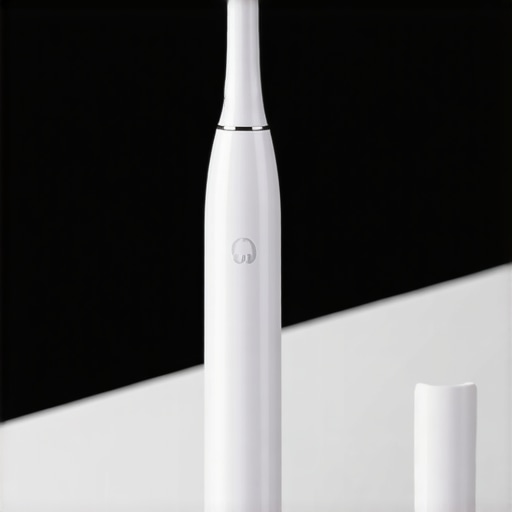
The Hardest Lesson I Learned About Smiling Brightly
One of my most eye-opening experiences was realizing that perfecting a smile isn’t just about quick fixes; it’s about consistent, mindful habits. I’ve seen patients fix superficial issues only to see them reappear because underlying habits, like sipping sugary drinks slowly, went unnoticed. It taught me that patience and understanding your own habits are the true catalysts for sustained dental health.
Another lesson emerged when I understood the power of personalized care. Every mouth is unique, and what works for one person may not suit another. Recognizing subtle signs of enamel vulnerability or gum sensitivity in my patients helped me tailor treatments that lasted longer and felt more comfortable.
Lastly, I learned that embracing technology isn’t just about staying modern—it’s about empowerment. From advanced tools that detect early decay to digital impressions that make procedures smoother, integrating these elements has transformed patient experiences and outcomes, making oral health more achievable for everyone.
My Trusted Arsenal for Lasting Dental Wellbeing
- Electric toothbrushes with pressure sensors: Devices like Philips Sonicare boost precision cleaning while protecting gums, which I personally rely on every day.
- High-quality interdental cleaners: Waterpik water flossers are a game-changer, especially for patients with tight spaces or sensitive gums—I’ve seen dramatic improvements in their gum health.
- Smart dental diagnostics: Tools like LED illuminated guides ensure thorough cleaning, reducing plaque buildup and enhancing routine care.
- Educational resources: The [teeth cleaning secrets](https://gentlesmiledentist.com/teeth-cleaning-secrets-achieve-a-bright-smile-in-under-30-minutes) have helped countless patients understand and implement better techniques that last beyond the clinic visit.
Believe in Your Power to Keep Smiles Shining
Every step toward mindful dental care, whether it’s rinsing after sugary drinks or choosing the right tools, is a testament to your commitment to health. Remember, your smile is a reflection of how you treat yourself—be gentle, be consistent, and celebrate your progress. You hold the key to a future where dental visits are about confidence and wellness, not worry.
What small change have you tried recently to improve your oral health? Share your story below and inspire others on this journey to brighter smiles!