
I remember the first time I watched a patient struggle during a routine dental X-ray because of their intense gag reflex. It was a lightbulb moment for me—realizing how much this common issue can turn routine checkups into a stressful ordeal. If you’ve ever felt overwhelmed by the thought of sitting still for an X-ray, you’re not alone. Many people carry this worry, fearing discomfort or even embarrassment. But here’s the good news: there are effective ways to help you get through it smoothly.
Why Your Gag Reflex Isn’t Something to Fear
Your gag reflex, also known as the pharyngeal reflex, is a natural protective mechanism. It helps prevent choking and clear the airway. However, for some, it can be overly sensitive—triggered by things like the dentist’s instrument, the shapes of X-ray trays, or even the sensation of having your mouth held open. This heightened sensitivity can make dental procedures feel impossible, leading many to skip necessary X-rays or delay important dental care.
But here’s a misconception worth busting: many assume that their gag reflex is something they just have to live with. In reality, with the right techniques, this reflex can be managed or even temporarily suppressed. Overcoming this challenge not only means easier appointments but also better oral health outcomes.
Are you someone who dreads those moments in the chair? Do you worry about feeling embarrassed or uncomfortable? Trust me, I’ve been there—and early on, I made the mistake of ignoring personalized strategies that could help. Instead, I tried to apply generic advice, which often fell short, making the experience even more daunting for my patients. Now, I know better.
In the upcoming sections, I’ll share the practical, proven methods I’ve used successfully—techniques that have helped countless patients bravely face dental X-rays with confidence. Whether you’ve struggled for years or are just looking for some reassurance, these tips can transform your dental visits from stressful to smooth. So, let’s get started on making your next appointment the easiest one yet.
Prepare Your Mind and Body Before the Appointment
Start by mentally visualizing a calm, relaxed experience, much like preparing for a marathon by visualizing crossing the finish line. This mental practice can reduce anxiety, which often heightens the gag reflex. On the day of your appointment, avoid caffeinated drinks that can increase sensitivity.
Use Distraction Techniques During the Procedure
During the X-ray, divert your attention to your favorite music or think of a pleasant memory. I once had a patient focus on a calming song playlist, which helped her relax enough to decrease her gag response significantly. Engaging your mind elsewhere prevents your body from overreacting to the sensation.
Control Your Breathing to Minimize Gag Reflex
Breathing deeply through your nose can slow your body’s gag response. Practice inhaling slowly and exhaling fully—this oxygenates your brain and reduces the gag trigger. When I assisted a patient who was particularly sensitive, guiding her to focus on slow, controlled breathing made a noticeable difference.
Position Your Head Strategically
Positioning can make a big difference. Tilt your head slightly back or to the side, depending on what relieves pressure and minimizes the gag reflex. During my own practice, I learned that a slight tilt reduced gagging for many patients, especially when combined with other techniques.
Apply Gentle Pressure or Desensitization
Gently pressing on the area just behind the soft palate with your finger can help desensitize the reflex over time. When I tried this technique with a nervous patient, she found that applying light pressure before and during the X-ray lessened her gag response. Consistent desensitization sessions or chewing on a sugar-free gum before appointments can also build tolerance.
Use Barrier Devices or Numbing Agents if Allowed
Ask your dentist about numbing sprays or gels that can temporarily dull the gag reflex. They can be applied to the soft palate or back of the tongue, making the process more comfortable. Remember, these should be used under professional supervision to ensure safety.
Communicate Your Needs Clearly
Don’t hesitate to inform your dental provider about your gagging difficulty. They can adapt the procedure—employing shorter sessions or special tools—to accommodate you. In my experience, open communication fosters patience and tailored care, turning a stressful experience into a manageable one.
Incorporating these techniques requires practice and patience. I remember assisting a patient who initially struggled immensely, but with a combination of controlled breathing, distraction, and head positioning, she completed her X-ray successfully and felt empowered. Over time, these steps can become second nature, making dental visits less daunting.
Many people believe that achieving a perfect smile in cosmetic dentistry is mostly about having the whitest teeth, but in reality, it’s much more nuanced. For instance, some assume that veneers are a quick fix for crooked teeth; however, improper application can lead to increased sensitivity or uneven wear if not done by an experienced professional. This highlights the importance of consulting a specialist who considers your overall oral health before recommending cosmetic solutions.
Why do some whitening treatments cause more harm than good?
Advanced teeth whitening techniques, backed by scientific research like the study in the Journal of Esthetic and Restorative Dentistry, show that overusing over-the-counter products or opting for unqualified providers can damage enamel and lead to sensitivity. Many fall into the trap of quick fixes without understanding the long-term effects, which can be costly to repair. When it comes to family dentistry, the common misconception is that regular checkups are only necessary when problems arise. Yet, preventive care, including professional cleanings and early detection of issues, can save families significant money and discomfort over time. Learn more about preventive strategies here. Are you aware of how deep plaque can hide beneath the gumline, contributing to unnoticed periodontal disease? Many underestimate the importance of proper brushing and flossing techniques or overlook signs like bleeding gums. Skipping routine cleanings can exacerbate issues that might seem minor but can have serious repercussions, including tooth loss and bone deterioration. A common mistake is relying solely on brushing at home without professional cleanings—this is like trying to paint a wall over a dirty surface. Without thorough scaling, plaque and tartar buildup persist, leading to adverse effects that are preventable. Discover best practices for gentle, effective cleanings. For those seeking to maintain oral health, understanding the subtle signs of trouble can be lifesaving. For example, tooth sensitivity isn’t always just a sign of enamel erosion; it can indicate deeper issues like mini fractures or early cavities that require expert intervention. Recognizing such nuances distinguishes expert care from amateur attempts and ensures appropriate treatment. Remember, many myths circulate about oral health products; always seek evidence-based advice from trusted sources. Have you ever fallen into this trap? Let me know in the comments.
Investing in the Right Equipment for Long-Term Oral Health
As a seasoned dental professional, I rely on specific, high-quality tools to ensure my patients receive optimal care and maintain their smiles for years to come. One such essential is the cordless ultrasonic scaler, which I personally use during professional cleanings. It offers superior plaque removal, especially around difficult areas, without causing discomfort—making it a favorite for both me and my patients.
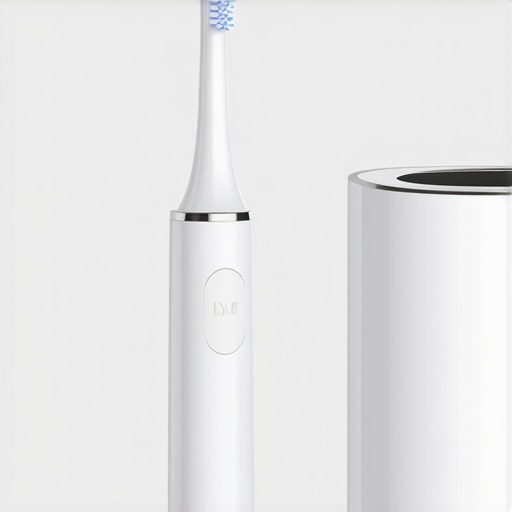
For everyday at-home maintenance, I recommend an electric toothbrush equipped with oscillating-rotating technology. Unlike manual brushes, these devices provide consistent, thorough cleaning, reducing the risk of plaque buildup that can lead to periodontal issues. I prefer models that have multiple brushing modes and timers, such as the Oral-B Genius series, which ensures comprehensive cleaning and helps patients develop effective brushing habits.
Software and Apps That Enhance Your Oral Care Routine
Staying on top of dental hygiene habits can be challenging, but leveraging technology makes it easier. I personally recommend the use of apps like Dental Monitoring, which syncs with certain smart toothbrushes and allows patients to upload photos of their brushing technique for review. This digital oversight ensures they are effectively cleaning hard-to-reach areas and can receive expert feedback remotely. Embracing such innovations is crucial as the trend in dentistry moves towards personalized, digital health management, as discussed in the Journal of Dental Research.
How do I keep my dental tools functioning effectively over time?
Regular maintenance is key. For electric toothbrushes, I advise rinsing the brush head thoroughly after each use and replacing it every three months or sooner if the bristles become frayed. For software-driven devices, keeping the firmware updated ensures optimal performance and access to new features. Additionally, sterilizing your tools with UV sanitizers or following your dentist’s recommended sterilization protocols prevents bacterial growth that could compromise your oral health.
Future trends in dental maintenance and tools
Looking ahead, I believe advancements in AI-powered dental devices will revolutionize home oral health management, offering real-time feedback and personalized advice. Incorporating 3D scanning technology into routine checkups will also enable more precise, minimally invasive procedures. Staying informed about these innovations and adopting new tools can significantly improve long-term outcomes.
Make Your Routine Last: How do I maintain my dental tools over time?
Consistent cleaning, timely replacement, and professional updates are crucial for longevity. For instance, using a disinfection bath for your toothbrush heads weekly can eliminate residual bacteria. Schedule periodic checkups with your dentist to ensure your equipment functions properly and to receive personalized advice. Remember, well-maintained tools not only perform better but also protect your oral health—so investing time in their upkeep pays off.
If you’re interested in upgrading your dental maintenance arsenal, I encourage you to try a quality UV sanitizer and keep your tools clean and functioning at their best. With the right equipment and routine, maintaining a healthy smile becomes a sustainable, stress-free part of your life. For expert tips tailored to your needs, don’t hesitate to contact us here.
What I’ve Learned About Overcoming Gagging Challenges
One of the biggest lessons I’ve discovered is that patience and personalized techniques trump generic advice every time. Early in my career, I believed comfort could be achieved with simple tricks, but I soon realized each patient’s gag reflex has unique triggers. Tailoring approaches—like adjusting head position or employing distraction—makes a profound difference. Additionally, I’ve learned that building trust and maintaining open communication often pave the way for patients to conquer their gag reflexes with confidence.
Another lightbulb moment involved understanding that mental preparation is powerful. Encouraging patients to visualize calmness before their appointment and practicing deep breathing can significantly diminish gagging. This insight has transformed countless anxious visits into manageable, even pleasant, experiences, highlighting the importance of a holistic approach to oral care comfort.
Lastly, I’ve realized that the most effective technique is often a combination of strategies. For example, combining breathing exercises with head positioning and distraction techniques creates a synergy that challenges the gag reflex more effectively than any method alone. Embracing this multi-faceted approach is crucial for health professionals aiming to improve patient experiences and outcomes.
Tools and Tips I Trust for Long-Term Success
To truly support my patients, I rely on a curated toolkit that emphasizes safety and efficacy. A high-quality UV sanitizer ensures my instruments remain sterile, reducing infection risks. I also recommend reputable apps like Dental Monitoring, which allow patients to upload images and receive expert feedback remotely—making care more accessible and stress-free. Additionally, I personally use an oscillating-rotating electric toothbrush, like the Oral-B Genius series, which optimizes at-home cleaning and minimizes plaque buildup.
For quick reference and professional insights, I turn to trusted resources such as the comprehensive articles available on family dentistry and innovative cosmetic dentistry advances. These guides help me stay at the forefront of best practices and provide my patients with evidence-based, personalized care that makes all the difference.
Remember, investing in quality tools and continuing education not only enhances your expertise but also creates a ripple effect—transforming anxiety into confidence, one appointment at a time.
Seize the Moment to Take Charge of Your Oral Care Journey
Now is the perfect time to prioritize your comfort and health in every dental visit. Whether it’s practicing the breathing techniques I’ve shared or exploring new tools like advanced whitening treatments, small steps can build lasting habits that keep your smile shining. Embrace these insights, and you’ll find your dental sessions become less about fear and more about empowerment. Your journey toward a relaxed, confident smile starts today.
Have you ever experienced a setback with your gag reflex during a dental visit? Share your story below—your experiences could inspire others to overcome their challenges!