
I remember the first time I tried to get a dental impression at home. That sticky, goopy stuff was everywhere—on my hands, my clothes, and worst of all, in my mouth. It felt like a messy science experiment gone wrong. I kept thinking,
Why does this have to be such a hassle? The frustration was real, and I knew there had to be a better way. That moment sparked my curiosity about digital impressions and how they can save us from uncomfortable, gooey dental molds.
Why Traditional Dental Impressions Can Drive You Crazy
Old-school impressions—those squishy, often gag-inducing putties—are a nightmare for many. Not only are they uncomfortable, but they can also lead to inaccuracies if not done perfectly. This is especially problematic for those needing precise treatments like veneers or Invisalign. If you’ve ever experienced a retake because the impression was flawed, you know the annoyance firsthand.
Thankfully, the dental industry has been shifting towards digital impressions, offering a much more comfortable and reliable alternative. No more mess, no more gagging—just a quick scan that captures your teeth with impressive precision. As someone who’s navigated both worlds, I can confidently say that embracing digital technology transforms the experience.
Question: Is Digital Impressions Actually Worth the Hype?
Early in my journey, I made a mistake—trusting outdated methods without exploring newer tech. I experienced delays, inaccuracies, and a lot of frustration. It was only when I delved into digital solutions that I understood how much smoother my dental experiences could be. As research shows, digital impressions are not just a trend—they improve diagnostic accuracy and patient comfort significantly (source). If you’re tired of the messy process, read on—I’ll guide you through how digital impressions can change the game for good.
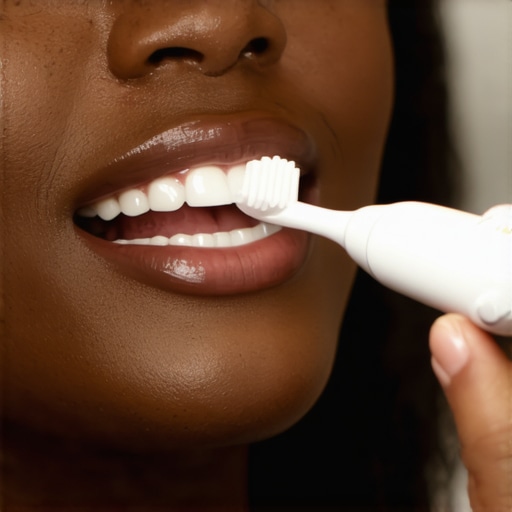
To ensure your teeth are truly clean, start by choosing a high-quality toothbrush—either electric or manual with soft bristles. Position the brush at a 45-degree angle toward your gum line, and use gentle circular motions to remove plaque effectively. I recall a time when I was rushing through my nightly routine and pressed too hard; I realized I was damaging my gums and wearing down enamel. Light pressure is key—think of it as polishing your teeth rather than scrubbing them.
Many overlook the molars, but they’re critical for overall oral health. Use the tip of your brush to clean the chewing surfaces and the sides. Allocate extra time here, especially for the upper and lower back molars, since plaque tends to build up in these hidden areas. When I dedicated just a minute longer to my molars, I noticed fewer cavities during my next check-up, proving the importance of thorough coverage.
Cleaning your tongue and cheeks reduces bacteria that cause bad breath and plaque. Use your toothbrush or a tongue scraper—here’s a hack: gently bristle or scrape from back to front, focusing on where bacteria hide. I’ve found that investing just 30 seconds into tongue cleaning keeps my breath fresher and my mouth healthier all day. For a visual guide, consider watching tutorials or visiting this resource.
< >
>
After brushing, flossing dislodges debris between teeth where brushes can’t reach. Use about 18 inches of floss, wind around your middle fingers, and gently slide between teeth, curving into a C-shape against each tooth. Do this gently to avoid hurting your gums. I used to skip flossing until I learned that consistent use significantly decreases the risk of gum disease and cavities, especially around braces or crowns. For detailed techniques, visit this guide.
Consistency trumps intensity. Aim for two minutes of brushing twice daily, and floss once per day. Using a timer or singing your favorite song can help you keep track. Remember, rushing through brushing is like trying to sweep dust under a rug—you might miss spots. When I started using a timer, my dental check-ups became smoother, and my smile brighter. For more tips, see this comprehensive article.Many people believe that brushing more vigorously will lead to cleaner teeth, but in reality, aggressive brushing can damage your gums and enamel. This misconception often results in sensitivity and even recession if not corrected. Additionally, a common mistake is neglecting the importance of fluoride; some think all mouthwashes are equal, but professional-grade products offer targeted benefits supported by studies like those from the American Dental Association, emphasizing fluoride’s role in strengthening enamel (source). Another nuance many overlook is the significance of comprehensive family dental routines—failing to tailor oral hygiene practices for different ages can lead to long-term issues. For example, children need different care approaches, including sealants and age-appropriate flossing strategies, which, when ignored, increase the risk of cavities.
Why do many premium cosmetic procedures sometimes fail to deliver the expected results?
This is a question that gets to the core of advanced dental restoration—precise planning and understanding individual anatomy are crucial. Overlooking subtle details, like the natural translucency of enamel or the alignment of your bite, can lead to artificial-looking outcomes or functional issues post-treatment. Experts suggest that starting with a detailed assessment that integrates 3D imaging and digital smile design ensures the best aesthetic harmony (more on this). Moreover, many fail to recognize the importance of maintaining their results through follow-up care and exploring minimally invasive options like contouring, which preserves natural tooth structure and reduces complications. Recognizing these nuances can save you from costly fixes and disappointment later. Remember, achieving a healthy, beautiful smile isn’t just about the latest trend but understanding the complexities beneath the surface. Has your routine or perceptions ever led you astray? Let me know in the comments!
Keeping Your Dental Routine Effective with the Right Tools
Investing in high-quality dental tools is essential for maintaining the results of cosmetic procedures and overall oral health. I personally swear by the Philips Sonicare DiamondClean electric toothbrush because its ultrasonic technology offers superior plaque removal, especially on difficult areas like molars and along the gum line. Its built-in timer ensures I brush for the recommended two minutes, which is crucial for thorough cleaning (source). Additionally, a good water flosser like Waterpik saves me time and provides a flossing experience gentle on my gums but highly effective at dislodging debris, especially after cosmetic treatments like veneers or contouring.
Beyond physical tools, software solutions like smile design programs can help predict the longevity of cosmetic work. For example, digital smile design allows me to simulate outcomes and plan maintenance schedules proactively, which minimizes long-term issues and keeps the results pristine for years. To maintain cosmetic enhancements like veneers or contouring, regular check-ups are non-negotiable—I recommend visiting a dental professional who uses 3D imaging for precise assessments (source).
Lubrication and Ongoing Maintenance Matter
Maintaining your oral health doesn’t end after your appointment; consistent maintenance is vital. I like to use a fluoride rinse with desensitizing properties after brushing, which helps reinforce enamel, especially if I’ve undergone whitening or contouring. Using professional-grade mouthwashes with targeted ingredients supports long-term results and reduces sensitivity. Remember, long-term preservation is a marathon, not a sprint. Sticking with these carefully chosen tools and products ensures your investment in your smile pays off over the years.
How do I maintain my dental aesthetic tools and ensure long-lasting results?
Proper maintenance of your dental tools is just as crucial as their selection. Rinse electric toothbrush heads and flossers thoroughly after each use and replace them as recommended—generally every three to six months for toothbrush heads. Regularly sterilize your water flosser nozzles to prevent bacterial buildup (source). Keeping your tools in good shape ensures optimal performance and hygiene, making each cleaning session more effective. For ongoing maintenance, schedule semi-annual professional cleanings, which help identify early signs of wear or issues with your cosmetic work before they escalate.
Looking ahead, advancements in dental technology like AI-powered diagnostics and improved restorative materials will make maintenance even easier and more reliable. Staying informed about these trends lets you optimize your routine and preserve your smile’s beauty and function for decades. For comprehensive tips on family dental care routines, visit this resource.
Lessons That Changed My Approach to Smiles
One of the most eye-opening realizations was how small tweaks in daily habits resulted in significant long-term benefits—like flossing before brushing to maximize fluoride absorption. Also, I learned that not all dental tools are created equal; investing in quality makes a tangible difference in results and comfort. Finally, understanding individual anatomy, such as the natural translucency of enamel, guided me away from one-size-fits-all solutions toward personalized care, ensuring both beauty and health converge seamlessly.
Tools and Resources That Elevate Your Dental Journey
My go-to resource is The Ultimate Guide to Teeth Cleaning Techniques and Benefits because it combines expert advice with practical tips, making complex concepts accessible. I also rely on the latest cosmetic dentistry trends to stay informed about innovative procedures that can elevate your smile. For ongoing support, my trusted dental team through contacting professional dentists remains invaluable, ensuring I get personalized, cutting-edge care tailored to my unique needs.
Your Smile Revival Starts Today
Remember, the journey to a healthier, more confident smile is ongoing—and you’re already taking the right step by seeking knowledge. With the right habits, tools, and expert guidance, your best smile is within reach. Don’t wait for perfection—start now, and let your journey toward oral excellence inspire others to do the same.