
I remember the exact moment I realized I had been mistaking my enamel wear for cavities. It was during a routine dental check-up when my dentist gently pointed out something unusual on my X-ray—my teeth looked ‘cavitied,’ but I felt perfectly fine. That lightbulb moment made me question what I really knew about my own teeth. Turns out, thinning enamel can masquerade as decay, leading to unnecessary treatments or, worse, missed diagnoses.
Unveiling the Hidden Culprit: Thinning Enamel
Many folks — including myself early in my career — assume that every chalky spot or slight sensitivity signals a cavity. But often, what we think is decay is actually enamel thinning, a common but overlooked issue. Thinning enamel doesn’t just make your teeth more susceptible to damage; it can also look suspicious on scans, leading to misdiagnoses. The good news? Once you understand this, you can prevent unnecessary procedures and protect your smile better.
Could It Be Thinning? The First Hint is Sensitivity
One of the earliest signs I overlooked was increased sensitivity, especially to hot, cold, or sweet foods. I thought it was just my imagination or old age creeping in. But that sensitivity often stems from enamel erosion, exposing the underlying dentin. Unlike cavities, which are caused by bacterial decay, enamel thinning can result from acid erosion, abrasive brushing, or even genetics. Recognizing these signs early can make all the difference in preserving your natural teeth.
According to recent research, enamel erosion affects up to 30% of adults and can be mistaken for cavities on X-rays, leading to unnecessary drilling or fillings. Therefore, it’s crucial to consult with a dental professional who understands the nuances of enamel health.
Setting the Stage for Smarter Dental Care
If you’ve noticed increased tooth sensitivity, discoloration, or your dentist’s scans showing suspicious spots, don’t jump to conclusions. Instead, ask questions about enamel health and discuss preventive strategies. Addressing enamel erosion early not only saves you from unnecessary procedures but also keeps your teeth stronger longer. Curious about how to differentiate between cavities and enamel wear? We’ll dive into that next, including practical tips to protect your smile for years to come.
Start with Precise Oral Hygiene
Just like cleaning a delicate piece of jewelry, brushing and flossing require the right technique to avoid damaging thinning enamel. Use a soft-bristled toothbrush and gentle circular motions to remove plaque without abrasively eroding your enamel. When flossing, avoid harsh scrubbing that can wear down exposed dentin. Establish a daily routine that incorporates brushing at least twice a day and flossing once—consistency is key in preventing further enamel erosion.
Choose the Right Products for Sensitive Teeth
Switch to toothpaste formulated for sensitive teeth, which contains compounds that help block exposed dentinal tubules. These products can significantly reduce discomfort caused by enamel thinning. Additionally, consider fluoride rinses that strengthen remaining enamel. Remember, the goal is to create a protective barrier, much like applying a sealant to shield your enamel from acid attack, akin to strategies explained in teeth cleaning secrets.
Implement Dietary Adjustments
Limit acidic and sugary foods and beverages that accelerate enamel erosion. Think of your teeth as a fortress; acid and sugar are like corrosive agents attacking the walls. For example, soda and citrus drinks can soften enamel, making it vulnerable to wear. Replace these with water or milk, which help neutralize acids and provide calcium essential for remineralization. Chewing sugar-free gum after meals can stimulate saliva production, acting as a natural buffer against acid, similar to the saliva-reinforcing methods discussed in maintaining oral health.
Schedule Regular Dental Check-Ups
Frequent visits to your dentist allow early detection of enamel thinning. During these appointments, ask your dentist to assess enamel thickness and discuss preventive options, such as fluoride treatments or dental sealants. Think of it as regular maintenance; catching issues early prevents costly repairs, much like servicing a car before breakdowns occur. I remember emphasizing this during my own examination, when a routine check uncovered initial signs of erosion that I had missed, showcasing the importance of professional oversight.
Consider Professional Enamel Repair
If erosion has advanced, cosmetic procedures like dental bonding or veneers can restore tooth integrity. These treatments act like armor, reinforcing vulnerable areas, and restoring aesthetic appeal. Innovations in cosmetic dentistry now offer minimally invasive options that blend seamlessly with natural teeth. When I received a veneer to protect a particularly thin tooth, the process was straightforward, and the results boosted my confidence immensely.
Safeguard Against Future Damage
Use a mouthguard during sports to prevent physical trauma that could exacerbate enamel wear. Avoid habits like teeth grinding or clenching, which can physically erode enamel over time. Consider stress reduction techniques if bruxism is a concern, perhaps through relaxation exercises or consult with your dentist about an occlusal guard. Think of these measures as the final layer of defense, similar to reinforcing a fence to withstand storms. Implementing these steps actively preserves your enamel, giving your teeth a fighting chance against erosion and decay.
By integrating these practical steps into your daily life and consulting professionals regularly, you add layers of protection against enamel thinning. It’s about creating a comprehensive plan—combining proper hygiene, diet, professional care, and preventive measures—that keeps your smile resilient for years to come.
Many people operate under misconceptions when it comes to oral health, family dentistry, cosmetic dentistry, and teeth cleaning. One common myth is that teeth whitening alone can compensate for poor oral hygiene, but in reality, maintaining healthy gums and enamel requires consistent, comprehensive care. Overlooking the importance of professional cleanings and proper flossing techniques can lead to more serious issues down the line. For instance, trusting store-bought whitening products without consulting a dentist might cause enamel erosion, especially if you already have sensitive teeth. Advanced treatments like contouring or veneers offer stunning results but are often seen as superficial fixes; however, they can actually protect teeth from further damage when used appropriately. An often unnoticed nuance is that not all plaque is visible, and relying solely on visual cues can be misleading, resulting in neglected buildup that accelerates decay. Did you know that regular dental examinations not only help in early detection of cavities but also in identifying subtle signs of enamel erosion before they become problematic? Exploring the science behind these issues reveals that many pitfalls stem from underestimating the complexity of oral biology. For example, early-stage enamel erosion can look identical to cavities on X-rays, yet treatment approaches differ significantly. To genuinely improve your oral health, focus on personalized strategies — from choosing the right toothbrush and toothpaste to understanding when cosmetic procedures are indeed necessary. Protect yourself from common traps by educating yourself about the advanced nuances of dental care; for example, incorporating fluoride treatments, applying remineralization techniques, and understanding the impact of diet on enamel health are critical steps often overlooked. Want to dive deeper? Check out resources like the ultimate guide to teeth cleaning techniques for more expert insights. Have you ever fallen into this trap? Let me know in the comments!
Essential Equipment for Long-Term Oral Care
Investing in high-quality dental tools can significantly impact the effectiveness of your daily routine. I personally rely on a Sonicare DiamondClean Smart electric toothbrush because of its advanced sonic technology, which provides superior plaque removal and gentle cleaning tailored to sensitive areas. Its multiple brushing modes and timers ensure you brush adequately without overdoing it, safeguarding your enamel from unnecessary wear.
In addition to your toothbrush, a water flosser like the Waterpik Aquarius offers a powerful yet gentle way to remove debris and bacteria from between teeth and along the gumline. I find it particularly helpful for customers with sensitive gums or those who wear braces, as it reaches areas traditional floss may miss effectively. Regular use of a water flosser can prevent plaque buildup, reducing the risk of enamel erosion from bacteria and acids.
Why Dry Areas Matter
Maintaining saliva flow is crucial for enamel remineralization. To support this, I recommend using Xylitol chewing gum after meals. It stimulates saliva production naturally, helping to neutralize acids that cause erosion. Personally, I keep a pack handy and chew sugar-free gum when I’m on the go, which has helped me maintain a healthy mouth even during busy days.
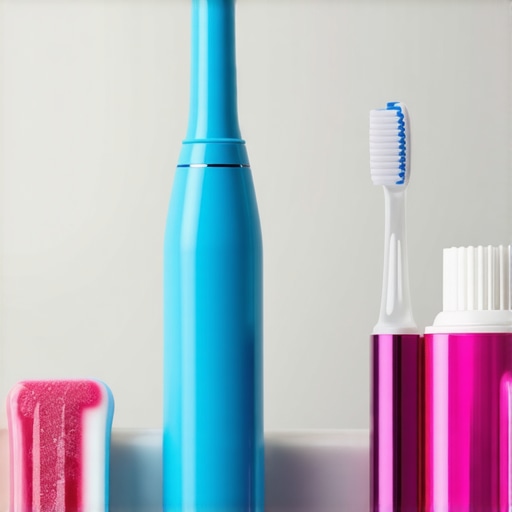
Using reliable, scientifically proven products like these ensures you’re not just cleaning your teeth but actively protecting your enamel and supporting overall oral health. Emerging technologies like cosmetic dentistry innovations are also shifting towards minimally invasive, protective procedures, emphasizing prevention. In the future, expect more smart devices that sync with apps, providing real-time feedback to optimize your brushing and flossing routines.
How do I maintain my tools to ensure they keep working effectively?
It’s vital to regularly replace brush heads (every three months) and clean your water flosser to prevent bacterial growth. Disinfecters or simple vinegar rinses can keep your devices hygienic and functioning smoothly. Staying consistent with maintenance minimizes the risk of equipment malfunction or bacteria buildup, which could compromise your oral health.
Try incorporating these tools and habits into your routine—I personally noticed a marked improvement in my gum health and enamel resilience within just a few weeks. Remember, proactive measures today can save you from costly dental treatments tomorrow. Interested in more tech-savvy tips? Check out our comprehensive guide to teeth cleaning techniques for in-depth advice.
The Insider Wisdom I Wish I Had Known from the Start
- Realized early on that not all white spots are cavities—some are just enamel thinning, which can save me from unnecessary drills.
- Discovered that sensitivity is often a sign of enamel erosion, prompting me to change my diet and brushing habits sooner rather than later.
- Learned that professional assessments can detect subtle enamel loss invisible to the naked eye, emphasizing the importance of regular check-ups.
- Understood that preventive care, like fluoride treatments and sealants, have a profound impact on maintaining enamel health over time.
- Recognized that lifestyle choices, such as reducing acid intake and avoiding abrasive products, protect my teeth more effectively than reactive treatments.
Tools That Transformed My Dental Routine
- Sonicare DiamondClean Smart electric toothbrush—its gentle yet thorough cleaning ensures I avoid unnecessary enamel wear.
- Waterpik Aquarius Water Flosser—helps me remove plaque and debris without damaging sensitive enamel, especially around tricky areas.
- Xylitol gum—stimulates saliva and neutralizes acids, which are major culprits in enamel erosion.
- Remineralization rinses—fortify my remaining enamel, acting as a barrier against further erosion.
Believe in Your Power to Protect Your Smile
Your dedication towards understanding and caring for your enamel can significantly influence your long-term oral health. Incorporate mindful habits like gentle brushing, mindful food choices, and regular dental visits. Remember, the journey towards a resilient, beautiful smile is ongoing, and each small step counts. If you’re curious about integrating these strategies into your routine, check out our comprehensive guide on teeth cleaning techniques for expert insights. What daily habit are you planning to change today to better protect your enamel and smile? Let me know below!