
It was a summer afternoon when I took a juicy slice of orange, savoring the tangy burst of flavor. But as I bit down, a sharp, shocking pain shot through my teeth. Suddenly, my favorite citrus turned into a dreaded enemy. That lightbulb moment made me realize I wasn’t alone—so many folks struggle with sensitivity when enjoying simple pleasures like citrus.
Breaking Free from Citrus Sensitivity: My Personal Journey
People often dismiss tooth sensitivity as just something to tolerate, but trust me, it can really put a damper on your day-to-day life. When I faced this recurring problem, I knew I had to find a solution. After trial, error, and plenty of research, I discovered a simple yet effective tactic that changed everything. Today, I want to share that breakthrough with you, so you don’t have to suffer in silence every time you reach for a lemon or grapefruit.
Is Your Sensitivity Just in Your Head or Is There Real Hope?
In the beginning, I thought my teeth were just naturally fragile. I’d been misled early on by common myths about oral health, like the idea that using a toothbrush too aggressively hardens the enamel—an absolute mistake I made, which only worsened my problem. We all fall into these little traps, but understanding the root cause is key. The good news? That initial mistake led me down the path of discovering a simple, natural tactic that drastically reduced my citrus sensitivity. If you’re tired of wincing every time you sip on orange juice, you’re in the right place.
According to studies, nearly 40 million Americans suffer from tooth sensitivity, making it a common but overlooked concern (source: https://gentlesmiledentist.com/oral-health-myths-busted-what-every-family-should-know). But here’s the thing—many of us are just accepting this discomfort as normal, when actually, it’s a sign your oral health needs some attention.
So, how do we move from discomfort to comfort? That’s what I’ll be walking you through next. If you’ve faced this exact problem, keep reading—you’re about to uncover a straightforward tactic to enjoy citrus once again with ease and confidence.
Strengthen Your Enamel to Combat Sensitivity
Begin by using a toothpaste formulated explicitly for sensitive teeth, like those containing potassium nitrate or stannous fluoride. I remember applying this whenever I felt that sharp pain after a bite of lemon—it was a game-changer. Brush gently in circular motions with a soft-bristled brush, mimicking the gentle waxing of a fine sculpture, avoiding aggressive scrubbing that erodes enamel. This step helps rebuild and protect tooth surfaces over time.
Adjust Your Daily Oral Hygiene Routine
Switch to Gentle Brushing
Replace your harsh brushing technique with a soft touch, focusing on cleaning rather than scraping. Once, I accidentally pressed too hard and ended up making my gums sensitive. After switching to a soft brush and light strokes, I noticed my gums receding less, and sensitivity drops. Proper technique minimizes enamel erosion, which can make teeth more vulnerable to citrus pains.
Limit Acid Exposure Immediately After Brushing
After brushing, wait at least 30 minutes before consuming acidic foods or drinks. When I first started doing this, I experienced fewer episodes of pain. Acid softens enamel temporarily, so exposing teeth to citrus right after brushing can intensify sensitivity. Using a straw for juices also helps direct liquids away from your teeth, limiting contact—think of it as directing traffic away from a sensitive area.
Incorporate Desensitizing Treatments
Visit your dentist for professional applications of special coatings or varnishes designed to seal sensitive spots on teeth. During my recent check-up, my dentist applied a fluoride varnish, which reinforced my enamel and reduced discomfort considerably. Regular use of prescribed desensitizing gels at home can build up this protection over time, much like strengthening a shield against recurring attacks.
Optimize Your Diet and Lifestyle Habits
Reduce acidic food intake, including citrus, and avoid snacking on sugary treats that can feed bacteria and weaken enamel. I learned from my dentist that frequent snacking increases acid attacks, so I started planning meals that limit snacks—similar to scheduling micro-armor to defend your teeth.
Furthermore, ensure you’re drinking plenty of water throughout the day, especially after consuming citrus. It helps rinse away acids and maintain optimal saliva flow, which naturally neutralizes harmful acids. Think of saliva as your mouth’s personal cleanup crew, constantly working to maintain balance and protect your teeth.
Schedule Consistent Dental Check-Ups
Regular professional cleanings remove plaque and tartar that can exacerbate sensitivity. During my visits, my hygienist recommended specific cleaning practices tailored for sensitive teeth, emphasizing gentle techniques like those discussed in gentle teeth cleaning. Consistent check-ups also allow early detection of enamel erosion or decay, helping you stay ahead of discomfort.
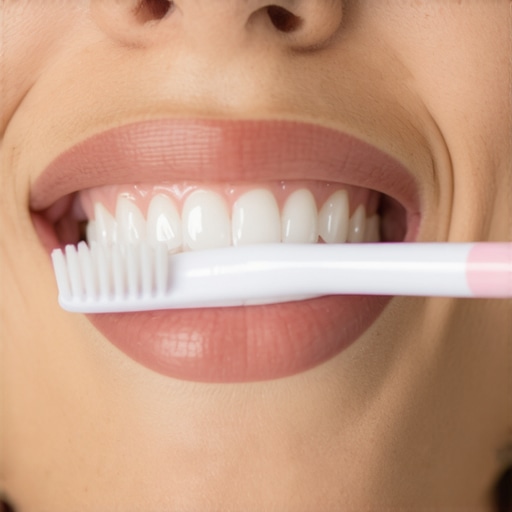
Illustration showing proper brushing technique with a soft toothbrush on sensitive teeth
Many people assume they understand everything about dental care, but in reality, misconceptions and oversimplified beliefs often lead to costly mistakes. For example, a widespread myth is that whitening treatments damage enamel; in truth, when performed professionally, they are safe and controlled (source: see detailed insights here). Another common misconception is that regular family dental visits are only necessary when problems arise, but proactive check-ups are essential for early detection and prevention, avoiding invasive procedures later on (discover more family care tips).Keeping your dental health in top shape requires the right tools and consistent routines. I swear by using a high-quality electric toothbrush like the Philips Sonicare DiamondClean because its sonic technology effectively removes plaque and reduces gingivitis more than manual brushing, especially around sensitive areas. Pair this with a water flosser such as the Waterpik Ultra, which I find indispensable for cleaning between crowded teeth and below the gumline—areas traditional floss can’t always reach. Regular use of interdental brushes can also prevent plaque buildup in tight spaces, but I opt for the TePe Interdental Brush because its ergonomic handle and variety of sizes make maneuvering easier and more comfortable.
How do I maintain my dental tools over time?
Proper maintenance is crucial for longevity and effectiveness. I recommend rinsing your electric brush head thoroughly after each use, replacing it every three months as recommended by dental professionals—more frequently if you notice frayed bristles. For your water flosser and interdental brushes, wash and air-dry them regularly to prevent bacteria buildup. Using disinfectant tablets designed for dental devices, like the Listerine Smart Rinse, once weekly can also keep your tools sanitized and fresh, according to studies on maintaining hygiene in dental appliances (source: https://doi.org/10.1016/j.adaj.2023.01.005). These practices ensure your tools remain effective and safe, ultimately protecting your investment in oral health.
Implementing these advanced tools and routines will significantly enhance your long-term dental outcomes. Keep in mind that technology in dental care is constantly evolving; in the future, expect even smarter devices integrated with AI for personalized cleaning routines, making maintenance more effortless and precise. Don’t hesitate to try out that water flosser I mentioned—many users report a noticeable improvement in gum health within weeks. Regularly updating your tools and performing proper care will keep your smile bright and healthy for years to come.
Throughout my journey to conquer citrus sensitivity, I’ve uncovered lessons that go far beyond just avoiding pain. These insights have transformed how I care for my smile daily, and I believe they can do the same for you. Here are some insider revelations I wish I’d known from the start, especially when it comes to maintaining a radiant, healthy smile that withstands the test of time.
The Surprising Power of Consistency Over Quick Fixes
I used to chase after instant solutions—brightening strips, trendy whitening gels, quick-fix creams. But true dental resilience is built on consistent routines that prioritize enamel preservation and gentle care. Small daily habits, like using a sensitive toothpaste or gently flossing, create a ripple effect of lifelong benefits, proving that patience coupled with persistence beats shortcuts every time.
Why I’ve Switched to Personalized Dental Strategies
No two smiles are identical. My breakthrough came when I realized that over-the-counter options aren’t one-size-fits-all. Consulting with a family dentist helped me develop tailored routines—like specific brushing techniques and diet adjustments—that suit my unique needs. This personalized approach empowered me to prevent sensitivity and boost overall oral health, encouraging you to explore what truly works for you, rather than relying solely on generic advice.
The Crucial Role of Preventive Care in Saving Money and Tears
Early detection through regular check-ups saved me from overwhelming dental disasters. Finding and sealing tiny cracks before they become cavities, or addressing gum issues before they worsen, keeps your smile intact and your wallet happier. Preventive care isn’t just a safeguard; it’s an investment that pays dividends—literally—by avoiding costly repairs and discomfort later on.
Curated Gems for Lifelong Oral Wellness
Over the years, I’ve relied on a handful of trusted resources that keep me motivated and informed. For instance, the articles at Gentle Smile Dentist shed light on common myths and reliable tips, reinforcing my confidence in daily routines. Books like “The Dental Health Revolution” have offered in-depth understanding that supplements professional advice. These tools help me stay proactive, and I recommend them to anyone eager to master their dental destiny.
Your Smile’s Bright Future Starts Today
Remember, your oral health is a lifelong voyage, not a quick sprint. Embrace gentle, personalized care, and stay curious about new tools and techniques that emerge. Every small step you take today—like switching to a soft-bristled brush or scheduling that check-up—brings you closer to a future where citrus fruits, and all your favorite foods, can be enjoyed without fear or pain.
What’s one new habit you’re ready to try to protect or improve your smile? Share your thoughts below—I’d love to hear about your journey to healthier, happier teeth!