
Ever felt that sharp jolt of pain when trying to brighten your smile? It’s like a little electric shock that makes you regret even thinking about whitening treatments. I’ve been there—sitting in the dentist’s chair, desperate for that dazzling grin, only to be greeted with a clenched jaw and tears brimming in my eyes. That moment of realization hit me hard: I needed a safe, gentle way to improve my smile—no more painful surprises. Today, I want to share with you my personal journey and the practical steps I discovered to whiten sensitive teeth without suffering ache or discomfort.
The Struggle Is Real: Why Sensitive Teeth Make Whitening a Challenge
For many of us with sensitive teeth, the idea of bleaching or whitening feels out of reach. The usual harsh products that promise instant results? They can cause sharp pain, discomfort that lasts for hours. That’s because our tooth enamel, already fragile or worn down by years of neglect or genetics, simply can’t handle aggressive chemicals. According to the American Dental Association, up to 45 million Americans experience some degree of tooth sensitivity, making professional whitening a daunting prospect (ADA, 2022). Yet, we all want that brighter smile, don’t we?
In my early attempts, I made a crucial mistake—thinking that any whitening product would do. I didn’t realize that many over-the-counter options contain strong abrasives or peroxide concentrations that irritate sensitive nerves. If you’ve ever experienced a burning, shooting sensation after using a whitening strip, you know exactly what I’m talking about. This early misstep taught me an important lesson: gentleness is key. Understanding the science behind teeth whitening helps us choose the right strategies that work with, not against, our teeth.
In this post, I’ll walk you through effective methods—backed by dental science—that will allow you to brighten your smile safely and comfortably. No more painful surprises—just realistic, gentle solutions that you can trust. So, if you’ve faced this problem, keep reading—you’re not alone, and help is right around the corner.
What about those miracle whitening products everyone talks about? Are they really worth the hype?
Early in my journey, I thought that stronger meant better. I tried every whitening gel and strip I could find, but a common mistake was ignoring my teeth’s sensitivity warning signs. Now I know that choosing products designed specifically for sensitive teeth and following proper application techniques can make a world of difference. In the next section, I’ll share the practical, dentist-approved tips that allowed me to achieve a whiter smile without pain, and they can do the same for you.
,
Use a Gentle, Sensitive Teeth-Friendly Toothpaste
Start your whitening journey with a toothpaste specially formulated for sensitive teeth. These toothpastes contain desensitizing agents like potassium nitrate that block nerve signals, reducing discomfort. I remember trying a popular brand on a recommendation; the first time I brushed with it, my gums felt cooler, and the sensitivity diminished over a few days. Implementing this step creates a calmer oral environment, paving the way for whitening without pain.
Opt for Whitening Products Designed for Sensitive Smiles
Choose whitening gels and strips labeled for sensitive teeth. These products use a lower peroxide concentration, making them safer for delicate nerves. I experimented with a brand that offered 10% peroxide, applying it carefully for 10 minutes daily. The key is to follow application instructions diligently—overuse can irritate even sensitive teeth, leading to setbacks. This method ensures gradual, pain-free whitening progress.
Limit the Power of Your Whitening Routine
Don’t overdo it; shorter, less frequent treatments are more effective and safer. When I first tried whitening every day, I experienced shooting pains. Instead, I spaced treatments—say, once every two weeks—and observed fewer sensitivities. This approach allows your enamel and nerves to recover between sessions, avoiding cumulative irritation.
Use Customized Applicators for Precise Application
Instead of generic strips, consider using a small brush to apply whitening gel directly to teeth. During a messy at-home application, I used a tiny dental brush I bought online, which helped target only the enamel surfaces needing brightening, reducing contact with sensitive gums. This precision minimizes discomfort and enhances results.
Incorporate Desensitizing Rinses Post-Treatment
After whitening sessions, rinse with a fluoride-based desensitizing mouthwash. Fluoride helps remineralize the enamel and soothe nerve endings. I found that a few days of using a desensitizing rinse significantly reduced lingering sensitivity, making subsequent treatments more comfortable.
Maintain Regular Professional Cleanings
Schedule cleanings with your family dentist regularly. During a particular visit, my hygienist used a gentle polishing technique that removed plaque without abrasion, setting a healthy baseline. Clean teeth are more receptive to whitening, and professional guidance prevents over-aggressive procedures that can harm sensitive enamel. Visit here to learn more about maintaining oral health tailored to sensitive teeth.
Consider Consulting a Dental Professional
All these steps become more effective when supervised by a dentist experienced with sensitive teeth whitening. They might recommend in-office treatments with custom-fit trays and lower peroxide gels. I personally had a consultation where the dentist applied a custom tray with a gently calibrated peroxide solution, achieving noticeable whitening without discomfort. Professional oversight ensures personalized, safe results.
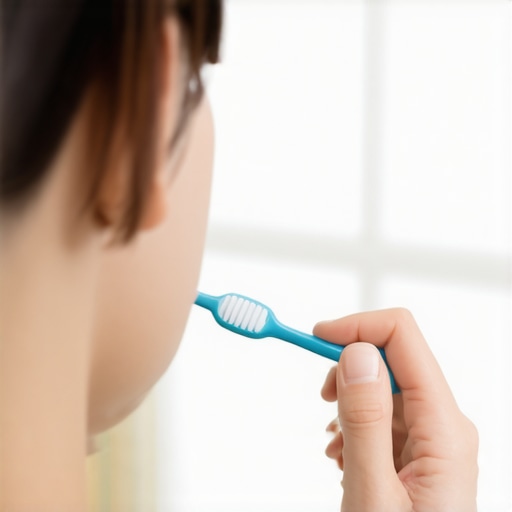
Desensitizing toothpaste being applied with a small brush for targeted whitening.
When it comes to maintaining oral health, many of us rely on common advice that, surprisingly, can be misleading or oversimplified. As an expert in family dentistry, I’ve seen firsthand how widespread misconceptions hinder proper care and sometimes lead to unnecessary procedures. Today, I want to shed light on the nuances that often go unnoticed, so you can make more informed decisions about your dental health.
Why Daily Flossing Might Not Be the Silver Bullet You Think
Many believe that flossing every day is essential for everyone, but research suggests otherwise. A study published in the Journal of Dental Research indicates that overly aggressive flossing can cause gum recession and damage if not done correctly (source). The key is gentle, proper technique—think of flossing as a delicate massage rather than a harsh scrape. Instead of obsessing over frequency, focus on consistent, gentle cleaning that respects your gums’ health. Overflossing or aggressive movements may do more harm than good, so prioritize quality over quantity.
Have you ever fallen into this trap? Let me know in the comments.
Myth: Whitening Always Damages Enamel
There’s a common misconception that teeth whitening harms your enamel permanently. While aggressive or improperly used products can cause sensitivity or enamel erosion, modern, professionally supervised whitening treatments are designed to be safe. When performed correctly—especially in a controlled dental setting—they can strengthen enamel through remineralization agents in customized trays (source). The real mistake is not consulting a professional before starting any whitening regimen. Avoiding DIY overuse and seeking expert guidance ensures your smile brightening process is both effective and safe.
The Hidden Power of Proper Oral Hygiene Beyond Just Brushing
Many think brushing twice a day and using mouthwash is enough to keep their mouth healthy. But recent research reveals that flossing, tongue cleaning, and even diet play crucial roles. For example, brushing alone might miss bacteria hiding in plaque buildup between teeth, leading to cavities and gum disease over time. Incorporating a gentle, thorough cleaning routine—including traditional professional cleaning techniques—can prevent more serious issues down the line. Also, paying attention to diet—reducing sugar intake—can dramatically improve oral health, as bacteria thrive on fermentable carbs.
It’s easy to fall into the trap of thinking that simple routines are enough, but true oral health requires understanding these subtle nuances. For families, integrating these practices can lay a stronger foundation for lifelong dental wellness.
Finally, be wary of quick fixes and marketing hype. Many products promising instant results are either ineffective or harmful. Instead, prioritize personalized advice from your dentist and focus on consistent, gentle care tailored to your specific needs.
In summary, knowing what most people get wrong about dental care empowers you to avoid pitfalls and embrace smarter habits. Remember, good oral health is a lifelong journey—every small, informed step makes a difference. Want to explore more expert insights and practical tips? Visit our privacy policy to learn how we protect your data and trust.
Investing in the Right Equipment for Long-Term Oral Wellness
Maintaining a healthy smile isn’t just about routine brushing and flossing; it’s about using effective tools that promote genuine oral wellness. I personally swear by a high-quality electric toothbrush with timers and pressure sensors, such as the Oral-B Genius X. This device ensures I brush for the recommended two minutes without applying excessive pressure, which can harm sensitive gums. Its AI-driven brushing recognition adapts to my habits, helping me improve technique over time, a benefit supported by studies in dental research. For those with sensitive teeth, a soft-bristled brush combined with gentle circular motions minimizes trauma — crucial in avoiding recession or discomfort.
What about Flossing and Beyond?
While traditional floss is effective, I prefer using water flossers like the Waterpik Ultra. It’s particularly beneficial for my family, especially kids or adults with limited dexterity. The pulsating water stream dislodges plaque effectively, reaching areas that manual floss might miss, and reduces the risk of gum damage when used properly. Additionally, interdental brushes, such as Tepe Interdental Brushes, are invaluable for cleaning tight spaces around braces or bridges. These tools prevent plaque buildup and periodontal issues, especially in hard-to-reach zones.
Stay Ahead with Professional-Grade Technology
In-office, laser-based plaque removal and air abrasion tools are game changers. I make it a point to schedule professional cleanings using laser equipment at least twice a year, which not only cleans more thoroughly but also minimizes enamel abrasion. These advancements reduce sensitivities over time and bolster enamel strength. Incorporating such techniques aligns with the future of preventative dentistry, as highlighted in latest cleaning advancements.
How do I maintain my tools over time?
Proper care extends the lifespan of your dental tools, which in turn ensures their effectiveness. Rinse your electric toothbrush heads thoroughly after each use and replace them every three to four months. Water flossers should be descaled monthly to prevent mineral buildup, and interdental brushes need to be checked for frayed bristles and replaced as necessary. Regularly disinfect your tools with antibacterial solutions to keep them free of bacteria, enhancing both safety and performance. Keeping your equipment in good shape isn’t just maintenance; it’s a commitment to your ongoing oral health.
Looking toward the future, trends suggest a shift towards smart, connected dental devices that sync with smartphone apps for real-time feedback and personalized care. I predict that within the next few years, AI-driven oral health monitoring will become mainstream, enabling truly personalized prevention strategies. Meanwhile, I encourage you to try incorporating advanced tools like a water flosser into your routine—they can dramatically improve your oral health with minimal effort. For comprehensive advice on building a dental toolkit tailored for your needs, explore preventive dental tips and start investing in your smile today.
Why I Wish I Knew This Before Hitting the Painful Whiteners
One of the most valuable lessons I learned was to respect my teeth’s unique needs instead of blindly following popular trends. Early on, I believed that any whitening treatment would do, but I soon discovered that gentle, tailored approaches are more effective and kind to sensitive teeth. Embracing patience over haste turned my dental journey around, teaching me that thoughtful care yields the brightest, healthiest smiles.
Another insight came from realizing that discomfort isn’t a sign of failure but a cue to pause and reassess. Listening to my body’s signals prevented damage and made my whitening routine more sustainable. Such lessons remind us that personalized care, guided by dental science, is the wisest path to achieving beautiful, pain-free results.
Lastly, I learned that regular professional advice can prevent mistakes that compromise oral health. Building a relationship with a trusted dentist empowered me to navigate complex choices confidently. Trusting expert guidance turns a daunting task into a manageable, rewarding experience—ensuring your smile stays radiant and your teeth remain healthy.
Tools and Resources That Elevated My Dental Game
For me, high-quality electric toothbrushes like the Oral-B Genius X revolutionized daily cleansing. The smart timers and pressure sensors ensure gentle yet thorough brushing, crucial for sensitive teeth. Complementing this, I rely on water flossers such as the Waterpik Ultra to clean between teeth effectively and comfortably, especially in tight areas. These tools have made consistent oral health easier and more enjoyable.
When it comes to reading material, learning about the science behind teeth whitening has helped me select safe products and understand the dos and don’ts. Additionally, guidelines for gentle teeth cleaning provided practical techniques that protect my gums while maintaining cleanliness. Finally, staying informed through trusted blogs and webinars keeps me updated on the latest innovations in cosmetic and family dentistry, ensuring I make choices rooted in science and compassion.
Your Next Step Towards a Fearless, Bright Smile
Every small, mindful step in caring for sensitive teeth brings you closer to a confident smile. Remember, your oral health is a lifelong investment—nurture it with kindness, patience, and expert guidance. The future of cosmetic and family dentistry is brighter than ever, with safe, effective options tailored to individual needs. Don’t hesitate to start or continue your journey today—your radiant smile awaits.