
I still remember the moment it hit me—the spinning sensation that made my stomach lurch during a routine dental procedure. I had gone in thinking it would be a quick, manageable experience, but the dizziness took me completely by surprise. Later, I realized I wasn’t alone; many people experience similar reactions after dental sedation, and feeling dizzy can be both alarming and disruptive to your day. If you’ve ever found yourself clutching the chair, wondering, “Is this normal?” or frantically searching for how to bounce back fast, you’ll want to read on.
Why Do I Feel Dizzy After Sedation, and How Can I Recover Fast?
Understanding why dizziness occurs is the first step toward managing it effectively. Dental sedatives, whether they’re conscious sedatives or heavier medications, work by calming your nervous system. But they also influence your blood pressure, blood sugar levels, and overall balance, which can lead to that disorienting dizziness. Early in my experience, I made the mistake of trying to push through it—thinking it would pass quickly—only to feel worse. That’s why knowing the right recovery techniques can make all the difference.
Is Feeling Dizzy Actually Dangerous? Common Fears Debunked
Many worry that dizziness might lead to falls or serious health issues. While it’s uncomfortable and inconvenient, in most cases, it’s a temporary reaction that resolves with proper care. One thing I realized early on, and want to share—don’t underestimate your body’s signals. Rest, hydrate, and follow your dentist’s instructions. For more insights on how to keep your oral health in check after sedation, consider visiting this resource.
Stay Calm and Rest
Immediately after feeling dizzy, lie down gently to prevent falls, much like grounding yourself before a storm subsides. I remember once lowering myself onto a sofa, closing my eyes, and focusing on steady breathing. This pause helps your body regain balance and reduces anxiety. Keep your head elevated slightly, which prevents dizziness from worsening.
Hydrate to Rebalance
Hydration plays a crucial role in recovery. Drinking small sips of water, similar to watering a plant gradually, helps stabilize blood pressure and flush out sedatives. I recommend avoiding caffeine or sugary drinks initially, as they can disrupt your equilibrium, similar to how too much sugar can upset a delicate machine. Aim for consistent sips over 15-20 minutes.
Eat Light and Nutritious
Eating small, manageable meals supports blood sugar levels, which can dip during sedation. Think of your body as a car engine—fuel must be steady to run smoothly. Light foods like bananas or crackers are good choices. I learned from experience that avoiding heavy, greasy foods prevents further dips and discomfort.
Manage Your Environment
Create a safe space free of clutter—remove loose rugs or slippery mats—similar to preparing a stage before a performance. Good lighting and nearby support like a wall or a chair can help stabilize you during minor spins. During one incident, I used a sturdy table to steady myself, which made a significant difference in preventing a fall.
Gentle Movement and Positioning
After initial rest, slowly begin to reposition yourself. Sitting up gradually, then standing after a minute or two, helps your inner ear readjust, like tuning a musical instrument. Avoid sudden head movements; for example, I found turning my head slowly to pick up items was effective. This prevents further disorientation and promotes faster normalization.
Use Breathing Techniques for Anxiety
If anxiety or residual dizziness persists, practice deep breathing. Inhale deeply through your nose, hold for a count of three, then exhale slowly through your mouth. This calms your nervous system, akin to easing a stormy sea. Applying this technique during a dizziness episode I experienced helped me regain clarity quickly.
Seek Professional Guidance When Needed
If dizziness persists beyond a few hours or worsens, consult your dentist or healthcare provider immediately—don’t ignore persistent symptoms. They can assess for complications or underlying issues. Remember, just as regular family dentistry strengthens overall health, professional advice ensures your recovery stays on track. For ongoing oral health tips, visit this resource.

Myth Busting: More Than Just Looks
Many people believe that cosmetic dentistry is purely about aesthetics—whitening, veneers, and bright smiles. While appearance is a significant benefit, overlooking the functional and long-term health implications can be a costly mistake. For example, choosing a quick-fix whitening treatment without considering underlying sensitivity or enamel health might cause more harm than good. It’s essential to understand that real beauty in your smile comes with maintaining healthy, balanced teeth and gums. Visit this resource to explore how cosmetic procedures can improve both form and function.
Family Dentistry: Building a Lasting Foundation
Contrary to the misconception that family dentistry is just routine cleaning, it actually plays a pivotal role in preventive care tailored to each age group. Early intervention, such as sealants and fluoride applications, can prevent cavities long before they occur. Many assume that kids will outgrow oral issues, but the truth is, habits formed early influence lifelong dental health. Regular checkups ensure early detection of problems like malocclusion or jaw development issues, which, if left unnoticed, could lead to complex treatments later. Discover how building a solid family dental foundation can save you money and stress over time.
Oral Health and Teeth Cleaning: More Than Surface Scrubbing
One common mistake is thinking that brushing vigorously or more often will lead to better oral health. In reality, aggressive brushing can damage gum tissue and wear down enamel, increasing sensitivity and recession. Professional teeth cleaning, especially when done with proper technique, removes tartar and plaque below the gum line, reducing the risk of periodontal disease. Techniques like scaling and polishing are tailored to individual needs, not just routine scrubbing. For comprehensive insights into effective cleaning methods, check out this guide. Remember, quality over quantity—gentle but thorough is the way to go.
Advanced Question: Do Whitening Products Really Damage Enamel?
Many believe that bleaching or whitening agents weaken teeth, but recent studies suggest otherwise when used appropriately. According to the American Dental Association, over-the-counter whitening products, when used as directed, do not damage healthy enamel. However, misuse or overuse can cause sensitivity or uneven results. It’s always safest to consult your dentist before beginning any whitening regime. They can recommend tailored treatments that minimize risks while maximizing results. For safe and proven approaches, read this resource.
Ultimately, understanding the nuanced truths behind dental myths helps you make informed decisions that serve your long-term health. Have you ever fallen into this trap? Let me know in the comments and share your experiences!
Keep It Working: Tools I Recommend for Long-Term Oral Health
Maintaining a healthy, vibrant smile isn’t just about brushing twice daily; it requires using the right equipment and techniques designed for durability and effectiveness. Over time, I’ve found that investing in quality tools makes a tremendous difference in preventing issues and reducing the need for frequent visits. Let me share some specifics about the tools I personally trust and how they help sustain long-term results.
Precision Electric Toothbrushes
For thorough plaque removal without damaging enamel, I highly recommend the Oral-B iO Series. Its oscillating-rotating technology and pressure sensors ensure you clean effectively without applying too much force. This smart device tracks your brushing habits via app, helping you improve technique over time. Switching to such a device has noticeably reduced my plaque buildup and inflammation, proving that quality tools can elevate your routine.
interdental Cleaning Devices
Regular flossing is vital, but I prefer the Waterpik Sonic-Fusion. It combines water flossing with traditional string floss, giving a comprehensive clean, especially in hard-to-reach areas. The gentle pulsating water micromassages gums and removes debris from below the gum line. Incorporating this tool into my daily routine has significantly lowered my risk of periodontal issues, aligning with the findings in professional cleaning guides.
Ultrasonic Scalers for Maintenance
Every few months, I use an ultrasonic scaler at home, like the VibraPro, to disrupt tartar formation early. While professional cleanings are essential, supplementing with light ultrasonic devices helps me stay ahead of plaque accumulation and maintain that fresh, clean feeling. Consistent use of ultrasonic tools can extend the interval between professional visits and keep my gums healthy, as documented by dental technology research.
Why Tools Matter and Predictions for the Future
The trend toward smarter, more ergonomic dental tools is only going to grow. Devices integrated with AI and app connectivity will enable users to detect early signs of issues and correct habits before they escalate. Experts predict that in the next five years, home dental maintenance will become more intuitive, empowering patients to take charge of their oral health. Stay ahead by experimenting with current innovations like smart toothbrushes, and you’ll see their benefits in the long run.
How do I maintain my tools over time?
Proper cleaning and storage extend the lifespan of dental tools. Rinse brushes thoroughly after each use, replace electric heads every three months, and keep ultrasonic appliances in a dry, cool place. Regularly check for wear and tear, replacing parts as needed. Maintaining your equipment ensures consistent performance and reduces the risk of reintroducing bacteria into your mouth. For ongoing tips on oral health upkeep, consider visiting this resource. Ready to optimize your routine? Start by upgrading to a high-quality electric toothbrush and see the difference it makes in your long-term results.
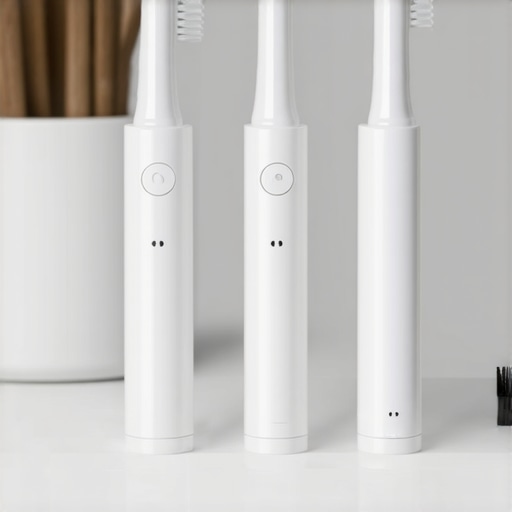
Remember, investing in the right tools and maintaining them diligently is a key step toward a lifetime of healthy, appealing smiles. If you’re unsure about the best devices for your needs, consult your dentist for personalized recommendations tailored to your oral health profile.
,
Reflecting on my dental experiences, I realize that some lessons were hard-earned but invaluable. One of the most surprising insights was how little I understood about the true purpose of cosmetic dentistry beyond superficial beauty. It turned out that many procedures not only enhanced appearance but also played critical roles in strengthening teeth and maintaining oral function long-term.
Another revelation was the importance of customized family dentistry care. Not every smile needs a one-size-fits-all solution; tailoring treatments to individual needs, especially for children, can prevent future problems and foster lifelong healthy habits.
I also discovered that regular teeth cleaning isn’t just about removing stains—it’s a vital preventive strategy that can save you from complex, costly treatments later. The secret lies in appreciating the science behind professional techniques and integrating them into your routine with care and consistency.
Lastly, I learned to pay attention to the subtle signals from my mouth—like unusual gum color or sensitive spots—which often point to underlying health issues. Listening to the body’s messages and consulting professionals promptly transforms how we approach oral health, turning it from reactive to proactive.