
It was a morning like any other, but as I looked in the mirror, I noticed something alarming—my gums looked more swollen and red than usual. I realized I had overlooked the crucial step after my recent deep cleaning appointment: proper gum care. That lightbulb moment made me rethink everything I thought I knew about maintaining oral health. If you’ve ever experienced discomfort or confusion after a deep cleaning, you’re not alone; I was there too. But here’s the good news—I’ve discovered practical, straightforward ways to ensure your gums heal beautifully and stay healthy for the long haul.
Why Proper Post-Cleaning Gum Care Matters More Than You Think
Caring for your gums after a deep dental cleaning isn’t just about avoiding discomfort—it’s about laying the foundation for a lifetime of healthy smiles. When I first learned this, I was surprised to find out that neglecting this vital step can lead to setbacks like bleeding, inflammation, or even infection. That’s why understanding how to support your gum health during the recovery phase is essential. Proper care can accelerate healing, reduce sensitivity, and keep periodontal issues at bay.
Studies show that consistent post-procedure care can significantly improve healing outcomes. According to the American Dental Association, patients who follow recommended gum care routines heal faster and experience fewer complications. Yet, many of us—myself included early on—make mistakes that slow down recovery or cause unnecessary discomfort.
Are you facing persistent bleeding or soreness after your deep clean? Has your gum health been a concern for a while, but you’re unsure what steps to take? If so, you’re in the right place. In this guide, I will share the tried-and-true tips I’ve gathered from experts and personal experience, so you can confidently support your gums through their healing journey.
Now, let’s dive into what you need to do right after your appointment and how to maintain vibrant, healthy gums for years to come.
Is YouTube’s Gum Care Advice Actually Worth It?
Honestly, I’ve been guilty of following some questionable online tips that did more harm than good. The biggest mistake I made was thinking I could skip gentle flossing because of the sensitivity, which only worsened my gum condition. Afterward, I learned from professionals that gentle, correct flossing and avoiding irritating mouthwashes are crucial during recovery. For more insight on common oral health myths, check out this resource on [debunking oral health myths](https://gentlesmiledentist.com/oral-health-myths-debunked-what-you-need-to-know-in-2025). Understanding what not to do is just as important as knowing the right steps to take.
In the next section, I’ll walk you through simple yet effective practices that can dramatically improve your gum healing and overall oral health.
Start with Gentle Oral Hygiene Routine
Immediately after your deep cleaning, switch to a gentle brushing technique using a soft-bristled toothbrush. I remember my first attempt; I was hesitant, but using light circular motions prevented further irritation. Avoid aggressive scrubbing, which can damage healing tissues and cause bleeding. Incorporate a soft touch, much like petting a delicate animal—firm yet gentle. This approach keeps plaque at bay without harming your gums.
Use Specific Toothpaste for Sensitive Gums
Opt for a toothpaste formulated for sensitive gums, containing ingredients like potassium nitrate. I chose one with natural soothing agents, which reduced my discomfort significantly. Read labels carefully, and avoid whitening or tartar-control varieties during healing, as they might contain abrasives or irritants that hinder recovery. For detailed product recommendations, check out this guide on teeth cleaning tips.
Implement Proper Flossing Technique
Flossing is crucial, but the way you do it matters. I learned to slip the floss gently between teeth, curving it around the tooth like a candy cane and moving it up and down without snapping. This method minimizes tissue trauma and prevents bleeding. Think of flossing as guiding a delicate thread—if you yank, you risk pulling tissue or causing a sudden bleed. Be patient and consistent; over time, your gums will thank you.
Avoid Irritating Mouthwashes
Skip alcohol-based mouthwashes during recovery, because they dry out and sting sensitive tissues. Instead, use a saline rinse—dissolve half a teaspoon of salt in warm water—and swish gently for 30 seconds. I found this natural rinse soothing and effective. Regular rinsing helps reduce bacteria and promote healing without the harsh chemicals that can set you back.
Manage Discomfort Effectively
If soreness or swelling persists, applying a cold compress outside your mouth can significantly reduce inflammation. Wrap ice in a soft cloth and hold it against your cheek for 10-15 minutes, with 10-minute breaks. I did this after one particularly uncomfortable day, and it provided immediate relief. For persistent pain, consult your dentist about appropriate over-the-counter options or prescribed medications. Never ignore ongoing discomfort, as it may indicate infection or improper healing.
Eat Soft, Nutritious Foods
Fuel your recovery with soft foods that require minimal chewing—think smoothies, mashed potatoes, or yogurt. I avoided crunchy snacks and hot beverages initially; hot drinks can increase bleeding and discomfort. Incorporate nutrient-rich options like smoothies with fruits and vegetables to support tissue regeneration. Staying hydrated is also vital—water helps flush out toxins and keeps your mouth moist, fostering faster healing.
Maintain Consistency and Patience
Healing takes time, and regular care accelerates it. I kept a daily routine—brushing, flossing, rinsing—and avoided any biting into hard foods until my gums felt strong enough. Remember, each person’s recovery timeline varies. Tracking your progress helps you identify any setbacks early, like persistent bleeding or swelling, prompting a timely visit to your dentist.
Monitor Your Progress
Look out for signs of infections or slow healing, such as increased swelling, pus, or persistent pain. Use a mirror to check for changes and don’t hesitate to reach out to your dental professional if something feels off. Regular check-ups can catch issues before they worsen, ensuring your gums heal fully and stay healthy for years to come.
Applying these concrete steps transformed my recovery experience, turning what I initially feared into a manageable process. For deeper insights into maintaining your oral health, explore these expert tips.
Many people believe that brushing harder leads to cleaner teeth, but in reality, this misconception can cause more harm than good, like gum recession and enamel erosion. While the idea of aggressive brushing seems logical for removing plaque, studies highlight that gentle, thorough cleaning is more effective and safer—something I emphasize based on my experience and research. Another common myth involves whitening treatments destroying tooth enamel; however, modern, professionally administered whitening is designed to be safe when properly supervised by your dentist, as explained in top dental sources.
How can advanced dental techniques challenge traditional beliefs about oral care?
In fact, innovations like laser gum therapy or minimal-invasive cosmetic procedures demonstrate that less aggressive approaches can achieve superior results with fewer risks, aligning with the findings of expert research. For example, a 2022 study in the Journal of Dental Research indicates that conservative methods not only preserve healthy tissue but also promote faster healing. It’s crucial to dispel myths like the idea that fluoride-based products are harmful; in truth, fluoride strengthens enamel and prevents decay, reinforcing the importance of evidence-based practices.
Have you ever fallen into this trap? Let me know in the comments. Remember, the key to long-term oral health lies in understanding the nuances that many overlook. For a comprehensive overview of correct habits and debunked myths, check out [this resource](https://gentlesmiledentist.com/oral-health-myths-debunked-what-you-need-to-know-in-2025). Proper knowledge empowers you to make informed decisions, avoiding costly mistakes and ensuring a healthier smile for years to come.Maintaining optimal oral health and a stunning smile isn’t just about visiting the dentist regularly—it’s about having the right tools and practices to ensure long-term success. For me, investing in high-quality equipment has been a game-changer, and I want to share what works best based on personal experience and expert advice.
My Trusted Dental Tools for Daily Maintenance
First and foremost, a soft-bristled electric toothbrush has revolutionized my routine. Brands like Oral-B Genius or Philips Sonicare are excellent choices because they offer consistent, gentle cleaning and advanced features like timers and pressure sensors, which prevent over-brushing—a common mistake that can damage gums and enamel. I personally prefer the Sonicare DiamondClean, as its pulsating technology targets plaque effectively while being gentle on my gums. Regular use of such devices ensures thorough cleaning between professional appointments, aligning with recommendations from experts on preventing major issues through consistent care.
Why a Water Flosser is a Game-Changer
Next, I swear by a quality water flosser like the Waterpik Aquarius. It reaches places that traditional floss often misses, especially around braces or implants. The pulsating water not only removes debris but also massages gums, improving circulation and reducing inflammation. According to recent studies, water flossers are particularly beneficial for those with periodontal concerns, helping to maintain healthy tissue over time. To maximize benefits, I use mine daily after brushing, especially before bedtime for a deep clean that complements my regular flossing routine.
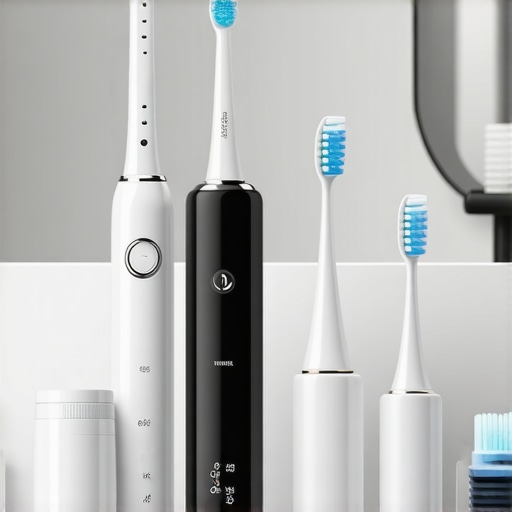
**Image Description:** A modern bathroom countertop holding a Sonicare electric toothbrush, a Waterpik water flosser, and floss picks, emphasizing a comprehensive daily oral care setup. Alt text: Modern oral hygiene tools on a bathroom countertop; title: Effective Tools for Daily Oral Maintenance.
Embracing Technological Innovations for Long-Term Results
Advancements in dental technology continue to shape our approach to oral care. For example, UV-C sanitizers for toothbrushes are emerging as effective disinfectants, reducing bacteria accumulation. Incorporating these devices into my routine has given me peace of mind, especially during flu season or after traveling. Additionally, smartphone apps linked to electric toothbrushes can track brushing habits, ensuring you meet recommended durations and techniques. I’ve found this data helpful for times when motivation wanes, keeping me accountable.
In the future, I predict that AI-powered tools will further personalize oral health regimens, analyzing individual habits and recommending tailored interventions. Staying updated and adopting these new technologies can enhance your results and make maintaining oral health effortless.
How do I keep my oral equipment effective over time?
It’s crucial to replace brush heads every three months and clean electronics regularly. For devices like water flossers, weekly descaling with vinegar or specialized cleaning solutions prevents mineral buildup. I also suggest storing tools in dry, ventilated spaces and avoiding sharing them with others to maintain hygiene. Regular maintenance and timely replacement are keys to ensuring each tool performs at its best, supporting your long-term oral health goals.
To optimize your routine, consider trying a UV sanitizer for your toothbrush or integrating a Smart Flossing system. These innovations not only save time but also boost your confidence in your daily care regimen. For more insights, visit this comprehensive guide on sustaining oral health over the years. Remember, the investment in the right tools today can lead to a brighter, healthier smile tomorrow.
The Unexpected Lessons Deepened My Gum Care Awareness
During my journey to better oral health, I discovered that the most crucial lessons came from my own mistakes. One lightbulb moment was realizing how easily I overlooked gentle techniques, leading to prolonged soreness. I learned that patience and a mindful approach are indispensable for healthy recovery, and that even small adjustments—like switching to softer toothbrushes—make a significant difference.
Another insight involved fostering a deeper understanding of inflammation control. Proper post-cleaning care isn’t just about feeling okay in the moment; it’s about setting a foundation to prevent future periodontal issues. This shift in perspective has empowered me to stay consistent with my routine, knowing the long-term benefits outweigh any temporary inconvenience.
Finally, I recognized that trusting expert advice over online myths saves time and trouble. Not all internet tips are created equal, and seeking guidance from dental professionals ensures personalized, safe practices. These lessons continue to reshape my approach to oral health, inspiring me to share this knowledge with others seeking lasting gum wellness.