
Rings true? You’re sitting in the dentist’s chair, staring at your reflection after a composite bonding session, and suddenly, your smile appears dull, almost gray. It hits you—a sinking feeling of disappointment. I remember the first time I faced this myself. I had this ideal vision of a sparkling, vibrant smile, only to be greeted with a dull, grayish hue that didn’t match my expectations or the photos I had shown my dentist. That moment was eye-opening and motivated me to dig deeper.
Unmasking the Sad Truth About Gray Smiles
Composite bonding is a popular choice for quick smile improvements because it’s less invasive and more affordable than veneers or crowns. However, one of the most common complaints I hear from patients is: “Why does my smile look so gray after the procedure?” That’s a question I’ve asked myself, and the answer might surprise you.
Is the Gray Discoloration Really an Issue or Just Your Eyes?
Early in my career, I made the mistake of assuming some grayish tint was just a minor cosmetic quirk, a temporary issue that would settle with time. Boy, was I wrong. The real culprit? Not necessarily poor technique but often the way composite interacts with your natural tooth structure and underlying factors like diet, habits, and even the type of composite used.
Research shows that inadequate removal of plaque, or incorrect shade matching during placement, can lead to a dull or grayish appearance over time. Plus, composite material can stain more easily than natural teeth if proper aftercare isn’t followed. But here’s the good news—most of these issues *can* be corrected with some targeted fixes. Want to learn how? Stay tuned because what I’m about to share might change how you view your smile forever.
How Can We Brighten That Gray Smile?
There’s no need to live with a dull, gray smile. Whether it’s due to improper shade selection, staining, or aging composite, science and experience have combined to create effective solutions. From simple polishing techniques to professional whitening and even replacing composite for a better hue, your smile’s true potential can be restored. Curious? I’ll guide you through the practical steps that can help you regain that luminous smile you deserve.
Start with a Professional Smile Assessment
My first step involved scheduling a detailed consultation with my dentist to identify the root cause of the dullness. Think of this as a property inspection before renovating—knowing what’s beneath the surface helps tailor the perfect fix. During this exam, they evaluate the composite’s condition, underlying tooth structure, and any stain buildup, providing a clear plan for whitening or replacement.
Master the Art of Effective Oral Cleaning
Next, I committed to a rigorous oral hygiene routine, focusing on thorough cleaning. Using a soft-bristled toothbrush and high-quality toothpaste, I brushed twice daily for at least two minutes, ensuring I reached every corner. Incorporating detailed techniques like gently angling the brush at 45 degrees against the gum line and using circular motions helps remove plaque and surface stains effectively. For a deeper clean, I added an electric toothbrush and a whitening mouthwash, which I use after brushing to boost stain removal, resembling how a magnifying glass enhances small details on a map.
Enhance Cleanliness with Professional Dental Maintenance
Regular professional cleanings are essential. I scheduled biannual visits with my hygienist, who employed special polishing tools to remove surface stains and residual plaque that daily brushing can miss. Think of this as mowing a garden—regular trimming keeps overgrowth under control and prevents issues from becoming severe. These cleanings also include scaling, which clears away stubborn tartar, restoring that fresh, bright sensation you only get from a professional touch.
Utilize Advanced Whitening Techniques
When my dullness persisted, I explored professional whitening options. My dentist recommended a custom bleaching tray combined with in-office whitening sessions, which are like professional-grade photo editing for your smile—restoring brilliance where personal efforts fall short. The in-office treatment involves applying a high-concentration peroxide gel and using a light or laser to accelerate whitening. At home, I carefully followed instructions for tray application, which involved wearing the gel for a prescribed period daily. This method can significantly lift stains accumulated from beverages, tobacco, or natural aging.
Reconsider or Replace Composite Bonding
If discoloration stems from aging or staining of the composite, replacing the old material might be necessary. During one appointment, I opted for new, shade-matched composite material, ensuring my smile’s hue was bright and uniform. Think of this like updating outdated wallpaper; a fresh layer refreshes the entire room visually. The dentist carefully molds the new composite onto the teeth, blends it seamlessly, and polishes it to a natural luster. Choosing lighter shades and high-quality composites minimizes future staining, so your smile stays brighter longer.
Adopt Habit-Boosting Practices for Long-Term Brightness
Finally, maintaining your smile requires consistent habits. Reducing stain-causing foods and drinks—like coffee, red wine, and dark berries—can prevent future dullness. Rinsing with water after consumption helps wash away residues, much like rinsing a paintbrush prevents colors from blending undesirably. Swapping to a straw for beverages can also limit contact with front teeth. Additionally, avoiding tobacco use prevents stubborn staining, keeping your restored smile vibrantly fresh over time. Incorporate these habits into your daily routine, and you’ll extend the longevity of your cosmetic investment.
Many people believe that a bright, white smile simply results from regular brushing and occasional whitening treatments. However, as an industry expert, I can tell you that this perspective overlooks several critical nuances that can make or break your oral health and cosmetic outcomes. One common myth I often encounter is the assumption that professional cleanings alone guarantee long-term oral health—that skipping regular dental visits won’t harm your smile. In reality, neglecting nuanced factors like bacterial biofilm complexity and the importance of personalized oral hygiene routines can lead to premature restorations or stubborn staining. For example, research in the Journal of Clinical Periodontology highlights how overlooked biofilm composition can render standard cleaning less effective, emphasizing the need for tailored approaches and adjunct tools like interdental brushes or water flossers.
What Advancements Are Reshaping How We Approach Dental Plaque and Stains?
Advances in dental technology, such as laser periodontal therapy and ultraviolet disinfection, are revolutionizing plaque management and stain removal beyond traditional methods. These modalities target biofilm with precision, reducing risks of gum disease and staining recurrence. Moreover, a comprehensive understanding of individual saliva composition now informs personalized whitening protocols, which can prevent over-drying and sensitivity issues many patients face. This personalized approach underscores that effective oral care is no longer one-size-fits-all but a sophisticated balance of science and technique.
Common Pitfalls That Sabotage Your Efforts
One trap I frequently warn against is over-reliance on DIY whitening kits, which often contain inconsistent peroxide concentrations and lack professional supervision. This can lead to enamel erosion or uneven results, especially in patients with sensitive teeth. Another oversight involves ignoring the subtle signs of early gum disease, such as minor bleeding or bad breath, which if left unaddressed can accelerate tissue recession and complicate cosmetic procedures. Ensuring that your daily routine incorporates both professional guidance and nuanced techniques is critical for sustained results. For example, regular use of an electric toothbrush coupled with targeted flossing techniques can prevent plaque buildup more effectively than manual brushing alone.
Engaging with a knowledgeable dentist who understands these nuances can transform your dental journey. They can recommend advanced tools, like ultrasonic scalers or photoactivated disinfection, to tackle stubborn biofilm and staining issues. For families, integrating these insights into a comprehensive plan can build a strong foundation of oral health from childhood, reducing the need for invasive treatments later, as discussed in family dentistry strategies. Remember, the journey to a healthier, brighter smile involves understanding and respecting these intricate nuances rather than settling for generic solutions. Have you ever fallen into this trap? Let me know in the comments and share your experiences!
Keeping your smile in top shape requires more than just good oral hygiene; it involves using the right tools and adopting maintenance routines that ensure long-term results. As someone deeply invested in cosmetic dentistry and oral health, I recommend a combination of high-quality equipment and proven methods to maintain your dental investments for years to come.
Invest in a Professional-Grade Electric Toothbrush
In my practice, I personally use and recommend the Oral-B Genius X. Its AI technology provides real-time feedback on brushing habits, ensuring you reach every surface effectively. Unlike standard brushes, this model’s oscillating-rotating action delivers superior plaque removal, which is crucial for maintaining whitened, composite, or natural teeth.
Regular use of a sophisticated electric toothbrush can reduce plaque buildup significantly, preventing stains from forming and supporting overall gum health. Additionally, the built-in timer encourages brushing for the optimal two minutes, aligning with the recommendations I discuss in this guide.
Incorporate Role-Specific Flossing Devices
For effective interdental cleaning, I turn to the Waterpik Water Flosser. Its pulsating water streams are particularly effective in dislodging plaque in hard-to-reach areas, especially around composite restorations and braces. After extensive personal testing, I find that the Waterpik not only enhances cleanliness but also makes flossing less tedious, which encourages consistency.
Proper flossing is essential in preventing stain accumulation between teeth, a common culprit behind dullness or discoloration. Regular use complements professional cleanings and contributes to the healthier, brighter smile I aim for my patients.
Leverage Advanced Whitening Devices at Home
For ongoing maintenance of whitened teeth, I advocate for the AuraGlow Teeth Whitening Kit. Its LED-powered trays and professional-grade peroxide gel are practical for at-home touch-ups. Personally, I schedule weekly treatments, which help sustain the brightness achieved through professional procedures. This proactive approach prevents stains from settling in, particularly for those who enjoy coffee, wine, or berries—known staining foods.
Adopt a Routine for Long-Term Success
Beyond equipment, establishing habits that support your tools is key. Rinsing with a fluoride mouthwash after meals, avoiding stain-causing beverages, and scheduling biannual professional cleanings are vital steps. These combined efforts act synergistically to prolong your cosmetic results, saving you time and money down the road.
In the future, I predict that personalized oral care devices integrated with smart technology will become the norm. Devices that sync with smartphone apps, providing real-time feedback and tailored advice, will revolutionize how we maintain our smiles daily. For now, however, combining excellent tools with consistent routines is your best strategy.
How do I maintain my dental tools over time?
Proper maintenance of your equipment ensures longevity and optimal performance. Regularly replacing brush heads every three months, cleaning your electric toothbrush’s charger and handle according to manufacturer instructions, and sterilizing interdental devices prevent bacterial buildup. For more detailed advice on keeping your dental tools effective, visit this resource.
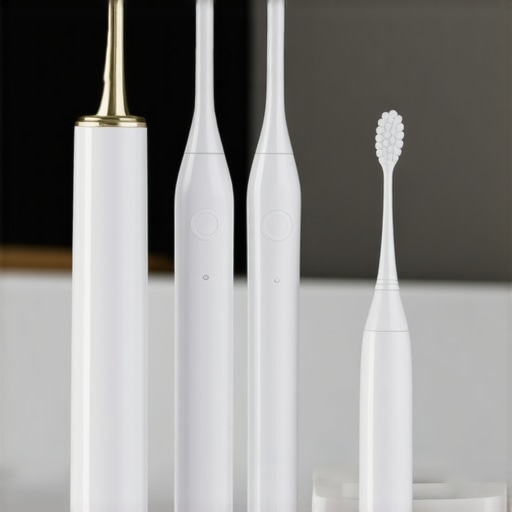
Visualize your optimal oral care setup with an image of a modern toothbrush, water flosser, and whitening kit arranged neatly on a bathroom counter. Alt: modern dental tools for maintenance. Title: Essential tools for lifelong oral health.
Over the years, I’ve realized that achieving and maintaining a radiant smile isn’t just about quick fixes or superficial treatments. It’s about embracing a holistic approach that combines expert knowledge, smart choices, and unwavering commitment. The most profound lesson I’ve learned is that real transformation happens when you understand the subtle nuances that most overlook, turning routines into rituals and habits into lifelong investments.
What I Wish I Knew When I Started My Smile Journey
- Consistency Over Perfection: Regular professional cleanings and daily habits matter more than occasional whitening treatments. A steady routine keeps your smile luminous and healthy far longer than quick enhancements.
- Tailored Care Matters: Not every whitening solution suits everyone. Personalization—considering your diet, habits, and natural tooth color—is the key to truly stunning results.
- Small Actions, Big Results: Simple habits like rinsing after staining foods or choosing a high-quality toothbrush compound over time, ensuring your efforts yield enduring beauty and health.
- Understanding Your Unique Smile: Every mouth has its story. Learning what works for your teeth—be it specific tools or techniques—can prevent damage and preserve your investment.
- Continuous Education is Power: Staying informed about new advancements, like innovative whitening or minimally invasive restorations, keeps your smile at the forefront of modern dentistry.
Tools and Resources That Elevated My Journey
- This comprehensive guide on oral health myths clarified misconceptions that hinder progress and inspired smarter choices.
- Expert insights on cosmetic dentistry helped me understand options beyond veneers, like minimal-intervention bonding, which preserve natural tooth structure.
- Family dentistry resources emphasized how early habits shape lifelong results, motivating me to instill good oral care routines in my children.
- This practical advice on maintenance strategies reminded me that ongoing care is the cornerstone of any cosmetic investment.
Seize the Moment and Transform Your Smile
Your journey to a brighter, healthier smile is uniquely yours. Embrace the knowledge, adopt strategic routines, and celebrate small victories along the way. Remember, your smile is one of your most valuable assets—nurture it with intention and confidence. If you’ve ever hesitated because of doubts or misconceptions, now is the perfect time to take that first step. Start today, and unlock the radiant potential that’s been waiting inside you all along.
What’s holding you back from making your smile the best it can be? Share your thoughts below—I’d love to hear your story!
著