
Have you ever taken a sip of your coffee or taken a bite of your favorite snack only to be hit with a sudden, unshakeable metallic flavor in your mouth? It’s that sinking feeling of disappointment when a simple dental procedure leaves you with an unexpected, unpleasant surprise. I remember thinking, “Why does my mouth taste like a rusty spoon?” after my last filling, and it was honestly unsettling. I’d undergone countless teeth cleanings and even cosmetic dentistry procedures, but nothing prepared me for that strange metallic aftertaste that lingered for days.
Dealing with That Metallic Taste After a Filling Is More Common Than You Think
This sensation isn’t just an oddity — it’s a challenge many people face after getting dental work like fillings. The metallic flavor can be stubborn, making eating, drinking, or even just breathing feel a little less pleasurable. It’s more than a minor annoyance; it can impact your confidence and overall comfort during those critical days post-treatment.
What’s worse is that many folks, including myself early on, brush it off as a normal side effect or overlook it entirely. But I’ve since learned that this taste isn’t something to just tolerate — it’s a signal that your mouth needs some extra attention and care. The good news is, I’ve gathered personal insights and expert tips to help you get rid of that metallic aftertaste once and for all.
Could This Be Something More Serious? The Real Connection Between Restless Taste and Dental Health
During my research, I discovered that the metallic taste could sometimes be linked to the type of filling material used, especially amalgam fillings containing mercury. According to studies published by the National Institutes of Health, certain materials may release tiny amounts of metal particles, leading to that unpleasant flavor. Early on, I made the mistake of neglecting this subtle sign, assuming it would fade naturally. But ignoring persistent alterations in taste can sometimes mask underlying issues that require professional attention.
Understanding the root cause is essential. Whether it’s your filling material, incomplete removal of amalgam, or other oral health factors, addressing the cause can make all the difference. So if you’ve experienced this metallic taste after a dental procedure, don’t brush it off — consider consulting your dentist about possible solutions. For some, switching to newer, biocompatible filling options can help eliminate that taste altogether.
Now, let’s dive into some practical steps to banish that metallic flavor and restore your mouth’s natural harmony. The goal is not only to improve taste but to support your overall oral health — so keep reading, because help is just ahead.
,
Mastering Proper Oral Hygiene Techniques
Start by ensuring you brush and floss correctly. Use a soft-bristled toothbrush and gentle strokes to avoid irritating your gums or dislodging any existing fillings. Focus on cleaning along the gum line and around your dental work, which can accumulate plaque and contribute to metallic taste. I remember a time when I switched to a gentle electric toothbrush, and the improved cleanliness helped reduce the lingering metallic flavor within days. To maximize benefits, consider consulting [teeth cleaning secrets](https://gentlesmiledentist.com/teeth-cleaning-secrets-achieve-a-bright-smile-in-under-30-minutes) for effective brushing techniques.
Incorporate Mouth Rinses and Oral Care Products
Use an antiseptic or fluoride mouthwash to rinse your mouth after brushing. These rinses help neutralize metal particles and reduce bacteria that might exacerbate the metallic taste. Personally, I found that a gentle, alcohol-free rinse made my mouth feel fresher and less metallic. When selecting products, avoid those with strong alcohol content, which can dry out your mouth and worsen the taste. For detailed guidance, check out [the ultimate guide to teeth cleaning techniques](https://gentlesmiledentist.com/the-ultimate-guide-to-teeth-cleaning-techniques-and-benefits).
Adjust Your Diet to Support Healing
Eat soft, bland foods that don’t require much mastication, especially during the first few days after a filling. Avoid spicy, acidic, or extremely hot foods that can irritate your oral tissues. In my experience, sticking to foods like yogurt, mashed potatoes, and bananas helped my mouth recover faster and minimized metallic sensations. Staying well-hydrated by drinking plenty of water is crucial; it flushing away residual metal particles and saliva helps neutralize taste. Remember, avoiding sugary or processed snacks can also prevent plaque buildup that might contribute to taste disturbances. For tips on enhancing oral health through diet, visit [family dentistry tips](https://gentlesmiledentist.com/family-dentistry-tips-that-make-oral-care-effortless-and-effective).
Seek Professional Dental Advice and Consider Material Changes
If the metallic taste persists beyond a week, schedule a check-up with your dentist. They can examine your restorations to ensure proper placement and look for signs of metal leaching. In some cases, switching from amalgam to composite resin fillings can eliminate metallic taste altogether. During my own consultation, my dentist explained that amalgam contains mercury and other metals that may release ions over time, especially if your filling is old or damaged. You can find further insights on cosmetic choices at [cosmetic dentistry innovations](https://gentlesmiledentist.com/cosmetic-dentistry-innovations-you-cant-miss-this-year) for more modern, biocompatible options.
Maintain Regular Dental Check-Ups
Routine cleanings and exams help identify and address issues that might cause or worsen metallic tastes. Regular professional cleanings can remove plaque and tartar that harbor metal residues, much like a car needs regular tune-ups. During my visit, my hygienist used ultrasonic tools that reached tight spaces, significantly improving my oral hygiene and reducing the metallic aftertaste. For comprehensive advice on maintaining oral health, explore [how regular teeth cleaning can prevent major issues](https://gentlesmiledentist.com/how-regular-teeth-cleaning-can-prevent-major-dental-issues). Remember, proactive care is your best defense against lingering taste problems and other complications.Many people believe that regular brushing alone guarantees optimal oral health, but this oversimplification can lead to overlooked nuances crucial for a truly healthy smile. For instance, while brushing twice daily is essential, neglecting the importance of proper technique or ignoring professional cleanings can undermine your efforts. Contrary to popular belief, aggressive brushing with hard-bristled brushes can damage gum tissue and enamel, increasing sensitivity and recession—an advanced mistake often dismissed as harmless. Instead, gentle brushing with soft bristles and correct angles makes a significant difference, as detailed in expert advice on effective oral care techniques.
A common myth is that whitening treatments are universally safe and effective. However, many overlook the potential risks of overusing whitening agents, which can weaken enamel and cause sensitivity. The nuance here is that personalized assessments are necessary before choosing a whitening method, especially for those with existing restorations or sensitivities. For an in-depth understanding, see the expert breakdown of enamel health.
Beware the trap of procrastination—delaying dental visits until problems become painful. This reactive approach often leads to more invasive and costly treatments. Regular check-ups can catch issues like early decay or periodontal disease before they escalate. Interestingly, a study published in the Journal of Dental Research highlights that early intervention can reverse or halt progression in many cases, emphasizing that proactive care saves both your teeth and money. Don’t fall into the trap of believing that mild symptoms will resolve on their own.
For those interested in advanced insights, consider how the subtle signs of metal leaching from amalgam fillings can silently impact your health. Many assume that old fillings are inert, but research indicates that they can release ions, contributing to metallic tastes and systemic effects. Recognizing these nuances underscores the importance of consulting your dentist for personalized material assessments. Transitioning to biocompatible composites might not only improve aesthetics but also reduce hidden risks.
Lastly, blending cosmetic dentistry with functional health can be misunderstood as purely aesthetic. While a bright smile boosts confidence, neglecting the health foundation—like gum support and occlusion—can lead to long-term problems. Innovative solutions in cosmetic dentistry now emphasize holistic approaches, integrating aesthetics with health.
Have you ever fallen into this trap of misconceptions or overlooked subtle signs? Let me know in the comments. Remember, understanding these nuances empowers you to take smarter steps toward enduring oral health and a radiant smile.
Invest in Reliable Equipment for Daily Care
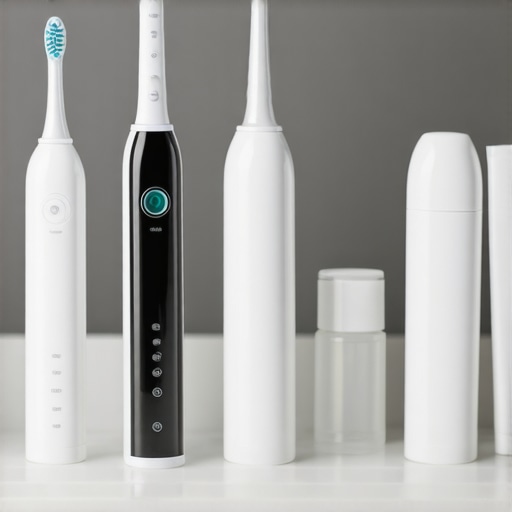
When it comes to maintaining your oral health, the tools you choose can make a significant difference. I personally swear by the Sonicare DiamondClean Smart electric toothbrush because its brush head design ensures thorough plaque removal, reaching into hard-to-clean areas like behind molars and along the gumline. Its multiple brushing modes allow customization based on my needs, reducing the risk of gum recession caused by aggressive brushing. Regular use of this device complements professional cleanings and helps maintain that fresh, clean feeling daily.
Use Technology to Enhance Your Routine
Recent advancements have introduced app-connected toothbrushes that track your brushing habits, providing feedback to improve technique. For example, the Oral-B Genius X uses AI-powered sensors to give real-time coaching, ensuring you clean for the recommended two minutes. This integration encourages consistency and helps prevent common mistakes like missing areas or brushing too hard, which can damage gums over time. Embracing these tools keeps your routine effective and ensures you’re not leaving behind plaque and tartar, which could contribute to metallic tastes or long-term decay.
Incorporate Interdental Cleaners Strategicly
While flossing remains essential, I’ve found that Waterpik Sonic-Fusion combines the benefits of brushing and water flossing, making it easier to remove debris from between teeth. Its pulsating water stream dislodges stubborn particles, reaching into periodontal pockets that manual floss might miss. Personally, I use it daily, especially after meals with sticky foods, to prevent plaque build-up that can lead to tartar and discoloration. For those with braces or dental restorations, this device is invaluable for maintaining hygiene without damaging delicate appliances.
Prioritize Maintenance and Professional Support
Beyond handheld tools, investing in professional-grade equipment like ultrasonic scalers used by dentists ensures deep cleaning sessions, removing calculus effectively. Regular at-home use of sonic vibrators can sustain these benefits, but professional cleanings are crucial for long-term health. Scheduling biannual visits allows your dentist to monitor areas you might overlook, especially when dealing with complex restorations or cosmetic work. If you’re contemplating upgrades, I recommend consulting your dentist about advanced tools and techniques tailored to your unique needs.
Predicting the Future of Dental Tools
The landscape of oral health technology is rapidly evolving. Expect more AI-driven diagnostics and smarter devices that can detect early signs of decay or gum disease from home. Wearable sensors might alert you to issues before symptoms even appear, making preventative care more accessible and effective. To stay ahead, consider adopting new tools as they emerge, and maintain a partnership with your dental professional for customized guidance.
How do I keep my tools effective over time?
Proper maintenance of your dental tools is essential for sustained performance. Rinse toothbrush heads thoroughly after each use and replace them every three months to prevent bacterial buildup. Keep electronic devices in a cool, dry place to prolong battery life and avoid damage. Regularly check water flossers and ultrasonic scalers for wear and tear, replacing parts as recommended by the manufacturer. Personally, I set reminders to replace my brush heads and clean my water flosser filters monthly, ensuring peak hygiene and performance. Incorporating these habits helps maximize the investment in your oral health tools and ensures they work effectively for years to come.
Lessons from My Journey Beyond the Mirror
One of the most surprising lessons I learned was that the metallic taste after dental work isn’t just a fleeting annoyance; it often signals underlying issues that could impact long-term oral health. By paying closer attention to these subtle signs, I was able to work with my dentist to explore biocompatible filling options, which made a noticeable difference in my overall well-being.
I also discovered that thorough at-home care, combined with regular professional check-ups, creates a synergy that truly preserves oral health. Rushing through my routines or neglecting small details like replacing toothbrush heads regularly only heightened the metallic sensations, reminding me that consistent, mindful care is priceless.
My Favorite Tools for a Healthy Smile
One device that transformed my daily routine is the Sonicare DiamondClean Smart electric toothbrush. Its advanced technology reaches into those tricky spots where plaque and metal residues can hide, providing a gentle yet thorough clean. Additionally, I trust the Waterpik Sonic-Fusion water flosser for its ability to dislodge debris and reduce bacterial buildup, which can contribute to metallic tastes. For comprehensive guidance on effective oral care, I recommend exploring teeth cleaning secrets.
Embrace Your Power to Transform Your Oral Health
Taking control of your dental health starts with awareness and proactive habits. If you notice a persistent metallic taste, don’t dismiss it as normal. Address it by consulting your dentist about filling materials and other underlying factors. Remember, your smile is more than just appearance—it’s a reflection of your overall health. So, why wait? Begin today and embrace the journey toward a brighter, healthier smile that feels as good as it looks.
What’s your experience with metallic tastes after dental procedures? Share your story below—I’d love to hear from you!
,