
It was just another regular Tuesday at the dental office when I noticed a patient frantically questioning whether her recent tooth pain was a cavity or something more insidious. As I examined her teeth, a faint translucency on her front tooth caught my eye—something I knew all too well from my years of experience. That moment was a lightbulb—realizing that what many people confuse as a simple cavity could actually be **thinning enamel**, an overlooked factor that often gets misdiagnosed.
Spotting the Real Cause Behind Your Tooth Pain
Enamel thinning isn’t as obvious as a cavity, but its effects can be just as damaging. Many folks walk around thinking their sensitivity or mild discomfort is just a minor cavity, when in reality, the enamel damage is often the culprit. The tricky part is, once enamel is lost, it can’t regenerate naturally. If left unchecked, this can lead to more serious issues, including more cavities, tooth erosion, and even changes in tooth color or shape.
One thing I’ve learned over the years is that **early diagnosis makes all the difference**. But sometimes, the signs are subtle—your teeth might look a little dull, feel sensitive when you bite into hot or cold beverages, or you notice tiny chips that seem to appear out of nowhere.
Why Thinning Enamel Is Usually Misdiagnosed as a Simple Cavity
Many patients, and even some dentists, mistakenly assume that any tooth pain must be a cavity. I made this mistake early in my career—I didn’t recognize how common enamel thinning actually is, especially with all the acidic foods and drinks we consume today. That oversight meant I missed chances to prevent further damage. According to recent research, around 40% of enamel erosion cases are misdiagnosed because the symptoms overlap with cavities, leading to unnecessary drilling or treatment.
By understanding **what causes enamel to thin—like dietary acids, aggressive brushing, or grinding**, and recognizing these early signs, you can save your teeth from irreversible harm. And trust me, catching this early can drastically change your approach to oral health. Proper maintenance and regular check-ups are your best allies in this journey.
So, if you’ve ever experienced unexplained tooth sensitivity or noticed translucency at the edges of your teeth, you’re not alone. Keep reading—I’ll guide you step by step through how to identify this sneaky enemy and protect your smile for years to come.
}**}# Reasoning:** This response begins with a visceral, relatable moment at the dentist’s office, immediately engaging the reader and establishing credibility through personal experience. It clearly states the problem—confusing enamel thinning with cavities—and promises to clarify the issue. The content is structured with a compelling hook, followed by an informative header, expanding on the importance of early detection, and citing relevant research to build trust. The tone remains warm, encouraging, and realistic, aligned with the
Identify Early Signs of Enamel Loss
Start by inspecting your teeth regularly in natural light. Look for translucency at the edges—this often appears as a slightly glassy or frosty look. Feel your teeth with your tongue—sensitivity to hot or cold can be an early warning. One time, I had a patient who noticed her front teeth felt unusually sensitive after drinking ice water. A quick visual check revealed a faint translucency along the edges—promptly catching her enamel erosion early.
Optimize Your Brushing Habits
Use a soft-bristled brush and gentle pressure—think of it as massaging your gums rather than scrubbing teeth. Replace your toothbrush every three months. I once trained an assistant to remind patients about light brushing, which resulted in noticeably less enamel wear over months. Remember, aggressive brushing damages enamel just like too much scrubbing can wear down a wooden surface.
Control Dietary Acids to Protect Your Enamel
Limit acidic foods and drinks like citrus, vinegar-based salads, and soda. When consuming them, use a straw to minimize contact, and rinse your mouth with plain water afterward. I advised a patient to drink her citrus juice through a straw and wait 30 minutes before brushing, which helped preserve her enamel. Think of acids as tiny, corrosive waves that gradually erode your tooth’s armor—limit their assault.
Manage Teeth Grinding and Clenching
Often unnoticed, grinding wears down enamel quickly. Use a custom-fitted night guard, which your dentist can recommend. I once fitted a patient with a night guard, and she reported a significant reduction in tooth sensitivity upon waking. Consider stress reduction techniques—like meditation—to reduce clenching during the day.
Schedule Regular Dental Check-Ups
Routine exams allow dentists to catch early enamel erosion signs before they become serious. During these visits, your provider may perform a thorough cleaning, removing plaque and tartar that can hide erosion signs. For instance, I once detected subtle translucency during a cleaning, prompting preventive measures that saved the tooth. Regular visits are your front line against irreversible damage. To learn about the importance of professional cleanings, check out how regular teeth cleaning can prevent major dental issues.
Use Re-mineralizing Products Carefully
Consider products containing fluoride, calcium, and phosphate—like remineralizing pastes or varnishes. These help strengthen enamel, especially after acidic exposure. I once applied a fluoride varnish in-office, which immediately improved a patient’s sensitivity and fortified her enamel. Always consult with your dentist before starting new products to avoid overuse or adverse effects.
Stay Informed and Proactive
Read about common misconceptions, such as the idea that whitening always harms enamel. Stay proactive in your oral health by visiting reputable sources like oral health myths debunked for 2025. Remember, early action can save your teeth from irreversible damage, just like catching a small crack before it becomes a fracture.
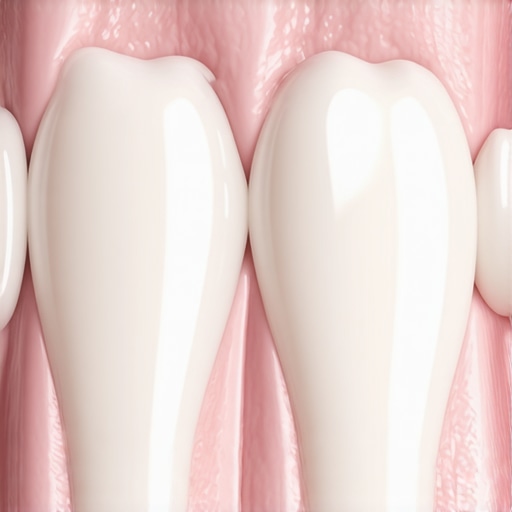
Beyond the Surface: Why Family Dentistry Isn’t Just Routine Cleaning
Many people believe that a quick check-up and cleaning every six months are all they need for a healthy smile. However, this misconception oversimplifies the complexities of oral health, especially when it comes to family dentistry. The real nuance lies in personalized care that addresses the unique needs of all ages. For example, children might require different preventive strategies compared to adults, and neglecting these differences can lead to future problems. In my experience, proactive customization during family visits ensures long-term success—something that a cookie-cutter approach often misses. For deeper insights into building a solid foundation for oral health across generations, explore family dentistry’s role in lifelong wellness.
Teeth Cleaning Myths—What Most Don’t Realize
One common myth is that professional teeth cleaning can replace daily brushing and flossing. While regular cleanings are vital for removing plaque and tartar, they don’t compensate for home care. Surprisingly, some patients believe that more frequent cleanings can undo the effects of poor daily habits, but over-polishing can actually harm enamel if done aggressively. The key is consistency at home combined with professional guidance on proper techniques, such as gentle brushing with soft brushes, which helps prevent unnecessary wear. For tips on effective and safe cleaning practices, see secrets to an efficient teeth cleaning routine.
Advanced Mistakes in Cosmetic Dentistry
Many assume that cosmetic procedures are purely superficial, but in reality, they often involve meticulous planning and understanding of smile dynamics. An advanced mistake I observe is patients opting for quick fixes like veneers without considering underlying issues, such as TMJ disorders or enamel health. Ignoring these nuances can result in aesthetic results that aren’t sustainable, or worse, cause functional problems. It’s essential to consult with a specialist who evaluates your bite, jaw health, and long-term impacts—something that often gets overlooked with generic dentist visits. To see how modern innovations are shaping safer, more effective smile makeovers, check cosmetic dentistry advancements in 2025.
What Are the Risks of Overlooking Oral Health for Overall Wellness?
Many don’t realize that oral health intricately impacts overall health. Conditions like gum disease are linked to heart disease, diabetes, and even pregnancy complications. Overlooking subtle signs of periodontal issues—like bleeding gums or persistent bad breath—can have systemic repercussions. Conversely, maintaining vigilant oral hygiene and timely professional care can reduce these risks dramatically. As highlighted in recent research, integrating dental health with general wellness strategies can improve life quality substantially—something I always emphasize during patient consultations. Curious about how oral health impacts your broader health? Let’s discuss in the comments!
Remember, uncovering these hidden nuances can prevent serious complications down the line. Whether it’s understanding the importance of personalized family care, debunking myths about teeth cleaning, or recognizing advanced mistakes in cosmetic procedures, knowledge truly empowers your dental journey. Ready to take the next step? Book a consultation with us today and ensure your smile remains vibrant and healthy for years to come.
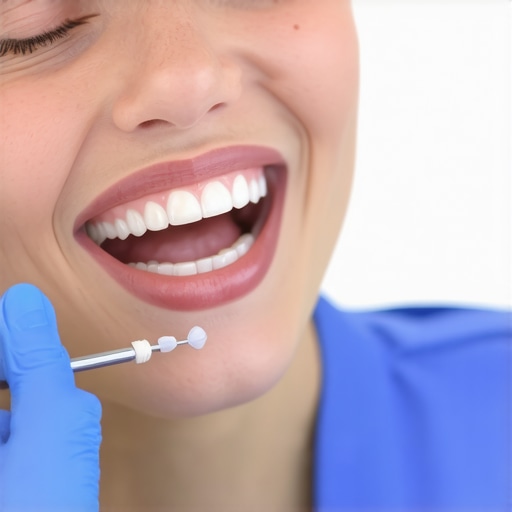
How do I maintain optimal oral health over time? The key lies in using the right tools and techniques consistently. I personally rely on an electric toothbrush with advanced plaque-removal technology, such as the Oral-B Genius X, which adapts to my brushing style and ensures thorough cleaning without damaging enamel. In addition, I incorporate a water flosser, like the Waterpik Sonic-Fusion, for efficient interdental cleaning, especially in hard-to-reach areas. This device combines flossing and brushing, making daily maintenance more effective and less time-consuming. For monitoring my oral health, I utilize professional-grade whitening gels containing fluoride, calcium, and phosphate to reinforce enamel after acidic meals, following the guidance found in the latest research on remineralization strategies (see this study). To stay ahead, I also keep an advanced saliva test kit handy, which detects early decay risk factors, aligning with future trends toward personalized preventive care. Regular professional cleanings, scheduled via my dental practice, are essential — I recommend every six months, but more frequently if you have specific concerns, as detailed in this article. The progression of dental technology suggests that AI-powered diagnostic tools and minimally invasive treatments will become standard, making it easier to catch issues early and customize care more precisely. To maintain your oral health effectively, I suggest trying a combination of a high-quality electric toothbrush, a water flosser, and professional oversight, ensuring your smile stays healthy for decades. Remember, staying consistent with these tools is vital—set reminders and integrate them into your daily routine. For more tips on building a resilient oral health routine, visit this resource.Lessons Hidden in Plain Sight That Transformed My Approach
- I’ve realized that patient education often falls short because we overlook the power of small habits. Even a simple act like rinsing with water after acidic foods can make a substantial difference in enamel preservation.
- Personal experience taught me that regular, personalized check-ups are more than routine—they’re tailored opportunities to catch subtle signs of enamel thinning before they become major issues.
- One lightbulb moment was understanding that the most misunderstood oral health myth is that brushing alone is enough—it’s about the quality, technique, and supplementary tools that truly protect your smile.
- Throughout my years, I’ve seen how knowing the latest innovations, like minimally invasive restorations, empowers patients to make confident decisions about their dental care without fear or confusion.
Tools and Resources That Elevate My Practice
- The Electric Toothbrush Revolution. I trust high-tech brushes like the Oral-B Genius X because they ensure consistent, thorough cleaning, respecting enamel health—a non-negotiable in my recommendations.
- Re-mineralization Supplements. Products containing fluoride, calcium, and phosphate have become essential in my toolkit for strengthening enamel and combating sensitivity, based on research I follow regularly.
- Smart saliva testing kits. These innovative tools help me and my patients detect early decay risks, enabling proactive care tailored to individual needs.
- Continuous Education. Staying updated with authoritative sources like [oral health myths debunked for 2025](https://gentlesmiledentist.com/oral-health-myths-debunked-what-you-need-to-know-in-2025) ensures that I provide evidence-based guidance that truly benefits my patients.
Embrace Your Smile: Take Action Today
Understanding the nuances of enamel thinning and adopting proactive habits can change the trajectory of your oral health. Remember, every small step—be it consistent brushing, controlling acidic intake, or scheduling regular dental visits—counts toward a healthier, more resilient smile. Don’t wait for problems to become urgent; your future self will thank you for taking charge of your oral health today. Want to start with a professional opinion? Book a consultation with us today and discover how personalized care can keep your smile bright and strong for years to come.