
Have you ever caught yourself thinking, “Well, they’re just baby teeth. No big deal if they’re not perfect,” only to realize later that this mindset might be doing more harm than good? I used to brush off my child’s early dental issues, thinking it was all temporary and wouldn’t impact their adult smile. But one lightbulb moment changed everything for me—when I learned that neglecting those tiny, deciduous teeth could set the stage for bigger problems down the road.
The Hidden Power of Baby Teeth
It might sound counterintuitive, but those first teeth are more than just placeholders waiting to be replaced. They play a crucial role in guiding permanent teeth into their correct positions, supporting proper speech development, and even influencing nutrition. Neglecting their health isn’t just a cosmetic issue; it can impact a child’s overall health and well-being. I’ve personally seen how early cavities can lead to pain, difficulty eating, and even speech delays, making me realize I need to take baby teeth seriously. Want to ensure your child’s future smile stays on track? Keep reading for expert advice and practical tips.
Is Preventive Care Overkill for Baby Teeth?
Early on, I made the mistake of thinking I could just wait until problems appeared before acting. That approach is like waiting for a leak to become a flood. Instead, regular check-ups and proper oral hygiene from a young age can prevent many issues before they start. Trust me, the difference is remarkable. If you’re curious about proactive strategies, I recommend exploring maintaining oral health for a lifetime. Prevention doesn’t just save money— it spares your child unnecessary discomfort and future corrective procedures.
Now that I’ve shared my story, let’s dive into the most common concerns—and how to tackle them effectively. If you’ve ever wondered whether small cavities or early signs of enamel wear matter, you’re not alone. Ready to learn the truth about safeguarding those precious baby teeth? Let’s go!
Establish a Routine for Daily Oral Hygiene
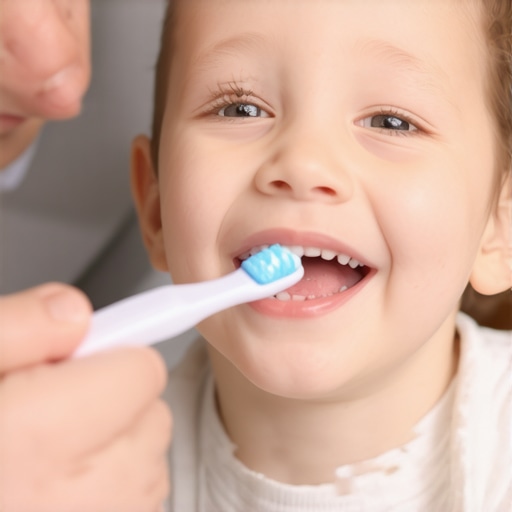
Start by teaching your child to brush twice a day using a pea-sized amount of fluoride toothpaste. Personally, I remembered my first attempt when my toddler refused to open wide; I turned it into a fun game, singing a song while brushing. This micro-story helped me realize positive associations make a difference. Use a soft-bristled toothbrush suitable for their age, and gently brush all surfaces, including the gum line. Incorporate flossing once the teeth start to touch—using floss picks designed for children simplifies the process. Consistency is key, and an establishing a routine ensures it becomes a non-negotiable part of their day.
Incorporate Family Dental Visits
Schedule regular check-ups with a family dentistry practice. I recommend visiting a dentist at least every six months to catch and address issues early—think of these visits as routine tune-ups for your child’s smile. During appointments, ask the dentist to demonstrate proper brushing and flossing techniques, making this an educational experience. This proactive approach prevents plaque buildup and early cavities, saving you money and stress from more extensive treatments later. Using a family dentist helps set an example, reinforcing the importance of oral health for your kids.
Use Correct Techniques to Clean and Inspect Teeth
Proper cleaning techniques matter. Hold the toothbrush at a 45-degree angle to the gum line and make gentle circular motions. I once tried to hurry through a cleaning without proper technique, which led to ineffective plaque removal and early staining. Learning the correct method improves effectiveness and minimizes gum irritation. Regularly inspect your child’s teeth for early signs of decay, discoloration, or rough spots. Promptly addressing minor issues—like small cavities—can prevent extensive work down the line. Remember, early detection is crucial; that’s why regular visits complement daily care.
Implement a Healthy Diet That Supports Dental Health
What your child eats directly impacts their teeth. Limit sugary snacks and drinks, opting for fresh fruit, vegetables, and dairy products rich in calcium. I learned this the hard way after a candy binge resulted in visible cavities just weeks later. Think of sugary foods as fuel for bacteria that produce acids eroding enamel. Complement diet modifications with water instead of sugary beverages, which helps rinse away food particles and neutralizes acids. Encouraging good eating habits supports oral health from the inside out.
Enhance Protection with Preventive Measures
Sealants and topical fluoride applications provide extra shields. Sealants act like a clear coat over molars, filling in deep fissures where cavity-causing bacteria hide. I witnessed a dental professional applying sealants during a routine visit, which instantly fortified the tooth surface. Topical fluoride strengthens enamel, making it more resistant to decay. Consult your dentist about these options—especially if your child has a history of cavities. Preventive measures are a crucial investment to safeguard their future smile.
Address Early Signs of Dental Trouble
Don’t wait for pain or visible decay to act. Small white spots or chalky areas signal early enamel demineralization—evidence that acid attacks are underway. For instance, I caught a faint spot during a routine check, prompting immediate fluoride treatment, which halted progression. Regularly examine your child’s mouth in good lighting; look for discoloration, white spots, or unusual breath. Early intervention can reverse or contain issues, preventing painful or costly treatments later.
Educate Your Child About Oral Health
Kids who understand the importance are more likely to develop lifelong habits. Turn brushing into a story or game, celebrating their efforts with praise or stickers. I found that rewarding my child for consistent brushing made them more enthusiastic. Use age-appropriate explanations about how teeth help us chew, speak, and smile confidently. Building awareness early helps them appreciate their dental care routine, making it easier for you to enforce habits and ensure their teeth stay healthy.
 While many believe that brushing, flossing, and regular check-ups are enough to keep teeth healthy, there’s a common misconception about what truly influences optimal oral health. The truth is, most people overlook the nuanced factors and advanced mistakes that can undermine their dental care efforts. For example, many assume that any whitening treatment is equally effective, but nuances in enamel chemistry mean some options may do more harm than good if not chosen carefully. Additionally, a prevalent myth is thatprofessional cleanings alone can reverse all issues, yet neglecting daily habits often leads to recurring problems. An often-overlooked nuance is that the health of gums is equally critical—bleeding when flossing isn’t just a sign of disease but can also indicate underlying systemic conditions. Recognizing these subtleties is essential for achieving long-term success. Did you know that aggressive brushing can damage enamel and recede gums, paradoxically increasing sensitivity? Experts warn that even cosmetic procedures, if performed without considering individual tooth anatomy or bite patterns, can result in uneven or unnatural appearances. For instance, too-rapid teeth whitening without proper assessment can lead to uneven coloration or enamel erosion, highlighting the importance of personalized treatment plans. Advanced mistakes like delaying treatment for early signs of decay—white spots or mild sensitivities—can escalate issues, leading to more invasive procedures later. This is backed by research from the American Dental Association, which emphasizes early intervention in maintaining both function and aesthetics. So, how can you protect yourself from these pitfalls? Emphasize comprehensive evaluations that consider all aspects of oral health, including the systemic factors influencing gum disease and decay. Incorporate a balanced approach: combining the latest cosmetic innovations with foundational principles to ensure longevity and safety. Remember, achieving a stunning smile isn’t just about quick fixes but understanding and respecting the intricate nuances of your unique oral anatomy. Have you ever fallen into this trap? Let me know in the comments.
Keep It Working: Tools and Techniques for Long-Term Dental Wellness
Maintaining your oral health requires more than just regular brushing and flossing; it involves investing in the right tools and adopting effective methods that deliver lasting results. From high-quality toothbrushes to professional-grade whitening systems, I personally swear by specific equipment that ensures I stay on top of my dental routine. Electric toothbrushes, for instance, have revolutionized my cleaning sessions. I use a model equipped withoscillating-rotating technology, which I’ve found significantly more effective at removing plaque compared to manual brushes, especially in hard-to-reach areas. For deep cleaning between visits, water flossers like the Waterpik have become indispensable in my daily routine, efficiently removing debris and plaque without discomfort. These tools, when used correctly, can prevent the buildup that leads to cavities and gum disease, ultimately saving you money and discomfort down the line. To ensure you get the most out of your tools, regularly replacing brush heads and maintaining device hygiene is crucial. I recommend following the guidelines outlined in this comprehensive guide for optimal results.
How do I maintain my tools over time?
Proper maintenance of your dental tools extends their lifespan and ensures they function effectively. For electric toothbrushes, I rinse the brush head thoroughly after each use, remove and replace the head every three months, and store it in an open area to prevent mold buildup. Water flossers should be cleaned regularly according to manufacturer instructions, often involving running water through the device and occasionally soaking parts in a mild disinfectant solution. Using toothpaste-specific brush heads or floss tips that fit your device is vital for compatibility and hygiene. As technology advances, I see a future where smart dental tools integrated with apps and sensors to monitor your oral health, offering personalized tips and reminders. This evolution will make preventive care more accessible and tailored to individual needs. To stay ahead, try incorporating an ultrasonic scaler into your routine; it’s a professional tool that can remove stubborn tartar without the need for frequent dental visits. Remember, consistent maintenance and staying informed about innovations are keys to long-term oral health success.
The Hardest Lesson I Learned About oral health,cosmetic dentistry,teeth cleaning,family dentistry
During my years navigating dental care, I discovered that some of the most effective strategies are often overlooked or misunderstood. For instance, I once thought routine cleanings and brushing were enough—until a conversation with my dentist revealed subtle habits that could undermine long-term health. That realization became a turning point, teaching me that true oral wellness involves nuanced care, advanced techniques, and informed choices.
Tools That Transformed My Dental Routine
Investing in quality dental tools made a tangible difference in my daily routine. I trust an oscillating-rotating electric toothbrush—like the one I detail in this guide—because it removes plaque more effectively. Water flossers have also become indispensable, especially for hard-to-reach areas, drastically reducing gum irritation and cavity risk. These tools are more than gadgets; they’re powerful allies in maintaining a healthy, bright smile.
Why I Wish I Knew Earlier That a Little Extra Care Matters
One lightbulb moment for me was realizing that early signs of trouble—such as white spots—are critical indicators. Addressing these promptly with fluoride treatments, as recommended in this resource, can reverse damage and prevent costly procedures. Recognizing the importance of gum health, systematic assessments, and personalized care has empowered me to take proactive steps that secure my long-term oral health.
Curated Resources That Changed My Approach to Dental Care
Beyond tools and routine, I found that staying informed is essential. I highly value this comprehensive resource for its evidence-based advice on maintaining oral health throughout life. For cosmetic enhancements, this article offers insights into safe, effective options that align with individual goals. Educating myself on these topics has been transformative.
Empower Your Smile Journey Today
Understanding the sophisticated nuances of oral health empowers you to make confident, informed decisions. Whether it’s selecting the right tools, recognizing early signs of issues, or exploring cosmetic options, your proactive steps can lead to a lifetime of healthy, radiant smiles. Remember, your dental health is a reflection of your overall well-being—so invest in it wisely and consistently.
What’s the one dental tip or insight that changed how you approach oral health? Share your story below and inspire others on their path to a beautiful smile!
,