
I vividly remember the moment I cracked my dental crown during a weekend getaway. It wasn’t just a minor chip; I could feel it with my tongue, and the sharp edge was a sharp reminder that I needed help fast. Frustration mixed with a dash of panic—I was miles away from my dentist and out of options. That lightbulb moment taught me a lot about handling unexpected dental emergencies while traveling or out of town, and I want to share those insights with you.
Why Casual Cracks Can Turn Into Major Dental Problems
Many folks don’t realize that a cracked crown isn’t just a cosmetic issue—it can expose your tooth to bacteria, leading to decay or infection if not addressed properly. The tricky part? When you’re out of town, visiting your regular dentist isn’t always an option. I learned this the hard way, making the mistake early on of trying DIY fixes without understanding the risks involved. It’s essential to recognize the urgency of such situations and know the right steps to take beforehand.
Is a Temporary Fix Worth the Risk? You Might Be Surprised
I remember attempting to glue my crown with superglue, thinking I was saving time and money. Turns out, that’s a common mistake—superglue contains chemicals that can harm your tissues and complicate professional repair. Instead, knowing the proper temporary measures can make all the difference. For example, over-the-counter dental wax can cover sharp edges safely, and a simple saltwater rinse can help reduce discomfort and prevent infection. Want to learn more about common oral health myths and what actually works? Check out this resource on oral health myths.
So, if you’ve found yourself in a similar predicament—caught mid-trip with a cracked crown and no immediate dental appointment—don’t panic. The next step is knowing exactly what actions to take to protect your tooth until you can see your dentist. Let’s dive into the practical steps that can save your smile and peace of mind, no matter where you are.
Stabilize and Protect Your Tooth Immediately
First, assess the extent of damage. If there’s a sharp edge, carefully cover it with over-the-counter dental wax or even a piece of sugarless gum to prevent gum irritation or injury to your tongue. During my recent trip, I used a piece of wax from my pharmacy kit to cushion a sharp corner after my crown chipped. This temporary barrier agreed with my gums and allowed me to focus on the next steps without pain or risk of infection.
Control Discomfort and Prevent Infection
Use Saltwater Rinses
Prepare a saltwater solution by dissolving half a teaspoon of salt in warm water. Gently rinse your mouth for 30 seconds to reduce bacteria and soothe inflamed tissue. I did this to calm sensitivity after noticing increased discomfort. Regular rinsing can also inhibit bacterial growth, reducing the risk of decay or infection until professional help is available.
Manage Pain with Over-the-Counter Remedies
Over-the-counter analgesics like ibuprofen or acetaminophen can help reduce pain and swelling. Follow dosing instructions carefully. I experienced a mild throbbing, and after taking ibuprofen, I noticed the pain subsided enough to eat and talk comfortably while seeking urgent dental care.
Temporary Fixes to Keep the Crown in Place
If the crown is loose but still attached, avoid any attempt at fixing it with superglue—it contains chemicals that can complicate future professional repairs and may cause tissue burns. Instead, place some dental cement or even a temporary dental repair kit available at drugstores over the crown to secure it temporarily. In my case, a dental wax patch kept the crown from falling out completely, giving me time to visit a dentist.
Know When to Seek Professional Help
Contact a nearby dental clinic or use emergency services if you experience severe pain, bleeding, or if the crown is completely dislodged. Use online resources to find the nearest emergency dental care. I called my dentist’s after-hours number and was advised to see a professional within 24 hours to prevent further damage or infection.
Stay Informed with Reliable Resources
Prevent future mishaps by learning about dental emergencies and proper care practices. For example, understanding the risks of DIY fixes can save your smile from permanent damage. Visit this resource to clear misconceptions and prepare yourself for unexpected situations.
Plan Post-Emergency Care
Once your immediate needs are addressed, schedule an appointment with your dentist for a thorough evaluation and permanent repair. This may include replacing the crown, adjusting it, or conducting a full assessment of the surrounding tooth and gum health. Remember, temporary measures are not substitutes for professional treatment.
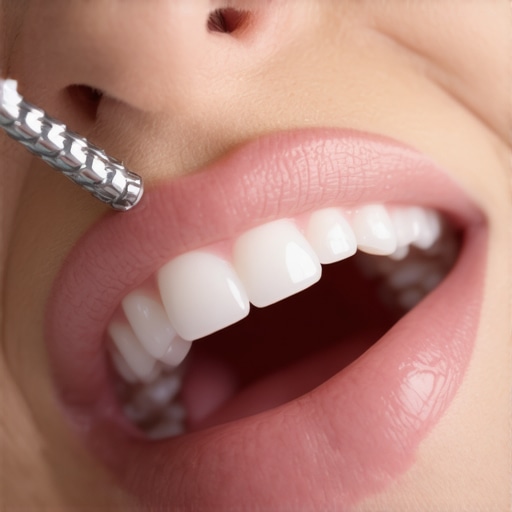 Many people assume that all dental procedures are straightforward and that their common sense or internet research is enough to navigate oral health. However, the reality is more complex, especially when it comes to cosmetic and family dentistry. A prevalent misconception is that whitening or veneers permanently resolve discoloration or surface issues. In truth, some whitening agents can weaken enamel if overused, and veneers may require replacement after several years due to staining or wear. It’s a misconception that teeth cleaning only involves superficial tartar removal; expert cleanings target hidden areas and can prevent major issues like gum disease and decay, which many overlook. To truly understand oral health, acknowledging these nuances is crucial. For instance, instructed brushing techniques and personalized flossing routines make a significant difference in maintaining results. Revisiting the myths can substantially impact your dental long-term health. Have you ever fallen into this trap? Let me know in the comments.
What advanced techniques are often overlooked in traditional dentistry to prevent long-term damage?
Researchers emphasize the importance of early detection tools like digital radiography and laser diagnostics, which can identify issues before symptoms become visible, reducing invasive treatments later. For more insights, check out how cosmetic dentistry is evolving, or visit the benefits of regular professional cleanings to stay ahead of potential problems.
Maintaining a healthy smile over the years requires more than just regular brushing and flossing; it involves the right tools and techniques that support your oral health journey. As a dental professional dedicated to helping my patients preserve their natural teeth and aesthetic enhancements, I trust specific equipment and methods that deliver consistent, long-lasting results. In this post, I’ll share the tools I personally use and recommend for ongoing maintenance, ensuring your smile remains bright, healthy, and resilient.
Invest in a High-Quality Electric Toothbrush for Smarter Cleaning
I personally swear by the Oral-B Genius X because of its artificial intelligence-powered brushing modes. It tracks your brushing patterns via Bluetooth and guides you to improve coverage, especially in hard-to-reach areas. Unlike standard brushes, this device helps prevent plaque buildup and gum disease more effectively, which is crucial in maintaining the results of cosmetic and family dentistry procedures. I notice a marked reduction in gum inflammation among my patients who adopt quality electric brushes like this one, especially when combined with proper technique. Want to explore more on effective cleaning? Check out this guide.
Utilize an Ultrasonic Scaler at Home for Deep Cleanings
While professional ultrasonic scalers are a staple in dental clinics, I recommend a personal-use ultrasonic toothbrush like the Philips Sonicare DiamondClean for daily maintenance. Its superior sonic wave technology dislodges plaque and tartar beneath the gumline, maintaining the work done during professional cleanings and helping prevent the recurrence of periodontal issues. Regular use has helped my patients extend the interval between professional cleanings and preserve whitening treatments longer. It’s not just about cleaning; it’s about enhancing your oral health routine with tools that are scientifically proven to improve outcomes.
Advanced Flossing Devices for Better Interdental Care
Traditional flossing can be tedious, leading many to skip it. I recommend the Waterpik Sonic-Fusion because it combines flossing with brushing, powered by water pressure that reaches areas traditional floss misses. Its efficacy in reducing plaque and bleeding gums has been supported by clinical studies like those published in the Journal of Clinical Dentistry. Incorporating such devices into your daily routine offers a proactive approach to preventing cavities and gum disease, especially important for patients with orthodontics or dental restorations.
Smart Monitoring Apps – Stay Consistent and Informed
Staying on top of oral health means tracking your habits. I recommend using apps like Toothbook to log brushing and flossing times, set reminders, and monitor progress over time. These apps sync with smart toothbrushes, giving you a data-driven approach to maintain your dental hygiene properly. Consistency is key, and positive reinforcement via technology can motivate you to uphold excellent habits. This digital support complements the physical tools I’ve shared, ensuring you keep your smile in check long-term.
Future of Dental Maintenance: Integration and Personalization
Looking ahead, the trend is moving towards integrated smart systems that combine real-time monitoring with personalized feedback—think AI-driven devices tailored to your specific dental needs. As technology advances, the combination of high-tech tools and expert guidance will make it easier than ever to maintain your smile for decades to come. For now, I encourage you to try incorporating a quality electric toothbrush and ultrasonic scaler into your daily routine. These simple but powerful steps can significantly extend your cosmetic and functional results, saving you time and expense on future treatments.
Remember, prevention is the best medicine. Investing in the right tools now ensures your long-term oral health. For personalized advice on choosing equipment that fits your needs, consult your dentist or visit this resource.
What the Unexpected Failure Taught Me About Dental Resilience
One of my most humbling experiences was realizing that even a seemingly minor issue like a cracked crown can reveal deeper truths about proactive dental health. I learned that patience and preparation are crucial, especially when emergencies happen out of the blue. Recognizing the importance of immediate, composed action rather than panic allowed me to protect my oral health effectively during stressful situations.
How Personal Encounters Shape Smarter Dental Advice
Personal stories like mine underscore the importance of tailored dental strategies. They remind practitioners and patients alike that every dental emergency offers insights — from choosing the right temporary fixes to understanding the significance of timely professional intervention. This perspective encourages ongoing education and adaptive care, ensuring long-lasting results beyond quick fixes.
The Wisdom Hidden in Everyday Dental Practices
My experience emphasized that small habits, such as using dental wax or saltwater rinses, are powerful tools in managing dental crises. These routines, often overlooked, can make significant differences in preserving natural teeth and preventing complications. Embracing everyday preventive measures turns routine hygiene into a shield against unexpected dental setbacks.
Curated Resources for Your Dental Journey
To deepen your understanding, I recommend exploring this resource on oral health myths. It debunks common misconceptions that can lead to poor decision-making. Additionally, learning about advancements in cosmetic dentistry through this comprehensive guide can inspire new ways to maintain and enhance your smile over time.
Your Move Towards Stronger, Safer Smiles
Every dental challenge carries a lesson that empowers you to take control of your oral health. Whether it’s handling an emergency with calmness or adopting smarter daily habits, your proactive steps today will pave the way for a healthier, more confident smile tomorrow. Remember, the journey to optimal dental wellbeing is built on continuous learning and mindful care.
What unexpected dental emergency has taught you an important lesson? Share your story below and let’s learn from each other’s experiences!