
I vividly remember the night my youngest son finally allowed me to help him floss without a single fight. It was as if a light bulb flickered on in my mind — suddenly, the nightly struggle transformed into a peaceful ritual. Prior to that moment, I’d often find myself frustrated, exhausted, and questioning if I’d ever succeed in making flossing a painless part of our bedtime routine. I knew I wasn’t alone in this battle. Many parents grapple with ensuring their children develop healthy oral habits without turning every evening into a battleground.
Discover the Trick That Turns Flossing from a Nightmare into a Breeze
Getting kids to floss regularly isn’t just about dental health; it’s about establishing a lifelong habit that prevents cavities and gum disease. But, let’s be honest — convincing a child to sit still and tolerate the discomfort of flossing can feel like an uphill climb. I’ve learned through personal experience, and from consulting with dental professionals, that the key isn’t just teaching the technique but making the process engaging and stress-free.
Will My Child Ever Want to Floss Without Resistance?
Honestly, I made plenty of mistakes early on. I used to force my kids or give them stern ultimatums — which only led to tears and resistance. Over time, I realized that creating a positive association with flossing was more effective than punishment or nagging. This pivot was crucial. I started incorporating fun elements, rewards, and even playful storytelling — and suddenly, brushing and flossing became something my children looked forward to rather than dreaded. To truly understand the importance of consistent oral care, I suggest reading more about [family dentistry tips that make oral care effortless](https://gentlesmiledentist.com/family-dentistry-tips-that-make-oral-care-effortless-and-effective), which echoes similar strategies.
But perhaps the biggest breakthrough happened when I learned that the way I introduced flossing could set the tone for the rest of their lives. If you’ve faced daily battles with your children over their dental routine, you’re not alone. The good news is, there are actionable steps you can take to turn this chore into a bonding experience and establish habits that last.
Let’s explore some practical strategies and simple tricks that can help you achieve a fight-free, effective flossing routine every night. If you’re curious whether these methods will work for your family, or wondering why traditional approaches often fail, keep reading — the solution might be simpler than you think.
Break Down the Flossing Process into Manageable Parts
Start by demonstrating the proper technique using a piece of floss about 18 inches long. Wrap the ends around your fingers and gently glide the floss between your child’s teeth, curving it around each tooth in a C-shape. I remember a time when I showed my son this method and he mimicked my motion, which instantly increased his engagement. Use visual aids or even a puppet to make it fun.
Choose the Right Tools to Make Flossing Easier
Switch to floss picks or water flossers tailored for children’s smaller mouths. I once bought a colorful floss pick set that became a hit because of the bright colors and easy grip. This small change made nightly flossing less of a chore. Water flossers are particularly effective and can be easier for kids who dislike traditional flossing, especially when aiming to prevent cavities or maintain oral health.
Create a Routine That Kids Can Look Forward To
Consistency is key. I established a bedtime routine where flossing is a special pre-sleep activity, perhaps accompanied by a story or a singing session. For example, I sing a silly song about teeth while flossing my son’s molars, which distracts him from any discomfort. Making it a game helps them associate flossing with positive feelings.
Reward Progress and Celebrate Small Wins
Encourage your child with praise and small rewards. After mastering the technique, my son earned stickers for each successful flossing night, which motivated him to continue. Recognizing effort rather than perfection fosters confidence and makes the habit stick. For more ideas on reinforcing healthy habits, check these tips.
Leverage Storytelling to Make Flossing Relatable
Use stories or characters that your child loves to turn flossing into an adventure. I told my son that his floss was a tiny boat traveling between islands (teeth), cleaning away the monsters (plaque). This imaginative approach turned resistance into curiosity. Incorporating storytelling can be especially helpful in managing children who are anxious or resistant during dental routines.
Model Good Oral Hygiene Behavior
Children imitate adults. I made sure to floss and brush alongside my son, showing that these are routines everyone follows. Visiting the dentist together and discussing the importance of oral health, perhaps by sharing stories from experts, can reinforce the message. Modeling demonstrates that caring for teeth is a normal part of daily life, not something to dread.
Many people have misconceptions about oral health that can hinder their dental care, despite believing they’re doing everything right. One widespread myth is that brushing vigorously is the best way to clean teeth, but actually, aggressive brushing can damage enamel and recede gums—learn why gentle, proper techniques matter more, as explained in [these teeth cleaning secrets](https://gentlesmiledentist.com/the-teeth-cleaning-secrets-achieve-a-bright-smile-in-under-30-minutes). Another misconception is that only cavities and visible plaque matter; however, subgingival plaque and early gum inflammation often go unnoticed, increasing risks for periodontal disease, which can be mitigated by regular professional cleanings—see how [professional cleanings](https://gentlesmiledentist.com/how-regular-teeth-cleaning-can-prevent-major-dental-issues) reach areas at home brushing can’t reach. A hidden nuance many overlook is the importance of the type of toothbrush—soft bristles are typically superior for preventing damage; hard bristles can wear down enamel and cause gum recession—explore why [hard brushes are problematic](https://gentlesmiledentist.com/why-hard-bristle-brushes-are-destroying-your-gum-line). Across cosmetic dentistry, a common fallacy is that whitening treatments damage tooth structure; in reality, when performed professionally, they are safe and effective, as suggested by [latest innovations](https://gentlesmiledentist.com/cosmetic-dentistry-innovations-you-cant-miss-this-year). Recognizing these nuances helps you make informed decisions that protect your oral health long-term. For instance, many think flossing is optional if they brush regularly, but neglecting interdental cleaning allows plaque buildup between teeth, leading to decay; see [why water flossers](https://gentlesmiledentist.com/why-some-people-are-genetically-more-prone-to-tooth-decay) are gaining popularity. Do you find yourself falling for any of these myths? Let me know in the comments! Failing to understand these nuances can be a costly mistake, but with awareness, you can optimize your dental routine and avoid unnecessary procedures or damage. Remember, prevention is always better than repair, and being a savvy patient means questioning assumptions and staying informed.
Achieving a radiant, healthy smile is a significant milestone, but maintaining it requires more than just good intentions—it demands the right tools and consistent routines. Investing in quality dental equipment and adopting effective methods can make all the difference in preserving your oral health over the years.
Why I Trust Professional-Grade Mouthwash and Water Flossers
In my personal practice, I recommend a dual approach: using a clinically proven mouthwash and a water flosser. For example, I personally swear by saltwater rinses post-procedure, which are excellent for maintaining the mouth’s antimicrobial environment. Pairing this with a water flosser, such as the Waterpik Ultra, ensures I reach areas traditional floss can’t easily access, especially around implants or braces, preventing plaque buildup and gum inflammation.
Tools That Make Routine Maintenance More Effective
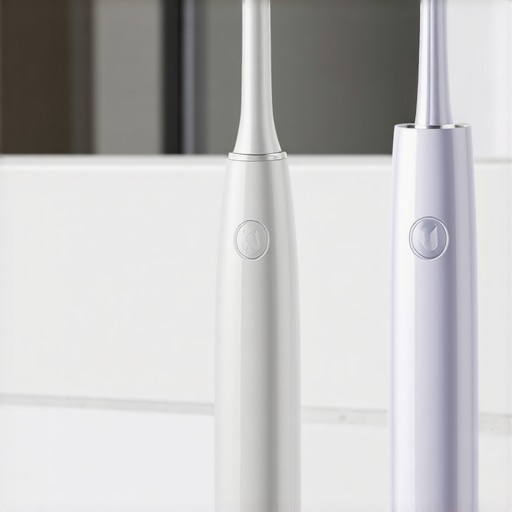
Electric toothbrushes with oscillating-rotating heads—like the Oral-B Genius series—are shown to reduce plaque more efficiently than manual brushing. I use a model equipped with pressure sensors and timers, ensuring I brush with optimal technique and duration. Downloadable apps that sync with these brushes provide feedback, helping me improve my technique over time, which is crucial for long-term health.
Another tool I recommend is a small mirror with a built-in light. This allows you to inspect hard-to-see areas inside your mouth, catching early signs of issues before they escalate.
The Future of Dental Maintenance: Smart Technology
Emerging innovations like AI-driven toothbrushes and smartphone-based oral health tracking apps are revolutionizing how we care for our teeth. These tools analyze brushing patterns, adherence, and even plaque accumulation, providing actionable insights. As technology advances, I foresee a future where personalized oral health management becomes standard, making lifelong dental wellness more attainable than ever.
How do I keep my tools working effectively over time?
Regular maintenance of your dental tools is essential. Replace toothbrush heads every three months, ensure water flossers are descaled regularly to prevent mineral buildup, and keep mouthwash bottles tightly sealed to prevent contamination. Following manufacturer instructions for cleaning and storage extends the lifespan of your devices and maintains their efficacy. For more tips on building a solid foundation of oral health, visit this resource.
Remember, using advanced tools doesn’t just prevent dental problems—it can transform your routine into a proactive, empowering experience. Try incorporating a water flosser and an electric toothbrush with app integration into your daily habit, and you’ll notice the benefits in your long-term smile health.
Stay committed, keep your equipment in top shape, and consult with your dentist regularly to tailor your maintenance strategy. Your future self will thank you for the effort today.
The Hardest Lesson I Learned About Teeth Cleaning, Oral Health, Cosmetic Dentistry, Family Dentistry
Early in my dental journey, I believed that strict routines and high-tech tools alone would ensure perfect oral health. But I realized that the most crucial lesson was patience—understanding that building habits takes time, especially with kids. Rushing or forcing often backfires, turning routine care into a battleground. True progress came when I embraced gentle persistence and celebrated small victories, which taught me that consistency, not perfection, is key.
The Hidden Value of Personal Connection in Family Dentistry
Over the years, I learned that the relationships we forge with patients—and their families—are at the heart of effective dental care. Genuine conversations about fears, hopes, and routines create trust and open doors for honest communication. When families feel respected and understood, they’re more likely to adopt habits that last a lifetime. This insight transformed my approach from a clinical obligation into a partnership for health and happiness.
Why I Never Underestimate The Power of Simple Tools
From colorful floss picks to water flossers, I’ve discovered that small, affordable tools can make a monumental difference. Investing in the right equipment, like electric toothbrushes with app support, has revolutionized routine maintenance. These devices offer real-time feedback, transforming brushing and flossing into engaging activities rather than chores. Remember, the right tools can be the bridge between inconsistent habits and a lifetime of healthy smiles.
What I Wish Everyone Knew About Combating Dental Myths
One of the most common pitfalls I’ve observed is falling for misconceptions—like the idea that aggressive brushing cleans better. Knowing that gentle, effective techniques are the actual key to preserving enamel changed my practice and advice. Educating patients about these myths prevents damage and fosters confidence. Staying informed through credible sources like trusted resources empowers everyone to make smarter choices for their oral health.
Curated Resources to Elevate Your Dental Care Game
My personal toolkit includes devices and literature that I trust deeply. The Waterpik Ultra water flosser, for example, consistently exceeds expectations in reaching hard-to-access areas—especially around implants or braces. I also recommend the Oral-B Genius electric toothbrush with app connectivity; its feedback loops motivate my patients to improve technique. When it comes to education, books like “The Ultimate Guide to Teeth Cleaning Techniques and Benefits” have profoundly influenced my understanding and approach. These resources serve as pillars in my daily practice and could transform your routine as well.
Your Turn to Transform Smiles and Confidence
The journey toward optimal oral health is ongoing, and the most significant step begins with a single action. Whether it’s swapping your toothbrush, scheduling a family dental check-up, or sharing your experiences below, embracing proactive habits can change lives—not just smiles. Remember, every small effort adds up to a future filled with confidence and well-being. Don’t wait; start today, and watch the ripple effects unfold in your family and community.