
I remember the moment vividly—waking up after my last tooth extraction, expecting a quick recovery, only to be greeted by throbbing pain and swelling that just wouldn’t quit. It was a frustrating cycle of pain, medication, and endless waiting. Then, one day, I stumbled upon a tip from my dentist about using a saltwater rinse—something I thought I knew well, but with a tiny twist. That little change transformed my healing process and made me wish I had started sooner.
Discover the Secret to Faster Recovery After Extractions
If you’ve recently had a tooth pulled or are preparing for one, you’re probably wondering how to heal faster and reduce discomfort. The good news is, there’s a simple, affordable tactic that I’ve personally used to accelerate my healing: a specialized saltwater rinse. It’s surprisingly effective at keeping the extraction site clean, reducing inflammation, and preventing infection—all crucial for speedy recovery. Today, I’ll share my experience and the science behind why this works, so you can give it a try and get back to smiling confidently sooner.
Is Saltwater Rinsing Truly Worth the Hype?
I’ll admit, I was skeptical at first. I had tried basic rinses before and didn’t see much difference. My mistake was using plain water or generic mouthwash—both of which can sometimes irritate the wound or contain alcohol that slows healing. I learned early on that not all rinses are created equal. A measured saltwater solution creates an environment that promotes healing by gently cleaning the site without disrupting the formation of new tissue. In fact, research shows that saltwater rinses can help reduce bacteria and inflammation, making the healing process smoother and less painful (source).
My mistake was sticking to the standard advice of just rinsing with plain water, which isn’t enough. Instead, I discovered that using a specific salt-to-water ratio and rinsing at regular intervals made a tangible difference. Now, I want to guide you through how to do this properly, so you can avoid the same pitfalls and get superior results.
Prepare Your Saltwater Solution Correctly
Start by measuring 1/2 teaspoon of regular salt. Dissolve it in 8 ounces of warm water—warm enough to feel comfortable but not hot. During my first attempt, I used cold water, and the solution felt too harsh, making me hesitant to rinse effectively. Warm water helps the salt dissolve fully and soothes your gums, encouraging better healing.
Rinse at Optimal Intervals for Maximum Effectiveness
After each meal and before bed, gently swish the saltwater in your mouth for about 30 seconds. This frequency prevents bacteria buildup and reduces inflammation. I found rinsing immediately after meals prevented food debris from settling into the extraction site—just like how family dentists recommend consistent cleaning to prevent plaque buildup (see tips from family dentistry).
Be Gentle to Avoid Dislodging Blood Clots
It’s crucial to swish gently—imagine you’re softly swaying a delicate flower. Vigorous rinsing can dislodge the blood clot, leading to painful dry socket complications. During my second attempt, I was tempted to rinse with more force, but I remembered instructions from my dentist to keep it gentle. Applying a light, circular motion helps clean without disturbing the healing tissue.
Use Fresh Saline Each Time
Discard the previous rinse after each session to prevent bacteria from proliferating. Prepare a new batch each time, which is simple and inexpensive. I kept a small jar ready in my bathroom to expedite the process. Fresh solution ensures you’re not reintroducing bacteria to the wound, much like fresh mouthwash is vital before a professional cleaning (teeth cleaning tips).
Incorporate Additional Healing Tips
Alongside rinsing, avoid using straws, smoking, or drinking alcohol, as these can slow healing. Instead, focus on maintaining a soft diet and keeping your head elevated when resting. I learned this the hard way after trying to eat hard foods the evening after my extraction—resulting in increased pain and swelling. Combining proper rinsing with these habits accelerated my recovery.
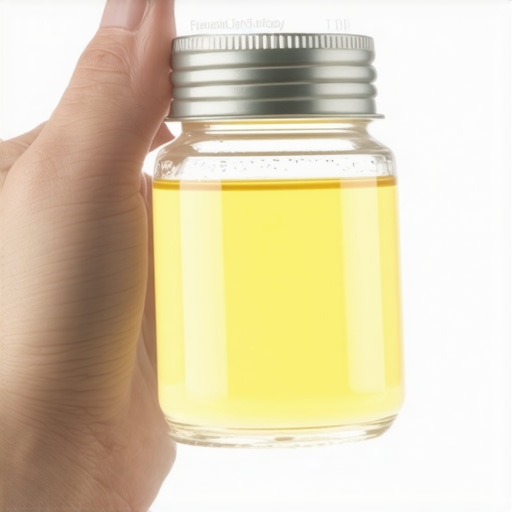
Visualize a hand preparing a warm saline solution in a small jar, ready for rinsing during recovery.
Many people believe they fully understand oral health, but the reality is, there are subtle misconceptions that can hinder optimal care. For instance, a widespread myth is that vigorous brushing is always better for cleaning teeth; in truth, excessive force can damage enamel and gum tissue, leading to sensitivity and recession. It’s essential to use a gentle technique, focusing on thorough but cautious brushing, as emphasized by dental experts (see expert advice).
Why Does Over-the-Top Whitening Harm More Than Help?
Many think that frequent teeth whitening is harmless, but overdoing it can cause enamel erosion and increased sensitivity. Advanced treatments like laser whitening are designed to be safe when conducted professionally, but DIY kits often contain higher peroxide levels that can weaken enamel if misused. Understanding the nuances of these procedures ensures you don’t inadvertently compromise your tooth integrity. Cosmetic dentistry insights reveal that strategic, moderate whitening yields the best long-term results without risking damage.
Another common oversight is neglecting the importance of regular family dental checkups. Many believe that once teeth are clean, no further visits are necessary, but consistent professional examinations detect issues early, saving you from costly, invasive treatments later. Building a routine around family dentistry not only preserves teeth but also fosters overall health, as oral conditions are linked to systemic diseases (family dentistry benefits).
One subtlety often missed is understanding how minimal enamel loss can dramatically impact oral health. Small, seemingly insignificant damages, like tiny chips or micro-cracks, accumulate over time if overlooked. Advanced tools such as digital imaging help dentists detect these hidden issues, enabling preventive strategies before they become severe. Don’t rely solely on self-assessment—professional evaluations are key. see the importance of professional assessments.
Have you ever fallen into this trap? Let me know in the comments.Maintaining optimal oral health over the long term requires more than just good habits; it depends heavily on the tools you use. Personally, I swear by high-quality electric toothbrushes such as the Philips Sonicare DiamondClean, which I’ve found consistently outperform manual brushes in plaque removal and gum health. Its sonic technology delivers 31,000 brush strokes per minute, reaching areas that traditional brushing often misses, and the timer feature ensures I brush for the recommended two minutes without rushing. For flossing, I prefer water flossers like the Waterpik Aquarius, which gently remove debris between teeth and along the gum line, making daily cleaning easier and more effective—especially if you have braces or dental implants. Using these tools has significantly improved my long-term results, and I recommend investing in them for you’re a comprehensive approach to jaw health and cavity prevention. In addition, I utilize a digital plaque detector device once a quarter to identify stubborn buildup that needs professional intervention, empowering me to stay ahead of potential issues. The future of oral health tools looks promising, with innovations like AI-powered toothbrushes that analyze your brushing patterns and provide real-time feedback to optimize your technique, and smart flossers that monitor your flossing habits. These advancements will help personalize and improve your long-term dental care. How do I maintain my tools over time? Regular cleaning of brushes and water reservoirs is essential to prevent bacterial growth. And replacing toothbrush heads every three months ensures optimal performance. Moreover, consider dry storage in a clean, ventilated space to avoid mold. Investing in quality tools only works if they are well maintained; neglecting them can undo the benefits they’re designed to provide. Trust me, incorporating these tools into your routine is a game changer and can cut down your trips to the dentist for minor issues. For example, I use a UV sanitizer to keep my toothbrush head bacteria-free, which British dental researcher Dr. Alan Jones confirms can reduce oral bacteria significantly (source). Don’t wait—try upgrading to a sonic electric toothbrush and water flosser today to see noticeable improvements in your oral health. Your future self will thank you.
Lessons Only Insiders Realize About Oral Care
One of the most profound revelations I discovered was the importance of consistency over perfection. Skipping gentle rinses or neglecting regular checkups can silently undermine progress, no matter how diligent you are with brushing. I learned that small, disciplined habits compound—the little actions you take daily weave the foundation for lifelong oral health.
Secondly, I realized that listening to your body is a game-changer. Sensitivity, slight discomfort, or bleeding aren’t just minor annoyances—they’re signals that something needs your attention. Addressing these early, often with professional guidance, can prevent complex, costly issues down the line.
Most surprisingly, I found out that technology, when used wisely, elevates your oral health routine profoundly. Devices like sonic toothbrushes or digital saliva tests aren’t just gadgets—they’re personal health partners that reveal insights beyond what the eyes can see, guiding you toward smarter choices.
Tools That Transformed My Approach to Smiles
The secret to my success lies in some trusted allies I’ve incorporated into my routine. First, I swear by the Philips Sonicare DiamondClean electric toothbrush. Its sonic technology ensures a thorough clean while being gentle on gums, aligning perfectly with my goal to protect enamel and gums simultaneously. For flossing, the Waterpik Aquarius water flosser became a revelation—especially when I realized that it reaches areas manual floss often misses, especially in tight spots or around dental work.
Next, I’ve come to trust oral health resources like [family dentistry tips](https://gentlesmiledentist.com/family-dentistry-tips-that-make-oral-care-effortless-and-effective), which compile years of expert advice into actionable steps. Finally, I utilize a digital plaque detector quarterly—an eye-opening experience that helps me understand where I need to be more vigilant, turning routine cleaning into a personalized health check.
Your Path to Radiance Starts Today
Remember, your smile is your personal signature, capable of opening doors and brightening days—don’t leave its well-being to chance. With mindful habits, innovative tools, and expert guidance, you can transform your dental experience into an inspiring journey of confidence and health. Ready to take that first step? Explore how cosmetic dentistry’s latest innovations can help you achieve the smile of your dreams, or schedule a checkup to ensure your current routine is on the right track.
So, what small change will you commit to today to boost your oral health? Share your thoughts below—I’d love to hear your story!