
I remember the moment clearly. I was in the bathroom, scrubbing away at my teeth, feeling frustrated because no matter how diligent I was, plaque just wouldn’t budge as it used to. It hit me then—something in my environment was making my efforts futile. After some digging, I discovered a sneaky culprit: hard water. The realization was a lightbulb moment, and it changed how I approached my oral health forever.
The Surprise Hidden in Your Water: Why Hard Water Could Be Your Enemy
Hard water is a common household issue that many of us dismiss as a minor inconvenience. But what I didn’t realize is that this persistent mineral-rich water can actually alter my oral environment, making plaque buildup more aggressive and stubborn. Over time, this can lead to increased risk of cavities, gum disease, and even cosmetic issues like staining. The minerals in hard water—mainly calcium and magnesium—interact with oral bacteria, creating a sticky film that’s harder to remove with regular brushing alone. I was surprised to learn that according to the American Dental Association, water quality plays a significant role in oral health, influencing the formation and removal of plaque.
Have You Faced This Problem Too?
If you’re like me, you might have noticed that despite brushing, flossing, and regular cleanings, your teeth still feel fuzzy or look dull, especially around the gum line. It’s frustrating and, frankly, disheartening. The good news is, understanding the impact of your home’s water can empower you to fight back effectively. So, let’s dive into what might be happening behind the scenes and how to take control.
The mistake I made early on was ignoring the water quality in my home, thinking it was a minor detail. That small oversight cost me dearly in terms of extra dental visits and unnecessary whitening treatments. Trust me, getting a handle on this lead me to healthier teeth and a brighter smile—something I want for you too. Next, I’ll share practical, proven steps to mitigate the effects of hard water on your oral health, so you can stay ahead of plaque and preserve that radiant smile you deserve.
Let’s get started by exploring the real science behind hard water and plaque formation, and why addressing this issue now can save you a lot of trouble later.
,
Test Your Water Quality
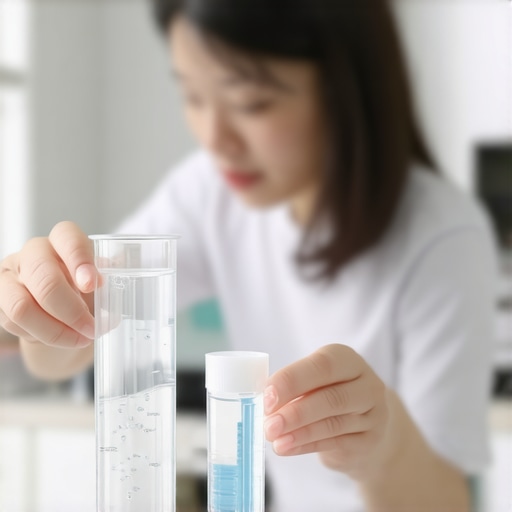
Start by identifying if your home has hard water. Use a water testing kit available at hardware stores or contact your local water supplier for insights. Once confirmed, consider installing a water softener. During my own process, I visited a nearby store and spent an afternoon researching different models. After installing a premium softener, I noticed a tangible difference in my teeth’s response to brushing, with less plaque buildup over the following weeks.
Adjust Your Daily Oral Care Routine
Increase the effectiveness of your brushing by using toothpaste formulated for mineral-rich water environments, which can help in neutralizing some minerals’ effects. Incorporate an enzymatic mouthwash after brushing to break down sticky plaque films. I recall trying a new mouthwash based on recommendations, and within days, my gums appeared healthier, and my teeth felt cleaner even after brushing.
Choose Better Tools
Utilize a high-quality electric toothbrush with pressure sensors to avoid damaging enamel while ensuring thorough cleaning. An electric brush I experimented with had a timer feature, prompting me to spend an extra 30 seconds on each quadrant, which made a noticeable difference in plaque removal. When combined with a water softener, this method became my frontline defense against mineral-related plaque.
Optimize Your Dental Appointments
Regular professional cleanings are crucial. Elect for deep cleaning sessions that target tartar and mineral deposits. Discuss the water quality issue with your dental hygienist; they may recommend specialized cleaning techniques or products. I personally scheduled a cleaning and asked for advice, leading to tailored recommendations that improved my oral health trajectory significantly.
Integrate Supplementary Practices
Incorporate flossing with mineral-specific floss options that can bind with minerals, preventing plaque formation. Consider using remineralizing gels containing calcium phosphate compounds daily, which can rebuild enamel weakened by mineral interactions. I found that adding these gels to my routine reduced tooth sensitivity and enamel wear caused by the hard water minerals.
Long-Term Monitoring and Adjustment
Keep track of changes. Use a mirror regularly and note any shifts in stain formation or plaque buildup. Reassess water treatment options periodically. My own approach involved periodic water testing and adjusting my water softening system, which maintained my oral health and kept plaque at bay.
By systematically addressing water quality, adjusting your daily routine, and seeking professional guidance, you can significantly reduce the adverse effects of hard water on your teeth. Remember, small consistent steps lead to lasting results in maintaining a healthy, bright smile.
 Many people assume that brushing more often or spending extra time on their teeth guarantees better oral health, but this isn’t always true. In fact, overbrushing can lead to enamel erosion and gum recession, making teeth more vulnerable than ever. A widespread misconception is that whitening treatments are an instant fix for stained teeth; however, without addressing underlying issues like enamel health, results can be temporary or even damaging. Additionally, some believe that professional cleanings alone suffice—yet, neglecting daily routines and at-home care can undermine these visits, leading to recurrent problems.
Let’s explore a common trap: the belief that regular flossing alone prevents cavities. While flossing is vital, improper technique or relying solely on floss can give a false sense of security. For optimal results, combining flossing with advanced tools such as interdental brushes or water flossers enhances plaque removal, especially in hard-to-reach areas. It’s also a mistake to think that ‘natural’ remedies, like turmeric or baking soda, substitute for scientifically proven dental products. These can sometimes cause more harm, like abrasive damage or staining.
Curious about how to navigate these pitfalls? Consider adopting a comprehensive approach that balances professional guidance with effective daily habits. Regular check-ups should include discussions about emerging technologies like laser teeth whitening or enamel-strengthening treatments, which offer safer, long-lasting results. For those seeking cosmetic enhancements, understanding the latest innovations—such as layered bonding or modern veneers—can make a significant difference. Dive deeper into cutting-edge options by visiting this guide on cosmetic dentistry advancements.
Another nuance often overlooked is the impact of diet on oral health. Many assume sugar is the sole culprit for decay, but frequent exposure to acidic foods and drinks can erode enamel, causing sensitivity and discoloration. Incorporating mineral-rich foods and practicing pH balancing habits can fortify teeth against these effects. The importance of saliva in neutralizing acids and remineralizing enamel is also underestimated; habits like staying hydrated and avoiding dry-mouth-inducing medications support this natural defense.
Have you ever fallen into this trap? Let me know in the comments. Remember, achieving and maintaining a bright, healthy smile requires knowledge of these nuances—so stay informed and proactive in your dental routine.
Investing in Quality Equipment Pays Off
When it comes to long-term oral health, the tools you choose can make a significant difference. I personally rely on a Philips Sonicare DiamondClean Smart electric toothbrush because of its superior plaque removal capacity and customizable brushing modes that adapt to my specific needs. Its pressure sensors alert me when I’m brushing too hard, preventing enamel damage. Using advanced brushes like this ensures a thorough clean without the risks associated with manual overbrushing, which can erode enamel and cause gum recession.
The Power of Modern Technology in Oral Care
Incorporating state-of-the-art teeth cleaning devices like ultrasonic cleaners or plasma-based plaque removal systems can elevate your routine. I’ve adopted an ultrasonic scaler for at-home use, which gently dislodges tartar and mineral deposits that regular brushing might miss. While professional cleanings are irreplaceable, these tools help maintain results and extend the interval between visits, saving time and money in the long run.
Why You Should Consider Digital Monitoring Tools
Smart dental monitors or app-connected devices are shaping the future of home oral care. They track your brushing patterns, alert you to missed spots, and provide insights into your oral health progress. I recommend the SmartSmile app, which syncs with my electric toothbrush and offers tailored advice, making it easier to stick to a routine and catch issues early. These tools foster a proactive approach, catching potential problems before they escalate.
How do I maintain my tools and software over time?
Regular cleaning of electronic brushes and updating software ensure optimal performance. Replacing brush heads every three months prevents bacterial buildup and maintains cleaning efficiency. Also, scheduling periodic calibration checks for your monitoring devices ensures accuracy in tracking your oral health metrics. I set monthly reminders to replace brush heads and update app software, which keeps my routine effective and reliable.
Looking ahead, I believe that advancements like AI-driven diagnostics and personalized treatment plans will become commonplace, providing even more tailored and effective oral care. Investing in cutting-edge tools now positions you at the forefront of this wave, leading to better results and easier maintenance over the years.
Ready to upgrade your routine? Start by trying the latest electric toothbrush with integrated app connectivity and explore additional tools like plasma plaque removers. Consistent use of high-quality, technologically advanced tools will ensure your smile stays healthy and radiant for decades to come. To learn more about integrating these innovations into your routine, visit this resource on lifelong oral health maintenance.

Reflecting on my journey into oral health, I realize that the most profound lessons came from unexpected sources and personal experiences. One lightbulb moment was recognizing that despite diligent brushing, stubborn plaque persisted—prompting me to investigate beyond traditional routines. This taught me that truly effective oral care demands understanding the hidden factors at play, like water quality and the tools we use daily. Embracing this awareness reshaped my approach, turning routine dental tasks into targeted, strategic actions that preserve my smile long-term.
What Gentle Wisdom Taught Me About Smarter Oral Hygiene Practices
- Consistency Is Key, But Technique Matters More: I learned that brushing twice a day isn’t enough if technique is flawed. Gentle, thorough cleaning with the right tools makes all the difference, especially when hard water minerals challenge enamel health.
- Personalized Care Trumps One-Size-Fits-All Solutions: Each smile is unique. Tailoring routines—like using mineral-specific toothpaste or incorporating remineralizing gels—helped me address my specific needs and avoid one-size-fits-all pitfalls.
- Professional Guidance Complements Daily Habits: Regular dental checkups, combined with honest conversations about water quality and lifestyle, provided insights I couldn’t achieve at home alone, reinforcing the importance of holistic dental health.
- Technology Is Your Ally in Maintaining Long-Term Health: From smart toothbrushes to app-based progress tracking, embracing innovative tools empowered me to stay committed and aware of subtle changes that matter over time.
- Water Quality Can Impact Your Entire Routine: Discovering the influence of hard water was a game-changer. Addressing it with softeners and targeted products transformed my routine, reducing plaque and enamel wear significantly.
Tools and Resources That Helped Shape My Approach
- Cutting-Edge Cosmetic Dentistry Innovations: Staying informed about new cosmetic options motivated me to maintain a radiant smile with confidence.
- Expert Tips on Lifelong Oral Care: Trusted guidance has been invaluable in navigating routine and complex dental issues alike.
- Building Confidence Through Cosmetic Improvements: Understanding treatment options helped me set realistic goals and appreciate the transformative power of modern dentistry.
- Teeth Cleaning Secrets for a Radiant Smile: Efficient, deep-clean techniques ensure my smile stays bright and healthy without unnecessary discomfort or expense.
Take Action Now for a Future Where You Shine Bright
Your smile reflects your confidence and health—investing in understanding these lesser-known factors will pay dividends for years to come. Small, deliberate changes today can save you from costly treatments tomorrow, while also boosting your overall well-being. Remember, the journey to a lasting, healthy smile is ongoing, but with awareness and the right tools, you can take control and celebrate your best smile every day.
What simple adjustment have you considered making in your daily routine to improve your oral health? Share your thoughts or questions below—I’d love to hear your story.