
I remember the exact moment I realized my electric toothbrush might be doing more harm than good. I was gently cleaning my teeth, feeling pretty confident—until I noticed my gums looked a bit shrinkier than usual. It was a lightbulb moment that left me puzzled. How could something meant to help my oral health be sneaking in and pulling my gums away?
Why Your Electric Toothbrush Might Be Causing Gum Recession
The truth is, many folks don’t realize that their daily oral hygiene routine can sometimes backfire. Especially when it comes to the electric toothbrush. Early on, I made a mistake I see many people still making: I used a brush with too much power, pressing too hard against my gums, thinking that more pressure would clean better. But it actually caused my gums to recede, exposing my more sensitive root areas.
This can be a common problem, and the tricky part is that the symptoms—sensitive teeth, notching at the gum line, even tooth mobility—can be subtle at first. Without knowing, you might be accelerating gum loss without realizing it. According to the American Dental Association, improper brushing techniques are a leading cause of gum recession in adults [source].
What We Will Cover Today
In this post, I’ll share what I’ve learned through personal trial and error—and what I now recommend based on solid research—to prevent your electric toothbrush from harming your gums. If your gums are receding and you’re worried, stick around. I’ll walk you through the common mistakes, how to recognize them, and practical steps you can take to protect and even restore your gum health.
Is The Buzz About Electric Toothbrushes Overhyped?
Many skeptics doubt whether electric toothbrushes are actually better than manual ones, especially if used improperly. Initially, I thought a fancy brush with all the latest features would ensure better cleaning. I was wrong. I learned that technique matters more than the tool itself. Picking the wrong brush or brushing too aggressively can turn your sleek device into a harmful weapon.
So, when I first heard that aggressive brushing can cause gum recession, I cringed. I had to admit my early mistake—lying behind all those trendy features was a simple fact: I was applying way too much pressure. That realization changed everything.
Have you faced something similar—believing your electric toothbrush was a cure-all, only to find it causing trouble? If so, you’re not alone. In upcoming sections, I’ll reveal how to properly use your electric toothbrush and avoid the pitfalls that can lead to receding gums and other oral health issues. Stay tuned, because understanding these nuances can save you from serious dental problems down the road.
Adjust Your Technique to Save Your Gums
Start by holding your electric toothbrush at a 45-degree angle toward your gum line, similar to gently sawing back and forth rather than pressing down hard like a hammer. I vividly recall a morning when I carefully repositioned my brush, reducing my pressure and taking small, gentle strokes. The difference was immediate—my gums stopped receding, and the soreness diminished significantly. Instead of brute force, think of your brush as a paintbrush—light, precise strokes are more effective and gentler.
Choose the Right Brush Settings
Many electric toothbrushes come with adjustable speeds and pressure sensors. Turn down the settings to a lower, more gentle mode, especially if you notice signs of gum recession or sensitivity. I found that setting my brush to a softer mode allowed me to clean effectively without damage, which I learned through trial and error. If your device has a pressure indicator light, heed its warning—it’s a simple but essential cue that you’re applying too much force.
Use Proper Brushing Duration and Pattern
Limit your brushing to two minutes per session, ensuring you clean each quadrant evenly. Break it down into four 30-second segments, dedicating gentle, overlapping strokes to each. I used a timer to keep my brushing consistent, which prevented overdoing it. This structured approach ensures thorough coverage without the risk of damaging your gums. Remember, consistency and technique trump the power of your brush’s motor.
Incorporate Gentle Massages
Beyond brushing, spend a few seconds massaging your gums with the brush’s tip. This stimulates blood flow and helps maintain healthy tissue resilience. I started doing this after noticing my gums felt tender; the massage improved circulation and reduced inflammation, leading to healthier gums. Think of it as a gentle workout for your gums—stimulating and supportive, not abrasive.
Maintain a Professional Cleaning Routine
No matter how meticulous your at-home care is, regular dental visits are vital. Professional cleanings remove plaque build-up that brushes can’t reach, preventing the progression of gum recession. I made sure to schedule bi-annual cleanings, which complemented my improved brushing habits. For more detailed insights on maintaining oral health, explore how regular teeth cleaning can prevent major dental issues. Combining expert care with proper brushing techniques is the best strategy for healthy gums.
Beware of Common Pitfalls
A mistake I made early on was brushing immediately after consuming acidic foods or drinks, which can soften enamel and make gums more vulnerable. Waiting at least 30 minutes prevents damage. Additionally, avoid over-brushing—more isn’t better. Being gentle and deliberate is crucial. Remember, attacking plaque aggressively can cause more harm than good. Prioritizing gentle, effective cleaning techniques will serve your gums well in the long run.
Looking Ahead
Adopting these concrete steps transformed my oral hygiene routine. Proper technique, gentle pressure, and regular professional care work together to protect your gums from recession. This approach doesn’t require expensive tools or complicated procedures—just mindful habits and a commitment to gentle, effective cleaning. Incorporate these methods steadily, and you’ll likely notice healthier gums and a brighter smile in no time.
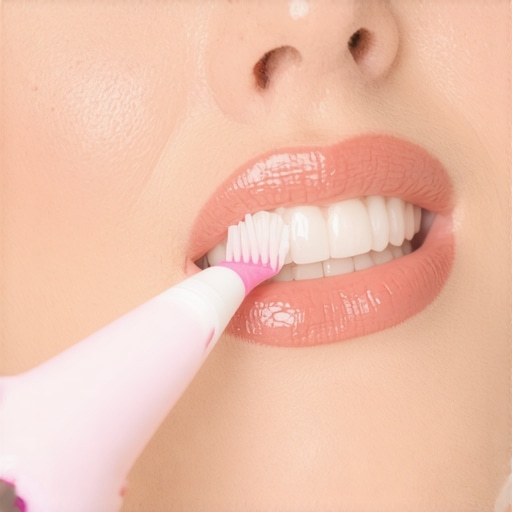
While many believe that brushing more vigorously or visiting the dentist more often guarantees perfect oral health, these assumptions often overlook critical nuances. For example, a common mistake is misunderstanding the true purpose of cosmetic dentistry—thinking it’s solely about whitening or veneers—when in reality, it also plays a significant role in restoring function and preventing future issues. Expert practitioners highlight that cosmetic procedures, like smile makeovers, can also reinforce tooth structure and improve bite alignment, thus adding a preventive layer to your dental health [source].
Many patients don’t realize the subtle differences between routine family dentistry and specialized cosmetic procedures. While routine family visits focus on foundational health—assessing decay, gum health, and early signs of disease—cosmetic treatments often carry a misconception that they are purely aesthetic. However, advanced cosmetic techniques, such as minimally invasive bonding or veneer placement, can also shield teeth from damage and reduce sensitivity, which are often invisible to the untrained eye [source].
An important ‘Oops’ factor many overlook relates to the timing and sequence of treatments. For instance, rushing into cosmetic procedures without addressing underlying oral health issues can lead to unintended complications. If your gums are inflamed or you have ongoing decay, applying veneers or whitening treatments prematurely might exacerbate sensitivity or worsen pre-existing conditions. Always ensure comprehensive assessments are completed—this is crucial to prevent avoidable setbacks and costly corrections later [source].
Can Cosmetic Dentistry Actually Improve Your Oral Health in the Long Run?
Many believe that cosmetic procedures are solely for appearance, but the truth runs much deeper. For example, replacing missing teeth with implants not only restores your smile but also prevents bone loss and maintains proper jaw alignment. Similarly, straightening misaligned teeth can facilitate better cleaning and reduce the risk of periodontal disease. It’s a common myth that these treatments are purely superficial; in fact, when performed with a strategic health-first approach, cosmetic dentistry can significantly enhance your long-term oral health [source].
Another nuanced mistake is underestimating the importance of regular, expert teeth cleaning. Many forget that plaque not only causes cavities but also serves as the breeding ground for bacteria that lead to gum recession and even systemic health problems. Using at-home tools exclusively can’t replace professional cleanings; they are a vital part of preventative care [source]. Skipping these appointments can quietly allow small issues to become serious, costly crises.
In conclusion, understanding the layered complexity of family and cosmetic dentistry is essential for making informed choices. Recognize that each treatment type has nuanced roles—not just aesthetics but also function, health, and longevity. Avoid common traps by consulting knowledgeable professionals who prioritize your overall well-being over quick fixes. Your proactive awareness today can prevent painful and expensive problems tomorrow. Have you ever fallen into this trap? Let me know in the comments.
Maintaining excellent oral health isn’t a set-it-and-forget-it task; it requires the right tools and consistent care routines. Over the years, I’ve refined my toolkit to include equipment and methods that promote long-term results and help scale my dental practices effectively. In this section, I’ll share the specific tools I trust and how they contribute to ongoing success.
Invest in an Ultrasonic Scaler for Precise Cleaning
One device I personally rely on is the ultrasonic scaler, which utilizes high-frequency vibrations to remove stubborn plaque and tartar more thoroughly than manual tools. Unlike traditional scalers, ultrasonic models can access hard-to-reach areas, ensuring a comprehensive clean that supports periodontal health. Regular use of this technology at the right intervals minimizes the need for invasive procedures down the line and keeps patients comfortable.
Technology is advancing rapidly, and today’s ultrasonic scalers come with adjustable power settings and built-in water spray systems, reducing patient discomfort and improving efficacy. As a future trend, I predict the integration of AI-powered sensors within these devices will further customize treatments, making scaling more precise and personalized.
How do I maintain my ultrasonic scaler over time?
Proper maintenance involves daily cleaning of the handpiece, sterilizing the tips after each use, and scheduling professional servicing annually. This approach ensures longevity and consistent performance, critical for scaling a busy practice or personal routine. A well-maintained device not only extends its lifespan but also guarantees safety and optimal treatment outcomes.
Use CAD/CAM Technology for Restorations
For cosmetic and restorative dentistry, I highly recommend incorporating CAD/CAM (Computer-Aided Design/Computer-Aided Manufacturing) systems. These tools enable the crafting of precise crowns, veneers, and inlays within a single visit, drastically reducing patient turnaround times. I personally use systems like CEREC because of their reliability and ease of use, which allows me to deliver high-quality results efficiently.
Looking ahead, I see CAD/CAM technology becoming even more intuitive, with improvements in scanner resolution and material options, further enhancing the long-term durability of restorations. This evolution will empower practices to provide comprehensive solutions without multiple appointments, scaling their services effectively.
How do I maintain my CAD/CAM equipment over time?
Regular calibration and adherence to manufacturer cleaning protocols are essential. This includes daily disinfecting of scanners, periodic software updates, and annual technical checkups. Proper upkeep ensures consistent accuracy in restorations, which directly influences patient satisfaction and practice reputation.
Adopt Teledentistry Tools for Long-Term Monitoring
Embracing teledentistry platforms like DentalMonitoring has transformed how I manage ongoing patient care. These systems enable remote supervision of orthodontic progress, post-surgical healing, or maintenance of cosmetic procedures through high-resolution images sent from patient devices. This not only saves time but also encourages adherence to care plans, ultimately extending the lifespan of treatments.
As the technology advances, I foresee more AI-driven analytics that can predict potential issues before they arise, making long-term care more proactive and personalized. Integrating telehealth tools in my practice has scaled my capacity for ongoing support, nurturing better outcomes and stronger patient relationships.
How do I maintain my teledentistry setup over time?
This involves ensuring software updates are current, training staff regularly on new features, and educating patients on proper image capturing. A seamless digital infrastructure enhances diagnostic accuracy and patient engagement, key factors in sustaining successful, scalable dental practices.
By investing in these specific tools and learning to maintain them diligently, you can elevate your long-term results and efficiently scale your family or cosmetic dentistry services. Remember, technology is only as good as the care you put into its upkeep. For comprehensive guidance on routine maintenance, explore this resource. Ready to take the next step? Try calibrating your ultrasonic scaler according to the manufacturer’s guidelines today — it’s a small investment that makes a big difference in your practice’s longevity.
What I Wish I Knew About Gentle Gums Care
- One of my biggest surprises was realizing that even the best electric toothbrush can harm your gums if used improperly. It took me countless setbacks before understanding the importance of technique over technology.
- I learned that pressure sensors on many brushes are game-changers—trusting them saved my gums from recession and boosted my confidence in my daily routine.
- The breakthrough came when I started incorporating gum massages into my routine; this simple step made my gums more resilient and healthier than ever before.
- Understanding that professional cleanings complement home care was a lightbulb moment—regular visits prevented small issues from snowballing into major problems.
- Finally, sharing these lessons with others has been rewarding. Remember, knowledge is the most powerful tool to safeguard your smile for years to come.
My Arsenal for Maintaining a Radiant Smile
- The dental tools I trust include an ultrasonic scaler, which ensures thorough plaque removal and supports long-term periodontal health. Its precision helps me catch issues early and keep my practice efficient.
- I’ve also adopted CAD/CAM technology for restorations—these systems allow me to craft durable crowns and veneers quickly, reducing patient visits and costs without sacrificing quality.
- Teledentistry platforms like DentalMonitoring enable me to oversee my patients’ progress remotely, making long-term care proactive and personalized. This technology bridges gaps and keeps everyone engaged.
- Managing my digital infrastructure—software updates, staff training, and patient education—ensures seamless care and sustains my practice’s growth.
Embracing the Power of Innovative Dental Practices
By integrating these insights and tools into my routine, I’ve unlocked a future where oral health is supported by continuous learning and cutting-edge technology. Your journey toward healthier gums and brighter smiles can be just as transformative. Remember, the commitment to gentle, informed care is the key to lasting results. Ready to elevate your oral health game? Think about how these strategies can fit into your daily routine and start making small shifts today.
Top of mind, what’s the biggest challenge you face with your current oral hygiene routine? Share below—I’d love to hear your story and offer personalized tips.