
Picture this: you wake up, stretch, and take a deep, refreshing breath of cool morning air. Instantly, a sharp, lightning-bolt pain shoots straight through your front teeth. It stops you cold. You clutch your jaw, wondering if a tooth is about to split in half. I used to face this exact wake-up call every autumn. For months, I tried to ignore it, telling myself my mouth was just sensitive to the season. I even skipped my routine teeth cleaning because I was terrified the cold water scaler would make me jump out of the chair. That avoidance was my first major mistake, and it only made the morning agonizingly worse. Today, we are going to get to the bottom of why those chilly morning drafts feel like needles and how you can reclaim your pain-free mornings.
The Chilly Morning Shock Your Mouth Is Trying to Explain
It turns out our teeth are not completely solid rocks. They are filled with microscopic pathways called dentin tubules. When your protective outer enamel wears thin, or your gums recede even a millimeter, these pathways lie exposed to the elements. According to research published by the National Institutes of Health, fluid inside these tiny tubules moves rapidly when exposed to sudden temperature changes, which instantly triggers the nerve inside your tooth. In the morning, your mouth is often drier from breathing through your nose or mouth all night, leaving your teeth even more vulnerable to temperature shock. I learned the hard way that ignoring this early warning sign can lead to deeper structural issues. Addressing the root cause early is always much easier than dealing with a sudden, painful emergency later on.
Is This Morning Pain Actually Worth Worried About? Or Will It Just Pass?
You might be tempted to just breathe through your scarf and hope the sensitivity disappears when spring arrives. But let me tell you from personal experience: hoping it goes away is a losing game. Morning cold sensitivity is rarely a temporary fluke; it is usually a loud distress signal pointing to enamel erosion, gum recession, or even microscopic fractures. If you are also noticing that your teeth feel sensitive after a professional cleaning or when drinking your morning brew, check out my thoughts on why your teeth feel more sensitive after a professional cleaning to understand how exposed root surfaces behave. Have you ever had to hold your breath while stepping outside in the morning just to shield your teeth? Let me know in the comments below, because you definitely are not the only one dealing with this annoying morning freeze.
How to Stop the Cold Morning Freeze in Your Teeth
Dealing with morning dental sensitivity requires a systematic approach that targets both the physical triggers and the underlying structural vulnerabilities. Think of your enamel as the outer insulation of a house; when that insulation is thin, the cold draft penetrates the inner walls instantly. To stop this daily shock, we need to rebuild that protective barrier and change how your mouth interacts with the elements. I remember a time when I tried to brute-force my way through a freezing October morning by just clenching my teeth together. The result? A jaw spasm that lasted all afternoon and a microscopic fracture in my left bicusprit. Here is the step-by-step strategy to insulate your teeth and protect your oral health.
Switch to a Specialized Remineralizing Toothpaste
The quickest way to patch those microscopic exposed pathways in your dentin is to change your daily toothpaste. Look for formulas containing potassium nitrate or nano-hydroxyapatite. Potassium nitrate acts like a gentle shield, calming the nerve pathways so they do not overreact to sudden changes in temperature. Nano-hydroxyapatite actually mimics your natural enamel chemistry, helping to plug up those open dentin tubules over time. When you brush, do not rinse your mouth out with water immediately afterward. Instead, spit out the excess paste and let the remaining active ingredients sit on your teeth to maximize absorption.
Adjust Your Morning Breathing Habits
How you breathe when you first step outside plays a massive role in temperature shock. Sucking in cold air directly through your mouth is like pouring ice water directly onto an exposed nerve. Practice inhaling deeply through your nose, which naturally warms and humidifies the air before it reaches the back of your throat. If you must breathe through your mouth, press your tongue gently against the back of your front teeth to act as a physical deflector for the chilly draft.
Protect Your Smile from Nighttime Clenching
Many people unknowingly grind or clench their teeth during the night, especially when it is cold and they tend to curl up tightly. This micro-trauma stresses the tooth structure and wears down enamel at the gumline. To prevent this nocturnal damage, wearing a custom-made mouthguard is highly effective. If you are currently using a dirty or neglected appliance, you should learn how to clean a nightguard so it doesn’t smell like old socks to keep your oral hygiene in top shape while protecting your enamel. 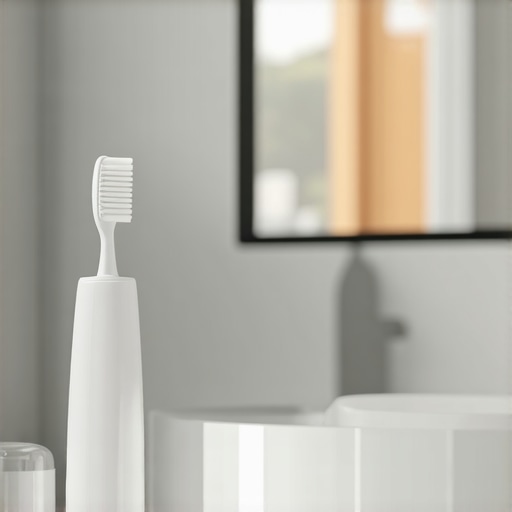
Commit to Routine Dental Inspections
No amount of desensitizing toothpaste can fix a deeply cracked tooth or severe gum recession. Regular visits to a family dentistry practice ensure that minor enamel wear is caught before it turns into an agonizing nerve issue. If your teeth are healthy but you still experience discomfort, asking about professional desensitizing varnishes during your routine visit is a game-changer. These varnishes are applied directly to the sensitive areas, sealing the tubules for months at a time. Taking these proactive steps is essential to maintaining oral health expert advice for a lifetime of healthy teeth.
The Enamel Mineral Myth That Might Be Ruining Your Smile
Most people believe that once sensitive dentin pathways are exposed, the only solution is to coat them with desensitizing chemicals forever. However, this common assumption ignores how dynamic your saliva and enamel chemistry actually are. While standard products soothe the nerve, they do not address the true biochemical reason your teeth are losing their mineral structure in the first place. This is where advanced family dentistry and targeted therapy diverge from simple over-the-counter quick fixes.
Many patients believe that brushing harder with whitening paste will clean away the microscopic debris causing issues, but this actually accelerates enamel loss. If you want to dive deeper into how proper, professional care works without the damage, check out my guide on the ultimate guide to teeth cleaning techniques and benefits. Rebuilding your tooth’s defense system requires understanding how pH balance and mineral density work together, not just scrubbing harder.
Why Does Your Sensitivity Spikes Even When You Brush and Floss Perfectly?
It is incredibly frustrating to deal with sharp morning pain when you have an impeccable oral hygiene routine. The hidden nuance lies in the microscopic flexure of your teeth. When you clench your jaw during sleep, the force causes the necks of your teeth to bend slightly near the gumline. This mechanical stress pops microscopic pieces of enamel off, a process known as abfraction. No amount of flossing can prevent this mechanical wear. In fact, a study published by the International Journal of Dentistry highlights that occlusal forces and tooth micro-flexure are major contributors to non-carious cervical lesions, which directly cause severe cold sensitivity.
If you are also considering aesthetic treatments to restore these worn areas, you must be careful. Standard cosmetic solutions might hide the problem without fixing the bite alignment, leading to failed restorations. For a modern perspective on how these treatments should be integrated safely, read more about cosmetic dentistry innovations you can’t miss this year to see how advanced practitioners protect structural integrity while improving your smile.
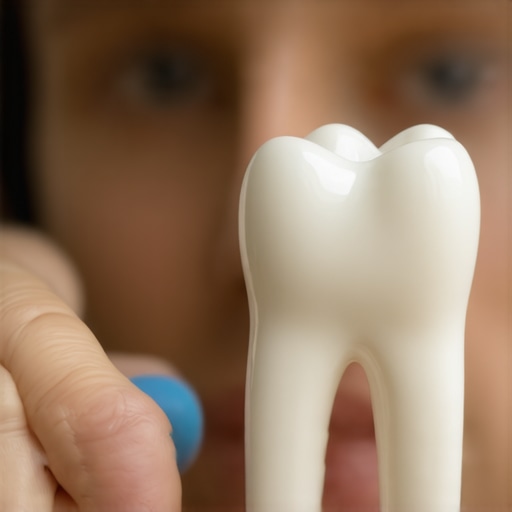
Have you ever fallen into this trap of over-brushing to cure sensitivity, only to make the pain worse? Let me know in the comments below. If you want to protect your family’s smiles from these hidden pitfalls, establishing a foundation of comprehensive care is key. I highly recommend reading up on family dentistry building a foundation of healthy smiles for all ages to ensure you are taking the right preventative steps before the autumn chill sets in.
My Personal Toolkit for Keeping Enamel Strong and Pain-Free
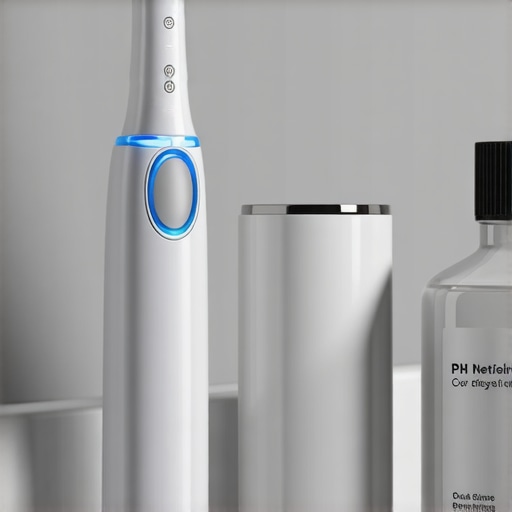
Over the years, I have tested almost every gadget and method on the market to stop cold weather sensitivity from returning. What I learned is that success does not come from buying the most expensive gear, but from choosing tools that physically protect your enamel from daily micro-wear. Personally, my daily routine relies on three non-negotiable items. First, I use a sonic toothbrush with a built-in pressure sensor. I specifically rely on the pressure indicator to flash whenever I press too hard because, like many people, my natural tendency is to scrub. Controlling this mechanical force is a fundamental principle of preventive tips for long-lasting dental health for families.
Second, I completely abandoned traditional alcohol-based mouthwashes. Instead, I use a pH-neutralizing pre-rinse before brushing. This simple liquid helps restore your mouth’s natural chemical balance, ensuring your saliva can naturally remineralize your teeth. Finally, I highly recommend using a dedicated interdental brush coated in sensitive toothpaste for the hard-to-reach areas between your molars. This delivers active minerals directly to the hidden roots where gum recession often starts.
How Can I Maintain This High-Level Oral Defense Over Time?
Consistency is key, but you also need to know how to monitor your progress. I recommend performing a simple “cold water test” at home once a month. Take a sip of cool (not freezing) water and note exactly which teeth feel a sensation and how quickly that sensation fades. If you notice the recovery time taking longer than a few seconds, it is an early sign that your protective enamel barrier is wearing down again. This is your cue to schedule a professional evaluation before the issue escalates. If you are worried about the financial side of regular maintenance, you should read about how regular dental cleanings can save you money in the long-run to see how preventative care protects both your smile and your wallet.
Where the Future of Sensitive Tooth Care Is Heading
The dental industry is moving far beyond basic desensitizing pastes. The future of treating sensitive dentin lies in bio-active glass and smart mineral sealants. Research from organizations like the Dentistry Journal UK indicates that we are close to seeing professional-grade varnishes that can permanently fuse to exposed root surfaces, effectively rebuilding lost enamel in a single clinical visit. Until those innovations become mainstream, the best defense is a proactive offense. Make a commitment today to try just one advanced habit we discussed: switch your breathing to your nose when stepping into the cold morning air, or stop rinsing immediately after you brush to let that remineralizing toothpaste do its job.
We have all been there: stepping outside into a crisp morning only to feel that sudden, agonizing flash of pain across our front teeth. Understanding how to protect your smile from these seasonal temperature shifts is the key to enjoying your mornings again without fear of the cold.
The Hardest Lessons I Learned About Managing Tooth Sensitivity
For years, I made critical mistakes that actually accelerated my morning dental pain. Here is the insider wisdom I wish I had known much sooner:
- Brushing harder does not mean brushing cleaner: When I felt sensitivity, my instinct was to scrub harder to clear away imaginary debris. In reality, this aggressive brushing stripped my enamel and exposed the vulnerable dentin pathways underneath, making the morning freeze even worse.
- Ignoring the issue will not make it go away: Waiting for spring to arrive is not a treatment plan. Sensitivity is an active distress signal from your mouth that requires structural reinforcement.
- Nighttime clenching is a silent enamel killer: I never realized that clenching my jaw during cold nights was micro-fracturing my teeth. Wearing a protective guard is just as important as using the right toothpaste.
My Personal Toolkit for Defeating the Morning Chill
You do not need an array of expensive gadgets to protect your smile, but you do need highly targeted tools. Here is what I personally use and recommend to keep sensitivity at bay:
- A Sonic Toothbrush with a Pressure Sensor: This is crucial because it physically prevents you from scrubbing away your protective enamel. If you are looking to refine your technique, explore the ultimate guide to teeth cleaning techniques and benefits to see why gentle pressure is superior.
- pH-Neutralizing Pre-Rinse: Unlike harsh, alcohol-based mouthwashes that dry out your oral tissues, a pH-neutralizing rinse prepares your saliva to naturally remineralize your enamel.
- Custom-Fit Nightguard: To stop the mechanical stress of nighttime clenching, a custom guard is essential. Just make sure you learn how to clean a nightguard so it doesn’t smell like old socks to keep your appliance fresh and hygienic.
- Remineralizing Toothpaste with Nano-Hydroxyapatite: This paste physically plugs the exposed microscopic tubules in your teeth, creating a permanent shield against cold drafts.
Take Control of Your Oral Health Before the Next Cold Snap
You do not have to live with the daily dread of stepping outside into the cool morning air. By adjusting your breathing habits, choosing the right protective tools, and partnering with dental professionals, you can insulate your smile against any climate. Taking these small, proactive steps is the ultimate secret to maintaining oral health expert advice for a lifetime of healthy teeth. Do not wait for the next winter freeze to test your limits—start rebuilding your enamel barrier today.
Have you ever had to hold your breath or cover your mouth with a scarf just to walk to your car in the morning? Let me know in the comments below!