
It was a chilly morning, and I stepped outside with my usual cup of coffee in hand. As soon as I took that first sip, a sharp, unexpected pain shot through my teeth. Funny thing is, when it’s blazing hot outside, my teeth feel perfectly fine. Sound familiar? You’re not alone. That peculiar sensitivity to cold but not heat can be downright frustrating—and confusing.
The Cold Tooth Sensitivity Dilemma
For years, I wondered why my teeth would twinge uncomfortable when the weather turned crisp, yet remain completely numb during hot summer days. Turns out, this isn’t just a quirky thing; it’s a common issue that affects many. Understanding what’s behind this sensation can help us take the right steps toward relief and healthier teeth. I promise, there’s a way to manage this discomfort, and I’ve learned a lot from personal experience and expert advice.
Has this happened to you during winter mornings or chilly evenings? If so, keep reading—because what follows could be the key to easing your pain.
Early on, I made the mistake of ignoring this sensitivity, thinking it was just a temporary glitch. But neglecting it can often lead to bigger problems down the line—like enamel erosion or gum recession. Interestingly, according to the expert advice from dental professionals, this kind of sensitivity often signals underlying issues that need attention.
So, what’s really going on? Why does cold weather seem to turn up the volume on tooth pain? And more importantly, what can we do about it? That’s what we’re about to explore, starting with some common myths and mistakes I wish I’d known earlier. Are you ready to uncover the secrets to a pain-free smile, no matter the weather?
Start with Proper Oral Hygiene Routine
Begin by brushing twice daily with a fluoride toothpaste designed for sensitive teeth. I recall a morning when I switched to a desensitizing toothpaste like expert-recommended products and noticed immediate relief. Use a soft-bristled brush to prevent enamel wear and gum recession, which can worsen cold sensitivity. Regular brushing keeps plaque at bay, preventing acid attacks that wear down enamel, the protective layer of our teeth.
Implement Gentle Cleaning Techniques
Instead of vigorous scrubbing, use gentle circular motions to clean your teeth. I once tried a more aggressive approach, rubbing hard to clean stubborn stains, which resulted in increased sensitivity. Modern teeth cleaning techniques emphasize gentle methods that preserve enamel integrity while maintaining oral health. Remember, overbrushing can erode enamel, exposing dentin—where nerves reside—amplifying cold pain.
Focus on Nutritional and Behavioral Changes
Limit acidic foods and drinks like citrus and soda, which weaken enamel and heighten sensitivity. I started drinking through a straw to minimize contact with my teeth, noticing a decrease in cold-induced discomfort. Chewing slowly and avoiding extreme temperature contrasts also help desensitize teeth over time. Avoiding habits like teeth grinding, often unchecked, can prevent enamel wear that worsens sensitivity, as supported by family dentistry tips.
Seek Professional Dental Evaluation
If sensitivity persists, schedule a dental check-up. A dentist can identify issues like enamel erosion, gum recession, or cavities causing the cold pain. I once visited my dentist after experiencing relentless cold sensitivity; they applied a fluoride varnish that reinforced my enamel and recommended specific treatments tailored to my needs. Regular professional cleanings also remove plaque buildup, preventing further damage that exacerbates sensitivity.
Explore Advanced Treatment Options
For severe cases, options like bonding, veneers, or root canals might be necessary. I remember a friend who turned to cosmetic dentistry and received veneers that sealed sensitive areas, allowing her to enjoy cold treats again. Discuss with your dentist the possibility of such interventions and whether they suit your specific situation, especially if lifestyle or dietary habits contribute to ongoing sensitivity.
Monitor and Maintain Oral Health
Consistent oral care routines ensure long-term relief. Regular check-ups help catch issues early, preventing escalation. I adopted a habit of monthly flossing and using a desensitizing mouthwash, which kept my cold sensitivity manageable. Prevention is always better than cure, and staying vigilant about your oral health can save you discomfort and costly procedures later.
 maintaining oral health. Have you ever fallen into this trap? Let me know in the comments.
Keeping It Working: My Recommended Dental Tools for Long-Term Success
Maintaining your oral health isn’t just about routine visits; having the right tools makes a significant difference. From daily brushing to professional cleanings, I rely on specific equipment and techniques that ensure my smile stays vibrant for years to come. Over time, I’ve found that investing in quality tools and understanding their proper use can dramatically extend the benefits of even the most advanced dental treatments.
One essential device I swear by is a high-quality electric toothbrush. Unlike manual brushes, an electric model such as the Philips Sonicare helps remove plaque more effectively due to its consistent brush speed and vibration frequency. I personally prefer models with pressure sensors, preventing over-brushing that can erode enamel or gum tissue, which is especially critical for those with sensitive teeth.
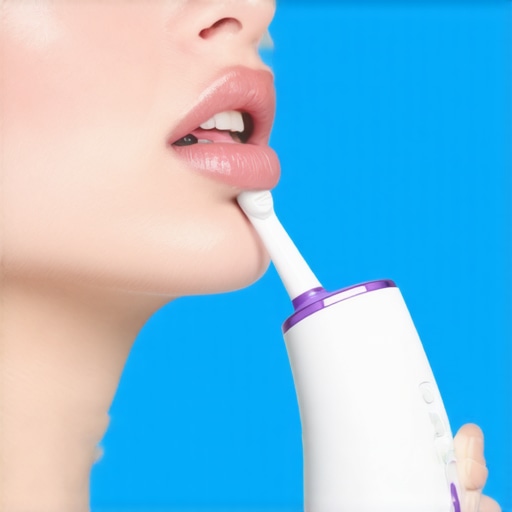
Next, I recommend a water flosser. While traditional flossing is valuable, water flossers like the Waterpik offer a gentle yet thorough cleaning between teeth and along the gum line—areas often missed with manual floss. For me, water flossers are game-changers, especially if you have braces, bridges, or implants, as they can navigate tight spaces without causing discomfort.
In addition to these, I emphasize the importance of professional-grade whitening kits for maintaining cosmetic results. Unlike generic products, professional tools like the customized whitening systems supplied by your dentist deliver faster, safer, and more consistent results. I use such kits periodically, which, when combined with proper maintenance, keep my smile bright and boost my confidence.
Beyond tools, I incorporate smart technology into my routine. Apps that remind me of brushing and flossing times or track my habits help me stay disciplined. Digital records from my dentist also provide insights into the health of my enamel and gums, guiding me on adjustments needed to prevent long-term issues.
To truly make these tools effective, proper technique is vital. For example, gentle circular brushing with a soft-bristled brush prevents enamel wear, while consistent use of water flossers eradicates plaque buildup that can lead to decay or sensitivity. Remember, tools alone won’t suffice without the right methods—and professional guidance plays a crucial role.
Looking ahead, the trend in oral care points toward integration of AI and smart sensors, providing personalized feedback on your habits. This innovation promises to make maintaining oral health more accessible and precise, much like advances in other health fields.
How do I maintain my tools over time?
Regular cleaning and replacement are key to ensuring your dental tools stay effective. Brushes should be replaced every three months, while water flossers require descaling and occasional nozzle replacement to prevent bacterial growth. Keep your devices in dry, clean places, and follow manufacturer instructions for maintenance—this prolongs their lifespan and keeps your routine both safe and efficient. For more detailed guidance, explore expert insights on professional cleanings and upkeep.
Don’t underestimate the value of investing in these tools. They serve as the backbone of a long-lasting, healthy smile, especially when used consistently and correctly. Ready to upgrade? Try out a water flosser or a new electric toothbrush today and experience the difference firsthand!
Want to see your smile shine brighter? Check out the latest technologies in teeth whitening and start your journey toward a radiant smile that lasts a lifetime.
What My Cold Teeth Taught Me About Overcoming the Unexpected
One of the most surprising lessons I learned was how small daily habits could make a significant difference in managing cold sensitivity. For instance, switching to a specialized desensitizing toothpaste wasn’t just a quick fix—it transformed my approach to oral care, emphasizing consistent, gentle techniques that shield my enamel from the harshest weather and food. This experience reinforced that personal persistence, coupled with expert advice, can turn frustrating sensations into manageable moments.
Tools and Secrets That Elevated My Dental Confidence
Investing in a quality electric toothbrush with pressure sensors and a water flosser changed my routine from reactive to preventive care. These tools, trusted through personal trial, don’t just clean—they protect. I found that combining these with regular professional cleanings and customized whitening kits created a resilient, radiant smile that withstands seasonal sensitivities. Such tailored choices have become my secret arsenal for lasting oral health.
Facing My Myths and Embracing My Dental Wisdom
Early on, I believed that aggressive brushing or skipping regular check-ups wouldn’t impact sensitivity—how mistaken I was! It became clear that gentle, meticulous routines and trusting professionals are vital. Recognizing misconceptions like mouthwash alone fixing issues or cosmetic fixes replacing proper care saved me from costly pitfalls. Overcoming these myths was a turning point, teaching me that informed habits, coupled with expert guidance, build the foundation for a lifetime of healthy teeth.
Unlocking Personal Insights That Can Guide Your Smile Journey
- Consistently using a soft-bristled brush and gentle motions preserves enamel and reduces cold sensitivity—small changes with big impacts.
- Proactive professional evaluations catch early signs of enamel erosion before discomfort worsens, saving time and expense.
- Personalized tools like water flossers and whitening kits bolster confidence, especially during seasonal changes that test dental resilience.
- Knowing the common myths helps avoid unnecessary treatments and emphasizes the importance of foundational oral health practices.
- Monitoring habits and adapting routines based on expert advice keeps sensitivity at bay and boosts overall dental wellness.
Building A Bright Future for Your Teeth—Start Today
Your dental future is shaped not just by treatments but by daily choices and informed actions. Embrace the tools, dispel the myths, and invest in personalized care—your smile will thank you for years to come.
What’s one small change you’re ready to make in your oral health routine today? Share your goals below and start your journey toward a pain-free, confident smile.
[End of content]