
I vividly remember the first time I sat down after my veneer procedure and took a sip of ice-cold water. Almost immediately, a sharp pulse shot through my teeth, making me wince. That uncomfortable sensation was a wake-up call—something I hadn’t anticipated. It was as if my teeth had become overly sensitive overnight, turning every cold drink into a mini torture session. If you’ve recently gotten veneers and are startled by similar cold sensitivity, you’re not alone. Many people experience this, and understanding why is the first step toward relief.
Tackling Cold Sensitivity After Veneers
In this post, I promise to share practical insights drawn from personal experience and trusted dental sources. We’ll explore common causes behind this sensitivity and, more importantly, effective solutions to get you back to enjoying your favorite cold beverages without discomfort. Whether you’re overwhelmed or just curious, my aim is to guide you gently through this common yet frustrating problem.
Is Sensitivity Something to Worry About or Just a Phase?
Early on, I made the mistake of dismissing my sensitivity as temporary. Turns out, ignoring it can sometimes lead to more issues. According to dental experts, cold sensitivity can stem from various factors such as nerve irritation or minor enamel damage, which may occur during veneer placement if not handled carefully. To build trust, I want to share my experience—initially, I thought a little sensitivity was normal, but it persisted beyond a few days. Consulting with my dentist revealed that appropriate measures, like desensitizing toothpaste and specific dental treatments, could make a big difference. For a deeper dive into misconceptions about oral health, check out this post on oral health myths.
Choosing the Right Toothpaste
Start with a desensitizing toothpaste containing potassium nitrate or stannous fluoride. I vividly remember my first attempt—applying a small dab on my fingertip and gently brushing it onto my teeth. After a week of consistent use, I noticed a marked decrease in discomfort when sipping cold water. Be sure to leave the paste on your teeth for a few minutes before rinsing for optimal results.
Adjust Your Brushing Technique
Instead of aggressive scrubbing, opt for gentle, circular motions using a soft-bristled toothbrush. I once used a regular toothbrush with vigor, which worsened my sensitivity. Switching to a soft brush and light pressure helped protect my enamel and reduced nerve irritation. Think of it as cleaning a delicate painting—you don’t scrub, you gently wipe.
Incorporate Fluoride Rinses
Use a fluoride mouthwash daily to strengthen your enamel. One evening, I poured a small amount into my mouth, swished for 30 seconds, then spat out. The fluoride penetrates micro-defects in the enamel, acting like armor against temperature fluctuations. Regular use can significantly diminish sensitivity, especially when combined with other measures.
Limit Cold and Acidic Foods
Minimize intake of cold beverages and acidic foods during the initial healing phase. I temporarily swapped my iced coffee for lukewarm tea, noticing immediate relief. Acidic substances can erode enamel further, exposing dentin and nerves. Avoiding these irritants allows your teeth to recover and become less reactive.
Evaluate for Potential Dental Treatments
If sensitivity persists beyond a couple of weeks, consult your dentist. Procedures like application of dental sealants or bonding can insulate sensitive areas. I once had a quick bonding session after experiencing ongoing discomfort; the pain vanished almost instantly, and I regained confidence in drinking cold water again. Remember, professional intervention can target the root causes effectively.
Maintain Consistent Oral Hygiene
Establish a routine that combines gentle brushing, flossing, and regular dental check-ups. I scheduled bi-annual cleanings, which helped monitor my healing process. Preventive care avoids further enamel loss and nerve exposure, ensuring long-term comfort and health. For comprehensive tips, you might find this guide on teeth cleaning techniques valuable.
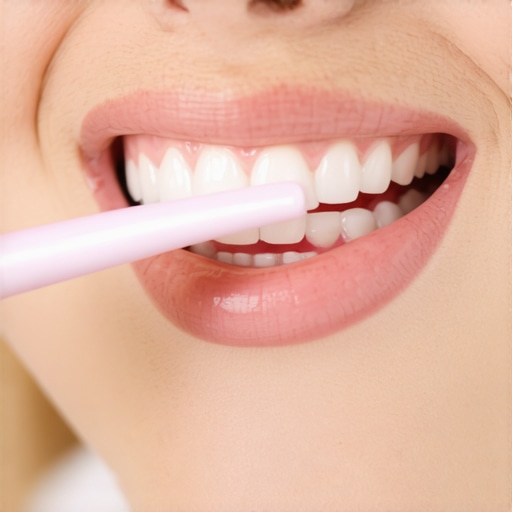 When it comes to oral hygiene, many of us fall for myths or oversimplified advice that can do more harm than good. A prevalent mistake is believing that brushing harder will give a cleaner, healthier mouth. In reality, aggressive brushing can erode enamel and cause gum recession, increasing sensitivity and risk of periodontal issues. For solid, evidence-backed guidance, check out our deep dive into oral health myths. Another widespread misconception is that more frequent dental visits are unnecessary unless there’s pain or an obvious problem. Routine cleanings and check-ups are crucial for catching early signs of decay or gum disease before they become costly procedures. Don’t wait for pain to seek professional care; prevention is always better than cure.
Many people underestimate the importance of professional cleanings, thinking that brushing and flossing alone suffice. While at-home care is vital, professional cleanings remove tartar and plaque buildup that regular brushing can’t reach, significantly reducing the risk of cavities and periodontal disease. Learn more about the benefits of professional cleanings.
A critical but often overlooked aspect of oral health is the subtle early signs of gum disease, which many dismiss as minor bleeding or bad breath. Recognizing these nuances early can prevent progression to serious issues like tooth loss. Regular dental exams help identify these warning signs before noticeable symptoms develop. For advanced readers wondering about the nuances of peri-implantitis or early periodontal lesions, explore hidden signs of gum disease.
Now, let’s tackle a common trap many fall into: believing that whitening treatments are all about quick fixes. The misconception is that over-the-counter whitening strips can produce the same stellar results as professional procedures. However, the science behind effective whitening shows that tailored in-office treatments are safer and more effective, especially for ensuring even, long-lasting results. For a comprehensive understanding, read about teeth whitening science.
Finally, advanced dental techniques like cosmetic bonding and veneers have revolutionized smile design. Yet, many believe these are purely superficial fixes with no longevity. In reality, modern cosmetic dentistry offers durable, natural-looking solutions that can transform your confidence. Discover more about the latest trends in cosmetic dentistry innovations.
Remember, understanding the nuances of oral health can empower you to make better choices and avoid costly mistakes. Are you falling prey to any of these myths? Have you ever fallen into this trap? Let me know in the comments and share your experiences! By staying informed, you can ensure your smile remains healthy and radiant for years to come.
Keeping It Working: Tools and Strategies for Lasting Oral Health
Maintaining your oral health extends beyond daily brushing and flossing—it requires investing in the right tools and adopting effective methods that ensure your smile stays vibrant over the years. Personally, I rely on specialized equipment and proven techniques to uphold the results achieved from cosmetic or family dentistry. One game-changer has been using a water flosser, such as the Oral-B Water Floss, which I find significantly more effective for reaching tricky spots, especially around veneers or implants.
Investing in a digital toothbrush with pressure sensors, like the recommended advanced models, helps me avoid over-brushing, protecting my enamel and gums. These devices let me customize my brushing routine, ensuring thorough cleaning without damage. For long-term results, consistent use paired with a desensitizing toothpaste enhances durability, especially if sensitivities persist after procedures like veneers.
How do I maintain my oral health over time?
Regular professional cleanings are essential, but choosing the right equipment amplifies your efforts. I schedule bi-annual visits and supplement them with tools like fluoride rinses, which strengthen enamel and reduce sensitivity. Moreover, keeping track of your oral health progress can be simplified with dental health apps—many now integrate with your dental provider’s system for seamless monitoring. Looking ahead, the future of oral maintenance points toward smart toothbrushes connected via Bluetooth, providing real-time feedback and personalized advice, ensuring your smile remains beautiful and healthy.
To get the most out of your dental routine, try incorporating a water flosser into your daily regimen. It’s a small change that offers significant benefits, especially for those with sensitive gums or dental restorations. Remember, consistent care and the right tools make all the difference in preserving your smile’s brilliance and function for the long haul.
< >
>
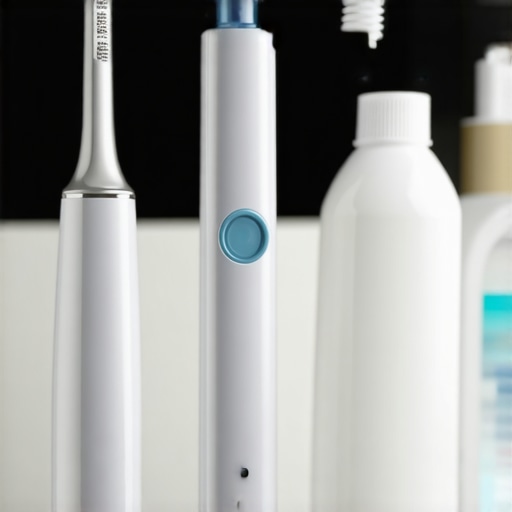
Imagine a sleek, modern dental toolkit, including a digital toothbrush, water flosser, and fluoride rinse, all designed to keep your smile at its best. This setup exemplifies the future of at-home oral care—personalized, tech-enhanced, and highly effective.
Overcoming cold sensitivity after getting veneers taught me valuable lessons that go beyond the surface. One of the biggest realizations was how adaptive my routine needed to be — I couldn’t just rely on common advice; I had to tailor my care to my unique needs. I learned that patience and proactive consultation with my dentist unlock faster, more sustainable relief, avoiding unnecessary frustration. Understanding that sensitivity is often a sign of the body’s healing process helped me stay committed to proven solutions like desensitizing toothpaste and professional treatments. Finally, I discovered that maintaining a delicate balance—using the right tools, avoiding irritants, and staying consistent—ensures long-term comfort, not just temporary relief.