
I remember the moment I first felt it—biting into my morning toast, only to be greeted by a strange, unyielding sensation that felt like I had a tiny pebble lodged between my teeth. That uncomfortable, gritty feeling wasn’t just annoying; it was downright alarming. I couldn’t help but wonder, why is my brand-new dental crown suddenly feeling like a rock in my mouth?
Feeling Stuck: The Common Struggle with New Crowns
Having a dental crown placed is a game-changer for many of us. It restores damaged teeth and boosts confidence. But sometimes, instead of feeling seamless, the crown feels rough, unlike your natural teeth. That gritty texture can turn a routine bite into an uncomfortable experience, making you question if something went wrong. I remember thinking, “Did I mess up the appointment? Is this normal?” Trust me, this is more common than you might think—and there’s a reason behind it.
Today, I want to share with you what’s really going on when your new crown feels like a pebble—and most importantly, how to get that sensation to go away. By understanding the causes and solutions, you’ll be able to enjoy your smile without that nagging discomfort. Curious? Keep reading, because I’ve been there, and I’ve got some practical advice that could save you a visit to the dentist—or worse, months of misery.
Common causes include incomplete polishing, rough edges, or even a little cement residue. But don’t worry, a simple adjustment by your dentist can often resolve the issue quickly. Meanwhile, avoiding certain habits and practicing proper hygiene can prevent this sensation from lingering. Want to learn how to tell if your crown is properly fitted and what steps to take next? I’ve got you covered.
But before we dive into the solutions, let’s address the skepticism that might be crossing your mind: Could this rough feeling be normal, or is it a sign of a bigger problem? As someone who didn’t know the right questions to ask initially, I learned early on that one mistake many make is ignoring small sensations, hoping they’ll just go away. That’s why I strongly recommend consulting with your dentist if anything feels off. They can perform a quick check and, if needed, do a minor adjustment—sometimes surprisingly simple. As per the American Dental Association, even minor roughness should be addressed promptly to avoid further complications that could lead to more extensive (and expensive) repairs.
In the next section, I’ll walk you through the specific steps you can take if your crown feels like a rock, and how to ensure your smile stays comfortable and beautiful for years to come.
,
Inspect the Fit and Surface
Begin by examining your crown in the mirror. Look for rough edges or uneven surfaces that might be causing discomfort. Recall a time I noticed a tiny chip on my own crown after eating popcorn; I gently ran my finger over it to feel the rough spot, then scheduled a quick dental appointment to address it.
Assess for Sharp or Uneven Edges
Run your tongue along the edges of the crown. Sharp or jagged areas are suspect. If you detect a rough edge, avoid chewing on that side to prevent irritation. I once neglected this step, which led to sore gums until my dentist filed down the rough spot during a routine visit.
Perform Gentle Oral Cleaning
Use a soft-bristled toothbrush to clean the crown thoroughly. Focus on removing any residual cement or debris that might feel gritty. During my own cleaning, I discovered a small amount of cement lodged at the margin, which I carefully brushed away. This simple action often alleviates the gritty sensation.
Use Appropriate Cleaning Products
Choose a mild toothpaste designed for sensitive teeth if needed. For stubborn residues, rinse with warm saltwater to soothe gums and help dislodge particles. I tried a saltwater rinse after noticing discomfort, and it reduced irritation significantly.
Check for Proper Cement Removal
If there’s leftover cement beneath the crown, it can cause roughness. Consider gently flossing around the crown to remove trapped material, but avoid poking or forcibly prying at it. In my experience, flossing carefully prevented unnecessary damage and helped clarify if residual cement was an issue.
Seek Professional Adjustment
If roughness persists, it’s time to contact your dentist. They can perform a professional polishing or minor smoothing to eliminate any remaining uneven spots. I remember a quick visit where my dentist polished the crown, transforming it into a smooth, natural-feeling tooth—making a world of difference in comfort.
Prevent Future Roughness
Maintain good oral habits by brushing twice daily with a soft brush and flossing properly. Avoid chewing hard foods like ice or popcorn that can chip or roughen the crown. Regular professional cleanings, which you can learn more about at this link, can also help keep your crown and teeth in top shape.
Mind Your Habits
Be mindful of habits that put stress on your crown. Chewing on pens or biting nails may seem harmless but can alter the crown’s surface. I once caught myself chewing on a pencil, and after switching to healthier habits, the rough feeling diminished over time.
Know When to See Your Dentist
If despite all precautions, discomfort and roughness remain, schedule an appointment promptly. Persistent grit may signal issues like improper fitting or cement residue that require professional attention. Remember, early intervention saves time and costs, and helps preserve your smile’s health and appearance.
Many individuals approach teeth cleaning and oral health with misconceptions that can unintentionally do more harm than good. For example, there’s a common belief that brushing harder leads to cleaner teeth, but in reality, aggressive brushing can wear down enamel and damage gums. According to research published in the Journal of Clinical Periodontology, overzealous brushing is a significant factor in recession and sensitivity. It’s essential to adopt proper techniques, such as gentle, circular motions, which you can learn from experts at Gentle Teeth Cleaning.
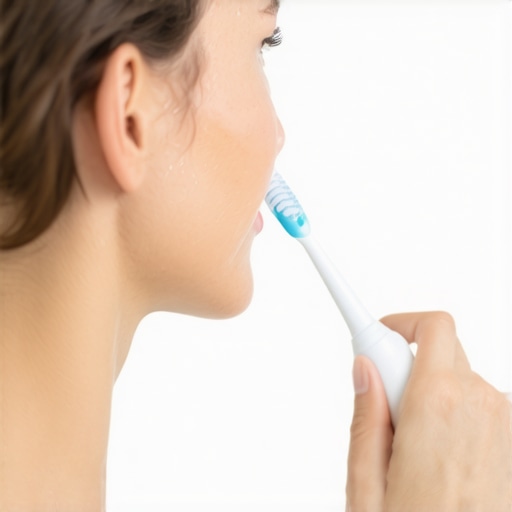
Maintaining a healthy smile over the years requires more than just regular brushing and flossing; it involves investing in the right tools and techniques that support long-term oral health. From professional-grade devices to innovative home-care products, the right equipment can make all the difference. One of my top recommendations is an ultrasonic toothbrush, which I personally use daily. Unlike traditional models, ultrasonic brushes emit high-frequency vibrations that effectively remove plaque even in hard-to-reach areas, greatly reducing the risk of gum disease and decay.
Another essential tool I swear by is a water flosser. During my routine, I rely on a model with adjustable pressure settings to gently dislodge debris trapped between teeth and along the gumline. This method is especially beneficial for those with sensitive gums, as it reduces irritation and encourages consistent use. I recommend trying the Waterpik Sonic-Fusion, which combines flossing and brushing in one device, streamlining your oral hygiene routine and ensuring no area is neglected.
Keeping an eye on oral health trends, I’ve also incorporated an intraoral camera into my routine, which allows firsthand inspection of areas that are usually hard to see. This small, handheld device connects to my smartphone, enabling me to monitor the health of my gums and teeth regularly. This proactive approach helps identify early signs of issues like recession or plaque buildup, prompting timely professional intervention. According to a recent study, early detection significantly improves long-term outcomes and can save you money in the long run by preventing extensive treatments.
For professional settings, I advocate for scheduling bi-annual dental cleanings utilizing advanced polishing tools and ultrasonic scalers. These technologies efficiently remove hardened plaque (calculus) and surface stains, rejuvenating your smile’s appearance and health. When combined with at-home maintenance, such as using a remineralizing fluoride gel, these professional treatments provide a comprehensive defense against decay and sensitivity.
Looking ahead, the trend of integrating smart technology into oral health devices is poised to grow. Imagine toothbrushes that track your brushing habits, alert you to missed spots, or even sync data with your dentist’s app for personalized advice. Embracing these innovations can keep your smile in top shape and give you peace of mind that you’re practicing optimal care. For example, certain apps now analyze your brushing technique and provide real-time feedback, which can dramatically improve technique and effectiveness.
How do I maintain these tools over time?
Proper maintenance of your dental tools ensures they function effectively and last longer. Regularly replace brush heads every three months or sooner if bristles fray. Clean your water flosser nozzles weekly with a diluted vinegar solution to prevent mold growth. For electronic devices like intraoral cameras, follow the manufacturer’s cleaning instructions diligently, often involving gentle wiping with alcohol wipes, and avoid dropping them to prevent damage. These small steps prolong their usability, ensuring you get the most out of your investment and sustain your oral health for years.
Incorporating these advanced tools into your routine might feel overwhelming at first, but start with one—perhaps an ultrasonic toothbrush—and gradually build your arsenal. Remember, consistent use combined with professional guidance is the key to a radiant, healthy smile that endures. For more insights on maintaining long-term dental health, explore this comprehensive guide.
Finally, don’t hesitate to consult your dentist about the latest technology suited to your specific needs. They can provide tailored recommendations and demonstrate proper usage, ensuring your investment pays off in confidence and comfort. Why not try incorporating a water flosser into your routine this week and experience firsthand how it elevates your daily oral care?
Why the Little Things Make the Biggest Difference in Your Dental Journey
One of the most profound lessons I learned about maintaining a healthy smile is that attention to detail can prevent small discomforts—from rough crowns to sensitive gums—that often escalate into bigger issues. Addressing minor roughness early, whether through proper cleaning or a quick adjustment, can save you from future discomfort and costly repairs. My personal experience taught me that preventative action is truly worth its weight in clarity and confidence.
Gear Up with the Right Tools—Your Smile’s Best Friends
Over time, I’ve come to rely on tools like ultrasonic toothbrushes and water flossers, which have transformed my oral hygiene routine. They not only make cleaning more effective but also enjoyable, encouraging consistency. Trusting reputable sources and brands ensures these tools serve their purpose without causing harm. For instance, I highly recommend the Waterpik Sonic-Fusion for its dual-action efficiency, which has helped me maintain that smooth crown feel every day.
Embrace a Mindset of Curiosity—Your Secret Weapon for Oral Health
The most valuable insight I’ve gained is to approach dental care with curiosity rather than fear. Asking questions about sensations—like that gritty feeling—can lead to quick resolutions before frustrations mount. This mindset has empowered me to stay proactive, turning minor issues into opportunities for deeper understanding and lasting confidence in my smile.
Where Your Next Step Might Lead—Don’t Wait for Trouble
If you find yourself battling persistent discomfort even after trying gentle home remedies, it might be time to consult your dentist. Often, a simple professional polishing can make a world of difference. Regular check-ins can help catch issues early, turning routine visits into investments in your smile’s future. Remember, your journey to a comfortable, confident smile is ongoing, and every small step counts.
What minor dental discomfort have you overlooked, and how did it change your approach to oral care? Share your story below—your experience might inspire someone else to take action before small issues grow.