
Ever been caught mid-workout, feeling that uncomfortable heartbeat in your gums, only to wonder, “Is this normal?” I remember the shock I felt the first time my gums started pounding during a run. It was as if my mouth had become a second heart, throbbing wildly with every heartbeat. At first, I brushed it off as fatigue, but as it continued, I realized something was off—and I had to dig deeper. That lightbulb moment led me down a path of discovery, understanding that this peculiar sensation could be a sign of underlying oral health issues that many overlook.
Understanding the Unexpected Link Between Exercise and Gum Pain
Here’s the truth—your gums aren’t just passive tissues; they can react to your overall health, including your physical activity. When you exercise vigorously, your blood circulation ramps up, and if there’s existing inflammation or gum disease, you might feel that pulsating pain or throbbing sensation in your gums. It’s not just in your head or an innocent side effect; it could be a warning that your oral health needs attention. Many people, myself included early on, ignore these signals, assuming they’re just about tired muscles or dehydration. But ignoring the signs can lead to more serious issues down the line, like periodontal disease or even impacting your heart health. You might be surprised—studies show a significant link between gum disease and cardiovascular health, emphasizing the importance of paying attention to such symptoms, even during workouts.
Could It Be More Than Just a Workout Quirk?
Now, I’ll admit, I made a classic mistake early on—I dismissed the gum throbbing as temporary. It wasn’t until I started experiencing bleeding when brushing, combined with that pounding sensation during exercise, that I realized I was neglecting my gum health. If you’ve experienced this yourself, you’re not alone. Recognizing this pattern and taking proactive steps can make a huge difference. Are you tired of feeling this uncomfortable pulse when you’re just trying to stay fit? Keep reading, because I’ll share practical advice and expert tips to help you address the root causes and feel confident in your health—inside and out.
Let’s explore how you can understand this tricky symptom and, more importantly, what actions you can take to protect both your exercise routine and your oral health. Ready to find out more?
Prioritize Your Dental Check-Ups
Start by scheduling regular dental exams with your trusted family dentist. This proactive approach helps identify underlying gum issues, such as inflammation or early periodontal disease, that might not be visible or painful yet. During these visits, ask about targeted cleanings and discuss any symptoms like gum throbbing during workouts. Remember, professional cleanings, like those described in teeth cleaning techniques, remove plaque and tartar that contribute to gum inflammation, significantly improving oral health outcomes.
Implement Daily Oral Hygiene Routines
Brush your teeth thoroughly twice daily using a fluoride toothpaste, focusing on gum lines to prevent plaque buildup. Don’t neglect flossing; it removes debris nestled between teeth that brushing misses. Incorporate tongue scraping to eliminate bacteria that can cause bad breath or gum irritation, supporting overall oral health. For sensitive gums, consider the gentle cleaning practices designed for comfort. Consistency is key—think of this routine as a shield that protects you from future periodontal issues.
Adjust Your Diet and Habits
Limit intake of sugary and acidic foods that can weaken enamel and promote bacteria growth causing gum issues. Incorporate crunchy vegetables and dairy that naturally help cleanse teeth and neutralize acids. Stay well-hydrated; water helps wash away food particles and keeps your saliva alkaline, which is vital for gum health. Avoid habits like smoking or vaping, which not only compromise your lungs but also hinder blood flow to your gums, exacerbating inflammation. These lifestyle choices directly influence how resilient your gums are, especially during physical exertion.
Choose Dentist-Recommend Solutions
If persistent gum throbbing continues, explore cosmetic or restorative options that can resolve structural issues—like contouring or veneers—as discussed in cosmetic dentistry trends. For aesthetic improvements that boost confidence and oral function, treatments like whitening can also make a difference, showcased in teeth whitening science. Always consult your dental professional before opting for procedures to ensure they address your specific needs effectively.
Monitor Your Symptoms and Responses
Keep a journal of when you experience gum throbbing during exercise, noting intensity, duration, and any accompanying symptoms like bleeding or sensitivity. Share this information with your dentist; it’s crucial for accurate diagnosis and tailored treatment plans. If necessary, consider additional diagnostics such as X-rays or gum assessments, as recommended in oral cancer screenings that also check gum health indicators. Early detection can save you from more invasive or costly procedures later.
Incorporate Professional Treatments
Beyond routine cleanings, other treatments like deep scaling or periodontal therapy might be recommended to eliminate deep-seated bacteria and promote gum regeneration. Also, discuss options like cosmetic interventions, including contouring or veneers, which can enhance your smile’s appearance and support gum health when structural issues affect function. Detailed information on these procedures can be found at contouring and veneers.
Manage Stress and Exercise Smartly
High-intensity workouts can impact your oral health by elevating blood flow and inflammation. Incorporate proper warm-ups and cool-downs, and stay hydrated to mitigate gum discomfort. If gum throbbing occurs regularly, modify your exercise intensity and consult with both your healthcare and dental providers for personalized advice. Maintaining a balanced approach ensures that your fitness routine supports, rather than hinders, your oral well-being.
Many assume that visiting the dentist for routine cleanings and cosmetic procedures is straightforward, but in reality, there’s a common misconception that can undermine your oral health. One widespread myth is that basic teeth cleaning suffices for a long-term healthy smile. While regular cleanings, especially the professional cleaning techniques, are vital, they don’t address underlying structural issues or cosmetic concerns. Advanced techniques like contouring or veneers, detailed in cosmetic dentistry trends, often require a nuanced understanding of facial anatomy and material science that many overlook.
A common oops in family oral health management revolves around overconfidence in DIY whitening products. Store-bought whitening strips and powders might seem convenient, but overuse or improper application can lead to enamel erosion, as highlighted in whitening science. This is why consulting a professional for whitening is far safer and more effective.
Overlooking the importance of structural harmony also traps many. For instance, some think that shaping teeth with veneers can be a quick fix, but if underlying bite issues aren’t addressed, you risk uneven wear or even temporomandibular joint problems. When considering cosmetic enhancements, it’s essential to evaluate how these procedures fit into your overall dental function.
For families, a misunderstood aspect is that oral health isn’t just about avoiding cavities. Preventive strategies that include family dental care hacks emphasize the importance of early intervention and education. This proactive approach cultivates good habits in children that last a lifetime, reducing the need for invasive treatments later.
An advanced question many are curious about is: How do cosmetic procedures integrate with functional health to ensure a balanced, long-lasting result? Achieving this harmony requires a comprehensive assessment that goes beyond surface aesthetics. Experts advocate combining functional diagnostics like occlusion analysis with cosmetic planning, as discussed in beauty and function in dentistry. This holistic approach prevents future complications and enhances overall quality of life.
Remember, misconceptions can lead to costly mistakes or compromised health. Always consider a detailed consultation that thoroughly evaluates your unique needs. For instance, understanding the science behind teeth whitening and the latest advancements in cosmetic options can help you make informed decisions that blend beauty with health—details elaborated in this resource.
Have you ever fallen into this trap? Let me know in the comments.
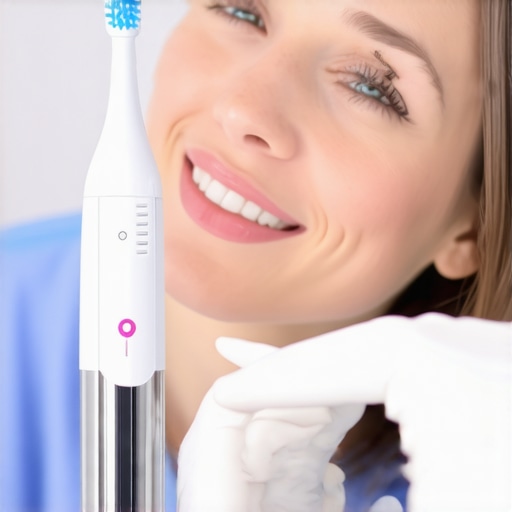
Maintaining your oral health beyond routine check-ups requires using the right tools and adopting effective strategies that stand the test of time. As a family dentist with years of experience, I recommend investing in high-quality, ergonomically designed toothbrushes such as those with pulsating bristle technology, which can significantly improve plaque removal compared to standard manual brushes. Electric models from trusted brands like Sonicare or Oralfix offer features like timer settings and pressure sensors that help ensure thorough cleaning and prevent gum damage. Incorporating ultrasonic scalers, used professionally during deep cleanings, can also be adapted for home maintenance, especially if you have a history of gum disease. These devices vibrate at high frequencies, disrupting plaque and tartar without damaging delicate tissues, as detailed in this expert review. For long-term results, routine maintenance must be personalized; I advise scheduling semi-annual cleanings and using recommended tools consistently to prevent the accumulation of plaque that leads to periodontal issues. Looking ahead, advancements in smart dental technology predict integrated systems that sync with smartphone apps to monitor your brushing habits and suggest improvements in real time, making home care more precise and doctor-guided. This integration could revolutionize personal oral care, ensuring healthier smiles for your family down the line.
How do I maintain my dental tools over time?
Proper maintenance of your dental tools prolongs their efficacy and hygiene. Rinse electric brushes thoroughly after each use, removing debris and preventing bacterial buildup by soaking in a disinfectant solution weekly. Replace brush heads every three months or sooner if bristles fray, always following manufacturer instructions. Keep ultrasonic scalers in a dry, specialized case, and avoid sharing tools among family members to prevent cross-contamination. Regularly inspecting your equipment for signs of wear and consulting your dental provider about any issues ensures safety and durability. Remember, clean and well-maintained tools are your first line of defense in long-term oral health. To further streamline your dental routine, consider adopting software like this expert-backed guide for integrating technology into daily care routines. By combining quality tools with consistent maintenance, you’ll set the stage for a healthier, brighter family smile for years to come.
Want to elevate your long-term dental care? Start by trying the detailed cleaning routine using a pulsating toothbrush combined with a weekly ultrasonic scaler session. This dual approach can dramatically reduce plaque buildup, leading to healthier gums and whiter teeth. As research in dental innovations suggests, proactive maintenance now paves the way for fewer dental emergencies later, saving you time and expense. Don’t wait—implement these strategies today and see the difference it makes!
Lessons I Wish I Discovered Sooner About Healthy Smiles and Active Lives
- Never ignore persistent gum sensations; they could be the first sign your oral health needs attention, even amidst a busy family schedule.
- Understanding that gum throbbing during workouts isn’t just a strange symptom—it’s a window into your overall health—and acting on it can prevent serious issues.
- My experience showed me the value of combining routine family dental visits with lifestyle adjustments, ensuring my family’s smiles stay radiant and healthy through all activities.
Resources That Keep My Family Smiling Bright
- Top-Rated Electric Toothbrushes: Brands like Sonicare have transformed our daily routine, making brush-time more effective and fun for kids and adults alike.
- Expert-Recommended Oral Health Guides: The comprehensive advice at this resource helps me stay proactive about family dentistry and prevent issues before they arise.
- Cosmetic Dentistry Innovations: Exploring options like veneers and contouring through latest trends inspires my family to not just maintain, but elevate our smiles confidently.
Believe in Your Power to Create Change Today
Taking charge of your oral health, especially when balancing family life, can seem overwhelming. But remembering that every small step—like scheduling regular dental check-ups and maintaining good hygiene—builds a foundation for a lifetime of confident smiles. Embrace the journey, learn from shared experiences, and trust that your proactive choices now will pay dividends in the future. Are you ready to prioritize your family’s smile today? Share your thoughts or questions below—I’d love to hear how you’re making oral health a family affair!