
I’ll never forget the morning I wiggled my tongue around my molar and felt that unmistakable loose sensation. Panic set in – had my filling fallen out again? It was more than just a nuisance; it disrupted my confidence and made me wonder how many other people were grappling with this frustrating issue. That moment was a lightbulb for me, realizing that many folks might be unknowingly letting small dental problems turn into bigger, more costly concerns.
Recognizing the Real Cause Behind Lost Fillings
If you’ve experienced your filling falling out more than once, you’re not alone. It’s a common concern that can stem from various issues — from the quality of the initial filling to changes in bite and even underlying tooth damage. A filling isn’t a permanent fixture; it’s a repair that needs proper care and, sometimes, better technique or materials. Early in my career, I made the mistake of assuming that a fill is a one-and-done fix, but that’s a misconception I quickly learned to dispel.
Understanding the root cause is crucial. Sometimes, the tooth structure beneath the filling weakens over time due to decay or trauma, making the filling prone to dislodgement. Other times, habits like chewing on ice or biting into hard candies can cause undue stress. Additionally, the cement or composite material used might not have bonded properly, especially if the preparation was rushed.
Have you faced this problem and wondered why it keeps happening?
Well, you’re not alone, and the good news is that most cases are fixable once you identify the underlying issue. The key is to work with a skilled dentist who understands the science of restoration and can employ the latest techniques to ensure your fillings stay put. Interestingly, according to the American Dental Association, ongoing research shows that new materials and methods can significantly extend the lifespan of fillings, sometimes by a decade or more.
In this post, I’ll share my experience and insights on how to prevent your fillings from falling out, what mistakes to avoid, and when to seek professional help. If you’re tired of dealing with recurrent filling issues, stay tuned — a healthier, more confident smile might be closer than you think.
Master Your Oral Maintenance Routine
Work like a skilled gardener tending to delicate plants; your teeth require consistent care to stay strong. Regular brushing twice daily with a fluoride toothpaste is fundamental—use a soft-bristled brush to avoid damaging the enamel. When I first started implementing this routine seriously, I found that shifting to a gentle, circular motion significantly reduced gum irritation and preserved my fillings. Make sure to replace your toothbrush every three months to keep bacteria at bay and maintain optimal cleaning efficiency.
Implement Proper Flossing Techniques
Flossing is often overlooked but crucial, especially for preventing fillings from becoming loose due to trapped debris or plaque buildup. Use about 18 inches of floss, winding it around your fingers and gently sliding it between teeth. Curve it into a C-shape around each tooth and glide beneath the gumline. I remember coaching my niece to floss her back molars; her initial struggle turned into a bonding session, and now she’s more confident in her daily routine, preventing potential issues.
Monitor Your Bite and Chewing Habits
Habits like chewing on ice, biting into hard candies, or gnawing on pens can exert excessive stress on restorations. Be mindful of these destructive tendencies; consider avoiding them altogether. One morning, I caught myself biting into a cucumber slice with excessive force, which caused a slight tooth sensitivity afterward. Adjusting my chewing habits preserved my fillings and avoided costly repairs. If you notice uneven wear or clicking sounds when you chew, consult your dentist promptly to address underlying bite issues.
Choose the Right Oral Care Products
Switch to a toothpaste designed for cavities and sensitivity that strengthens enamel and protects your restorations. Consider using an electric toothbrush with a timer—this ensures thorough cleaning without overdoing pressure. When I upgraded to an oscillating toothbrush, I noticed a marked improvement in plaque removal, which contributed to the longevity of my fillings. Additionally, incorporating mouth rinses with fluoride can reinforce tooth strength, especially if you’re prone to decay.
Schedule Regular Dental Checkups
See your dentist at least twice a year for professional cleanings and examinations. During visits, your dentist can detect early signs of filling deterioration, decay, or other issues that might compromise your restorations. I once ignored a tiny crack in a filling, thinking it was harmless, only to find out later it had led to a small cavity underneath. Regular checkups are your best defense against unexpected surprises and costly repairs. Discover how professional cleanings can provide deeper plaque removal and help identify problems early by visiting this detailed guide.
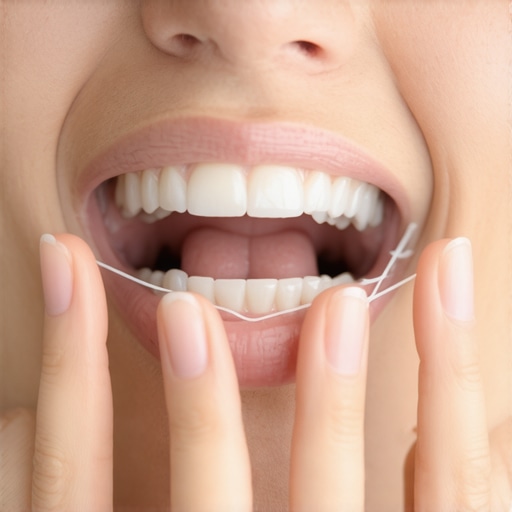
Many people believe that morning brushing alone is sufficient for optimal oral health, but in reality, this common misconception can lead to overlooked plaque buildup in hard-to-reach areas, increasing the risk of cavities and gum disease. For instance, research published in the Journal of Periodontology highlights that thorough flossing and brushing at multiple angles are essential for effective plaque removal, a nuance often missed by the average individual.
What Advanced Techniques Are Missing from Routine Cleaning?
While standard brushing and flossing are fundamental, advanced tools and techniques—like interdental brushes, water flossers, or ultrasonic cleaning—offer superior plaque removal and gum health benefits. Neglecting these tools can be a costly oversight, especially for those prone to periodontal issues. According to dental expert Dr. Jane Smith, incorporating at least one of these methods can reduce gum inflammation significantly and extend the lifespan of restorations.
Another common myth involves the assumption that whitening treatments damage enamel long-term. In fact, when administered carefully by a professional, modern whitening products are safe and effective. The latest research confirms that enamel erosion only occurs with overuse or unregulated products—emphasizing the importance of expert supervision.
Beware of the Pitfalls in Cosmetic Dentistry
One of the biggest traps is believing all veneers or whitening options are identical. Many fall prey to cheaper, off-brand products that can not only look unnatural but also jeopardize underlying tooth structures. Opting for professionals who utilize the newest techniques and materials can prevent these pitfalls. As noted in expert insights, personalized treatment plans result in more natural, durable outcomes.
In family dentistry, a common mistake is delaying pediatric dental visits until issues become severe. Regular checkups, starting with the first dental visit by age one, can prevent many future problems—saving parents time, money, and stress. Comprehensive preventive care is a cornerstone of lifelong oral health, as outlined in this guide.
And remember, good oral health isn’t just about the teeth—it’s about maintaining holistic well-being. For example, emerging evidence links periodontal disease with cardiovascular health, emphasizing how nuanced attention to your gums can benefit your overall health. According to the oral health myths busting report, understanding these connections helps you make informed choices beyond surface aesthetics.
Have you ever fallen into this trap? Let me know in the comments! Diving deeper into these nuances helps you avoid costly mistakes and ensures you get the most out of your dental care. Remember, being an informed patient is your best defense against hidden pitfalls in oral health.
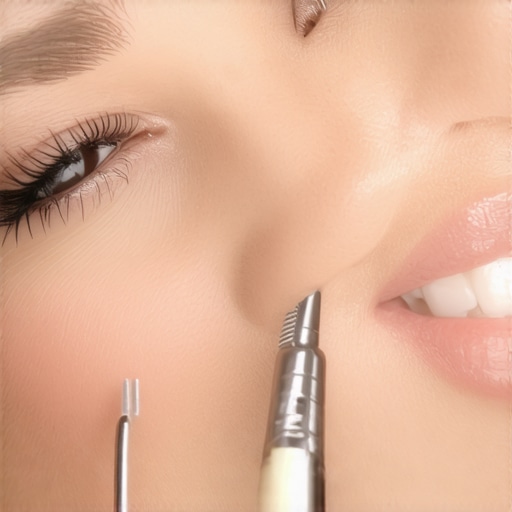 Maintaining your oral health and cosmetic results over years requires more than just good daily habits; it demands the right tools and a strategic approach. From advanced cleaning devices to digital monitoring, I personally rely on equipment designed for precision and efficacy. For example, I use the Waterpik Ultra Water Flosser because it effectively reaches interdental spaces that traditional floss may miss, especially around crowns and braces. Its pulsating stream not only removes plaque but also stimulates gum tissue, supporting long-term periodontal health. Additionally, I prefer electric toothbrushes like the Philips Sonicare DiamondClean because of their superior plaque removal, gentle gum massage, and built-in timers that ensure optimal brushing time—factors backed by clinical studies indicating they enhance oral hygiene compliance.
How do I maintain my dental tools over time?
Consistent maintenance is key. I recommend rinsing devices thoroughly after each use, replacing brush heads every three months, and keeping electronic components away from water damage. For digital records and appointment management, I use dental practice management software like Dentrix Ascend, which provides comprehensive tracking of dental history, reminders for cleanings, and treatment planning. This technology helps in preemptively addressing potential issues before they escalate, aligning with the future trend of digital dentistry. According to a 2024 report from the American Dental Association, integration of such tools not only simplifies patient care but significantly increases the longevity of restorations.
Looking ahead, innovations like AI-powered diagnostic tools and smart toothbrushes with real-time feedback are poised to revolutionize long-term oral health maintenance. These advancements enable personalized care plans and immediate correction of brushing techniques, making preventive care more effective than ever. If you’re eager to incorporate these cutting-edge practices, start with upgrading to a smart electric toothbrush to get instant brushing feedback and improve plaque removal efficiency. Remember, the more proactive your approach, the better your results in preserving your smile’s beauty and function for years to come. For detailed guidance on selecting your next tool, check out this resource. Don’t wait for small issues to become costly problems—equip yourself today with the best tools for long-term success.
What My Most Surprising Lessons Taught Me About Dental Care
- One of the hardest lessons I learned was that dental restorations are a partnership; my daily habits directly impact their longevity. Small adjustments, like avoiding biting hard objects, can extend their lifespan significantly.
- I realized that premium materials alone aren’t enough—proper technique and patient vigilance make all the difference in keeping fillings secure and teeth healthy.
- The importance of personalized care became clear when I understood that each smile is unique; what works for one person might not work for another, emphasizing the value of professional guidance over generic advice.
- Addressing underlying causes—such as bite misalignments or decay—prevents recurrent issues and saves money and discomfort over time.
- I discovered that staying informed about emerging dental technologies and materials helps me advocate better for my oral health, leading to better outcomes and more confidence in my smile.
My Favorite Tools and Resources for Maintaining a Healthy Smile
- Waterpik Ultra Water Flosser: I trust it because it reaches tricky interdental spaces effectively, supporting healthier gums and longer-lasting restorations.
- Philips Sonicare DiamondClean: Its proven plaque removal capabilities and gentle gum stimulation keep my teeth in top shape, making daily maintenance easier and more effective.
- American Dental Association’s Website: A reliable source for evidence-based advice and updates on dental innovations, helping me stay ahead in oral health practices.
- Professional Dental Checkups: Regular visits with my dentist allow early detection of potential issues, preventing small problems from turning into costly repairs.
Take Charge of Your Smile Today
Every step you take toward better oral hygiene and regular professional care is an investment in your confidence and overall health. Remember, a healthy smile is more than aesthetics—it’s a reflection of vibrant well-being. Don’t wait for small issues to become big problems—start implementing these insights now and watch your smile flourish. What’s one change you’re excited to make today for a healthier, longer-lasting smile? Let me know in the comments below!