
I remember the moment I first felt that tiny, unsettling wiggle in my dental bridge during a casual chat with a friend. It was like a nagging whisper reminding me, “Something’s not right.” At first, I brushed it off, thinking, “It’s probably just my imagination or maybe food stuck underneath.” But as days went by, that loose feeling became impossible to ignore, creeping into my mind every time I smiled or chewed. That experience was a real lightbulb moment for me, realizing how common yet overlooked this issue is among folks with dental bridges.
Why Does a Dental Bridge Lose Its Grip After Several Years?
Dental bridges are marvels of modern dentistry, designed to restore function and aesthetics. But just like any other appliance in our bodies, they aren’t meant to last forever. Usually, after about five to ten years, you might start noticing a looseness or wobbling. The main culprit? Over time, the supporting teeth, known as abutments, can shift or wear down, compromising the stability of the bridge. Additionally, the cement that glued the bridge in place can weaken or erode, especially if oral hygiene isn’t optimal.
It’s also worth noting that lifestyle factors like grinding your teeth or consuming hard foods can accelerate this process. All these factors add up, making the bridge feel loose and sometimes even uncomfortable.
Is it Really Worth Worrying About a Loose Bridge?
I used to believe that a slight wobble was no big deal, and honestly, I didn’t rush to the dentist. But neglect can lead to more serious problems like decay of the supporting teeth or even damage to the underlying bone. Early intervention is key, and I learned this the hard way.
If you’ve experienced that unsettling feeling of a loose dental bridge, you’re not alone. Many people overlook it, assuming it’s just age or normal wear. But timing matters, and delaying professional care can turn a simple fix into a more extensive—and costly—procedure.
Making a small change now, like scheduling a check-up, can save you from bigger troubles down the line. In the upcoming sections, I’ll guide you through practical steps to evaluate your situation and talk about what to discuss with your dentist. Trust me—taking action early is the best decision you can make for your oral health.
If you’ve felt that wobble in your own dental bridge, don’t ignore it. Let’s explore how to address this common issue effectively.
Assessing the Situation: Is Your Bridge Really Loose?
Begin by inspecting your dental bridge in a well-lit mirror, gently trying to move it with clean fingers. If it wobbles or shifts noticeably, it’s time to take action. Remember, a loose bridge isn’t just a minor inconvenience; it can signal underlying issues like worn cement or shifting teeth, which could lead to further damage if ignored. I recall the first time I noticed my bridge wobbling, and I knew I had to act promptly to prevent more serious problems.
Gather Your Tools and Prepare for Inspection
Before diving into care, gather a few essentials: a mirror, clean hands, dental floss, and antibacterial mouthwash. Ensuring your hands are sanitized reduces the risk of introducing bacteria into areas already vulnerable due to the looseness. Think of it like preparing your toolkit before a home repair—you want everything clean and ready to go. I always keep my dental floss nearby, knowing it’s vital for this step.
Remove Food Debris Carefully
Use dental floss to gently dislodge any trapped particles beneath or around your bridge. Slide the floss gently back and forth beneath the bridge without forcing it, which can prevent damage to your supporting teeth. I once tried to pry out stubborn food with excessive force, only to cause discomfort—lesson learned: patience is key. Flossing not only cleans but also helps you assess the stability by feeling for resistance or looseness.
Perform a Gentle Mobility Test
Once cleaned, lightly tap or wiggle the bridge with your finger; if it moves easily, it’s a strong indicator of looseness. This is akin to checking a boat’s anchor—it should hold firm, not sway. If you detect movement, avoid eating hard foods or biting down intensely. I remember experiencing this myself and understanding the importance of early dental consultation to avoid further deterioration.
Analyze Symptoms Beyond Looseness
Check for additional issues like pain, swelling, or sensitivity. These can suggest infection or decay, making professional evaluation even more urgent. Think of your mouth as a small ecosystem—any disruption can have ripple effects. I found that noticing these signs prompted me to schedule a dental appointment without delay.
Seek Professional Assistance Without Delay
Contact your dentist promptly via [this link](https://gentlesmiledentist.com/contact-us). Convey your concerns clearly: mention the looseness, any pain, or other symptoms. They may recommend a professional cleaning, re-cementing, or possibly replacing the bridge altogether. Remember, a quick visit can save you from costly repairs down the line. My experience taught me that early intervention often means simpler solutions and better outcomes.
While many people believe that brushing alone is enough to maintain optimal oral health, the reality is far more nuanced. A prevalent myth is that aggressive brushing, especially with hard bristles, actually cleans better—that’s a misconception. In fact, overbrushing can wear down enamel and cause gum recession, increasing sensitivity and risk of decay. Proper technique and gentle, thorough cleaning are essential, and exploring advanced brushing methods can make a significant difference.
Another common mistake is underestimating the importance of flossing, with many thinking that brushing alone suffices. Flossing removes plaque and debris from areas that toothbrushes can’t reach, preventing cavities and gum disease. Neglecting this step can lead to hidden decay and periodontal issues, especially around the gum line. For practical guidance, reviewing [teeth cleaning techniques](https://gentlesmiledentist.com/the-ultimate-guide-to-teeth-cleaning-techniques-and-benefits) can maximize your oral hygiene efforts.
In the realm of cosmetic dentistry, a widespread misconception is that whitening treatments damage enamel permanently. While some over-the-counter products can cause sensitivity, professional whitening under a dentist’s supervision is safe and can even strengthen enamel through remineralization agents. Understanding the science behind whitening, such as in [the science behind teeth whitening](https://gentlesmiledentist.com/the-science-behind-teeth-whitening-achieve-stunning-results-fast), can help you make informed choices.
Many families overlook the critical role of foundational care, assuming that adult dental health can be maintained without specific early interventions. This ignorance can result in more complex issues down the line. Building a solid foundation with good habits and regular check-ups is crucial, and [family dentistry tips](https://gentlesmiledentist.com/top-5-secrets-to-maintaining-perfect-oral-health-as-a-family) provide valuable insights.
A sneaky trap in oral health is the belief that sensitive toothpaste is the ultimate solution for all pain. While it can alleviate discomfort temporarily, underlying causes like decay or gum disease require professional attention. Relying solely on topical remedies may worsen the problem over time. Regular dental visits and early diagnostics are vital to uncover hidden issues. For comprehensive understanding, see [oral health myths busted](https://gentlesmiledentist.com/oral-health-myths-busted-what-every-family-should-know).
**Why do so many skip routine appointments despite knowing the risks?** It often boils down to fear or misconceptions about discomfort. Yet, preventative care, including regular cleanings and check-ups, can save both your teeth and money in the long run. Early intervention prevents minor issues from becoming major problems, such as infections or bone loss.
**What advanced mistakes do even seasoned patients make?** One mistake is neglecting the subtle signs of early gum disease, which often develops silently. Small bleeding gums or slight bad breath may seem insignificant, but they can signal deeper problems. Recognizing these warning signs and initiating prompt treatment is crucial.
To sum up, let’s dig deeper into your oral health practices. Are you making any of these common mistakes? Have you ever fallen into this trap? Let me know in the comments. Remember, understanding these hidden nuances can significantly enhance your dental care and confidence.
Maintaining your oral health over the years requires more than just good intentions; it demands the right tools and consistent habits. Personally, I rely on a combination of professional-grade equipment and smart techniques to ensure my teeth and gums stay healthy, functional, and beautiful. One game-changer for me has been investing in an electric toothbrush with a pressure sensor. Unlike manual brushes, it provides consistent cleaning and safeguards against overbrushing, which can damage gums over time. I prefer models with sonic vibrations, as they break up plaque more effectively, especially in hard-to-reach areas.
Another essential tool I include in my routine is water flossing devices, such as the Waterpik. Regular flossing is crucial, but water flossers can be gentler and easier for families with kids or those with dexterity challenges. I use mine to clean around dental implants and braces, areas where traditional floss can be cumbersome. To enhance my cleaning routine further, I incorporate an interdental brush for polishing tight spaces and removing food debris that a toothbrush might miss. These simple devices help me maintain a plaque-free environment and prevent long-term issues like tartar buildup.
For professional support, I schedule regular cleanings with my dentist, who uses ultrasonic scalers. These tools break down tartar more efficiently and protect my teeth from periodontal disease. I also trust my dental practice’s digital cavity detection technology, which spots issues early and helps me act proactively. Consistent visits complement my daily at-home tools, ensuring that potential problems don’t develop into costly emergencies.
Looking ahead, the future of oral health tools leans toward AI-integrated devices that adapt to individual needs, providing personalized care. As technology advances, I predict we’ll see smarter brushes capable of analyzing plaque levels and recommending specific brushing patterns—a real step forward in preventive dentistry. Staying updated with these innovations can save you money and discomfort over time.
How do I maintain my tools over time?
Clean your electric toothbrush heads at least weekly using warm water and, if available, a dedicated brush cleaner. Replace heads every three months or sooner if they appear worn. Water flossers should be disinfected regularly with vinegar or specialized cleaning tablets to prevent bacteria buildup. Interdental brushes and other small devices should be rinsed thoroughly after each use and replaced periodically to maintain their effectiveness. Consistent maintenance of your dental tools ensures they perform optimally, providing you with long-term benefits, as explained in this insightful guide.
Remember, combining the right tools with proper technique, like gentle brushing as outlined in this comprehensive manual, can significantly extend the lifespan of your dental work and enhance your family’s oral health. Don’t hesitate to discuss these tools with your dentist during your next visit—they might suggest options tailored to your specific needs. Try integrating one of these advanced tools into your routine today, and watch your confidence grow along with your smile!
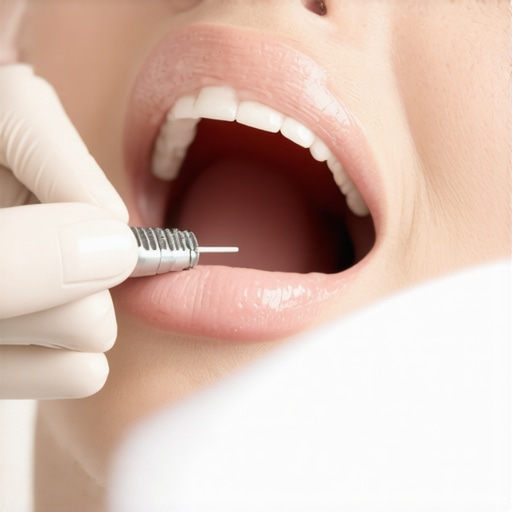 After dealing with my loose dental bridge, I realized every smile holds lessons worth sharing. One thing I learned is that consistent, gentle oral care isn’t just routine—it’s a safeguard against unexpected surprises. The importance of early recognition of looseness can’t be overstated; catching it before it worsens preserves both natural teeth and the aesthetic quality of your smile. I also discovered that maintaining a regular dialogue with your dentist isn’t just about fixing problems—it’s about proactively preventing them, turning dental visits into an insurance policy for your smile’s longevity. Lastly, investing in high-quality oral hygiene tools tailored for your unique needs can make a world of difference, saving you time, discomfort, and money down the line. These insights from my journey emphasize that understanding your mouth’s signals and responding promptly can dramatically extend the life of dental work and boost your confidence for years to come.