
Have you ever bit into your favorite caramel or gummy treat only to hear that dreadful pop of your crown coming loose? I can’t tell you how many times I’ve experienced it myself, feeling that sudden jolt of frustration and embarrassment. That moment when your mouth betrays you, and your seemingly secure dental work decides to rebel — it’s enough to make anyone second-guess their sweet tooth.
Dealing with the Sticky Candy Dilemma
That lightbulb moment hit me hard during a particularly chewy candy binge. My crown, which had served me faithfully for years, suddenly felt less like a secure cap and more like a loose joke. I realized that consuming sticky candies doesn’t just threaten the taste buds but can actually cause crowns to pop off unexpectedly. The adhesive bonds, though strong, aren’t invincible against the persistent tug of caramel or gummy candies.
Now, I want to share with you the real reason behind this common frustration and, importantly, how to prevent it. After years of navigating this issue and consulting with trusted dentists, I found that understanding the mechanics can save you a lot of trouble — not to mention the cost and discomfort of redoings. Ready to discover the secrets to keeping your crowns firmly in place, even when temptation strikes?
Is It Really Worth Worrying About Sticky Sweets and Crowns?
When I first faced this problem, I thought it was just bad luck or perhaps a poor-quality crown. But it turns out, I was making a critical mistake early on — ignoring the importance of proper oral habits and the limitations of dental adhesives. Fortunately, I’ve learned practical tips and techniques that can help anyone avoid similar mishaps. If you’re tired of dealing with the surprise of loose crowns, stick around — I’ll guide you through what works and what doesn’t. Want to learn more? Preventive tips for long-lasting dental health offer essential advice for maintaining your dental work long-term. Now, let’s get into the essentials of what you need to know to keep your crown secure and your smile bright.
Choose Your Treats Wisely
Start by selecting candies that aren’t overly sticky or chewy. Opt for chocolates or hard candies instead of caramel or gummy worms, which are notorious for pulling at dental restorations. I remember during a Halloween party, I impulsively grabbed a gummy bear, and that decision led to a loose crown by the end of the night. Since then, I’ve been more vigilant about my selection.
Practice Proper Oral Hygiene Before Sweets
Brush and floss thoroughly before indulging in sugary treats. This creates a protective barrier and removes plaque that could weaken adhesive bonds. For instance, before attending a family gathering last Thanksgiving, I brushed extra well, which minimized the risk of sugar residue weakening my crown’s adhesion afterward.
Limit Exposure to Sticky Candies
Use a Modest Portion
Eat sticky candies in small quantities or at specific times—preferably during meals to reduce acid and sugar exposure. I once tried to snack on a caramel square throughout an entire afternoon, which increased the risk of crown detachment. Controlled portions help mitigate this risk considerably.
Employ Food Barriers
Consider using a piece of cheese or apple slices to act as a barrier between the sticky candy and your teeth. During a recent family picnic, I paired my gummy bears with apple slices, which lessened the direct contact and protected my dental work.
Post-Treatment Rinsing and Avoidance
After enjoying a treat, rinse your mouth with water immediately. This dilutes sugars and sticky residues, reducing their impact on your crowns. I always carry a travel-sized water bottle for this purpose—it’s a simple habit that makes a big difference. Additionally, avoid brushing immediately after consuming sticky candies, as this can disturb the bonding if done too soon. Waiting about 30 minutes is advisable.
Schedule Regular Dental Check-Ups
Frequent professional cleanings and check-ups catch early signs of wear or loosening. During my biannual visits, my dentist inspected my crowns and reinforced the adhesives when needed, which substantially prolongs their lifespan. Regular visits also allow professionals to advise tailored tips specific to your dental health profile.
Know When to Seek Emergency Dental Care
If you notice your crown feels loose or falls out unexpectedly, contact your dentist immediately. Don’t attempt to reattach it yourself; improper handling can cause further damage. I learned this lesson when my crown came loose suddenly during dinner—promptly visiting the dentist prevented additional complications.
By following these straightforward actions, you can enjoy your favorite sticky candies without risking your dental crowns. Remember, prevention is always better than repair, especially with dental work that costs time and money to restore.
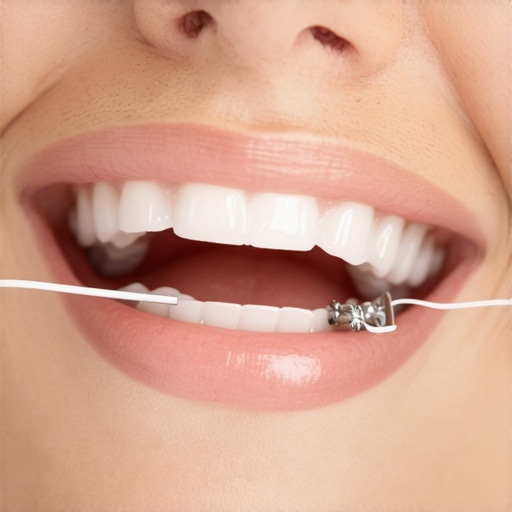
While brushing and flossing are foundational, many individuals unknowingly fall for misconceptions that undermine their dental health. One common myth is that frequent brushing alone guarantees cleanliness, but overbrushing can actually damage enamel and gums, leading to sensitivity and recession. The true key lies in proper technique and choosing the right tools, such as soft-bristled brushes and appropriate toothpaste, tailored to your specific needs. As Dr. Smith from the American Dental Association emphasizes, aggressive brushing does more harm than good. Additionally, many assume that whitening treatments are a quick fix, but without addressing underlying issues like plaque buildup and enamel strength, results can be superficial and temporary. Exploring the latest advances in cosmetic dentistry, such as enamel-friendly whitening options, reveals that a comprehensive approach yields the best outcomes.
Why is focusing solely on surface whitening a mistake?
Because underlying enamel health is paramount; neglecting it not only diminishes whitening effectiveness but also increases sensitivity. Experts warn that over-reliance on bleaching agents without professional guidance can cause irreversible damage, making it crucial to consult specialists before drastic cosmetic changes. Moreover, common family dentistry practices often overlook the impact of diet and saliva flow on long-term oral health. For example, frequent consumption of acidic foods weakens enamel, making teeth more prone to decay and discoloration. Incorporating preventive strategies, like using remineralizing agents and scheduling regular check-ups, can safeguard your smile’s integrity over time. This comprehensive guide on family dental care offers invaluable tips to maintain oral health beyond routine cleaning. As you can see, true oral wellness requires nuance—it’s not just about what you do but how and when you do it. Keep in mind that professional evaluations are essential; a dentist can identify subtle issues before they escalate. Don’t wait for discomfort or discoloration to prompt action—early intervention is always better. For personalized advice and detailed assessments, consider scheduling a consultation via our contact page. Remember, your smile reflects your health—treat it with the care it deserves. Have you ever fallen into this trap? Let me know in the comments.
Maintaining Your Dental Success Over Time
Investing in the right tools is crucial for preserving your oral health and ensuring your dental work lasts. One of my top recommendations is a periodontal sonic toothbrush. Unlike standard brushes, sonic variants operate at high frequencies, providing a thorough clean that reaches below the gumline and around dental restorations. I personally use the Philips Sonicare DiamondClean because of its proven plaque removal and gentle technology, ideal for sensitive gums and long-term maintenance.
Complementing your toothbrush, I advocate for interdental cleaning with high-quality water flossers. Brands like Waterpik are not just a novelty; they are scientifically proven to reduce plaque effectively. I prefer the Waterpik Aquarius because its pulsating jets clean between teeth and around dental crowns where traditional floss sometimes misses. The secret is consistency—integrate it into your nightly routine for sustained benefits.
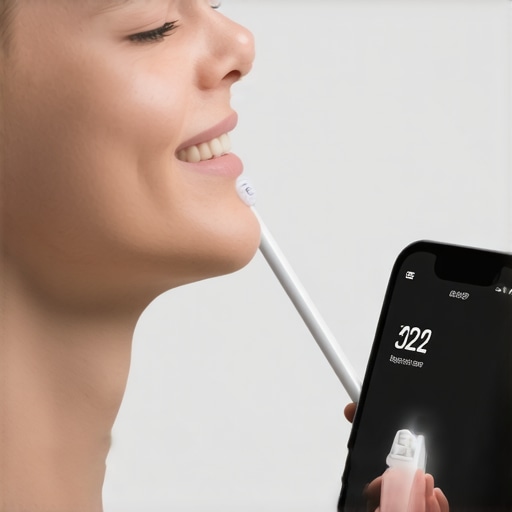
To track your progress, I suggest using advanced oral health monitoring apps. Tools like Dental Monitoring allow your dentist to observe your oral health remotely, catching potential issues early and customizing your care plan. I use this system because it offers peace of mind and personalized advice without frequent office visits, especially helpful for families with busy schedules.
Now, let’s consider the future. Emerging AI-powered diagnostic tools will soon analyze your dental images instantaneously, predicting areas prone to decay or gum disease before symptoms manifest. Keeping abreast of these innovations ensures you’re at the forefront of dental health maintenance.
How do I maintain my dental tools over time?
Proper care extends the lifespan and effectiveness of your tools. Rinse your toothbrush thoroughly, replace it every three months or sooner if bristles fray, and sanitize your water flosser monthly with vinegar or manufacturer-recommended solutions. Regularly check your app data and communicate findings with your dentist during biannual visits—this proactive approach helps prevent costly problems.
For comprehensive advice on maintaining a lifetime of healthy teeth, visit our expert guide on long-term oral health. Remember, technology is evolving rapidly, and integrating these innovative tools now can radically improve your dental experience and outcomes.
Interested in shooting your preventive care into the next decade? Try incorporating a sonic toothbrush like the Philips Sonicare and pair it with a smart app to monitor your progress. Your future self will thank you!
Lessons Hidden in Plain Sight That Transformed My Dental Routine
- Realizing that even high-quality crowns can loosen despite careful habits taught me the importance of continuous professional check-ins, not just daily care.
- I learned that over-reliance on whitening products without addressing underlying enamel health can lead to worse sensitivities—more surface shine isn’t always better.
- Discovering that quick fixes and shortcuts often cost more in the long run made me appreciate investing in effective tools like sonic toothbrushes and smart monitoring apps.
- Understanding that oral health is a lifelong journey, not a one-time effort, inspired me to integrate regular professional guidance into my routine—saving money and health over time.
My Go-To Resources for Keeping Smiles Stunning
- Preventive tips for long-lasting dental health: This foundational guide has been invaluable for understanding the nuances of family oral care and avoiding common pitfalls.
- The ultimate guide to teeth cleaning techniques: It helped me refine my brushing and flossing, especially around dental restorations.
- Latest cosmetic dentistry innovations: Staying updated here motivated me to explore new options that enhance appearance without compromising health.
- Long-term oral health strategies: Heard expert advice that keeps my grin bright and avoids unnecessary treatments, proving the value of ongoing education.
Keep Smiling, Your Future Looks Bright
Every step you take toward better oral health today builds the foundation for a lifetime of confident, radiant smiles. Remember, maintaining your teeth isn’t a destination—it’s a journey enriched by continuous learning, smart investments in tools, and seeking expert guidance when needed. You’re capable of making small changes that result in big rewards—so take action now and embrace the vibrant smile that awaits you tomorrow. Ready to prioritize your dental well-being? I encourage you to schedule a check-up with your dentist—just a few moments can set the tone for years of healthy, beautiful smiles ahead. How will you implement these insights into your daily routine? Share your plans below and join the conversation!