
I’ll never forget the moment I looked into my child’s tiny mouth and realized something was off—her jaw seemed smaller, and her teeth were crowded, even at a young age. It was a lightbulb moment that changed the way I approached her health forever. That frustration of feeling helpless, not knowing what caused it, is something many parents can relate to. The truth is, many of us overlook one critical factor that impacts a child’s dental development—how they breathe.
Breathing: The Unsuspected Key to a Healthy Jaw
If you’ve ever watched your child breathe—and let’s be honest, most of us don’t pay close attention—you might not realize how much it shapes their oral health. I discovered early on that children who breathe through their noses tend to develop better jaw alignment and stronger, more spacious oral structures. Conversely, mouth breathing can lead to a narrow palate and crowded teeth, which may require extensive orthodontic work down the line. The reality is, the way they breathe impacts their entire facial structure, not just their teeth.
Is Mouth Breathing Really That Serious?
Initially, I thought mouth breathing was just a habit—a quirky thing kids do when they have a cold. But I overlooked the deeper implications. Research shows that chronic mouth breathing can alter facial growth, leading to long-term complications like sleep apnea and poor posture. Early on, I made the mistake of dismissing her snoring as normal. Trust me, I learned that ignoring these signs can cost a lot more in correction work later. Understanding this link was my first step toward helping her breathe better and, in turn, reshape her development.
Naturally, if you’re noticing similar signs with your child—snoring, mouth open at rest, or facial asymmetry—don’t wait. Addressing breathing issues early can pave the way for healthier growth and a confident smile. Ready to uncover how you can make a difference? Let’s explore practical steps parents can take to support proper breathing and jaw development.
Start Early with Breathing Checks
Observe your child’s breathing habits during different times of the day. Notice if they breathe through their nose or mouth, especially while resting or sleeping. If you see mouth breathing or open-mouth posture, take action immediately. Gently encourage nasal breathing through engaging activities like blowing bubbles or practicing deep breathing exercises. For example, I once sat next to my son during his nap and gently held his mouth closed while he breathed through his nose, praising him when he successfully kept his lips sealed. This micro-moment helped reinforce proper breathing patterns.
Address Obstructions Promptly
Identify Allergies and Nasal Blockages
Check for signs of nasal congestion, like sniffling or persistent colds. Consult your pediatrician about potential allergies or sinus issues. Removing these obstructions can encourage nasal breathing, preventing mouth breathing habits from forming. I learned that a simple saline nasal spray cleared my daughter’s nasal passages instantly, making her more comfortable and encouraging nasal breathing during sleep.
Limit Habits That Promote Mouth Breathing
Reduce mouth-open habits like thumb sucking or prolonged pacifier use, as they can influence jaw development. I replaced my child’s pacifier with gentle encouragement during her teething phase, gradually eliminating it to promote healthier oral habits.
Incorporate Breathing and Oral Exercises
Engage your child in fun activities that strengthen nasal muscles. For instance, blowing up balloons or playing wind instruments can be beneficial. During a family game, I challenged my son to blow with force into a small paper bag, which helped improve his nasal airflow and jaw strength.
Schedule Regular Dental Evaluations
Visit a family dentist familiar with pediatric airway development. They can monitor jaw growth, detect early signs of crossbites or narrow palates, and recommend timely interventions. I once brought my daughter for a routine check, where the dentist suggested a simple palate expansion, which I hadn’t considered. Acting promptly saved us from more invasive orthodontic procedures later.
Promote Good Oral Hygiene Habits
Encourage your child to brush twice daily with a quality toothbrush and fluoride toothpaste. Demonstrate the proper technique, emphasizing gentle circular motions. Remember, a clean mouth supports overall health and proper development. I made a game out of brushing together, turning it into a bonding activity that motivated my child to maintain good hygiene consistently.
Maintaining these foundational steps can significantly influence your child’s oral and facial development. Consistency in practice and early intervention create the best foundation for healthy growth, setting the stage for a confident, beautiful smile in the future.
 Many people believe that regular brushing and flossing are enough to maintain healthy teeth, but this common misconception overlooks a crucial aspect of oral care: the quality and timing of professional dental cleanings and the expectations around cosmetic dentistry. In my experience, a lot of patients get misled by the idea that as long as their teeth look clean or white temporarily, they’re in good shape—but that’s not the full story. For instance, superficial whiteners like over-the-counter products often fail to address deeper stains or enamel health issues, as explained in [this expert guide](https://gentlesmiledentist.com/the-science-behind-teeth-whitening-achieve-stunning-results-fast). The real secret lies in understanding the advanced nuances of comprehensive dental evaluations and treatments, which many overlook. A common myth I encounter is the assumption that all dental cleanings are equal—what many don’t realize is that deep cleanings and prophylactic visits are tailored to individual needs, and neglecting these personalized assessments can lead to undetected gum disease or decay. Moreover, there’s an ongoing debate about cosmetic procedures like veneers or whitening, with some believing they’re purely aesthetic; however, [these treatments](https://gentlesmiledentist.com/transform-your-smile-the-impact-of-cosmetic-dentistry-in-2025) play pivotal roles in maintaining structural integrity and function. One mistake I see frequently is relying solely on at-home whitening kits, which often fail to reach deep stains or help from an enamel health perspective, as shown in recent studies. Therefore, understanding the distinction between superficial cosmetic fixes and underlying structural health is vital to prevent costly corrections later. Have you ever fallen into this trap? Let me know in the comments. To truly benefit from modern dental advancements, it’s essential to seek personalized evaluations from experienced family dentists, who can guide you through options like [preventive care](https://gentlesmiledentist.com/preventive-tips-for-long-lasting-dental-health-for-families) that not only improve appearance but also preserve your teeth’s long-term health. Remember, skipping advanced diagnostics or generic treatments can compromise your oral and overall health, which is why partnering with a knowledgeable professional is key.
Investing in the Right Equipment for Long-Term Oral Health
Keeping your teeth in top condition isn’t just about diligent brushing; it requires the right tools that align with your oral health goals. Personally, I swear by using a high-quality sonic toothbrush like the Philips Sonicare DiamondClean. Its ultrasonic technology provides superior plaque removal and is gentle on sensitive gums, making it ideal for daily maintenance. Unlike manual brushes, it ensures consistent pressure and coverage, which is crucial for preventing issues like gingivitis and enamel erosion.
Alongside brushing, I recommend incorporating a water flosser such as the Waterpik Aquarius. This device effectively disrupts plaque buildup and reaches areas traditional floss might miss, especially around braces or dental restorations. Regular use can significantly reduce the risk of cavities and gum disease, saving you time and dental costs in the long run.
For monitoring oral health, I rely on the DentalIQ app—it’s like having a personal dental assistant. It helps track oral hygiene routines, reminds you of appointments, and records any symptoms or concerns to discuss with your dentist. In addition, using an oral camera device at home, like the mouth mirror with LED, allows for early detection of potential issues, making professional evaluations more targeted and effective.
How do I maintain these tools to ensure their effectiveness over time?
Regular cleaning of your sonic toothbrush head entails soaking it in antibacterial mouthwash weekly and replacing it every three months. Water flossers should be cleaned according to manufacturer instructions, typically by removing and rinsing the nozzles daily and replacing them every six months. App data should be synchronized and backed up to prevent loss. For the oral camera, keep the lens clean with a soft cloth and store it in a dry place. These simple maintenance steps preserve the tools’ functionality, ensuring your oral health stays on track.
Looking ahead, advancements like AI-driven diagnostic devices will make home assessments even more accurate. Staying updated on these innovations and using recommended tools will empower you to take control of your oral health. For personalized guidance or if you’re considering upgrading your dental toolkit, don’t hesitate to reach out—[contact us](https://gentlesmiledentist.com/contact-us-2) for expert advice.
Begin integrating these tools today, and notice the difference they make in your daily routine. Remember, consistent maintenance not only keeps your smile radiant but lays the foundation for enduring dental wellness.
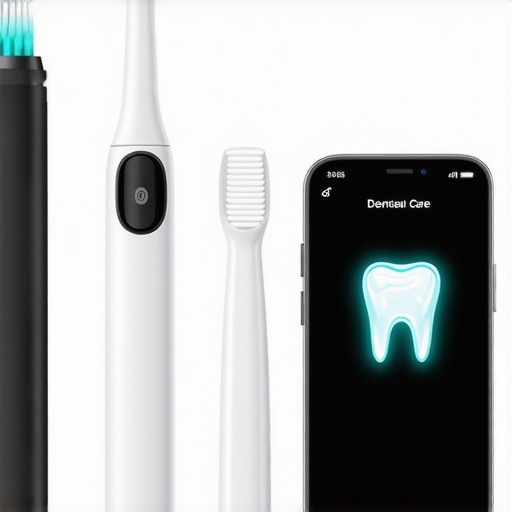
Image caption: Modern dental tools like sonic toothbrushes and water flossers are game-changers for long-term oral health. Alt text: Close-up of a sonic toothbrush, water flosser, and smartphone app for dental tracking.
What I Wish I Knew About Breathing and Facial Growth
My biggest lightbulb moment came when I realized that my child’s breathing habits directly affected her jaw development and overall oral health—something I had previously underestimated. I learned that early recognition of mouth breathing can prevent complex orthodontic issues later on, emphasizing the importance of vigilance from a young age.
Why Personalized Dental Care Transformed Our Approach
Engaging with a skilled family dentist who understands pediatric airway development changed everything. Their tailored evaluations and early interventions helped us avoid invasive procedures, proving that personalized dental care is a game-changer for long-term health.
The Power of Small Changes: Daily Habits That Make a Difference
Simple activities like encouraging nasal breathing, addressing allergies promptly, and limiting habits like thumb sucking had a profound impact. These micro-movements reinforced the importance of consistent, mindful habits in supporting healthy facial growth.
Beyond Basic Oral Hygiene: Embracing Advanced Tools and Knowledge
Investing in quality sonic toothbrushes, water flossers, and using apps to monitor oral health can significantly enhance daily routines. These tools, combined with expert guidance, create a comprehensive shield against future dental issues, reminding us that technology and knowledge go hand in hand.
Embracing the Journey Toward a Confident Smile
Understanding the intricate connection between breathing, jaw development, and oral health has empowered me to take proactive steps. If you’re noticing signs like snoring or facial asymmetry in your child, early action can set the stage for lasting confidence and health. Remember, your involvement and awareness are the most potent tools you have on this journey.
Have you ever noticed your child’s breathing or facial changes that seemed minor but turned out to be important? Share your experiences below and let’s support each other in nurturing healthy, happy smiles!
,