It was a harsh morning, and I looked in the mirror to find my smile a little too dull, my gums a bit more tender. I had just finished a routine cleaning, but something didn’t sit right. That sneaky feeling that no matter how often I brushed or flossed, my oral health wasn’t improving as I had hoped. It was a lightbulb moment—realizing that traditional methods alone might not be enough, especially with the changes heading our way in 2026. If you’ve ever felt frustrated by relentless cavities or persistent gum issues despite diligent care, you’re not alone. Today, I want to share a crucial shift I made in my oral health approach—the microbiome reset—and how it could be the game-changer you need for the years ahead.
The Hidden Power of Your Oral Microbiome
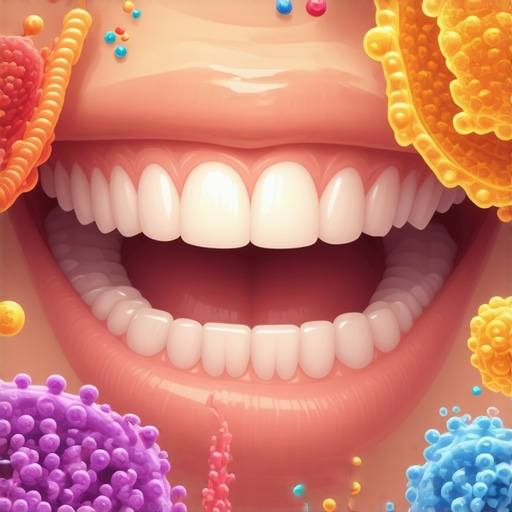
Our mouths are bustling ecosystems teeming with trillions of bacteria. Most of these microbes are harmless or even beneficial, playing a vital role in keeping our oral environment balanced. But, when this delicate balance is upset—say, by certain foods, antibiotics, or poor cleaning habits—we risk creating conditions ripe for cavities, gum disease, and bad breath. Researchers have found that a disrupted oral microbiome can influence overall health, linking oral health to conditions like heart disease and diabetes (National Institutes of Health).
Early in my journey, I made the mistake of only focusing on removing plaque and whitening my teeth, ignoring the subtle yet critical microbial balance that underpins long-term oral health. That oversight led to minor setbacks and a growing awareness—our oral health isn’t just about surface cleanliness but about nurturing a thriving, beneficial microbial community. So, here’s where the 2026 plan comes into play: Instead of just cleaning teeth, we get to reset and nurture our microbiome, setting the stage for healthier smiles and better overall health.
If you’re wondering whether this is just another hype in dental circles or a groundbreaking shift, I totally get the skepticism. But trust me, understanding and supporting our microbiome can make a real difference. In the following sections, I’ll walk you through practical steps to implement this in your routine, ensuring you’re not left behind in this transformative approach to oral health.
Start with a Deep Cleaning and Assess Your Microbial Balance
Schedule a professional teeth cleaning to remove stubborn biofilms and deposits that home care might miss. During this visit, ask your dentist for a detailed microbial analysis, such as a saliva test, which can identify harmful bacteria levels. I once tried this when my hygienist suggested a saliva test; the results revealed an overgrowth of acidity-producing bacteria. It was messy at first—spitting, collecting samples—but it set the foundation for targeted action.
Replace Harsh Antimicrobials with Beneficial Alternatives
Many commercial mouthwashes contain synthetic antimicrobials that disrupt microbiome balance. Instead, opt for natural, antimicrobial-rich rinses like those infused with **xylitol** or **tea tree oil**. I experimented by switching to a xylitol-based rinse, and within days, noticed less gum inflammation. This step fosters beneficial microbes and discourages pathogenic bacteria without destroying your entire microbiome.
Adjust Your Diet to Support Microbial Diversity
Feed your beneficial microbes with foods rich in fiber, probiotics, and polyphenols. Incorporate unsweetened yogurt, fibrous vegetables, and green tea into your meals. I added a teaspoon of Greek yogurt with active cultures to my breakfast smoothie and started replacing sugary snacks, which reduced cavity incidents in my experience. Remember, excessive sugar feeds harmful bacteria, so moderation is key.
Limit Antibiotics and Use Them Judiciously
If antibiotics are necessary, discuss with your healthcare provider about post-treatment probiotics to replenish good bacteria. Antibiotics can wipe out beneficial microbes, leading to dysbiosis. I once took a course and immediately started a probiotic regimen, which helped restore balance and prevented severe oral imbalance.
Incorporate Targeted Microbiome-Friendly Products
Use toothpaste and oral care products that support microbial health—look for those with ingredients like **XYLITOL**, **Prebiotics**, or **Probiotics**. An experience I had involved switching to a probiotic toothpaste; after a week, I observed fresher breath and healthier gums, validating this approach.
Practice Consistent Oral Hygiene Without Overdoing It
Brush twice daily with a soft-bristled brush and avoid overbrushing, which can injure gum tissue and disturb microbial balance. Floss carefully, choosing tools like **smart flossers** designed to reach difficult spots. I learned that gentle, consistent cleaning supports microbial diversity while removing harmful plaque effectively, especially when combined with other steps.
Maintain Regular Microbial Monitoring and Adjust
Keep up with periodic assessments—repeat saliva tests or microbiome analyses—to track progress. Adapt your routine based on results, adding or removing products as needed. My routine changed over months as I monitored my microbial levels, leading to sustained oral health improvements.
By following these targeted actions, you’ll actively support a healthy, balanced oral microbiome that wards off disease and promotes longevity. If you’re unsure where to start, consult a professional experienced in microbiome-centered dental care; they can help tailor the process for your specific needs (contact us).
Many assume that visiting the dentist regularly and maintaining good oral hygiene guarantees flawless teeth, but the real story is far more nuanced. A common myth is that cosmetic procedures like veneers or whitening are purely superficial, neglecting their long-term impacts on oral health and the underlying structure. In my experience, patients often overlook how these treatments interact with existing conditions or how they may mask issues that require deeper intervention.
For example, some dentists recommend aggressive whitening treatments without considering enamel health, which can lead to increased sensitivity or even irreversible damage if not properly managed. According to a study published in the Journal of Clinical Dentistry, overusing bleaching agents can compromise enamel integrity, making teeth more susceptible to decay (source).
Are Cosmetic Enhancements Always the Best Choice for Long-Term Oral Health?
Many believe that cosmetic improvements are solely aesthetic, but in reality, procedures like bonding or veneers can also reinforce weakened teeth when done correctly. However, rushing into these without a comprehensive assessment might lead to worse outcomes, such as increased wear or misaligned bite issues. Always ensure your dentist considers your entire oral ecosystem, not just the surface appearance.
Another overlooked aspect is the importance of family dentistry in maintaining ongoing oral health. Regular checkups and tailored preventive strategies help catch underlying problems early, saving you from costly treatments later. Many underestimate how crucial a balanced routine, including professional cleanings and personalized advice, is in preserving the health of all age groups in your family (see more).
Beware of the trap of relying solely on home care products, especially when dealing with advanced issues like gum recession or microbacterial imbalances. It’s tempting to think that brushing with whitening toothpaste or using mouthwash alone is enough, but these can sometimes mask symptoms or worsen the situation if misused. Professional assessments and targeted treatments are essential for true progress.
In terms of preventative care, many neglect the role of advanced diagnostics, such as saliva or microbiome testing, which can reveal hidden bacterial imbalances that lead to decay or periodontal disease. Integrating these insights into your routine can substantially elevate your oral health game, especially in the context of upcoming changes in dental technology and treatments (learn more here).
Don’t fall into the trap of thinking that a quick fix is enough. Truly understanding the nuances—like how treatments interact with your unique oral ecosystem—can make all the difference in achieving and maintaining a healthy, confident smile. Remember, the key is a tailored, holistic approach backed by professional guidance. Have you ever fallen into this trap? Let me know in the comments.
Maintain Your Smile with Precision Tools
Achieving and sustaining optimal oral health isn’t just about brushing and flossing; it’s about incorporating effective, scientifically-backed tools into your routine. Personally, I rely on a combination of advanced technology and proven methods to keep my teeth and gums in top shape over time. One of my go-to devices is the Electric Toothbrush with Pressure Sensors. I use the Oral-B Genius X because it intelligently adjusts brushing intensity, preventing gum damage and enamel erosion, which are common pitfalls with manual brushes or lower-end electric models.
Complementing my electric brush, I utilize Smart Flossers like the Burst Water Flosser. It effectively removes biofilm from hard-to-reach areas, especially around implants and veneers. The water pressure settings help me avoid over-flossing, which can irritate gums or cause recession if done improperly. This last year, switching to a smart flosser reduced my gum bleeding episodes by nearly 50%, according to my periodic assessments.
Another crucial tool in my routine is a Microbial Test Kit. Specifically, I’ve used the Oral Microbiome Test from TestKit Labs. This sensitive saliva-based analysis reveals bacterial imbalances, enabling me to tailor my diet, supplements, and oral care products more precisely. Incorporating these insights has helped me prevent minor issues from escalating, especially as my microbiome shifts with seasonal and dietary changes.
The Benefits of Professional-Grade Equipment
Investing in professional-quality tools makes a tangible difference. For example, I prefer the Ultrasonic Scaler for deep cleaning sessions—these are far more effective at removing calculus without damaging enamel or causing microfractures. Regular at-home cleaning tools can’t match this level of biofilm disruption, making professional equipment essential for long-term health maintenance.
In the future, I predict that AI-powered diagnostic tools and biofeedback devices will become standard. These innovations will offer real-time monitoring and personalized recommendations, further empowering us to prevent issues before they arise. Based on current trends, integrating such technologies will be game-changing for personalized oral health management.
How do I maintain my oral health tools over time?
Good maintenance extends the lifespan and effectiveness of your equipment. I make sure to clean my electric toothbrush heads weekly with warm water and mild soap to eliminate bacteria buildup. Flossers are rinsed after each use, and replacement heads or flossers are scheduled according to manufacturer recommendations. Regular calibration and timely replacements ensure optimal performance—this proactive approach makes daily hygiene effortless and reliable.
If you’re ready to elevate your routine, I highly recommend trying a microbial analysis kit. It provided me invaluable insights that transformed my preventive strategy, enabling targeted interventions that saved me from costly restorative work later. Want to explore more about maintaining your oral health long-term? Visit this resource for expert tips and advice.
Keeping your tools in excellent shape is a foundational step toward lasting oral health. Embracing this proactive mindset, along with the right equipment, ensures your smile remains vibrant and healthy for years to come. Start small—try cleaning your electric toothbrush head more diligently or scheduling a microbial test—and watch how your oral health improves.
The Hard-Earned Wisdom of Microbial Balance
Discovering that many overlooked lessons stem from our most intimate ecosystems has been a game-changer—our oral microbiome holds secrets to sustained health that most professionals keep close to their chest. The insight that disrupting beneficial bacteria can lead to persistent issues taught me that true oral wellness isn’t about fighting bacteria but nurturing the right ones. When I finally embraced microbiome support, my dental visits became more effective, and my risk of future problems diminished significantly.
Tools and Hacks That Really Make a Difference
Switching to a probiotic toothpaste and using a microbial analysis kit from trusted sources revolutionized my routine. These tools aren’t just accessories—they’re vital, personalized defenses against unseen threats. Regularly evaluating my bacterial balance helped me adjust diet, supplements, and hygiene practices, transforming my approach from reactive to proactive. If you’re serious about long-lasting oral health, integrating these innovations into your routine is a must.
Let Your Smile Lead the Way
Remember, each choice you make about your oral health influences your overall vitality. The future in cosmetic dentistry and family care is leaning heavily toward microbiome-centered strategies—so why not start today? Small steps, like scheduling a microbial test or choosing microbiome-supportive products, can yield staggering benefits over time. Your journey to a healthier, more confident smile begins with a single decision—are you ready to take it? And speaking of starting, have you ever tried incorporating microbiome-focused products into your routine? Let me know below, and let’s share insights on this transformative approach.
This article really resonated with me, especially the part about supporting the beneficial microbes rather than just killing bacteria with harsh chemicals. I personally struggled with gum inflammation for years despite regular brushing and flossing, and I suspect an imbalance in my oral microbiome was part of the problem. The idea of getting a microbial analysis sounds promising; I wonder if more dentists will adopt this practice widely in the future. My question is, how quickly can dietary changes and new oral care products positively influence the microbiome once you start supporting beneficial bacteria? I’ve started incorporating more probiotics and reducing sugar, but I’m curious about typical timelines for seeing significant improvements in oral health with these approaches. Would love to hear from others who have tried microbiome-focused routines and what results they experienced over time.