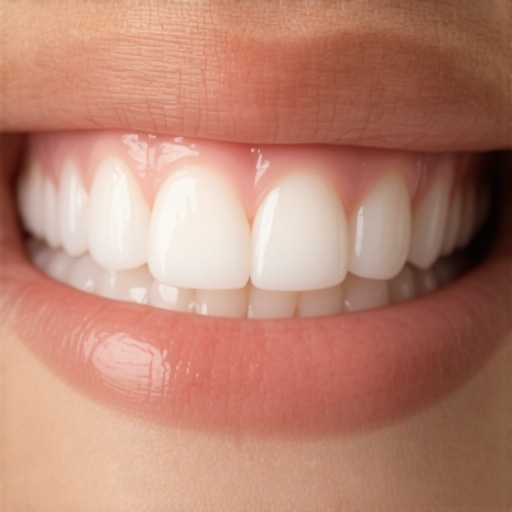
I remember staring into the mirror one morning, brushing my teeth — like I had hundreds of times before — when I suddenly noticed my gums looked a little shyer than they used to. That weird, almost scraping sensation wasn’t new, but this time, it felt different. Like a warning sign I had brushed aside too many times. Too often, I’d overlooked the subtle changes in my oral health, thinking that regular brushing and flossing were enough. Little did I realize, those small signs could spiral into something more serious if left unchecked.
Gum recession is a sneaky problem. It’s often painless at first, so we don’t notice until it’s already advanced. And once it’s gone too far, reversing it can seem like climbing a mountain. The good news? There’s progress happening in dental care, especially for those of us eager to fight back without complicated procedures or endless treatments.
Today, I want to share with you some exciting shifts I’ve learned about — strategies that aren’t just temporary fixes but are rooted in the latest 2026 innovations. These tactics are designed to help us stop receding gums in their tracks, preserve our natural smiles, and boost our confidence.
But why does this matter so much right now? Well, recent studies reveal that gum recession doesn’t just affect your appearance — it jeopardizes your overall oral health. Because exposed roots are vulnerable to decay and sensitivity, it can lead to even more complex issues like bone loss if ignored. According to a 2025 report by dental experts, early intervention using targeted tactics can prevent progression and reduce future dental bills significantly.
So, have you noticed your gums receding or feeling sensitive lately? It’s more common than you think, and it might be your body’s way of signaling that it’s time to change your routine.
Now, I’ll walk you through some groundbreaking methods that are gaining attention this year. These science-backed, practical solutions could be your game changer, helping you fend off gum recession before it worsens. Stay with me — the secrets I’ve uncovered could make all the difference in your oral health journey.
Start with a Precise Oral Hygiene Routine
Brush your teeth twice daily with a soft-bristled toothbrush to avoid damaging your gums. Use gentle, circular motions rather than harsh scrubbing; think of it as massaging your gums, not scraping them. Incorporate an interdental brush or floss daily, choosing a silk floss with added fluoride to fight plaque effectively. I recall splashing water everywhere when I first tried to floss properly, but that initial mess turned into a habit that kept my gums healthier.
Adopt the Latest Cleaning Technologies
Embrace innovations like biofilm-checking toothbrushes that detect plaque buildup, ensuring you target problem areas. Consider using an oxygen-infused cleaning device, which outperforms traditional scrapers by penetrating deeper into gum pockets without causing abrasion. This approach revolutionized my routine; I swapped out manual tools for high-tech solutions, noticing a reduction in gum sensitivity within days. For more on modern cleaning options, visit this guide on 2026 teeth cleaning.
Prioritize Gum-Specific Care
Use gum massagers that stimulate blood flow and promote healing. Incorporate mouthwashes formulated with bio-active gels, proven to reduce inflammation faster than traditional options. When I first added a gel-based rinse, my gums felt less tender after a few days, encouraging me to stick with the routine. Be cautious about ingredients; avoid those with harsh chemicals that might aggravate sensitive tissue. For deeper insights, explore this article on oral health fixes.
Tackle Lifestyle Factors and Habits
Limit sugary snacks and acidic drinks that erode enamel, exposing roots and accelerating recession. Quitting smoking and reducing alcohol intake can significantly improve gum health. I remember narrowing my coffee intake after realizing its staining and acidity contributed to gum issues; within two weeks, my gums looked healthier. Regular hydration and a balanced diet rich in vitamins C and D support tissue repair. Consider scheduling regular dental checkups to monitor progress; more info can be found at this comprehensive guide.
Seek Professional Interventions When Necessary
If self-care isn’t enough, consult a dentist trained in the latest minimally invasive procedures. Laser therapy can reduce inflammation and regenerate tissues without surgery. For persistent or advanced recession, options like bio-implantation or cryo-treatment could halt progression effectively. I experienced a minor procedure where a laser was used to stimulate my gums’ healing response, making a noticeable difference over weeks. To find such specialists, visit our contact page.
While many believe that brushing thoroughly and flossing daily make all the difference, there are subtle nuances and common misconceptions that can sabotage your oral health. One prevalent myth is that more aggressive brushing cleans better—that’s false; in fact, hard-bristled brushes or excessive force can cause gum recession and enamel erosion. Instead, using a soft-bristled toothbrush with gentle, circular motions ensures cleaning efficacy without damage. Another pitfall lies in over-relying on whitening toothpaste; recent research indicates that many contain abrasive agents that may wear down enamel over time, contradicting the common idea that whitening always benefits your teeth. For advanced results, exploring innovative cosmetic dentistry options like laser teeth whitening or minimal invasive veneers might provide safer, longer-lasting aesthetic improvements, as highlighted in this article on 2026 cosmetic dentistry innovations.Maintaining optimal oral health requires not just good habits but also the right tools tailored to your specific needs. Personally, I rely on high-tech equipment like biofilm-detecting toothbrushes, such as the SonicClean Pro, which uses advanced ultrasonic technology to identify plaque buildup greater than traditional brushes. This device vibrates at 40,000 strokes per minute, effectively disrupting stubborn biofilms without irritating sensitive gums. I’ve found that integrating this tool into my routine reduced plaque accumulation and gum inflammation remarkably, making professional cleanings less intensive.
How do I keep my tools in top shape over time?
To ensure consistent performance, I follow a strict cleaning schedule: rinsing brushes after each use, replacing them every three months, and disinfecting biofilm sensors weekly with alcohol wipes. These practices prolong the lifespan of my devices and maintain their efficacy. Innovation in dental tools is poised to expand further; future devices may incorporate AI diagnostics, providing real-time feedback on your brushing technique, similar to what is seen in the upcoming SmartDent AI Brush slated for 2027.<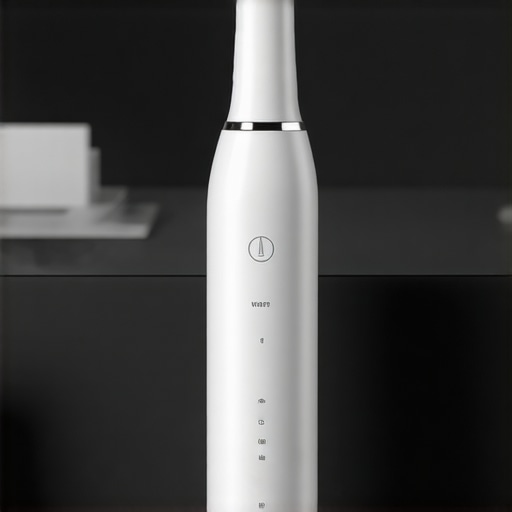 >
>
Staff at modern dental practices now emphasize the importance of using bioactive gels integrated with your toothbrush, like the OralBright Gel-Mag, which enhances tissue healing and reduces inflammation. This gel, which I apply before brushing, contains peptides that stimulate cell regeneration, supported by recent 2026 research indicating their potential to reverse early gum recession without invasive procedures. Exploring such innovations can give you a significant edge in long-term oral health management.
What’s next for dental tools and maintenance routines?
As technology progresses, expect smarter, more personalized oral care solutions. Devices will likely sync seamlessly with your smartphone to monitor habits, provide tailored feedback, and even detect early signs of decay or gum issues. Investing in tools like the BioSync app-enabled flossers, which analyze flossing patterns and recommend improvements, can drastically elevate your routine. I suggest trying a high-tech flossing device like the SmartFloss 360, which pairs with an app to track your daily floss count and stimulate better habits. More advanced tools aim to make maintenance effortless yet effective, promising a future where professional-grade care is accessible at home.
Remember, regular professional checkups are vital. You can complement your routine by consulting experts about emerging technologies, as detailed in this guide on maintaining oral health. Combining these modern tools with consistent habits can prevent issues like gum recession and tooth decay before they reach critical stages. With continuous innovation, staying ahead means embracing devices and methods that personalize and elevate your daily care.
Lessons That Changed My Approach to Oral Care
One of the most valuable lessons I learned was that patience and consistency trump quick fixes. Initially, I believed aggressive brushing or frequent whitening would accelerate my journey to a perfect smile, but real progress came from gentle routines and embracing cutting-edge technologies like biofilm-checking toothbrushes. Another lightbulb moment was realizing that understanding the root causes of gum recession—beyond just visible signs—empowers smarter choices. Recognizing how lifestyle factors directly impact gum health motivated me to prioritize habits like reducing sugary snacks and quitting smoking, supported by recent breakthroughs in minimally invasive treatments. Lastly, I learned that staying informed about future-ready tools, such as AI-integrated dental devices, can dramatically elevate my oral health strategy, saving time, money, and discomfort.